 Retno Hari Mulyono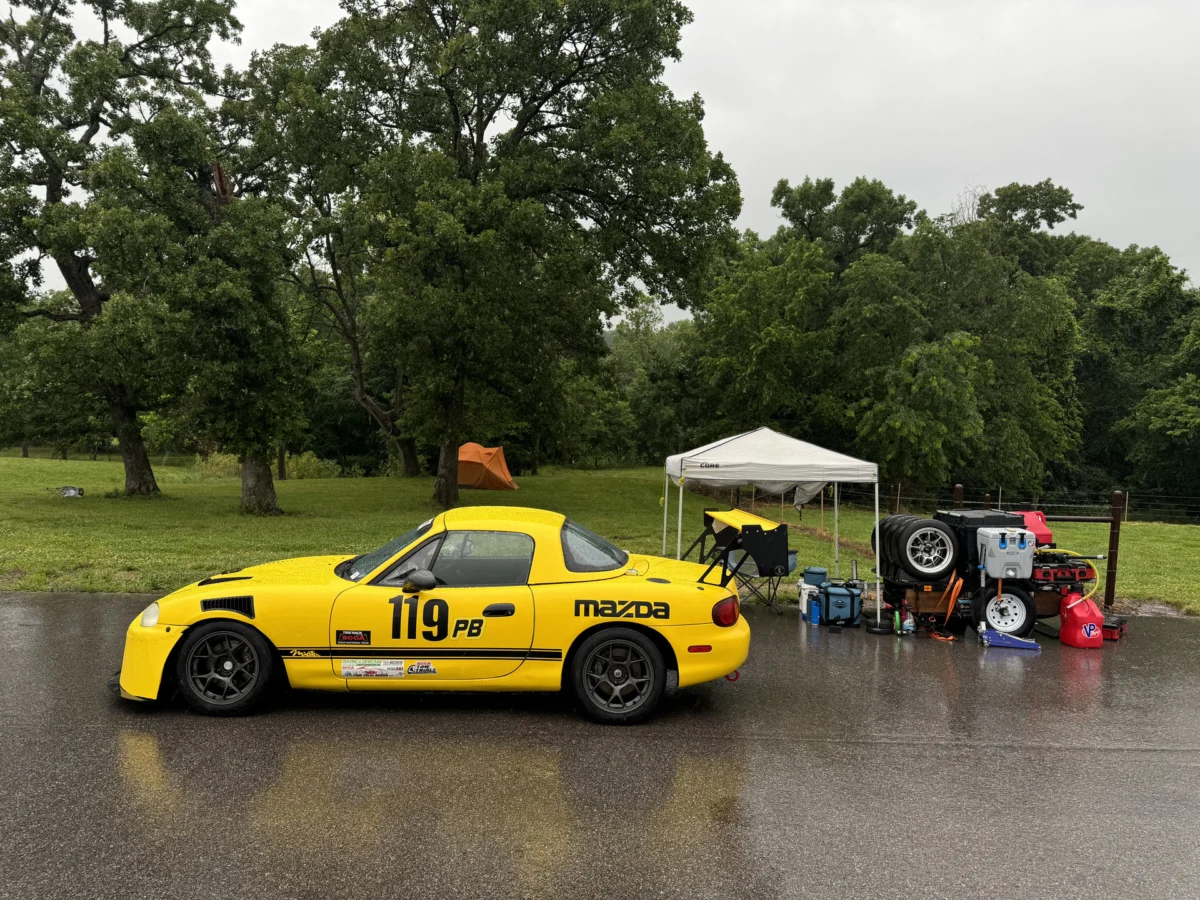
For automotive enthusiasts participating in high-performance driving events, track days, and autocross competitions, transitioning away from standard street tires to specialized 200 treadwear (200TW) or competition-compound rubber is an inevitable milestone. These high-grip tires significantly decrease lap times and improve lateral G-force thresholds, but they introduce a logistical dilemma: premature wear and safety compromises when driven on public roads. While owners of sedans, hatchbacks, and larger coupes can often stow an extra set of wheels and tires in the rear seat or trunk, drivers of compact roadsters—most notably the Mazda Miata—face severe spatial constraints. To overcome this limitation, a growing segment of the motorsport community relies on custom utility solutions known as tire trailers.
The Core Dilemma: Why High-Performance Track Tires Belong off Public Roads
Although most track-day tires maintain Department of Transportation (DOT) approval and are technically street-legal, seasoned driving instructors and competitive drivers universally advise against utilizing them for daily commuting or transit to and from racing venues. This recommendation is underpinned by two primary factors: accelerated degradation and hazardous performance traits in suboptimal weather conditions.
High-performance rubber compounds are engineered to operate within specific thermal windows. Their operational lifespan is measured primarily in heat cycles and active track hours rather than standard odometer mileage. Driving these tires on abrasive public asphalt unnecessarily depletes valuable tread depth and consumes precious heat cycles before the vehicle even reaches the paddock. Furthermore, competitive tires command a substantial financial investment; exposing soft compounds to road hazards such as nails, glass, and potholes increases the risk of catastrophic punctures and expensive replacements.
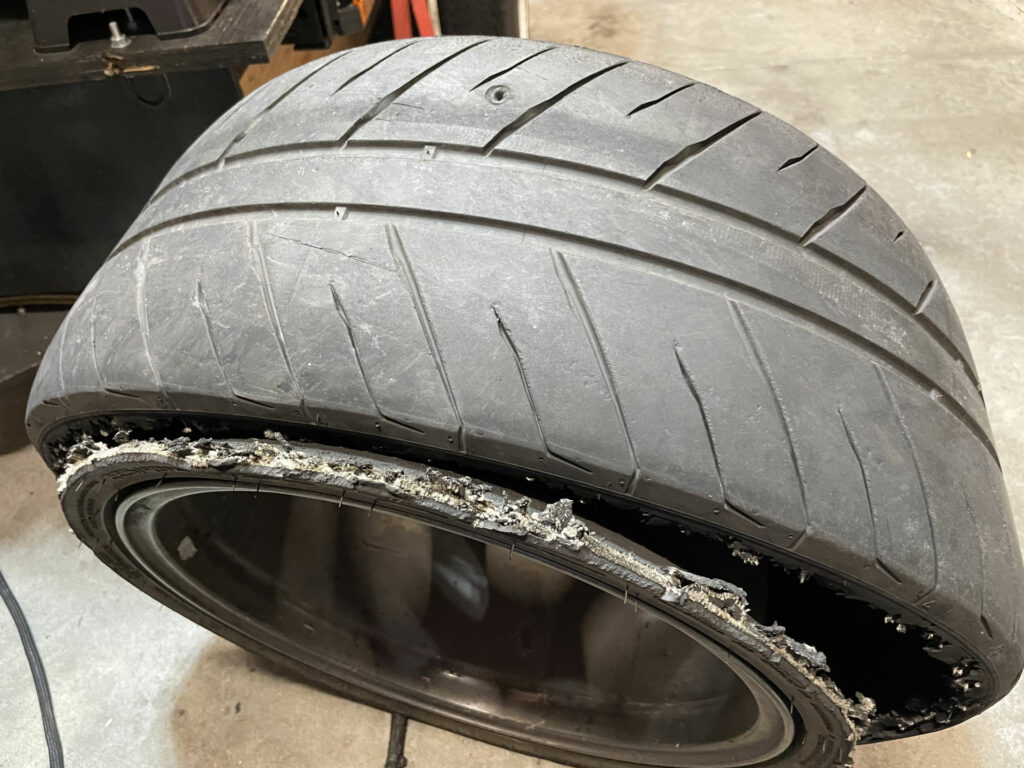
Beyond financial and longevity concerns, safety plays a critical role. Competition tires feature specialized tread patterns and rubber compounds designed for dry, heated tracks. When subjected to cold ambient temperatures, standing water, or heavy downpours, their grip levels drop precipitously. Drivers attempting to navigate sudden highway rainstorms on heat-cycled or worn track tires frequently report severe hydroplaning, compromised directional stability, and terrifying losses of control. Mitigating these risks requires transporting a dedicated set of street-appropriate tires to the track, swapping them at the venue, and carrying the competition set back home.
Anatomy of a Tire Trailer: Utility, Engineering, and Design Evolution
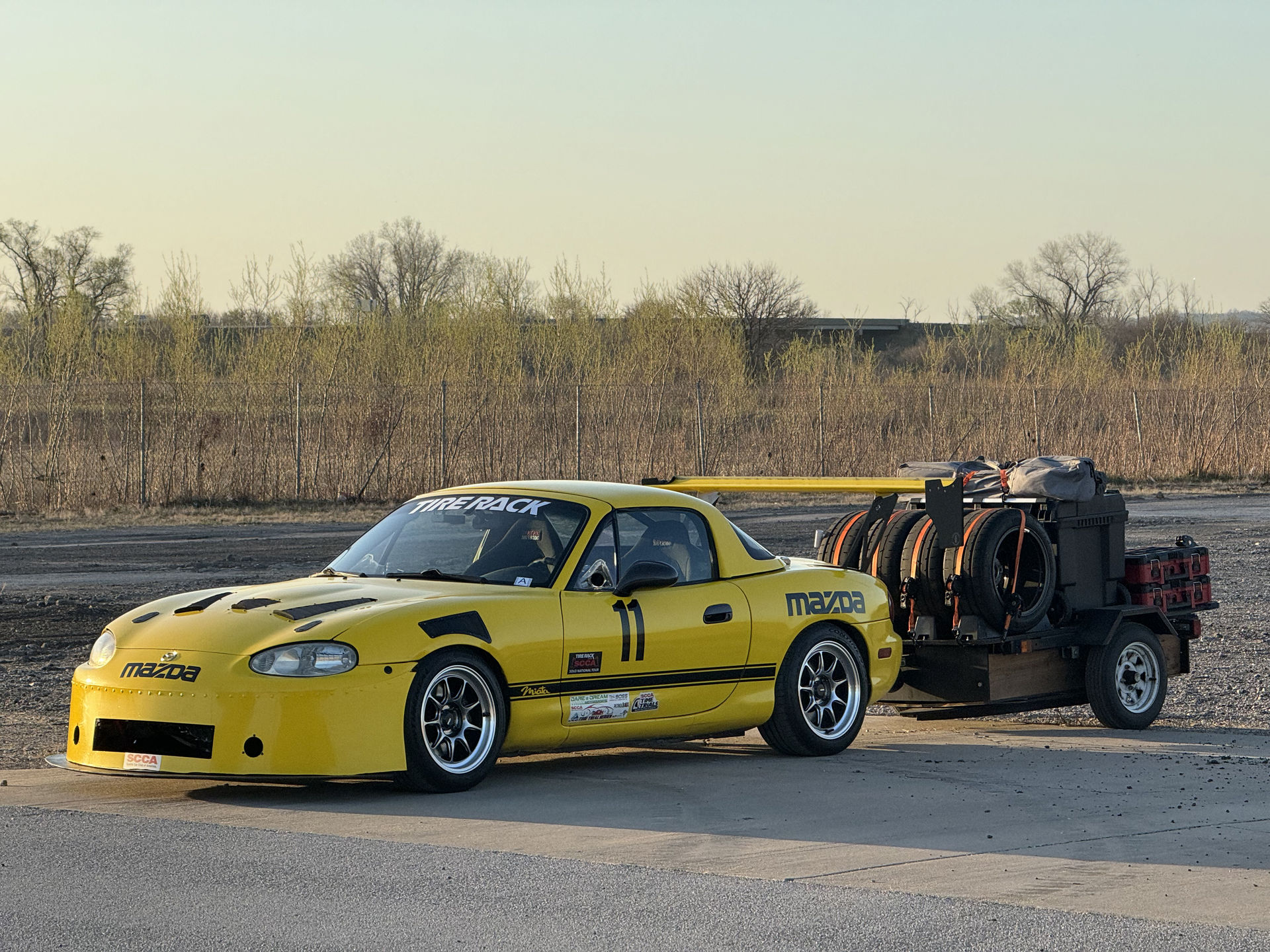
A tire trailer is a compact, lightweight utility trailer engineered specifically to transport a complete set of spare wheels, racing fuel, tools, and paddock equipment behind a small sports car. For drivers of roadsters lacking cargo capacity, these trailers represent an ideal compromise between driving a dedicated tow rig and trying to cram an entire weekend’s worth of gear into a two-seat cockpit.

The foundational framework for many DIY tire trailers originates from commercially available utility kits. A popular starting point is a 40-inch by 48-inch steel frame kit manufactured by suppliers such as Northern Tool or Harbor Freight. These kits arrive disassembled in flat-pack shipping boxes, requiring the end-user to bolt the chassis together, wire the tail lights, and construct a custom wooden deck. While compact frames offer exceptional maneuverability and low tongue weight, alternative options exist within the marketplace. Some builders repurpose motorcycle cargo trailers for a sleeker aesthetic, while enthusiasts with larger budgets often purchase factory-built, high-end paddock trailers from specialized race fabrication shops like Leroy Engineering, which feature premium independent suspensions, heavy-duty bearings, and precision-engineered aluminum chassis.
Chronology of a Custom Build: Phase One Setup
The journey of constructing a functional, long-distance tire trailer involves careful consideration of weight distribution, aerodynamics, and cargo security. Documenting a typical two-year build evolution illustrates the meticulous planning required to transform a basic frame into a reliable interstate travel companion.
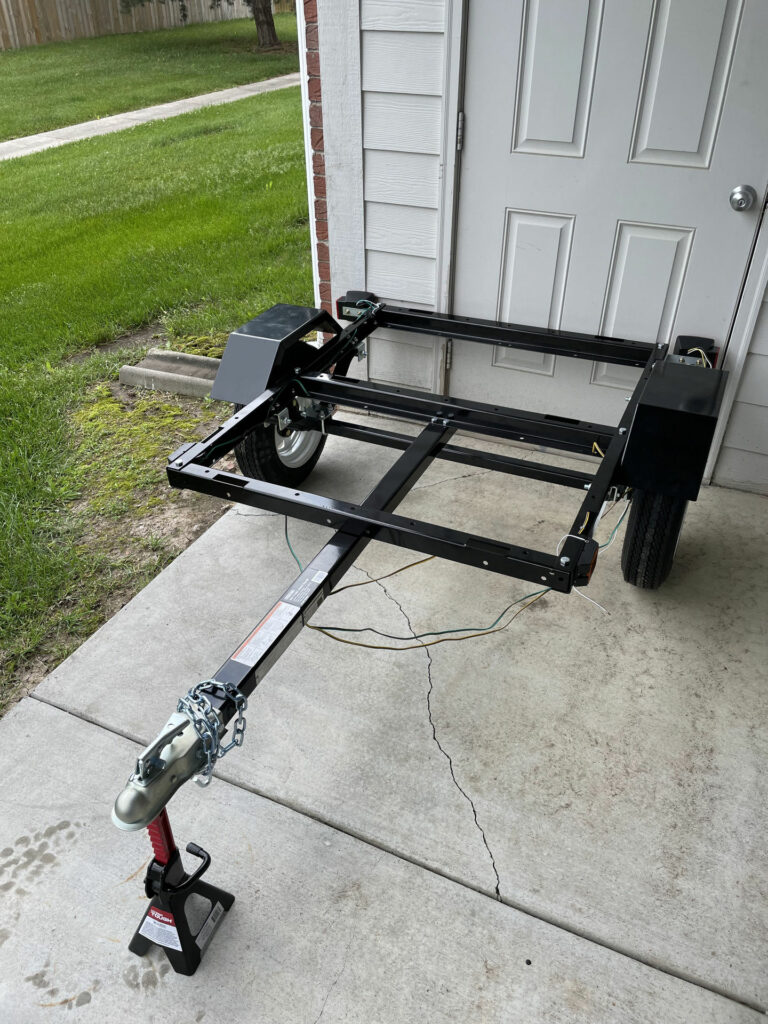
In the initial construction phase, the builder established a sturdy foundation using a 40×48-inch steel frame. To maximize surface area without introducing excessive overhang, a custom-cut deck measuring 62.25 inches by 40 inches was fabricated from three-quarter-inch Sande Plywood, finished with a protective black weather-resistant coating. The deck was secured to the metal crossmembers using recessed carriage bolts, lock washers, and locking nuts to ensure a completely flush surface for mounting accessories.
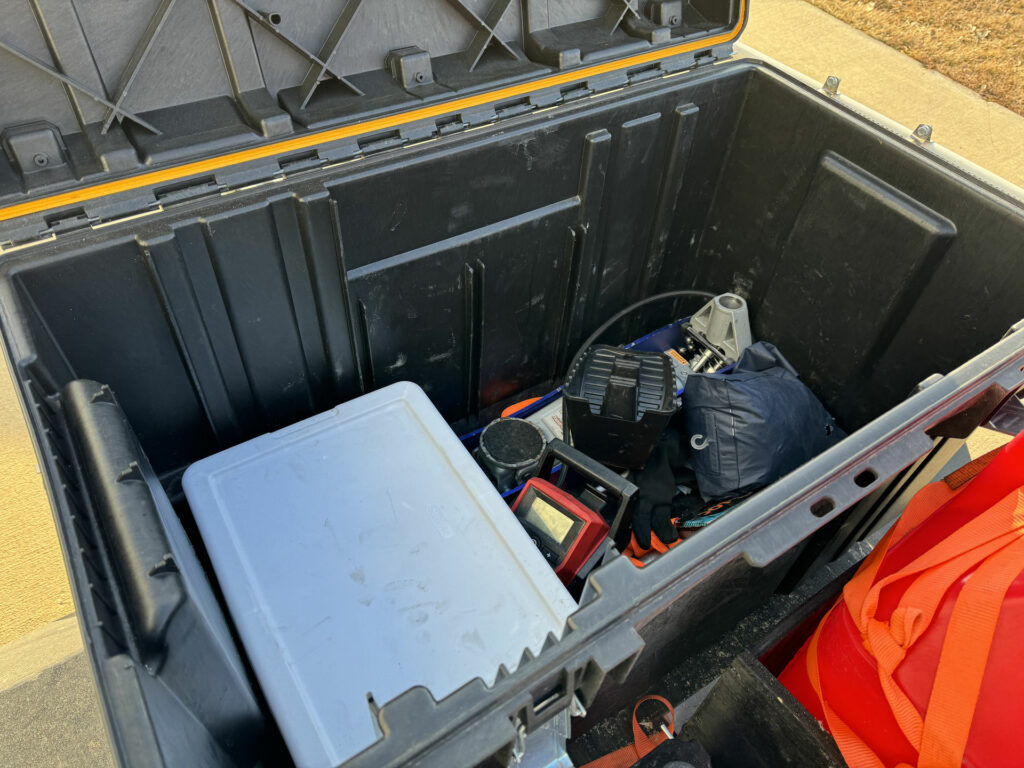
At the geographic center of the trailer—positioned precisely over the axle to maintain balanced tongue weight—a heavy-duty tool chest was permanently anchored using six bolts and reinforced aluminum backing plates to distribute structural stress. This weather-resistant chest became the repository for critical track-side hardware, including hydraulic jacks, torque wrenches, tire pressure gauges, OBD-II diagnostic scanners, replacement lug nuts, protective work gloves, and spare brake components. The perimeter rails of the toolbox provided a convenient anchor point for vertical cargo, such as a collapsible pop-up canopy, folding chairs, and an aluminum folding table secured with heavy-duty ratchet straps.
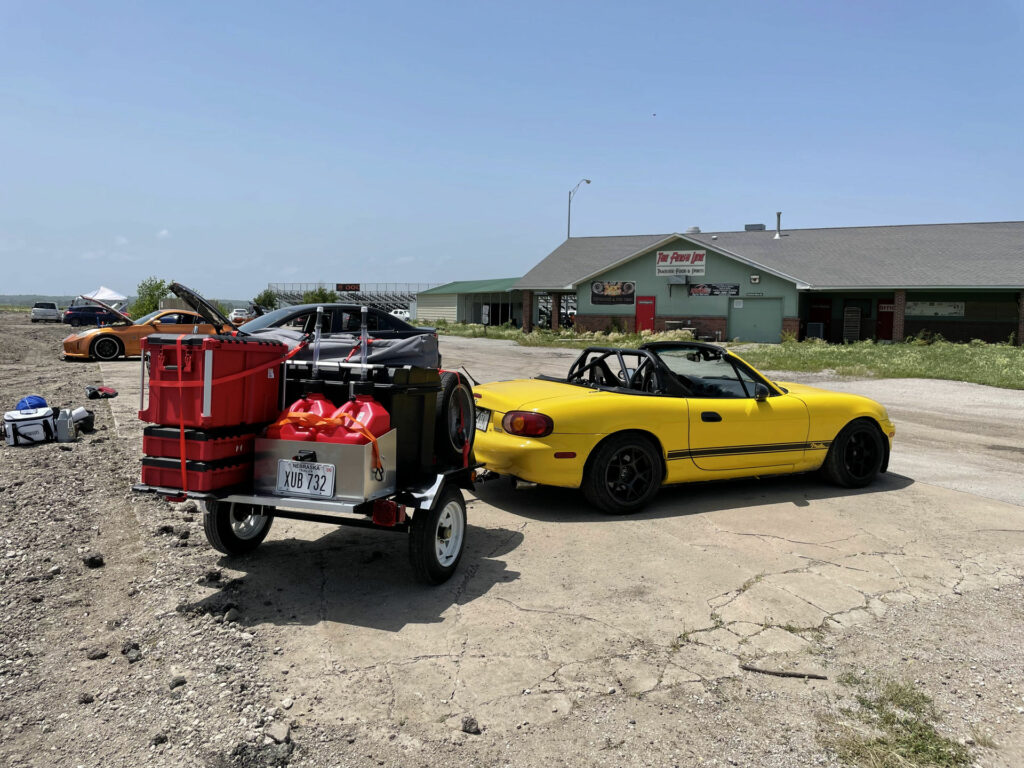
Tire storage was prioritized at the front tongue section of the trailer for optimal weight bias. Securing four wheels and tires securely requires a multi-point containment strategy: threaded vertical rods passing through the wheel hub centers, locking wheel cones, and heavy-duty nylon cargo straps running across the tread faces to prevent shifting during emergency braking maneuvers.
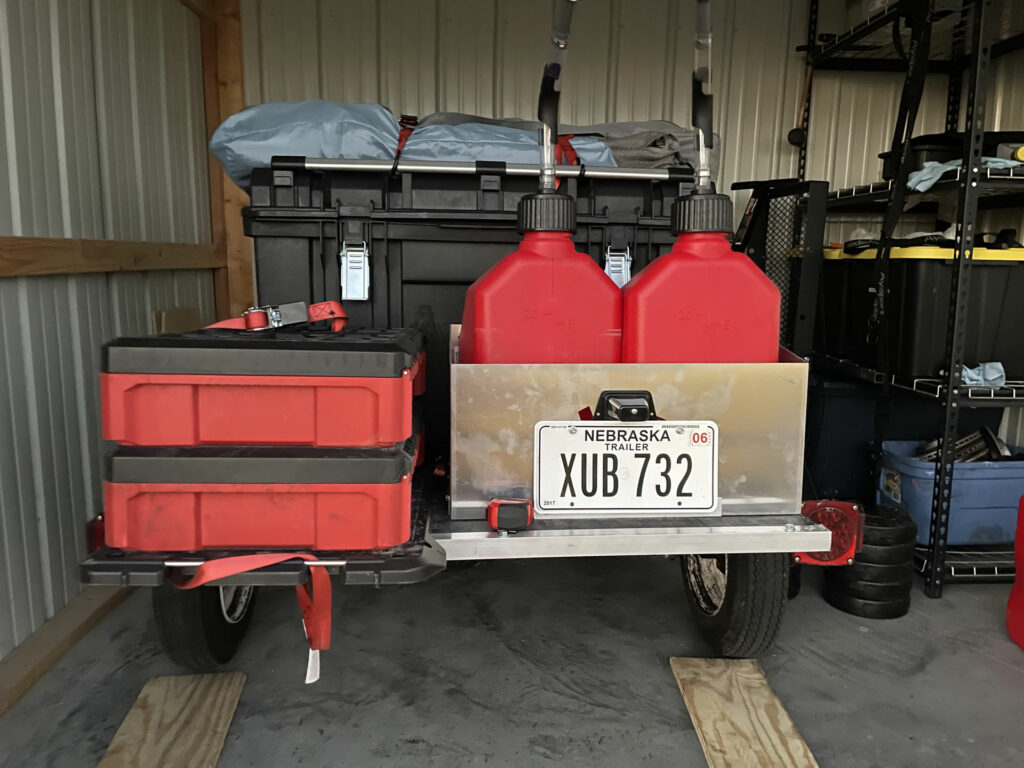
Rear storage allocation focused on hazardous materials. To ensure the host vehicle could complete a full weekend of high-rpm track sessions without running low on specialized fuel, dual five-gallon racing fuel jugs were locked into dedicated aluminum mounting brackets bolted directly to the rear deck, further stabilized by industrial-grade tie-down straps. Additionally, a modular wall-mounting system was installed to accommodate stackable utility organizers, separating delicate hand tools from heavy consumables like brake fluid, zip ties, fuses, and spare electronic sensors.
Iterative Refinement: Phase Two Upgrades and Modifications
After completing approximately one full year of rigorous cross-country transit to various road courses, the initial configuration underwent a series of functional upgrades designed to enhance storage capacity, mechanical reliability, and operational efficiency.
The most significant structural modification was the addition of a secondary, lower deck. By cutting structural lumber to rest just beneath the axle centerline and fastening a half-inch plywood floor underneath, the builder effectively doubled the available cargo volume without raising the center of gravity. Longitudinal steel reinforcement bars were screwed across the underside of the lower deck to prevent structural sag under heavy loads. This lower subterranean compartment became the designated storage zone for bulky items such as heavy steel jack stands, weighted canopy anchor bags, a spare trailer tire, and a backup aerodynamic front splitter for the track car.
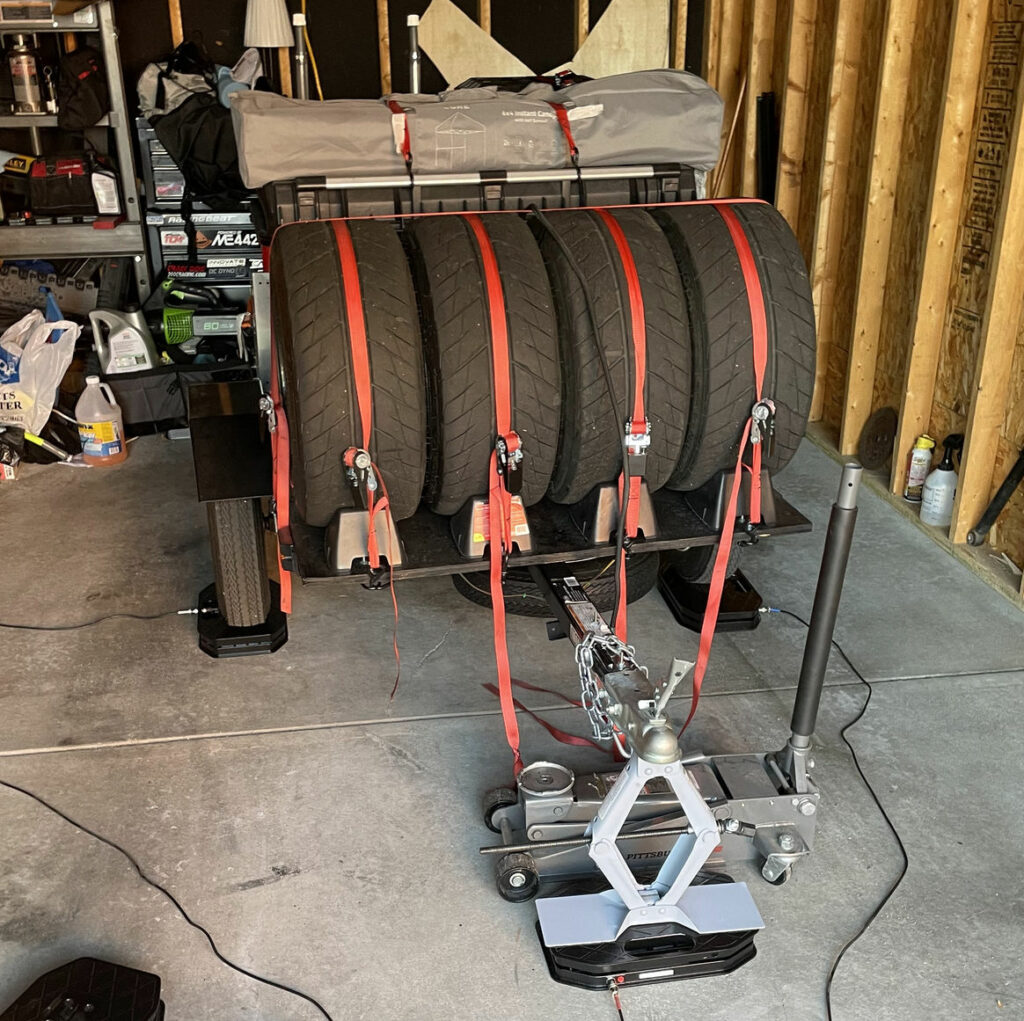
Fuel management also received a major overhaul. While dual five-gallon jugs sufficed for local events, participating in multi-day regional time trials at tracks lacking accessible high-octane or alternative fuels necessitated a higher-capacity solution. A 15-gallon auxiliary fuel container was integrated into the trailer footprint, secured via custom plywood framing and reinforced steel L-brackets. Because lifting and pouring a fully laden 15-gallon tank is physically impractical, a manual rotary crank pump was incorporated, allowing fuel to be safely transferred into smaller secondary jugs prior to refueling the race car.
Finally, addressing rolling stock durability proved paramount. The original bias-ply tires supplied with the utility trailer kit exhibited significant wear after 3,000 miles of highway use, culminating in a slow air leak. Seeking improved high-speed stability, lower operating temperatures, and extended tread life, the builder upgraded to radial trailer tires. The transition to properly sized radial tires drastically reduced bearing heat accumulation during sustained interstate cruising at highway speeds.
Industry Implications and Broader Motorsport Impact
The widespread adoption of tire trailers reflects a broader economic and lifestyle shift within the amateur motorsport community. As the cost of dedicated tow vehicles, heavy-duty truck rentals, and enclosed car haulers continues to escalate, grassroots racers are constantly seeking cost-effective alternatives that preserve the purity of driving their sports cars to and from the circuit.
Automotive analysts and track-day organizers note that driving a lightly modified road car to an event, competing through rigorous technical sessions, and driving home offers a uniquely authentic motorsport experience. However, the logistical friction of equipment transport remains a primary barrier to entry for newcomers. DIY and semi-custom tire trailers effectively bridge this gap, enabling owners of compact vehicles to participate in multi-day events hundreds of miles away without investing in heavy towing infrastructure.

Despite their utility, these micro-trailers present unique operational considerations. Towing any trailer alters a vehicle’s acceleration braking dynamics, and fuel economy. Furthermore, backing up a short-wheelbase single-axle trailer requires heightened spatial awareness due to its rapid jackknife response compared to longer tandem-axle rigs.
Ultimately, for drivers committed to extracting maximum performance from their track machines without transitioning to dedicated, trailer-bound race cars, the tire trailer stands out as an enduring testament to automotive ingenuity. Whether built in a home garage from a basic utility kit or purchased as a turnkey paddock accessory, these lightweight haulers successfully reconcile the contradictory demands of street drivability and track capability.