 Retno Hari Mulyono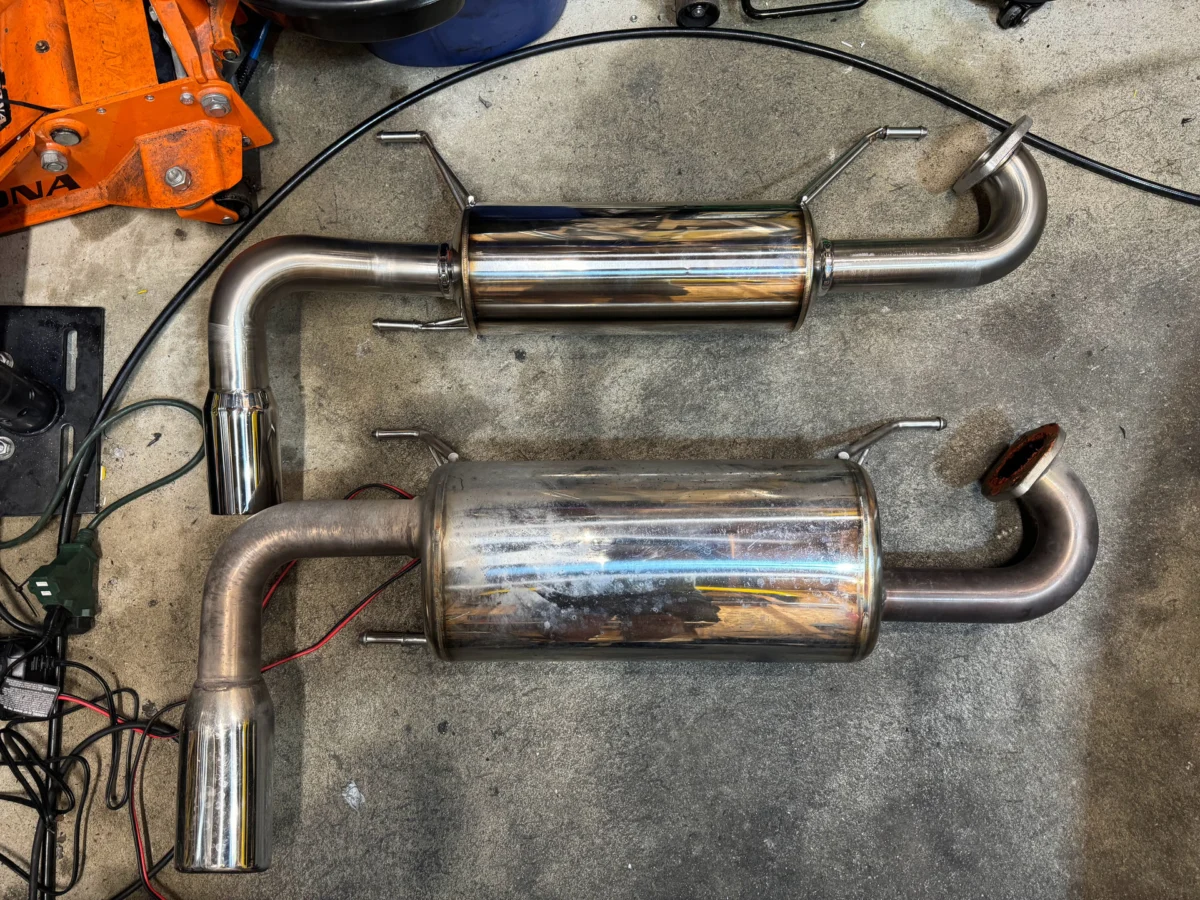
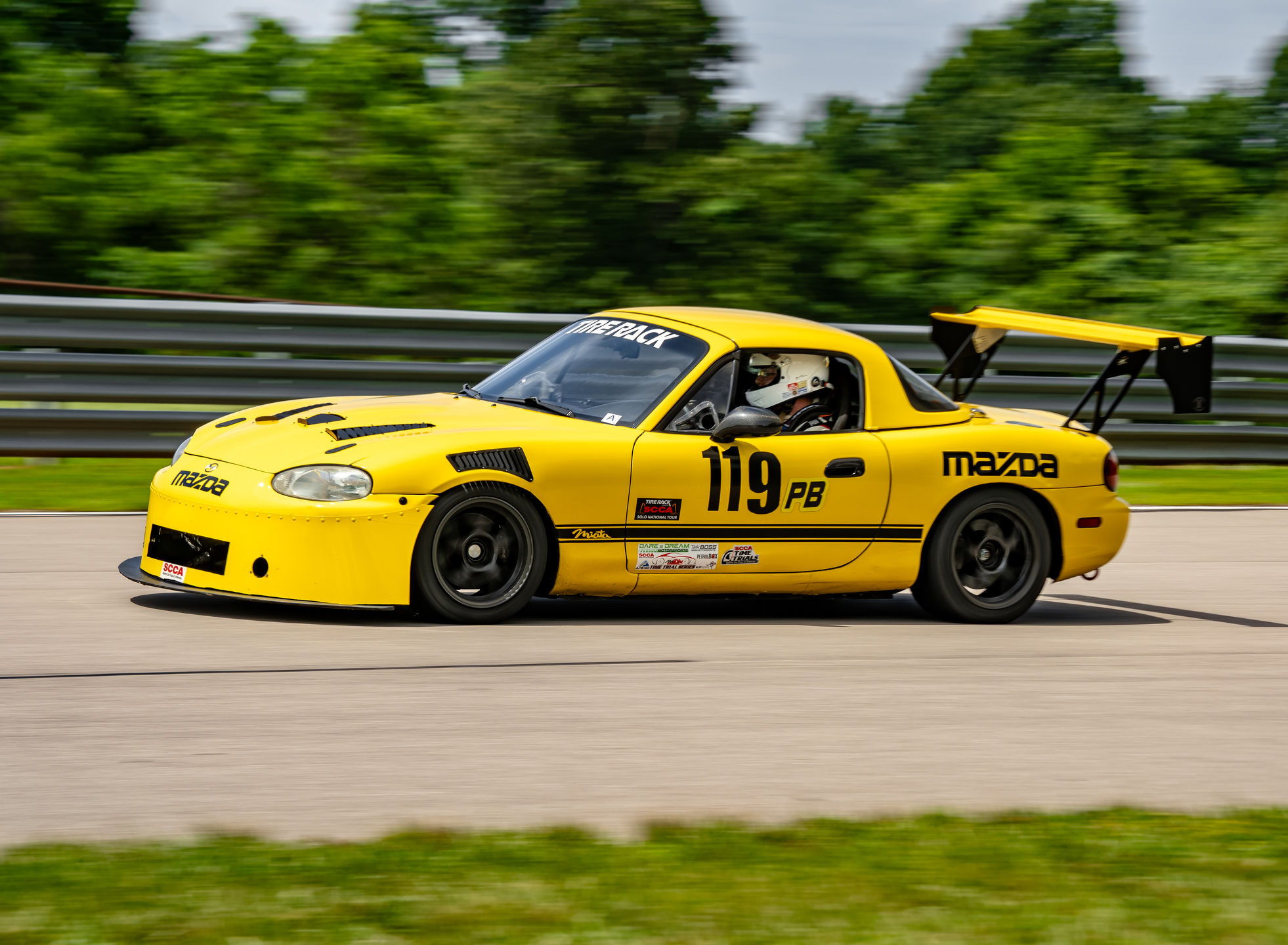
The evolution of a dedicated track-day automobile requires a delicate balance of mechanical engineering, logistical planning, and continuous driver development. Marking four years of continuous ownership, the builder and driver of a second-generation (NB) Mazda Miata has documented a rigorous twelve-month period extending from March 2024 through February 2025. This intensive phase of the vehicle’s lifecycle was defined by major engine modifications, competitive successes in Sports Car Club of America (SCCA) Time Trials, heavy trailer logistics, and advanced telemetry tracking. Across 16 distinct on-track events, the vehicle accumulated 392 laps totaling 12.1 hours of competitive driving, bringing the platform’s cumulative lifetime telemetry record to over 1,023 laps and nearly 35 hours of high-performance operation.
Engine Swaps, Mechanical Hurdles, and Powertrain Refinements
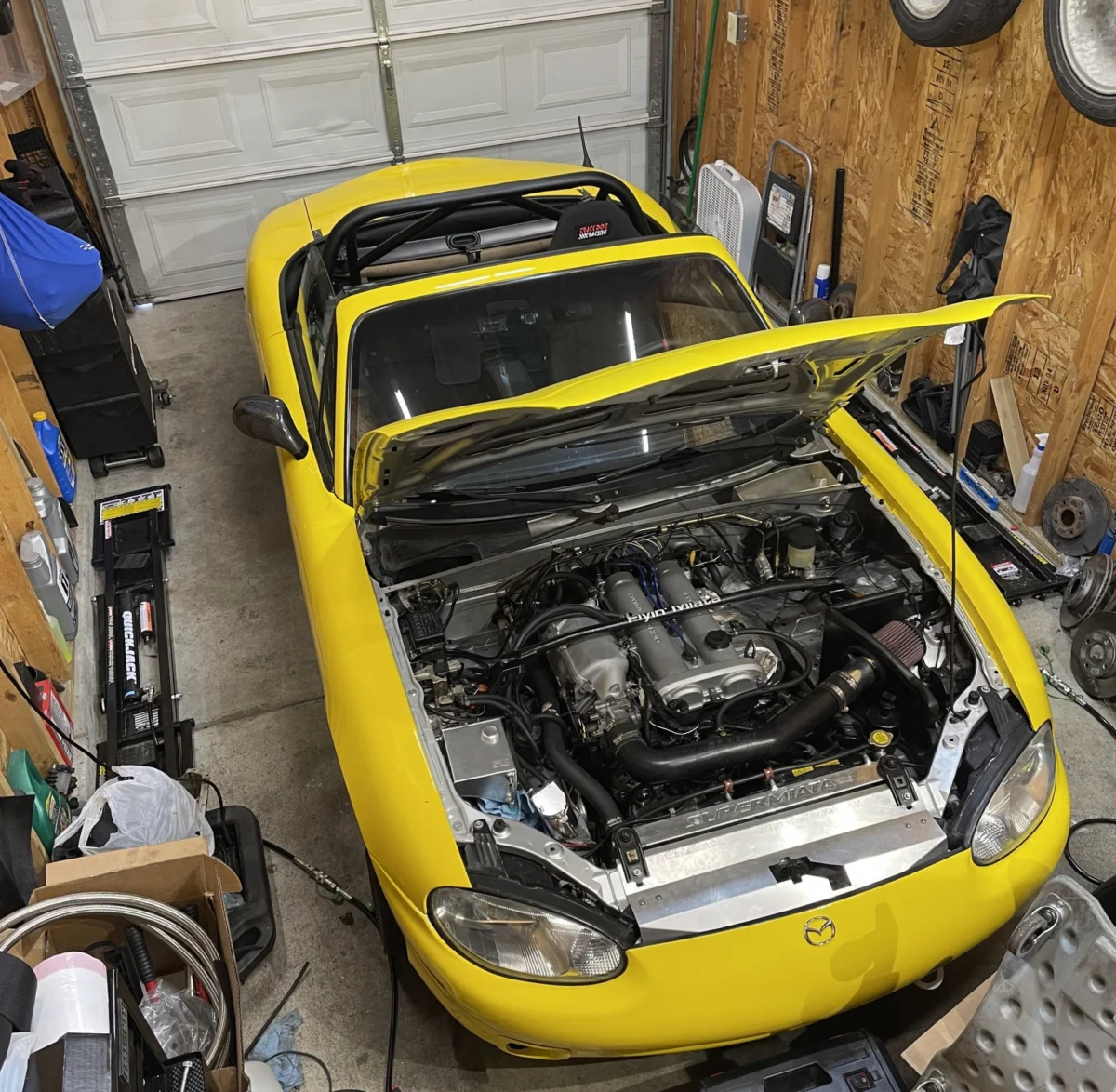
The twelve-month review period commenced in March 2024 with a comprehensive powerplant overhaul. Seeking greater efficiency and power delivery in the upper RPM ranges, the owner initiated a transition from the factory BP4W engine to a rebuilt BP6D variable valve timing (VVT) motor paired with a six-speed manual transmission, replacing the stock five-speed unit.
What began as a straightforward engine drop evolved into a meticulous rebuild. Upon inspection, factory valve sealing deficiencies prompted a complete cylinder head overhaul. The project expanded to include a do-it-yourself cylinder hone, installation of new Original Equipment Manufacturer (OEM) piston rings, aftermarket pistons, and a series of supporting performance components.
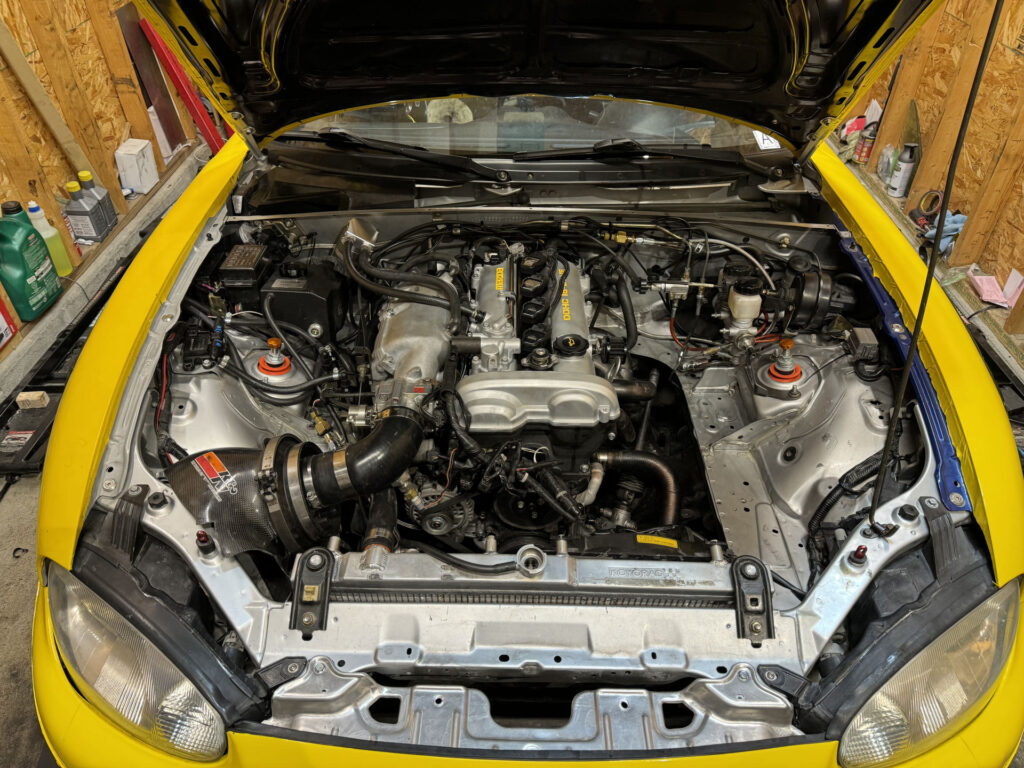
However, high-stress motorsport environments frequently test the limits of newly assembled machinery. Less than a month after completion, during an aggressive autocross session, the engine suffered a minor head gasket failure. Continuous operation near the redline elevated internal cooling system pressures, creating a path of least resistance that blew out a freeze plug. While the damage was contained, the cooling compromise necessitated the temporary reinstallation of the original BP4W motor for the remainder of the racing season, though the upgraded six-speed transmission was successfully retained.
Post-season teardowns in December 2024 provided diagnostic clarity regarding the VVT motor failure. Inspection of the cylinder head revealed minor surface scratching, though no structural compromise existed between the coolant passages and the combustion chambers. Block-side analysis indicated localized wear along the thrust side of the cylinder walls, suggesting minor out-of-round tolerances or piston-to-wall clearance discrepancies. Rather than rushing a secondary rebuild, the owner opted to rely on the proven reliability of the original BP4W block while keeping a professionally machined spare block in reserve.
Enhancing Thermal Management and Aerodynamics
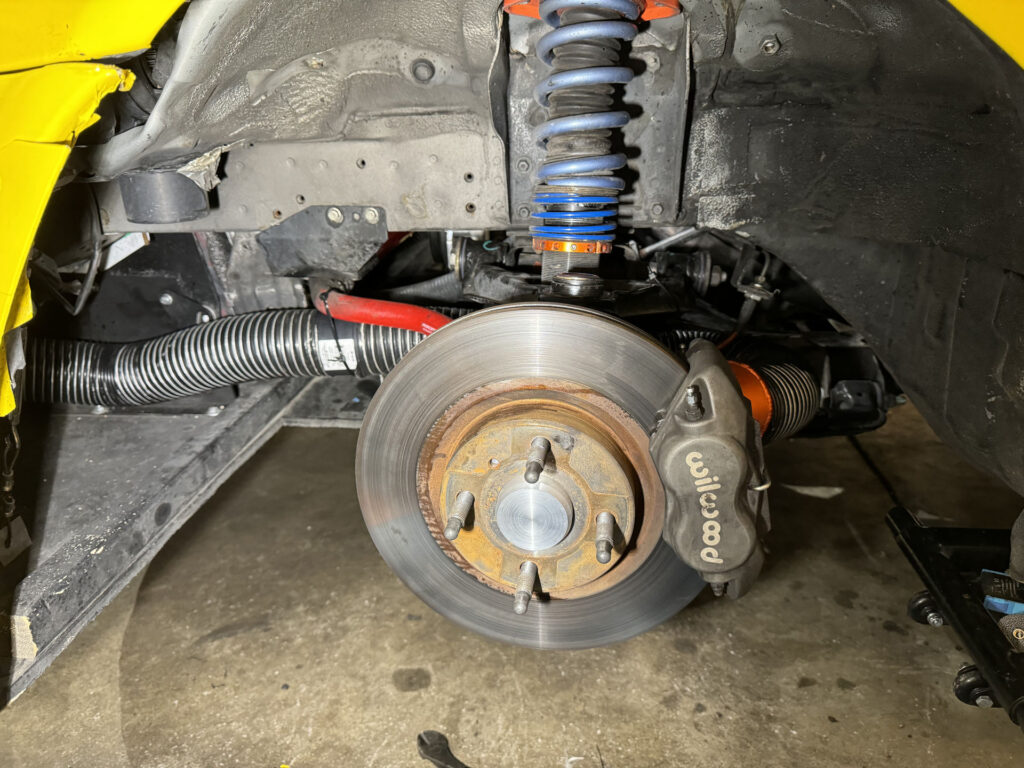
To counteract the rigorous thermal demands of competitive time trials, April 2024 saw the integration of bespoke brake cooling ducts designed for the vehicle’s Supermiata BX11 brake kit. While the BX11 system offers exceptional initial stopping power, its compact pad profile historically limited endurance under sustained braking.
The engineered ducting solution utilized a dual-section hose configuration connected via a central coupler, allowing for localized replacement in the event of track debris damage. Field testing validated the modification, successfully doubling brake pad longevity. The sole operational drawback remained the mechanical complexity and tight packaging constraints associated with routing cooling hoses through the front chassis.
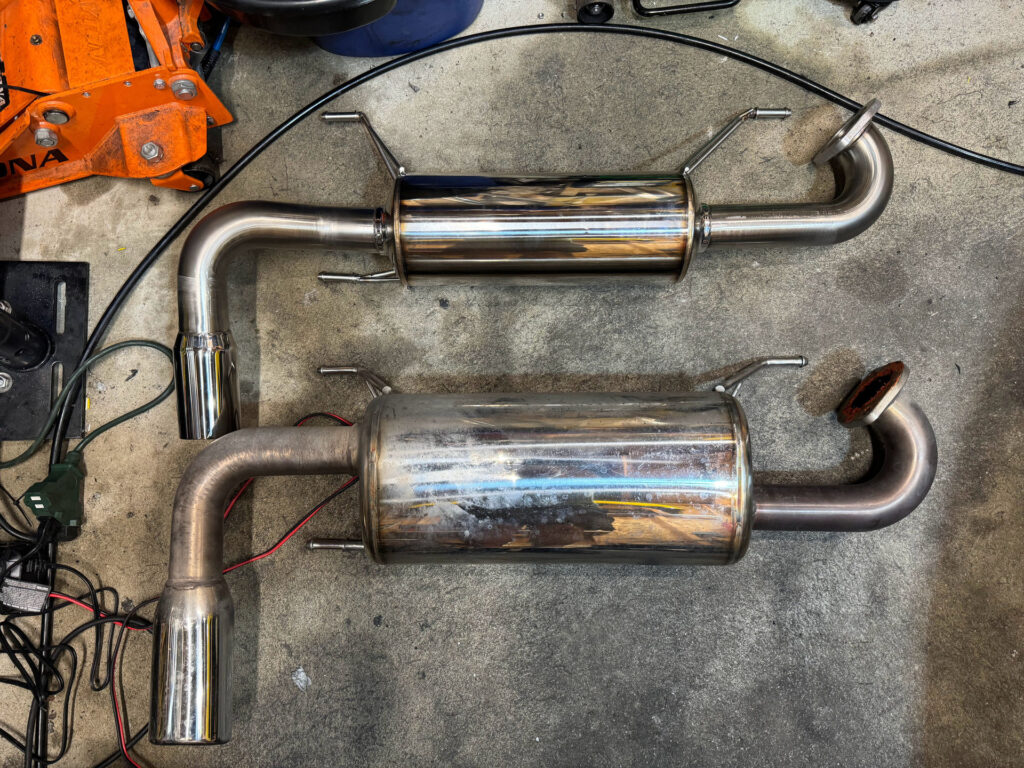
Exhaust gas evacuation and acoustic optimization followed in May 2024. The vehicle’s existing Racing Beat Power Pulse muffler was uninstalled in favor of a more aggressive Racing Beat Race Muffler. Combined with an existing Raceland header and a Racing Beat Race resonated midpipe, the system achieved a dual objective: reducing overall vehicle weight while elevating exhaust decibels. The resulting acoustic profile satisfied local track decibel limits and avoided street-legal compliance issues while delivering a more resonant tone at high RPMs.
Competitive Campaign and Track-Specific Performance
The heart of the 2024 calendar year was defined by a heavy competitive schedule across premier Midwestern road courses. In June, the vehicle visited the Ozarks International Raceway, a facility renowned for its extreme elevation changes and technical layout. Data analysis confirmed significant velocity gains over previous personal benchmarks, cementing the circuit as a preferred venue for technical driver development.
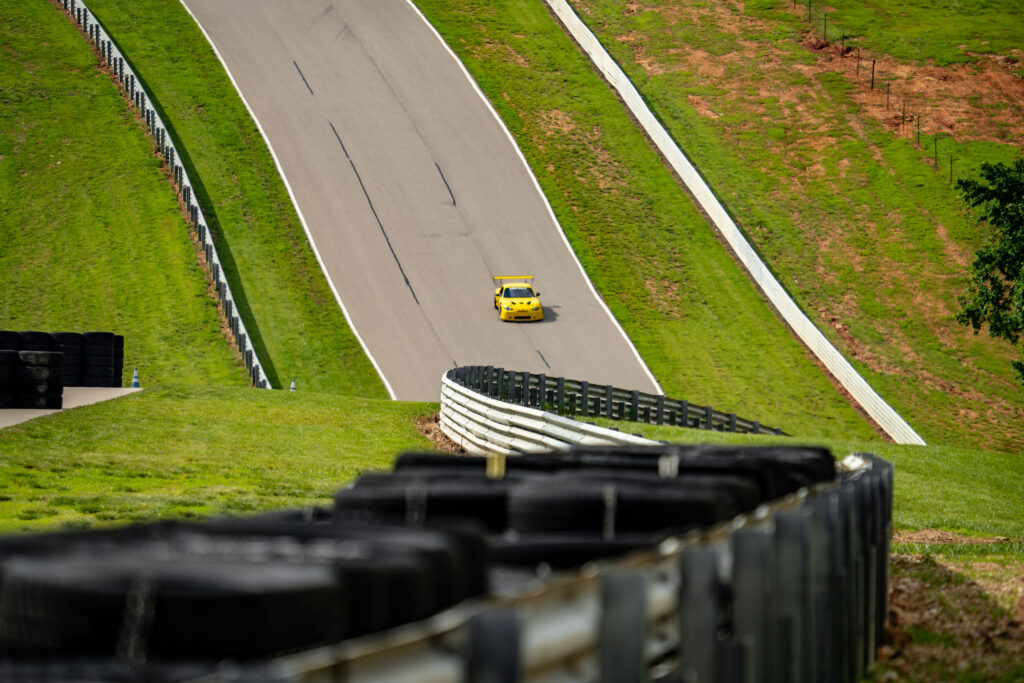
July marked a logistical evolution in the team’s transport operations. Utilizing a newly acquired heavy-duty pickup truck and a rental trailer, the Miata embarked on a 900-plus-mile round-trip journey to High Plains Raceway in Colorado. While the truck experienced minor operational hiccups—specifically oil-fouled spark plugs caused by proximity to exhaust routing—the transition from a flat-towed tire trailer configuration to a dedicated tow vehicle significantly reduced driver fatigue on long-distance transits.
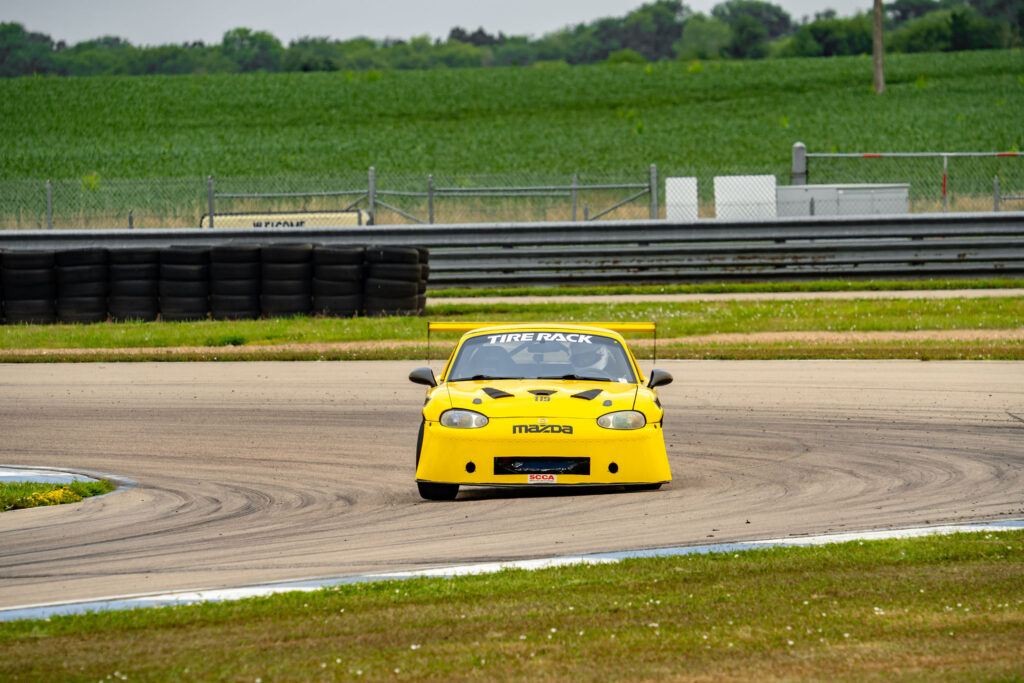
August brought a dominant performance at Motorsports Park Hastings during the SCCA Time Trials series. Competing on a circuit where the driver held the second-highest seat-time history, the vehicle secured class victories in every session, regularly outpacing competitors in higher performance brackets. The car’s fastest lap of 1:39.19 eclipsed established NASA Spec Miata (1:40.415) and NASA TT6 (1:39.625) track records, placing the vehicle competitively between the TT6 and TT5 classification thresholds.
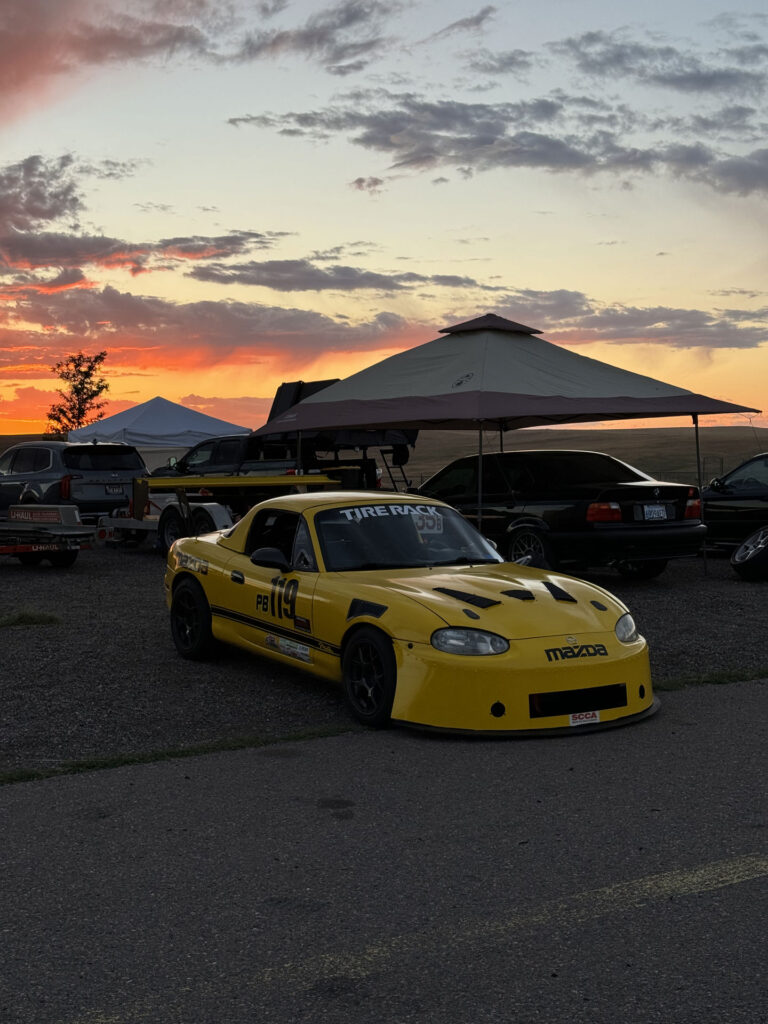
Autumn campaigns continued at Hallett Motor Racing Circuit in November. The SCCA event challenged competitors by reversing track directions mid-day, requiring rapid chassis and line adjustments. Despite late-season tire degradation that induced rear-wheel lockups and flat-spotting, the vehicle maintained competitive class pacing.
Logistical Advancements: Bed Camping and Trailer Fabrication
To support an expanding travel schedule, the second half of 2024 focused heavily on transport and support infrastructure. In July, a color-matched camper shell was secured for the tow truck, laying the groundwork for a dedicated trackside mobile accommodation unit.
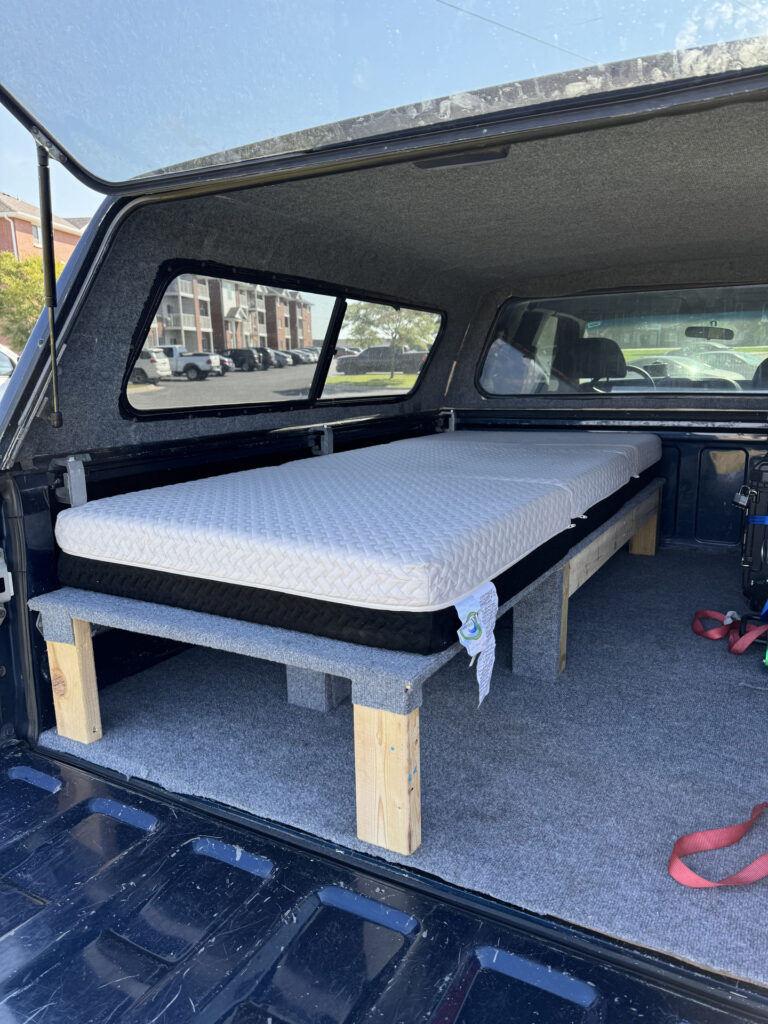
By September, the truck bed was transformed into a self-contained living space. A custom elevated platform was constructed above the wheel wells, supporting a tri-fold memory foam mattress. The design incorporated a removable foot section to preserve cargo utility during transit. To ensure environmental comfort, a roof-mounted MaxxFan Deluxe RV ventilation system was installed, powered by solar panels and an auxiliary battery bank capable of running auxiliary fans and onboard electronics.
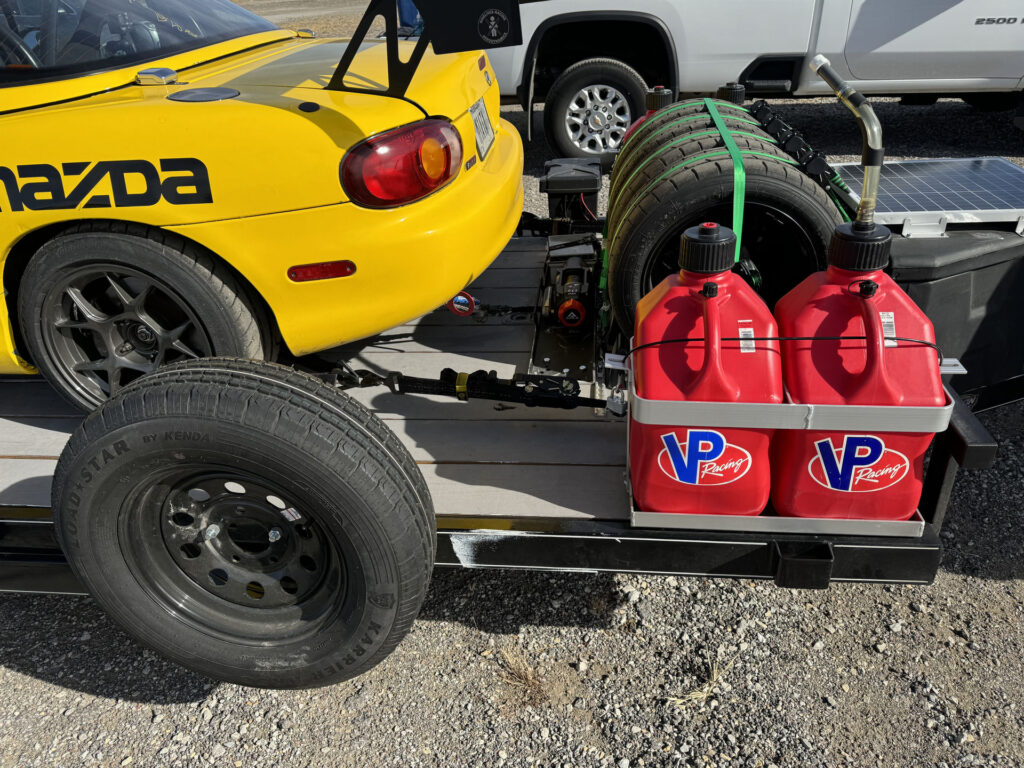
Simultaneously, October marked the completion of an 18-foot open car hauler project. Modifications included specialized tie-down points, winch installations, and deck reinforcement. While the trailer proved highly functional, structural limitations arose due to the fixed angle of the two-foot dovetail, which conflicted with the Miata’s low ride height and front aerodynamic splitter. Field mitigations required the temporary removal of the splitter and the deployment of auxiliary wooden ramps during loading operations.
Winter Preparations: Powertrain Optimization and Telemetry
With the competitive season concluded, attention shifted toward 2025 performance gains. In January 2025, the vehicle received a Skunk2 intake manifold, replacing the previously utilized Squaretop manifold. Engineered to optimize volumetric efficiency at high engine speeds, the modification targets top-end power delivery past the 7,000 RPM threshold, addressing historical power fall-off during extended straightaways.
Communication infrastructure was overhauled in February 2025 to bridge the information gap between driver and pit crew during live-timing events. A cost-effective General Mobile Radio Service (GMRS) communication array was implemented utilizing Baofeng UV-5R and UV-9G units. The cockpit was integrated with a hardwired 12V constant power supply, a steering-wheel-mounted Push-To-Talk (PTT) switch, and a customized IMSA helmet connector harness. An NMO antenna was hard-mounted into the factory power-antenna chassis aperture, establishing reliable telemetry and strategic communication links between the driver on track and support family members in the paddock.
Summary of Operational Scope
Reflecting on four years of continuous development, the NB Mazda Miata has transitioned from a standard enthusiast street car into a highly optimized, reliable time-trial instrument. The deliberate phasing of modifications—ranging from thermal management and exhaust architecture to dedicated towing logistics and onboard communications—illustrates a methodical approach to amateur motorsports development. As the vehicle enters its fifth year of ownership equipped with the new Skunk2 manifold and updated communication systems, the platform stands as a testament to the compounding benefits of seat time, engineering iteration, and disciplined maintenance.