 Indra Gunadi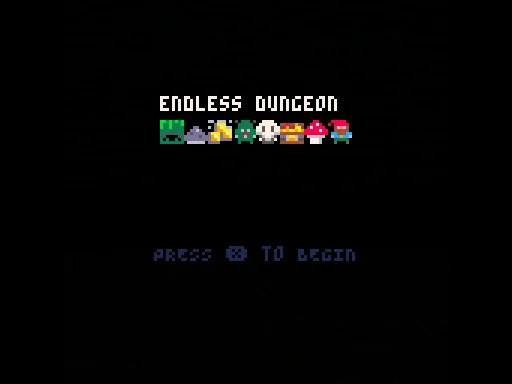
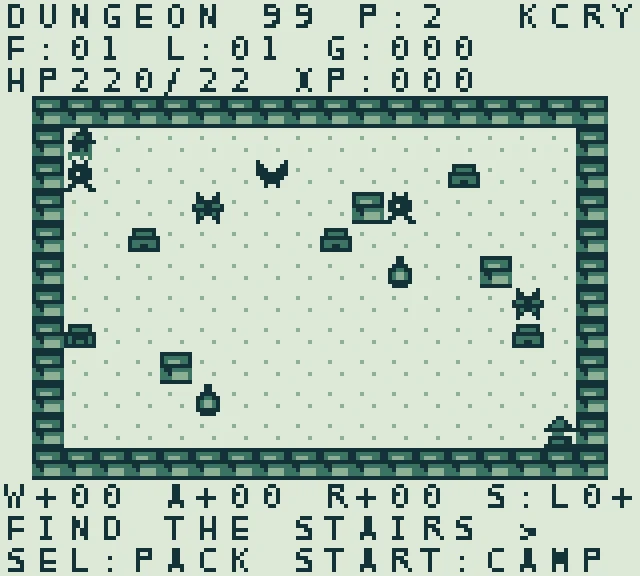
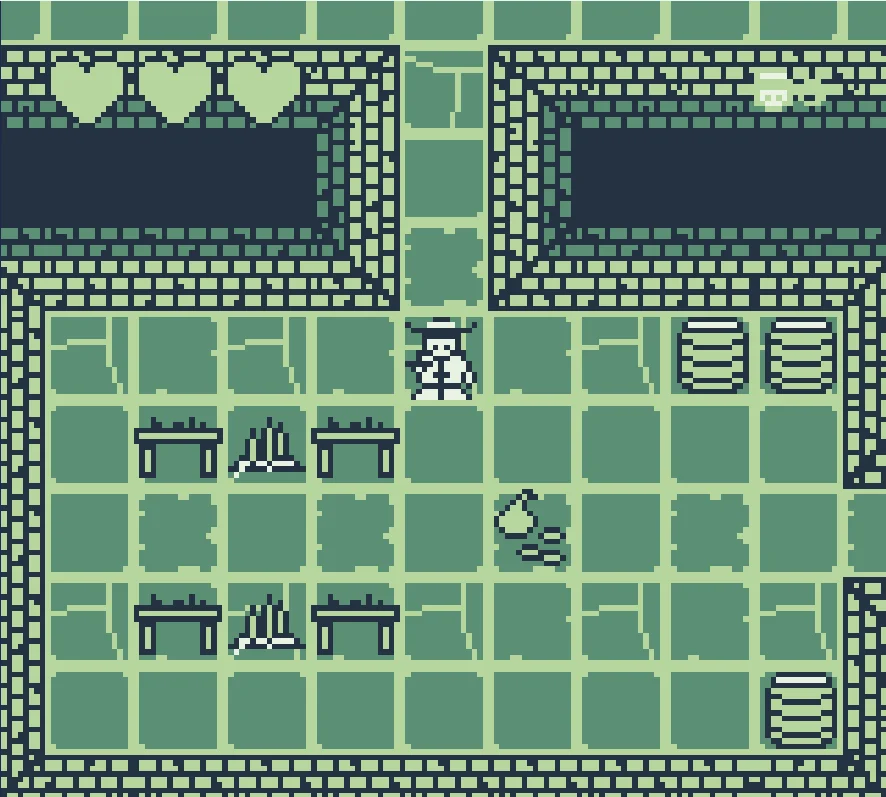
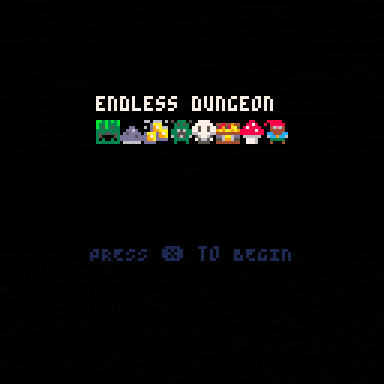
The PICO-8 development community, known for its commitment to the constraints of "fantasy console" hardware, has expanded its library once again with the launch of Endless Dungeon. Developed by Mike Jasnowski and released on September 28, 2026, the title serves as a modern homage to the 8-bit dungeon-crawler genre. By utilizing the specific technical limitations of the PICO-8 engine—which restricts developers to a 128×128 pixel resolution and a strict 16-color palette—Jasnowski has crafted an experience that balances fast-paced combat with procedural environmental hazards.
The Technical Framework of PICO-8 Development
To understand the significance of Endless Dungeon, one must first consider the ecosystem in which it exists. PICO-8, created by Lexaloffle Games, is not a traditional game engine but a "fantasy console." It mimics the limitations of 1980s-era hardware, requiring developers to write code in Lua while adhering to strict memory constraints. These limitations serve as a catalyst for creative problem-solving, forcing designers to prioritize gameplay mechanics and visual clarity over graphical fidelity.
Endless Dungeon enters a crowded marketplace of hobbyist-developed titles. Since the launch of PICO-8 in 2015, the platform has seen thousands of uploads to the Lexaloffle Bulletin Board System (BBS). Unlike mainstream indie games developed in Unity or Unreal Engine, which often leverage high-definition assets and complex physics, PICO-8 titles like Endless Dungeon are judged by the efficiency of their code and the "feel" of their input-to-output loop.
Gameplay Mechanics and Design Philosophy
The core loop of Endless Dungeon is centered on survival in an increasingly difficult labyrinth. The player controls a protagonist equipped with two primary tools: a standard melee blade and a specialized "teleportation sword." The inclusion of the latter mechanic is a strategic choice by Jasnowski, shifting the game’s focus from mere hack-and-slash combat to tactical movement.
In the context of action RPGs, the teleportation mechanic acts as a "get out of jail free" card, but it is balanced by the game’s resource management. Players must navigate traps—ranging from floor spikes to projectiles—that become more lethal as the depth level increases. This progression system follows the "roguelite" philosophy, where the objective is not necessarily to complete a story, but to push deeper into the procedural structure to maximize a high score.
The control scheme has been optimized for versatility, supporting both keyboard inputs and modern peripherals such as the PlayStation 5 DualSense controller. This cross-compatibility reflects a growing trend in the retro-gaming scene, where developers aim to make their projects accessible to players using modern hardware, despite the underlying 8-bit architecture.
Chronology of the PICO-8 Ecosystem
The release of Endless Dungeon occurs at a time of peak activity for the PICO-8 community. Below is a timeline highlighting the growth of this niche, yet highly influential, software segment:
- 2015: Lexaloffle releases the first version of PICO-8, formalizing the concept of the "fantasy console."
- 2018: The platform gains mainstream traction as various indie developers begin releasing "demakes" of popular modern games, proving the engine’s capability for complex logic.
- 2021: Integration with web-based distribution platforms increases, allowing PICO-8 games to be played instantly in browsers, significantly lowering the barrier to entry.
- 2024: Hardware-level community projects, such as the PICO-8 handheld consoles (e.g., the ClockworkPi GameShell), create a dedicated physical market for these titles.
- 2026 (September 28): Mike Jasnowski releases Endless Dungeon, marking a refined entry in the dungeon-crawler sub-genre that emphasizes modern control parity.
Analytical Overview: Why Constraints Matter
The appeal of a game like Endless Dungeon lies in the "law of constraints." In modern game development, AAA titles often struggle with "feature creep," where excessive graphical detail and complex mechanics lead to performance instability and bloated file sizes. Endless Dungeon operates with a total code limit of 8,192 tokens. This forced minimalism ensures that the game runs with zero loading times and instant responsiveness.
From an analytical standpoint, titles like Endless Dungeon serve as a vital training ground for software engineers. By working within the PICO-8 environment, developers learn to optimize loops, manage memory pools, and prioritize the most important aspects of game design—the "game feel"—above secondary considerations. This discipline often translates into more efficient programming practices in professional software development environments.
Industry Implications and Community Reception
While Endless Dungeon is a niche product, its release underscores the broader viability of the "micro-game" market. Digital distribution platforms and the rise of retro-gaming interest have created a sustainable economy for developers who do not seek to compete with the blockbuster industry but rather to provide high-quality, focused experiences.
Though there have been no formal statements from the Lexaloffle development team regarding Endless Dungeon specifically, the platform has historically benefited from high-quality community releases. These games act as "proof of concept" pieces that keep the community active. When a game like Endless Dungeon is released, it typically results in a spike in traffic to the Lexaloffle BBS, reinforcing the platform’s status as a primary hub for independent creative coding.
Furthermore, the game’s reliance on standard input methods, including the PS5 controller, indicates a shift in how retro-style games are consumed. It is no longer sufficient to build a game that works on a keyboard; developers are increasingly aware that their audience expects their modern gaming rigs to handle these lightweight titles with ease.
Future Outlook for Procedural Dungeon Crawlers
As we look toward the future of the PICO-8 library, titles like Endless Dungeon set a benchmark for what can be achieved in limited space. The procedural nature of the dungeons ensures replayability, a key factor in keeping a player base engaged with a short-form experience.
The successful implementation of the teleportation sword suggests that future developers will likely experiment more with mobility mechanics. In the competitive landscape of action RPGs, the difference between a successful title and an overlooked one often comes down to the fluidity of movement. Jasnowski’s focus on this element suggests a sophisticated understanding of player frustration points in dungeon crawlers and a commitment to mitigating them through design.
Concluding Observations
Endless Dungeon stands as a testament to the endurance of the 8-bit aesthetic and the ongoing relevance of the PICO-8 community. By focusing on tight, responsive mechanics and leveraging the procedural generation capabilities of the platform, Mike Jasnowski has provided an experience that is both accessible to newcomers and challenging for veterans of the genre.
As the industry continues to evolve, the distinction between "professional" and "hobbyist" projects continues to blur. Developers who can create compelling, high-quality content under severe limitations—as demonstrated by Endless Dungeon—are proving that the soul of gaming lies in the quality of the experience rather than the raw power of the hardware. The release of this title is not merely a contribution to a hobbyist forum; it is a continuation of a legacy of digital craftsmanship that prioritizes the core elements of play above all else. For those interested in the history of game design or simply looking for a challenging, well-optimized action experience, Endless Dungeon provides a compelling case study in how to do more with less.