 Vera Clarissa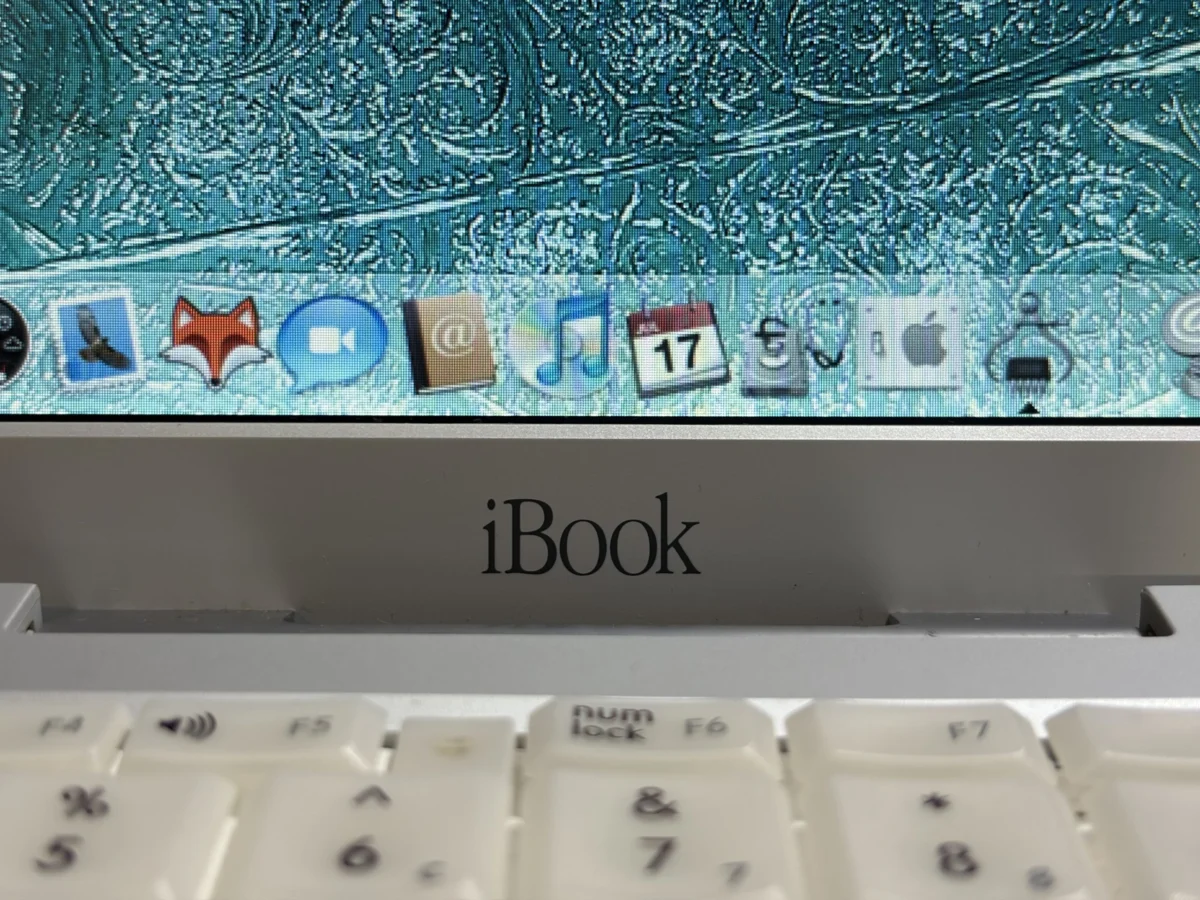
The Vintage Computer Federation (VCF) Midwest, a premier annual gathering for computing enthusiasts, historians, and hardware preservationists, recently served as the backdrop for a compelling case study in retro-computing sustainability. During the event, held at the Renaissance Schaumburg Convention Center, a $10 iBook G3—purchased from Michigan Vintage Finds at table B620—was successfully restored to operational status. This project highlights the ongoing viability of early 2000s-era hardware and the specific technical challenges involved in maintaining PowerPC-based Macintosh systems in a modern digital landscape.

The Technical Context of the iBook G3
The iBook G3, particularly the models released in the early 2000s, represents a significant period in Apple Inc.’s industrial design history. These machines were characterized by the G3 PowerPC 750CXe processor, a chip that offered a substantial performance jump over its predecessors due to its integrated 512 KB Level 2 cache. The specific unit acquired at VCF Midwest serves as an ideal "Swiss Army Knife" for legacy computing tasks, functioning as a bridge for software restoration, disk cloning, and Target Disk Mode operations for various Apple hardware manufactured up to 2004.

The restoration process began with a systematic evaluation of the machine’s internal components. The original 10 GB hard drive, which had likely reached the end of its operational lifespan, was removed and set aside. In its place, a 60 GB IDE drive was installed as a functional stopgap. While the primary goal involved migrating the system to a 128 GB mSATA SSD via an adapter, intermittent hardware connectivity issues necessitated the temporary use of the legacy magnetic storage medium. This challenge underscores a common hurdle in retro-computing: the reliance on aging physical interfaces and the frequent incompatibility of modern flash-based storage adapters with older bus architectures.

Chronology of the Restoration
The restoration of this specific iBook followed a rigorous technical timeline:

- Acquisition and Initial Assessment: The device was sourced from the Michigan Vintage Finds booth. Initial power-on tests confirmed that the logic board was intact and the PowerPC 750CXe processor was functional.
- RAM Optimization: The unit arrived with a 128 MB RAM module. To ensure the smooth operation of Mac OS X 10.4 (Tiger), which is the targeted operating system for this machine, the memory was upgraded. Given the iBook’s architecture—which supports a maximum of 576 MB to 640 MB of RAM depending on the specific logic board configuration—a 256 MB module was installed to provide sufficient headroom for the OS and secondary applications.
- Storage Integration: The removal of the 10 GB drive allowed for the installation of the 60 GB IDE unit. Efforts to utilize an mSATA SSD remain ongoing, pending the procurement of a more reliable interface adapter.
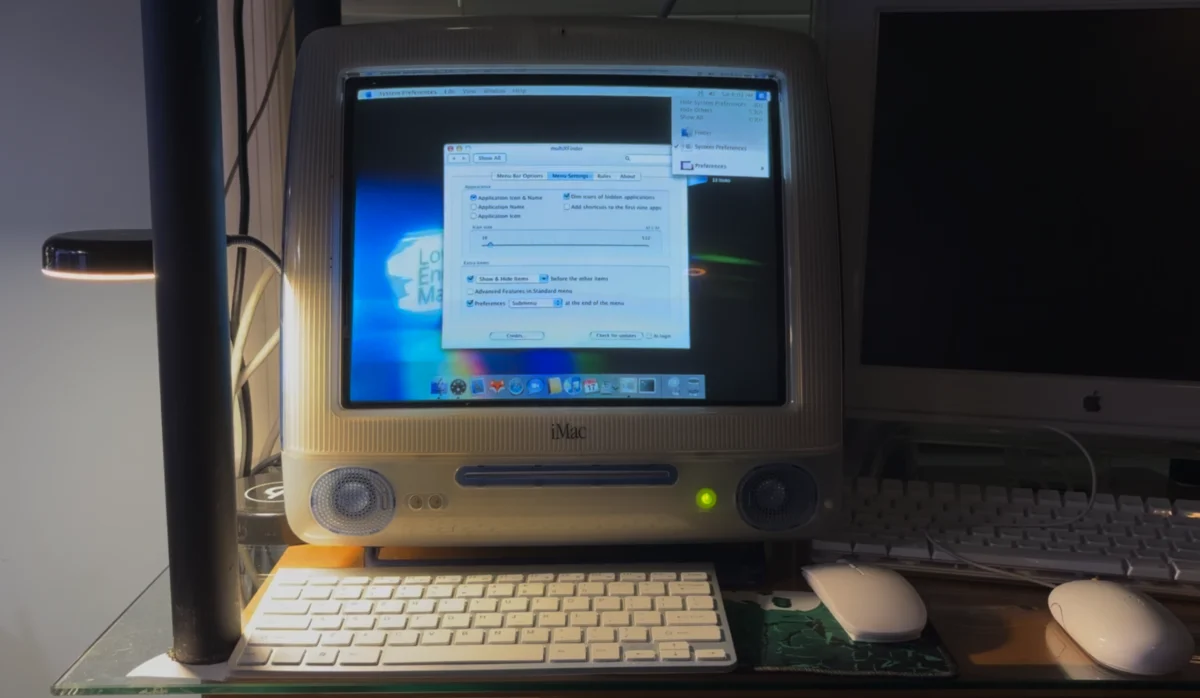
- Target Disk Mode Deployment: Once stabilized, the iBook was immediately utilized to facilitate the maintenance of a 400 MHz FireWire iMac G3. The iBook acted as a host to assist in the configuration of a 500 GB Maxtor hard drive, utilizing specialized software drivers—specifically SpeedTools Hi-Cap—to overcome the native addressable storage limits of the early PowerPC firmware.
Hardware Challenges and Component Longevity
The iBook G3 presents unique maintenance requirements that distinguish it from modern modular laptops. The internal hardware features a thermal pad design rather than traditional thermal paste, which simplifies the maintenance of the processor cooling assembly. However, the display backlight system presents a more significant concern. The intermittent failure of the LCD backlight—a known symptom of aging CCFL (Cold Cathode Fluorescent Lamp) backlights and their associated inverters—suggests that an LED conversion may be required for long-term viability.

Audio output in this generation of hardware also requires technical workarounds. The 3.5mm jack serves dual purposes for both audio and video output. Consequently, modern high-fidelity audio equipment, such as the Beats Studio 3 headset, may produce interference or signal noise unless the connector is positioned with precision. This idiosyncratic hardware behavior serves as a reminder of the non-standardized nature of peripheral connectivity during the transition period of the early 2000s.

Broader Implications for Retro-Computing
The restoration of this iBook is not merely an exercise in nostalgia; it is a practical demonstration of hardware preservation. As the industry moves toward increasingly integrated and non-repairable hardware, machines like the iBook G3 provide a tangible record of computer evolution. The ability to use a 25-year-old machine to restore an even older device, such as the iMac G3, creates a cycle of utility that extends the lifespan of historical computing assets.

The decision to install Mac OS X 10.4 (Tiger) is strategic. Tiger is widely regarded by enthusiasts as one of the most stable and compatible versions of the PowerPC-era operating systems. By maintaining this machine as a dedicated OS X 10.4 environment, the user creates a stable platform for running legacy software that is no longer supported on modern Intel or Apple Silicon hardware.

Institutional and Community Perspectives
While manufacturers have long since moved away from supporting PowerPC architectures, the community of users at events like VCF Midwest continues to drive the development of software patches and hardware adapters. The use of modern mSATA SSDs in 20-year-old laptops is made possible by third-party engineering, illustrating a collaborative ecosystem that sustains older technology long after official support has ceased.

Furthermore, the integration of legacy hardware into modern digital workflows—such as using the iBook as a dedicated jukebox for physical media or a restoration terminal—reflects a growing interest in "digital permanence." By keeping these machines functional, users are preserving the ability to access older file formats and legacy software libraries that might otherwise be lost to bit rot.

Conclusion and Future Outlook
The $10 iBook G3 project at VCF Midwest confirms that with moderate technical expertise and a willingness to source replacement components, early 2000s hardware can remain a functional component of a modern workspace. Future work on this unit will focus on the successful implementation of the mSATA SSD to improve boot times and silent operation, as well as an eventual transition to a Dual Layer DVD drive to enhance the unit’s versatility as a multimedia station.

As the digital divide between legacy hardware and modern software continues to widen, the efforts of enthusiasts to keep these systems operational serve as a critical component of technological preservation. The iBook, having been successfully integrated into the maintenance of a larger vintage Macintosh collection, stands as a testament to the enduring design philosophy of early Apple mobile computing and the persistent ingenuity of the vintage hardware community. Through continued restoration and meticulous component management, these machines remain not just artifacts, but active participants in the modern computing landscape.