 Cecilia Chamidah Nur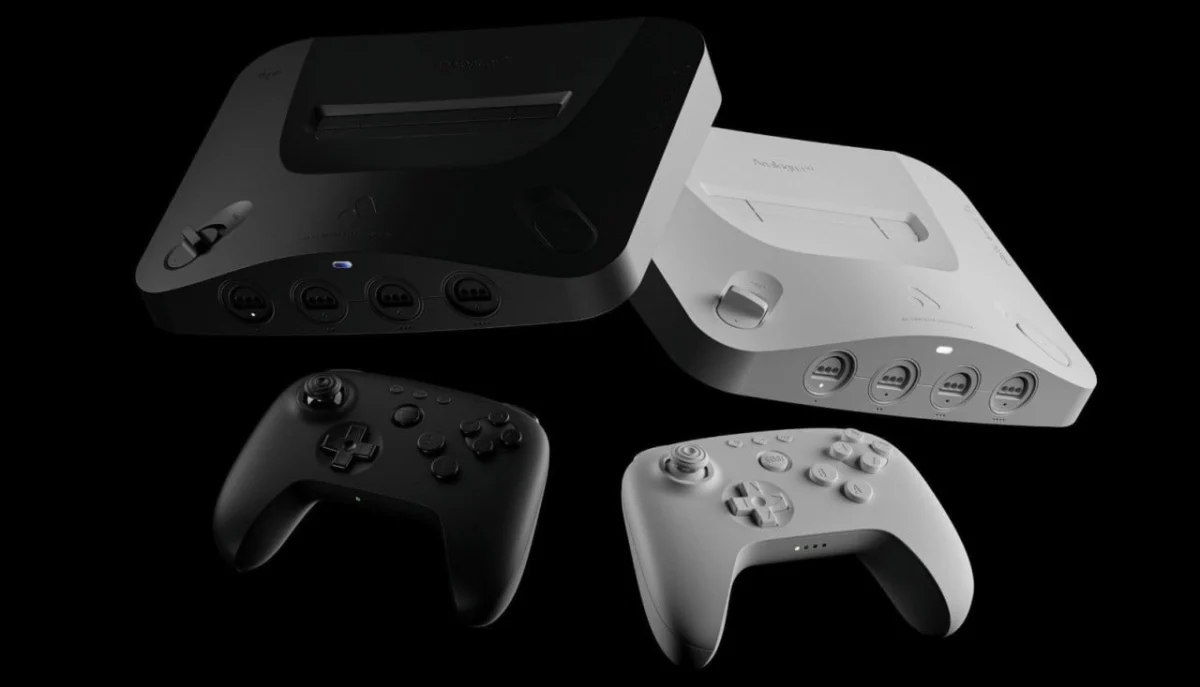
Analogue has officially released firmware update v1.5.1 for the Analogue 3D, its flagship FPGA-based console designed to replicate the Nintendo 64 experience with near-perfect hardware accuracy. This update represents a significant refinement of the console’s user experience, most notably introducing the ability to toggle overclocking features directly from the in-game menu. By allowing users to adjust performance settings without exiting their current session, Analogue has streamlined a process that previously required navigating back to the main system OS, a change that reflects the company’s commitment to iterating on its hardware based on user feedback.
In addition to the refined overclocking controls, the update includes improvements to the library management system, specifically addressing the handling of unidentified cartridges. Users can now manually customize the metadata and labels for unknown games within their physical library, providing a more cohesive and organized interface for those with extensive or obscure collections. This update continues a trend of proactive software support from Analogue, which has positioned the 3D console as the definitive method for playing the Nintendo 64 library on modern display hardware.
Contextualizing the Analogue 3D Ecosystem
The release of firmware v1.5.1 arrives at a critical juncture for retro gaming hardware. The Analogue 3D, which launched to considerable acclaim, utilizes Field Programmable Gate Array (FPGA) technology to replicate the original console’s hardware architecture rather than relying on software emulation. This distinction is vital for purists who prioritize input latency and timing accuracy—two metrics where traditional emulation often falls short.
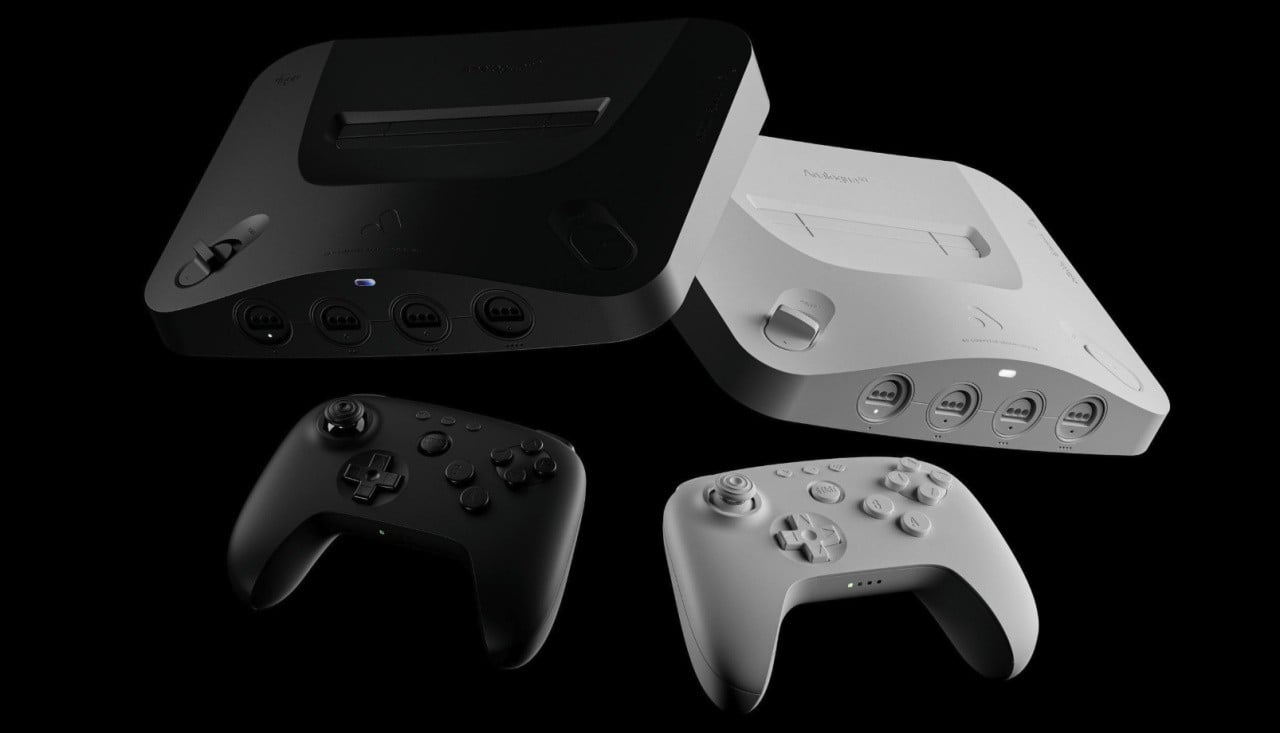
Since the console’s debut, the manufacturer has maintained a rigorous update schedule. The release of v1.5.1 is the latest in a series of patches intended to resolve minor OS instabilities and enhance the "Quality of Life" (QoL) features that define the premium experience the company markets to its audience. The inclusion of in-game overclocking is particularly relevant; many Nintendo 64 titles suffered from erratic frame rates and performance drops during high-action sequences. By allowing users to push the emulated hardware clock speed slightly higher, the Analogue 3D can iron out these performance dips, providing a more stable and fluid experience for titles that struggled on original 1996 hardware.
Chronology of Development and Support
The development cycle of the Analogue 3D has been characterized by a transition from initial hardware stability to iterative software enhancement. Following the initial launch, the company’s support team identified a series of user-requested features that would minimize friction between the hardware and the user.
- Launch Phase: The initial firmware provided the base architecture for HDMI output, 4K resolution upscaling, and support for the original controller port and wireless Bluetooth peripherals.
- Early Updates (v1.1–v1.4): These releases focused on compatibility with a wider range of third-party controllers and initial testing of the overclocking parameters.
- Current Update (v1.5.1): This milestone represents the maturation of the OS, shifting focus from core functionality to user accessibility and library organization.
The shift toward "in-game" adjustments indicates a change in the console’s internal architecture, allowing the system to communicate with the core FPGA state without forcing a full system reboot or a return to the main splash screen. This is a technical hurdle in FPGA development, as preserving the volatile state of the processor while altering frequency parameters requires precise timing to prevent system crashes.
Technical Implications of Overclocking
The ability to toggle overclocking on the fly has significant implications for how players interact with their N64 libraries. On original hardware, games like GoldenEye 007 or Perfect Dark were notorious for dropping into the low teens in frames per second (FPS) when multiple explosions or complex geometry appeared on screen.
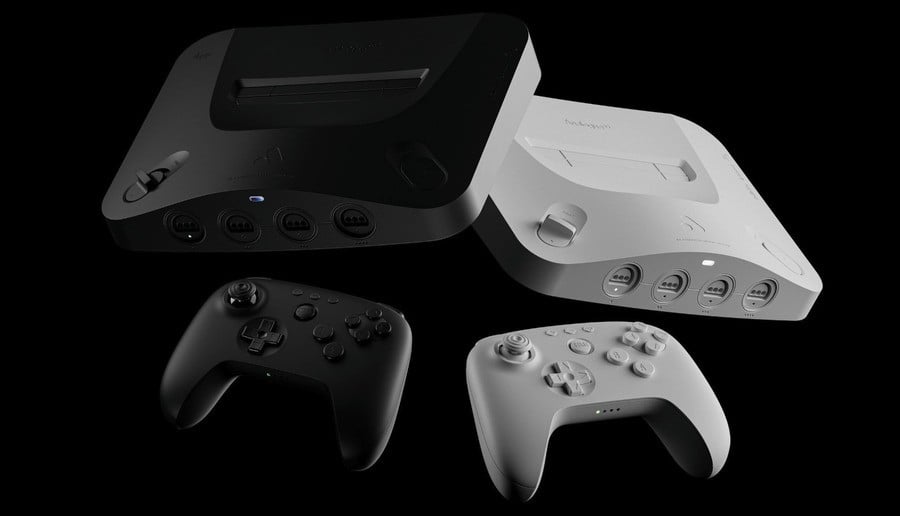
By applying an overclock, the Analogue 3D allows the system to process these intensive sequences with higher efficiency. While this does not technically "remaster" the game, it removes the performance bottlenecks that were limitations of the N64’s MIPS R4300i processor. From an analytical perspective, this makes the Analogue 3D not just a preservation tool, but an enhancement tool. The inclusion of this feature in the v1.5.1 menu suggests that Analogue has successfully stress-tested these higher clock speeds across a wide variety of cartridges, ensuring that the console remains stable even when the original game code was not designed to operate at such speeds.
Library Management and UX Enhancements
The second major pillar of the v1.5.1 update is the enhanced cartridge identification system. Collectors often possess cartridges with damaged labels, homebrew software, or flash-based development carts that the system’s internal database may not immediately recognize.
In previous iterations, these items were relegated to a "generic" or "unknown" folder, which hindered the aesthetic appeal of the console’s digital library. With the new update, users can manually rename and categorize these items. This effectively democratizes the library interface, allowing for a personalized collection view. For a company that markets its hardware as a premium, high-end appliance, this attention to detail is a necessary component of maintaining brand loyalty.
Industry Impact and Market Position
Analogue’s approach to firmware updates is increasingly influencing the retro-hardware market. By consistently providing "living" updates, they have set a standard that competitors in the emulation-box and FPGA-console space are now struggling to meet. The standard practice for many years in the retro gaming community was "set it and forget it" hardware, where a console was released in a final, unchangeable state. Analogue’s strategy mirrors that of modern PC or console gaming, where software support is expected to last for the duration of the hardware’s lifecycle.

From a market perspective, this level of support helps justify the high price point of the Analogue 3D compared to cheaper, software-emulation-based alternatives. When a consumer invests in high-end hardware, the promise of iterative improvement—such as the in-game overclocking introduced in v1.5.1—provides a tangible return on investment. It signals that the hardware is not a static product, but a growing, evolving platform.
Official Responses and Community Feedback
While the company has remained characteristically brief in its official communications, the documentation provided via their support portal outlines a commitment to transparency. By hosting the patch notes publicly, Analogue enables the community to track exactly what has been modified, which is a vital practice for maintaining trust within the technical enthusiast demographic.
Early feedback from the enthusiast community has been largely positive, particularly regarding the ease of use. Discussions on forums and social media platforms indicate that users are particularly pleased with the "seamless" nature of the overclocking toggle, which has been described as a "game-changer" for titles that were previously considered "unplayable" due to poor optimization. The company’s focus on these specific user-requested features suggests that they are actively monitoring community forums and feedback loops to guide their development roadmap.
Looking Toward the Future
As firmware v1.5.1 is integrated into the user base, the conversation among enthusiasts has already shifted toward what might be included in future updates. Common requests include expanded support for high-resolution texture packs, additional display aspect ratio settings, and further refinement of the input latency reduction algorithms.

The success of the Analogue 3D—and the efficacy of its firmware updates—proves that there is a viable, sustainable market for premium retro hardware that respects the original source material while leveraging modern technological advancements to solve its most glaring issues. With the release of v1.5.1, Analogue has solidified its position as the market leader in the high-fidelity retro gaming space, proving that even thirty-year-old hardware can be modernized, organized, and optimized for the next generation of players. For owners of the Analogue 3D, the update is available now through the official support website, and users are encouraged to follow the provided installation instructions to ensure the integrity of their system files.