 Cecilia Chamidah Nur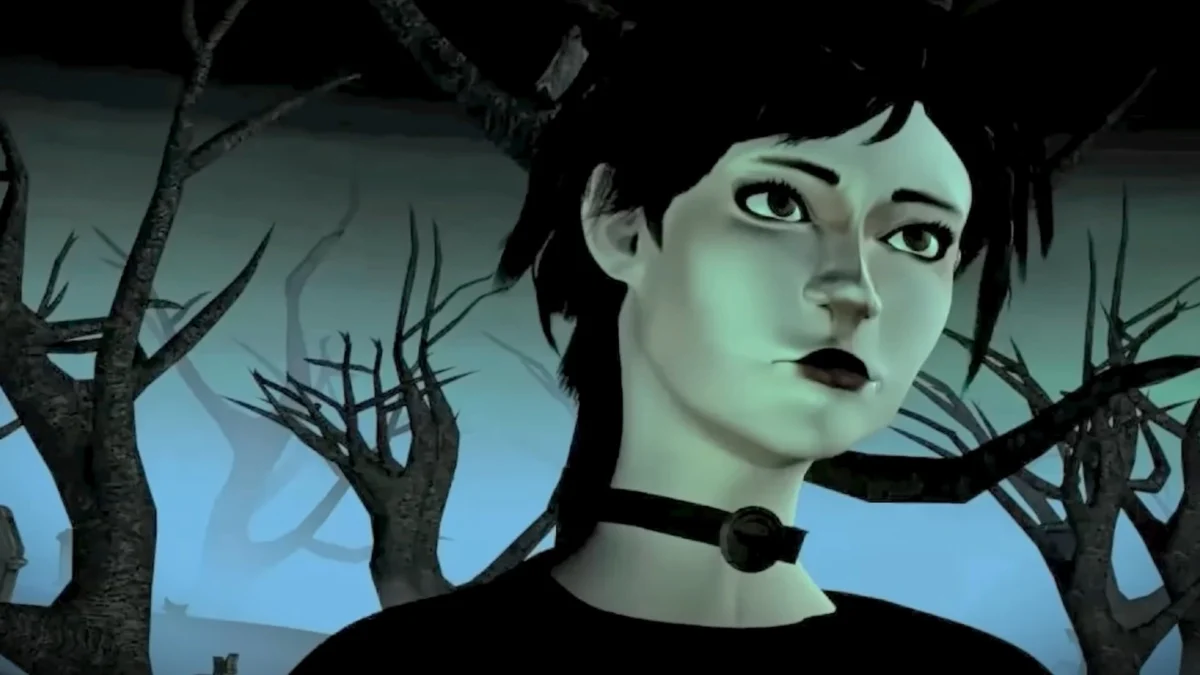
As the autumnal equinox approaches and the evenings begin to lengthen, the gaming industry is bracing for a wave of survival horror titles designed to capitalize on the seasonal appetite for atmospheric dread. Among the most anticipated transitions from the PC platform to home consoles is DreadXP’s Heartworm, a psychological horror project developed by solo creator Vincent Adinolfi. Following a successful debut on Windows PC earlier in 2025, the title is officially scheduled for a multi-platform release on PlayStation, Xbox, and Nintendo Switch on October 1, 2026. This move marks a significant milestone for the title, which has garnered critical attention for its meticulous recreation of 1990s survival horror sensibilities.
The Genesis of a Modern Classic
The development of Heartworm began as a labor-intensive attempt to capture the specific aesthetic and mechanical DNA of late-20th-century survival horror. Adinolfi, drawing heavy inspiration from genre-defining titles such as Capcom’s Resident Evil and Konami’s Silent Hill, aimed to replicate the claustrophobic tension that characterized the era.
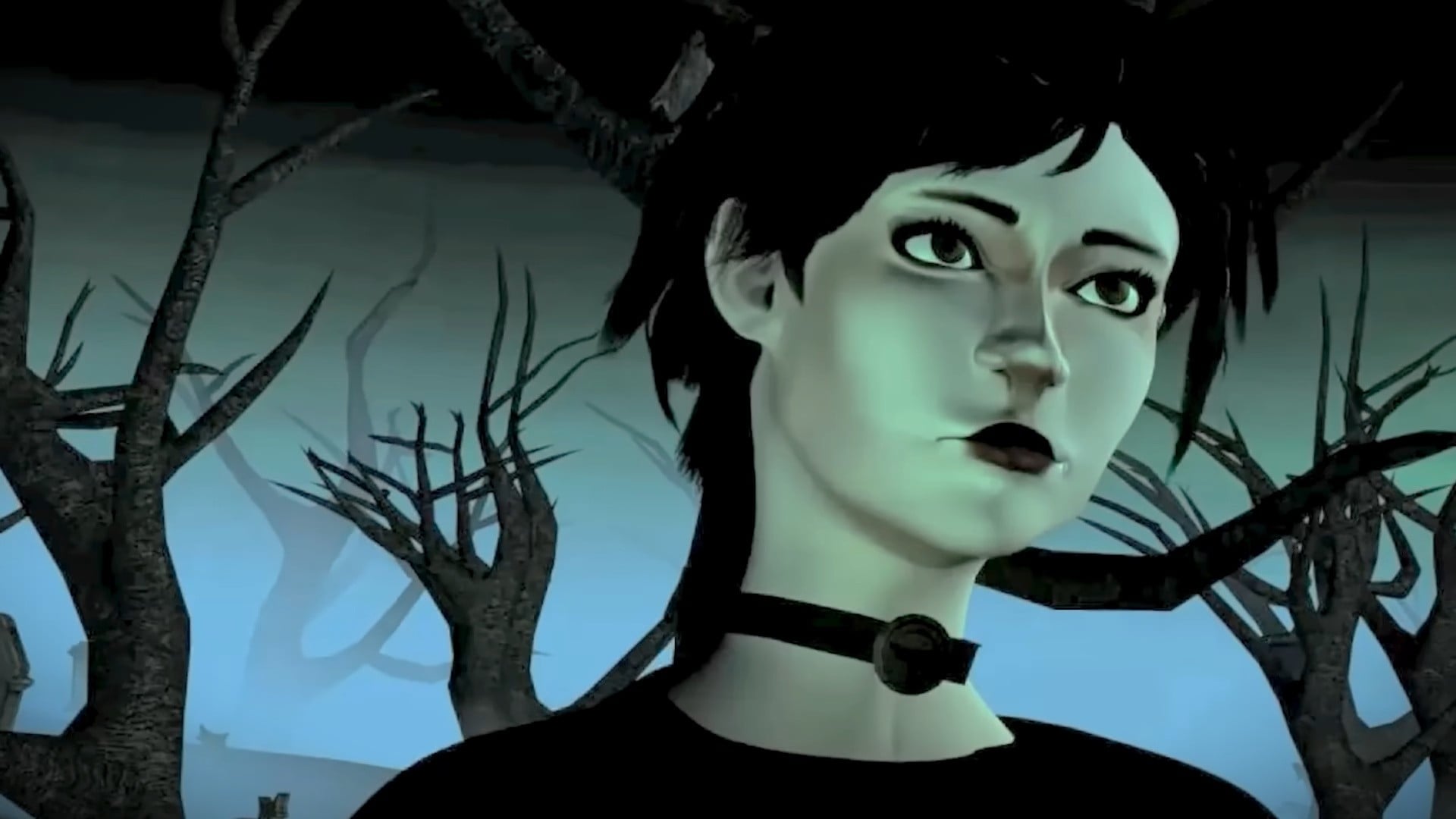
The game’s narrative follows Sam, a young woman grappling with profound grief. Her journey leads her into a mysterious, liminal online world—a digital landscape that serves as an allegory for unrequited connection and the difficulty of letting go. By utilizing fixed camera angles, tank-like movement schemes, and low-fidelity CGI cutscenes, Heartworm functions as a digital time capsule. While modern gaming trends have favored photorealism and high-fidelity performance, Heartworm prioritizes the "uncanny valley" aesthetic, where the imperfections in texture and character animation contribute directly to the player’s sense of unease.
Chronology of the Heartworm Project
The trajectory of Heartworm reflects a growing trend in independent game development, where "retro-modern" titles move from niche PC storefronts to broader console audiences.
- Initial Concept Phase (2020–2022): Vincent Adinolfi began early prototyping, focusing on the engine limitations of the mid-90s to create a authentic "PS1-era" look.
- Announcement and Community Building (2023): As the project gained visibility on social media and independent gaming forums, DreadXP entered the fold as a publisher, providing the necessary infrastructure for a wider release.
- PC Launch (Early 2025): The game arrived on Steam to a positive reception from the horror community. Critics noted that the game stood apart from the saturated "slasher" or "jump-scare" markets by focusing on psychological weight.
- Console Porting Announcement (Mid-2026): Development teams began the technical process of optimizing the game’s unique rendering style for the hardware architecture of current-generation consoles.
- Global Console Release (October 1, 2026): The culmination of the project’s multi-year development cycle.
Technical Analysis and Design Philosophy
The appeal of Heartworm lies in its commitment to a specific era of game design that many developers have moved away from in favor of fluid, over-the-shoulder camera mechanics. In the late 90s, the "fixed camera" system was as much a technical necessity as it was a narrative tool. By restricting the player’s field of vision, developers could hide threats just out of sight, inducing genuine anxiety.

Adinolfi has meticulously balanced these design choices. The game does not merely mimic the limitations of the past; it leverages them to serve a narrative about isolation. According to industry analysis, this "deliberate friction" in gameplay—where movement and camera control are challenging—serves to heighten the stakes of combat and exploration. When a player cannot see the entire room, the threat of an enemy encounter feels personal and unpredictable. Furthermore, the reliance on high-contrast lighting and sound design—often utilizing discordant, low-frequency audio—mirrors the psychological layering seen in classic titles like Silent Hill 2.
Industry Implications: The Resurgence of Retro Horror
The successful transition of Heartworm to consoles is part of a larger, observable shift in the gaming market. Data from independent industry analysts indicates that the "retro-horror" sub-genre has seen a 40% increase in market share over the last three years. Players are increasingly turning to titles that offer a shorter, more condensed, and atmosphere-heavy experience, contrasting with the "live-service" model that dominates much of the mainstream industry.
"The industry is seeing a cycle where developers who grew up playing the classics of the 90s are now the ones creating the games," says gaming analyst Marcus Thorne. "They understand that the technology of the past wasn’t a hindrance; it was a medium for storytelling. By bringing games like Heartworm to consoles, publishers are tapping into a demographic of gamers who prioritize nostalgia and narrative depth over raw graphical output."
Responses from the Publisher and Development Community
DreadXP, the publisher behind the title, has expressed confidence in the console version’s performance. In a brief statement provided during the announcement, the publishing team highlighted the importance of accessibility, noting that bringing the game to Xbox and PlayStation ensures that the title reaches the widest possible audience during the peak horror season.
While the publisher has kept the specific technical details of the console ports close to the vest, it is understood that the team prioritized frame-rate stability to ensure that the "tank controls"—a notoriously difficult mechanic for modern players—remain responsive and intuitive on contemporary controllers.
Broader Impact on Psychological Storytelling
Heartworm is not merely a collection of gameplay mechanics; it is a thematic exploration of grief. In many survival horror titles, the "enemy" is a physical manifestation of a threat—a zombie, a monster, or a stalker. In Heartworm, the monsters act as reflections of Sam’s internal state.

This pivot toward "internalized horror" is significant. It aligns the title with recent critical darlings that focus on mental health, loss, and trauma. By forcing players to interact with a world that is inherently broken and decaying, the game encourages a more contemplative approach to play. Critics who previewed the title during its PC run frequently cited the "emotional toll" of the game’s finale, noting that it deviates from the typical "heroic" conclusions of standard survival games.
Conclusion: What to Expect in October
As the October 1 release date approaches, prospective players should expect a title that demands patience and emotional engagement. Heartworm is not a fast-paced action game; it is a slow-burn experience that benefits from being played in the conditions for which it was designed: dark rooms, low distractions, and an openness to a narrative that prioritizes sadness over shock.
For those who missed the title during its 2025 PC launch, the console release serves as an ideal entry point. With the backing of a publisher like DreadXP and the enduring popularity of the retro-horror aesthetic, Heartworm is poised to be a defining release for the 2026 fall season, reinforcing the idea that the most effective horror stories are those that stay with the player long after the screen goes dark. Whether through the lens of a PlayStation 5, an Xbox Series X, or the portable format of the Nintendo Switch, the transition marks a notable chapter in the ongoing preservation and evolution of the survival horror genre.