 Hartono Sudibyo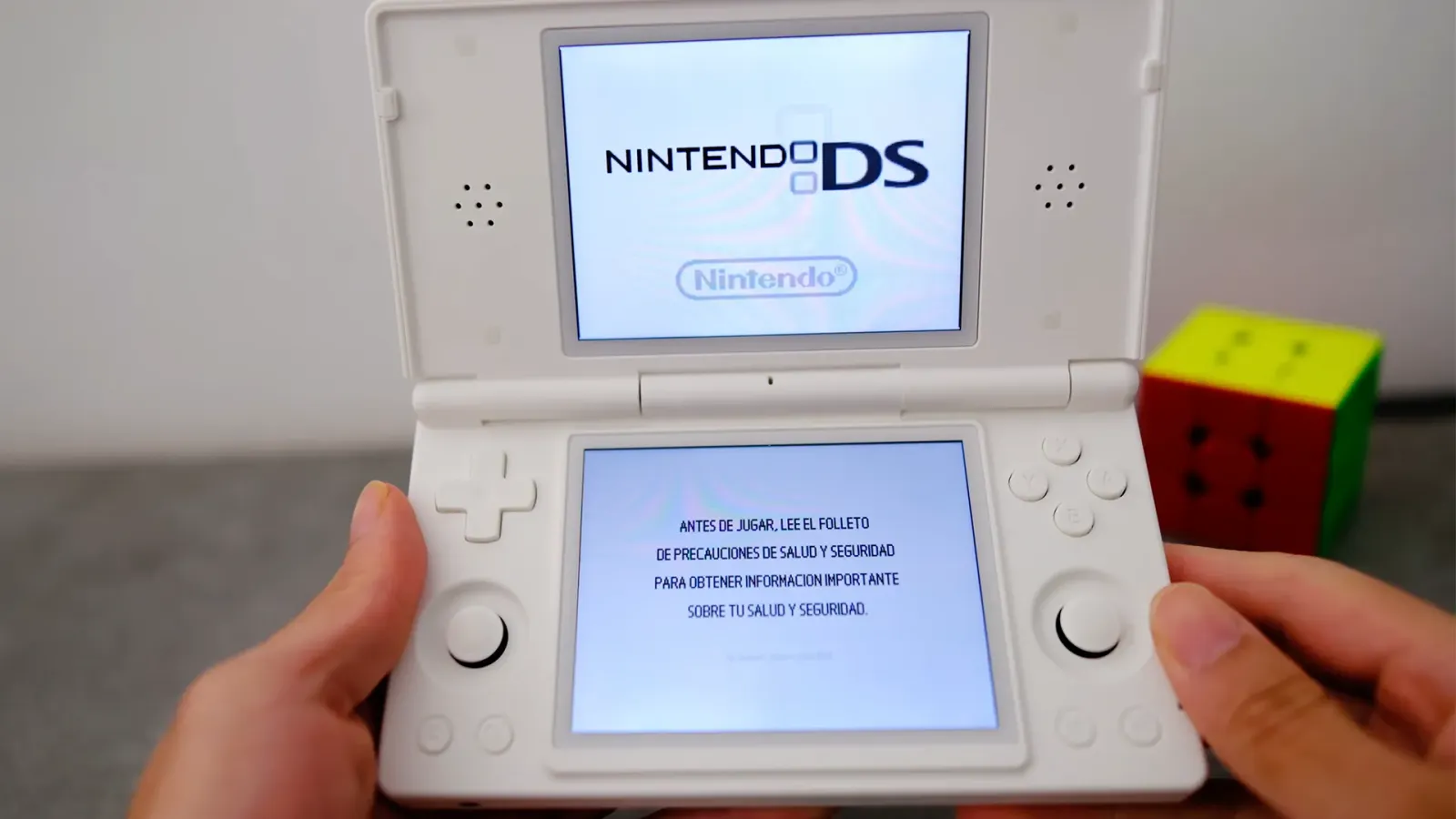
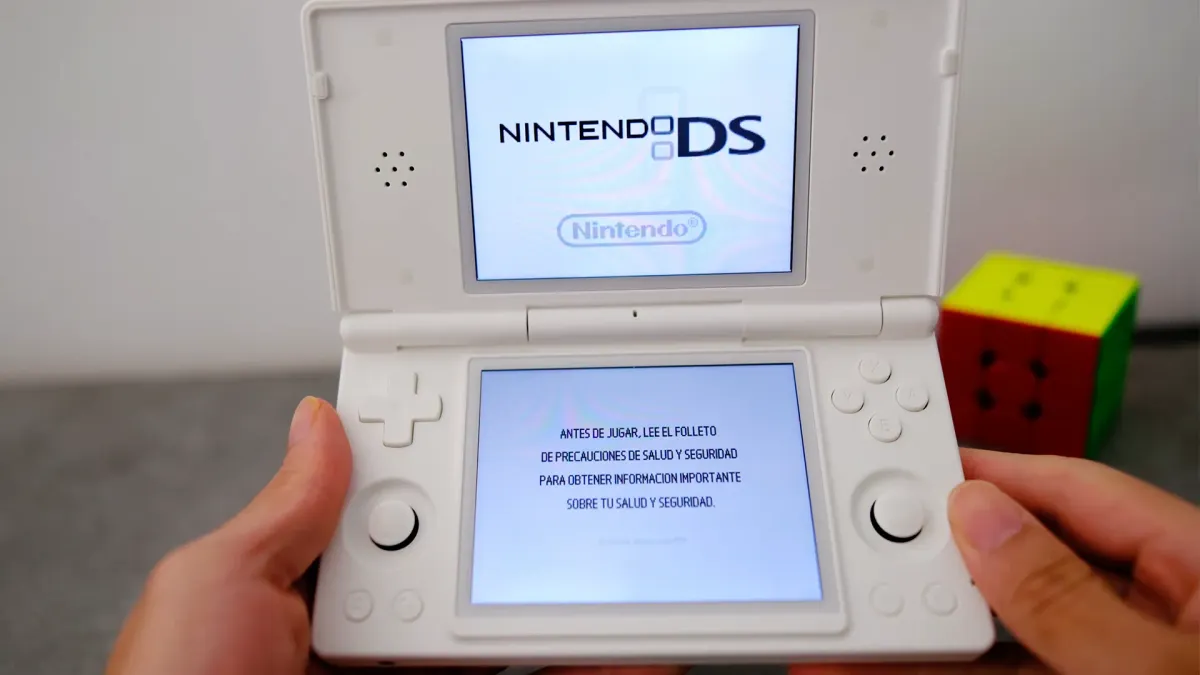
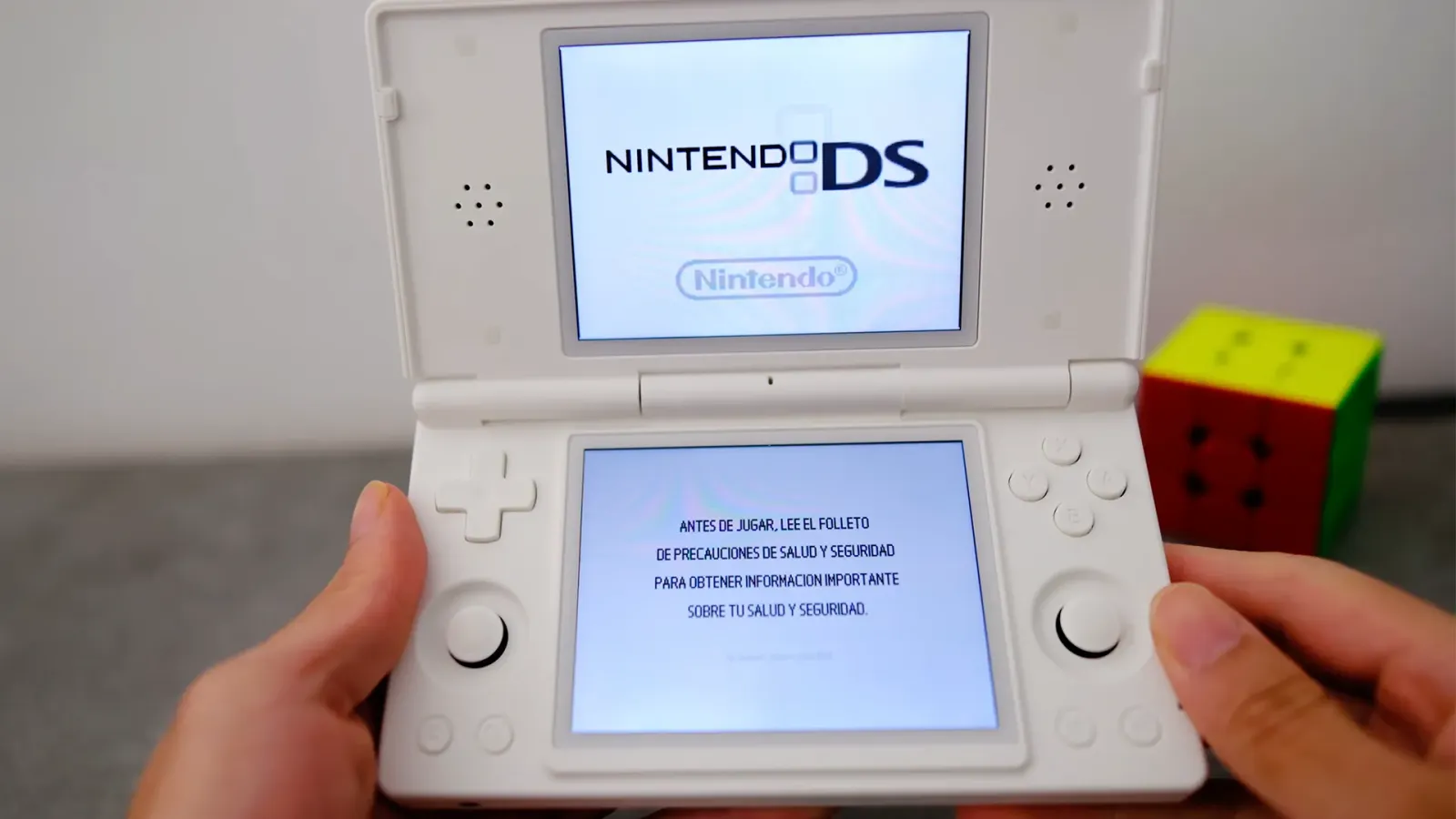
The developer known as Mr. Rubik is preparing a significant update for NitroDeck, an Android application designed to replicate the user interface of the classic Nintendo DS. This upcoming release, scheduled to roll out within the next one to two weeks, specifically targets dual-screen Android handheld devices, with primary testing conducted on the ANBERNIC RG DS. While single-screen smartphones have previously been able to utilize the software, this development marks a transition into tailoring interface design for hardware mimicking clamshell, multi-display configurations reminiscent of vintage Nintendo hardware.
NitroDeck is currently available as a free download on the Google Play Store. The upcoming patch aims to refine the software layout to natively support dual screens, positioning it as a distinct entry in the niche market of retro-gaming user interfaces on Android.
Chronology of Developer Milestones and Interface Projects
Mr. Rubik has established a prominent digital footprint through the creation of software that emulates legacy console operating systems on modern mobile architecture. The developer’s trajectory reflects a steady expansion of platform-specific launchers:
- PlayStation 2 (PS2) Launcher: Introduced a vintage Sony aesthetic to standard Android screens, focusing on memory card management styles and startup sequences.
- Nintendo Wii U Launcher: Brought dual-screen concepts from Nintendo’s home console era to mobile displays.
- PlayStation Portable (PSP) / PS Vita Launchers: Mimicked the iconic XrossMediaBar (XMB) and handheld menus associated with Sony’s portable lineup.
- Nintendo DS / DSi Launcher (NitroDeck): Initially deployed for single-screen devices, the software has evolved to feature localized ROM management and authentic boot-up sequences.
- Dual-Screen Handheld Adaptation (Upcoming): The forthcoming update expands compatibility to specialized hardware like the ANBERNIC RG DS, utilizing dual physical displays to mirror the classic dual-screen experience.
Technical Features and Integration of Emulation Ecosystems
The NitroDeck application functions primarily as a custom home screen replacement. Rather than serving as an independent emulator, it acts as an organized frontend that consolidates disparate Android emulators and local game files into a unified, controller-friendly interface.
According to documentation provided by the developer, the core functionality of NitroDeck includes:
- Catalog Management: Fast searching and categorization of installed applications and local media.
- Game Cartridge Section: A dedicated visual interface for launching ROMs and coordinating with underlying emulation software.
- Authentic Audio-Visual Assets: Incorporation of classic Nintendo DS boot sequences, chime audio, and layout configurations.
- Peripheral Support: Navigation optimized for touchscreen inputs, physical keyboards, and dedicated handheld gamepads.
- Customization Tools: Capabilities for custom app icon mapping, notification badges, haptic feedback adjustment, and settings backup export.
Hardware Context: The ANBERNIC RG DS and Dual-Screen Android Devices
The decision to update NitroDeck for dual-screen environments coincides with a broader hardware trend within the retro-handheld community. Manufacturers have increasingly explored clamshell designs and secondary display integrations to better support emulators for systems like the Nintendo DS and 3DS, which traditionally relied on simultaneous viewing of two screens—one for gameplay and one for inventory, maps, or auxiliary touch controls.

Devices such as the ANBERNIC RG DS bridge the gap between vintage emulation needs and modern Android processing power. While standard Android smartphones can run DS emulators (such as MelonDS or Desmume) via split-screen modes, dedicated dual-screen handhelds provide the physical form factor necessary to fully replicate the ergonomic and visual aspects of the original hardware. The integration of a launcher tailored specifically to these physical layouts eliminates the cumbersome configuration often required when running standard Android launchers on non-standard screen ratios.
Intellectual Property Considerations and Ecosystem Tolerance
The software developed by Mr. Rubik operates in a complex legal and technical space regarding intellectual property. By closely replicating proprietary user interfaces, boot sounds, and aesthetic layouts associated with Nintendo’s hardware, NitroDeck pushes against conventional copyright and trademark boundaries.
Despite the clear visual similarities to official firmware, the application has maintained availability through the official Google Play Store. Industry observers note that while platform holders like Nintendo are notoriously protective of their intellectual property—frequently issuing takedown notices or pursuing legal action against emulators and ROM distribution sites—frontends and aesthetic launchers often occupy a gray area. Because NitroDeck functions as an interface layer rather than containing proprietary BIOS files or copyrighted game ROMs directly within the base download, it has thus far avoided platform-wide bans.
Broader Impact on the Retro-Gaming Community
The emergence of specialized launchers like NitroDeck highlights the growing sophistication of the Android retro-gaming ecosystem. As portable hardware becomes more capable of emulating complex sixth- and seventh-generation consoles, user experience (UX) design has become a primary differentiator for enthusiasts.
Standard Android operating systems are optimized for productivity, media consumption, and general mobile applications, making them inherently unsuited for pure gaming handhelds without significant modification. Frontends provide a console-like experience, allowing users to bypass traditional desktop environments entirely. With the inclusion of native dual-screen support, developers are signaling that mobile emulation is moving past simple software porting toward holistic hardware simulation.
The forthcoming update for NitroDeck is anticipated to be released via the Google Play Store within the coming weeks. While questions regarding long-term intellectual property enforcement and the reliance on automated development tools remain points of discussion among tech analysts, the immediate effect will be a more streamlined, nostalgic configuration option for owners of modern dual-screen Android gaming devices.