 Retno Hari Mulyono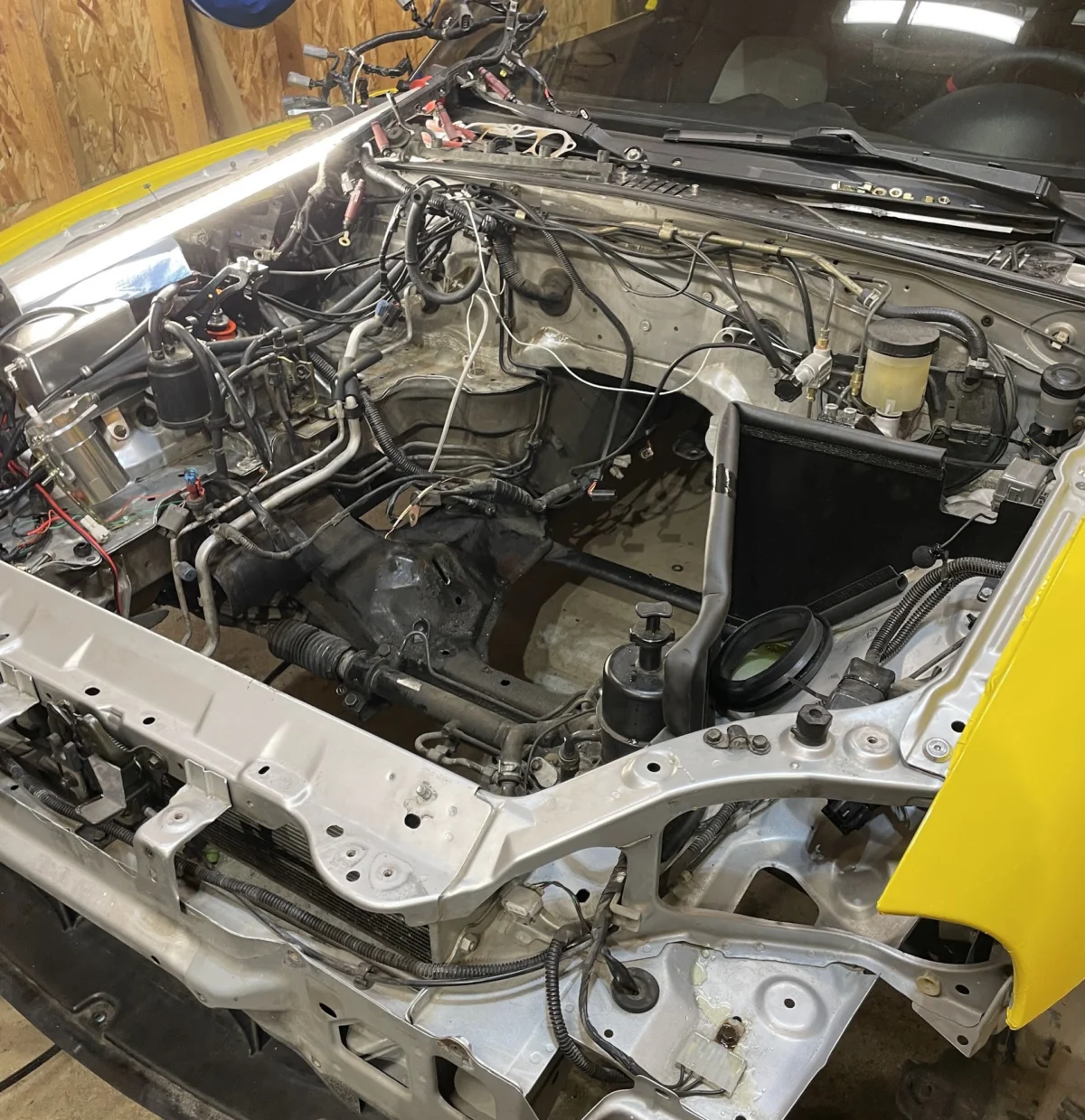
Winter maintenance cycles for enthusiast-oriented sports cars often escalate beyond routine fluid changes and minor cosmetic repairs into comprehensive mechanical overhauls. This is particularly true for platforms with extensive aftermarket support and a dedicated grassroots following, such as the second-generation (NB) Mazda MX-5 Miata produced between 1999 and 2005. While individual component failures—ranging from persistent oil leaks to cooling inefficiencies—can often be mitigated in situ, the cumulative wear of multiple interconnected systems frequently justifies a complete powertrain extraction to optimize efficiency, accessibility, and long-term reliability.
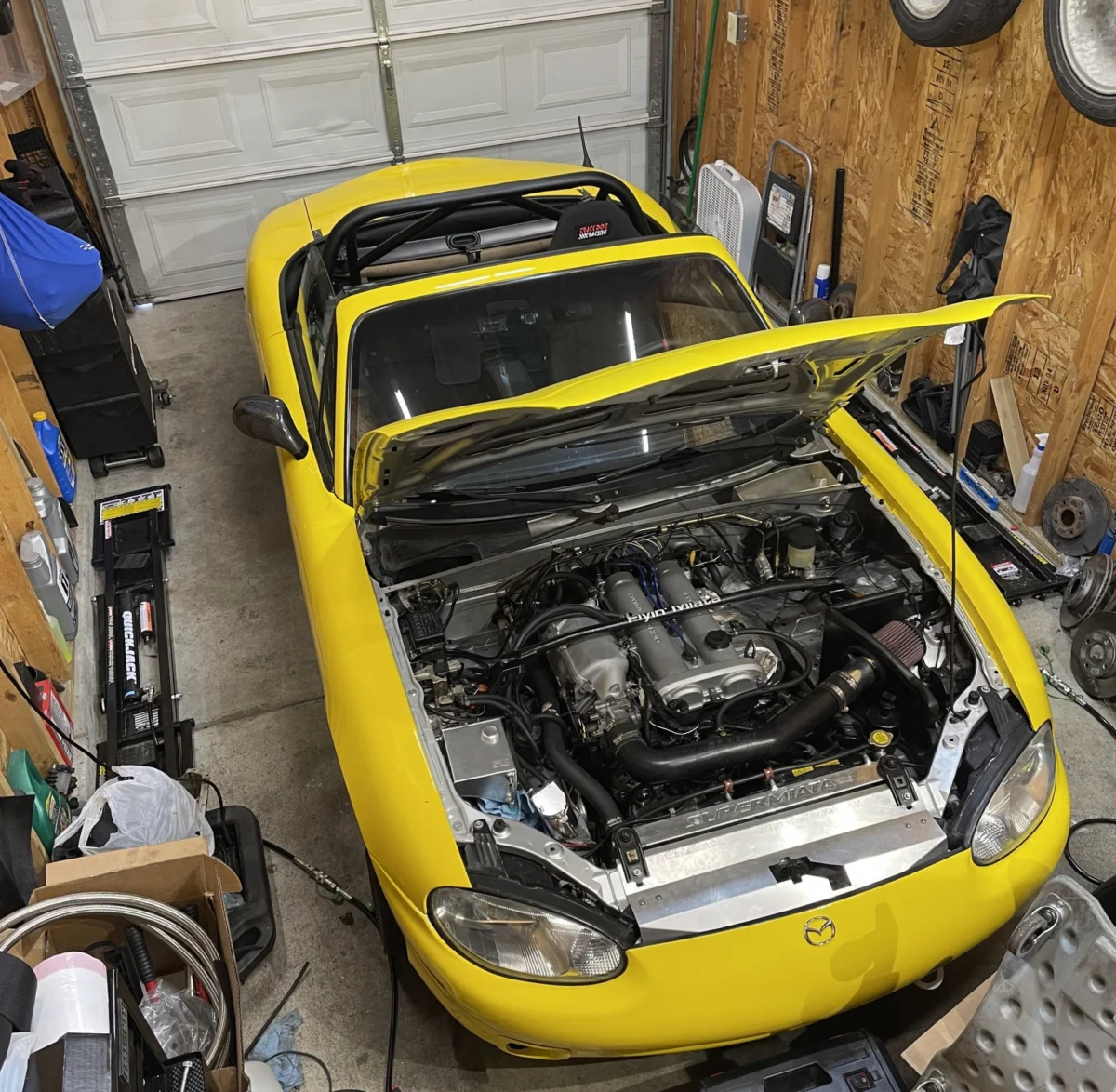
The scope of a comprehensive winter garage project on a 2000 Mazda MX-5 Miata recently highlighted the complexities, technical hurdles, and iterative troubleshooting processes inherent in maintaining high-mileage vintage sports cars. By pulling the engine and transmission assembly as a single unit, the project sought to concurrently address persistent crankcase leaks, clutch degradation, oil pan thread damage, thermal management inefficiencies, and volumetric efficiency restrictions.
Main Facts and Project Scope
The primary impetus for extracting the 1.8-liter BP-4W engine from the chassis was the compounding nature of several minor mechanical ailments. Chief among these was a progressively worsening rear main seal leak that obscured accurate oil consumption monitoring. Because Mazda’s classic B-series and BP engine architectures share a notorious propensity for external lubrication weeping from various gaskets and seals—reminiscent of vintage British roadsters—addressing a single leak without resolving adjacent vulnerability points yields diminishing returns.
The operation encompassed a full powertrain removal, execution of targeted preventative maintenance, and strategic performance upgrades. Key operational steps included:
- Extraction of the engine and manual transmission assembly through the engine bay aperture.
- Replacement of the rear main crankshaft seal and auxiliary transmission input and output shaft seals.
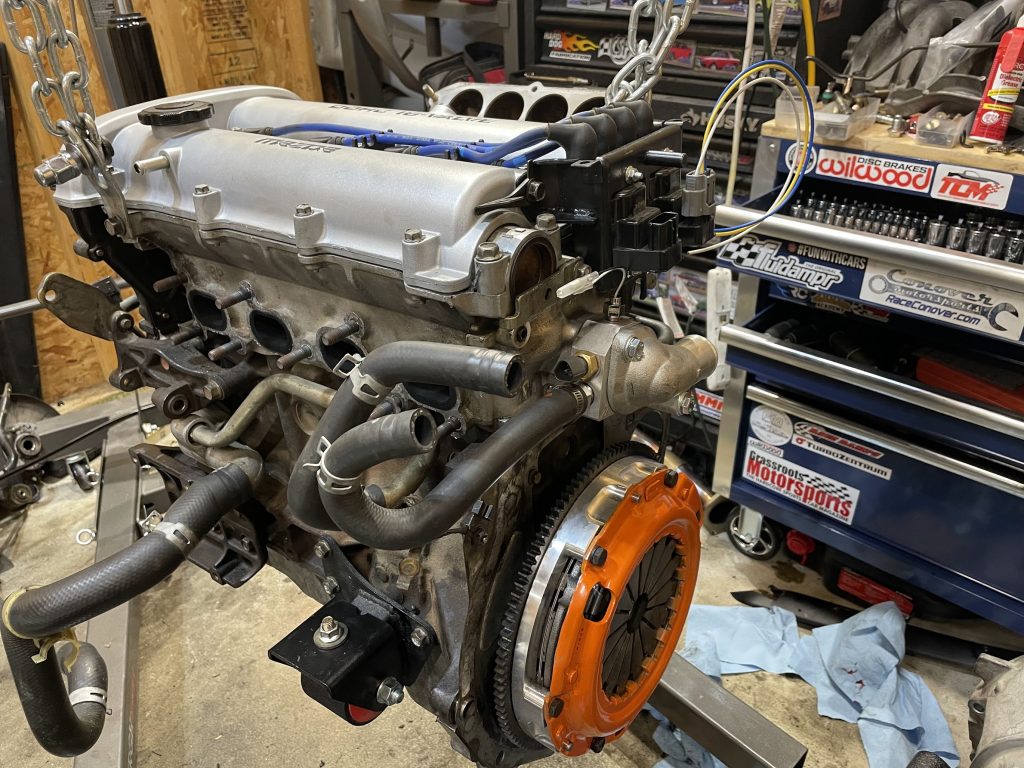
- Installation of an organic sport clutch paired with a lightweight aluminum flywheel to improve rotational mass dynamics.
- Replacement of a stripped oil pan and rectification of auxiliary casting flaws.
- Integration of a rear-biased coolant routing modification to optimize thermal distribution across the cylinder block.
- Adoption of an international-spec (EUDM/JDM) flat-top intake manifold to enhance high-RPM volumetric efficiency.
Chronology of the Winter Overhaul
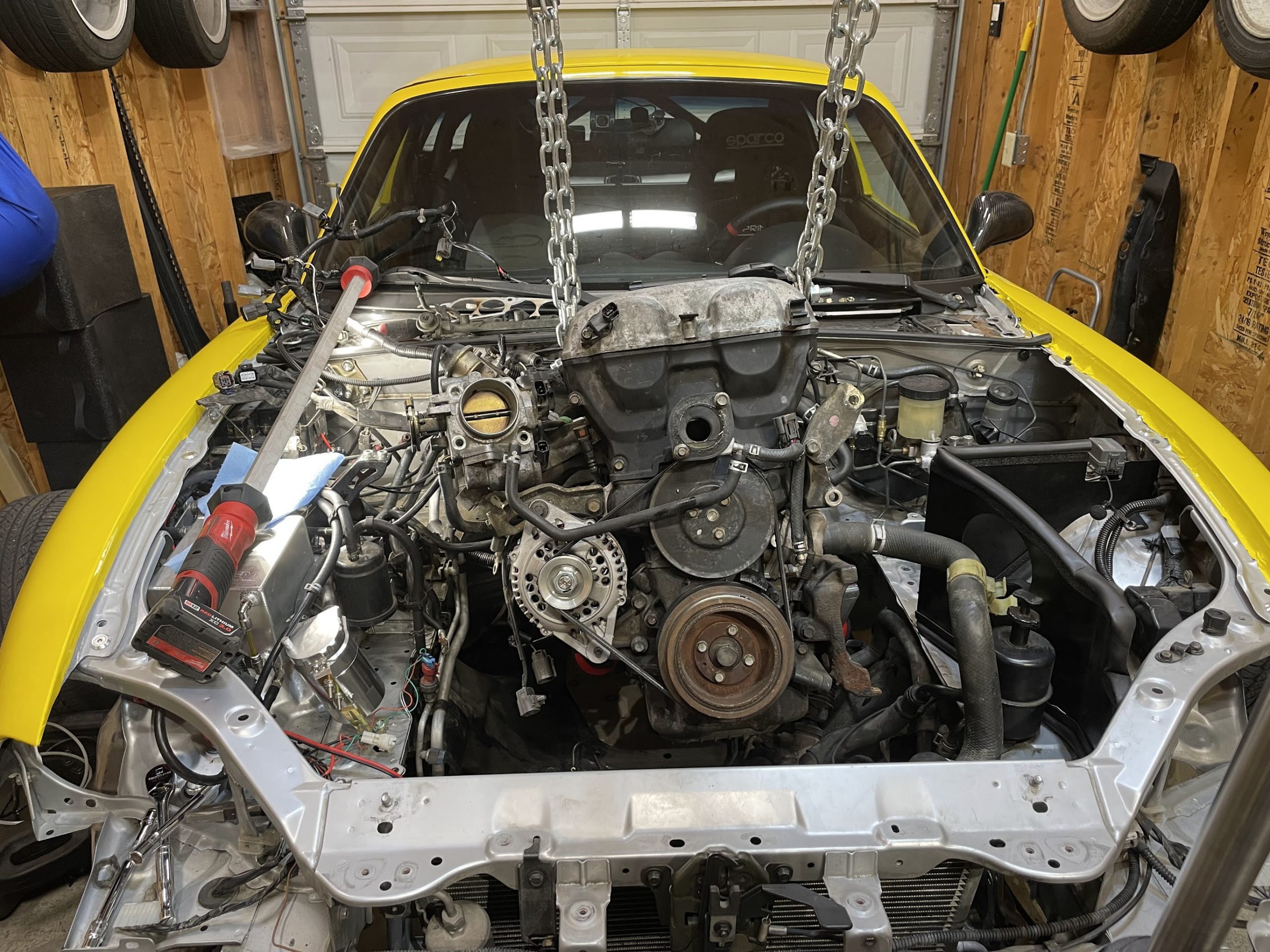
The overhaul commenced at the onset of the winter off-season, utilizing standard enthusiast garage equipment centered around a hydraulic engine hoist. Extraction of the powertrain proved structurally straightforward. Disconnecting the primary electrical harnesses, cooling lines, exhaust coupling, and driveshaft permitted the combined engine and transmission unit to be lifted cleanly from the top of the vehicle.
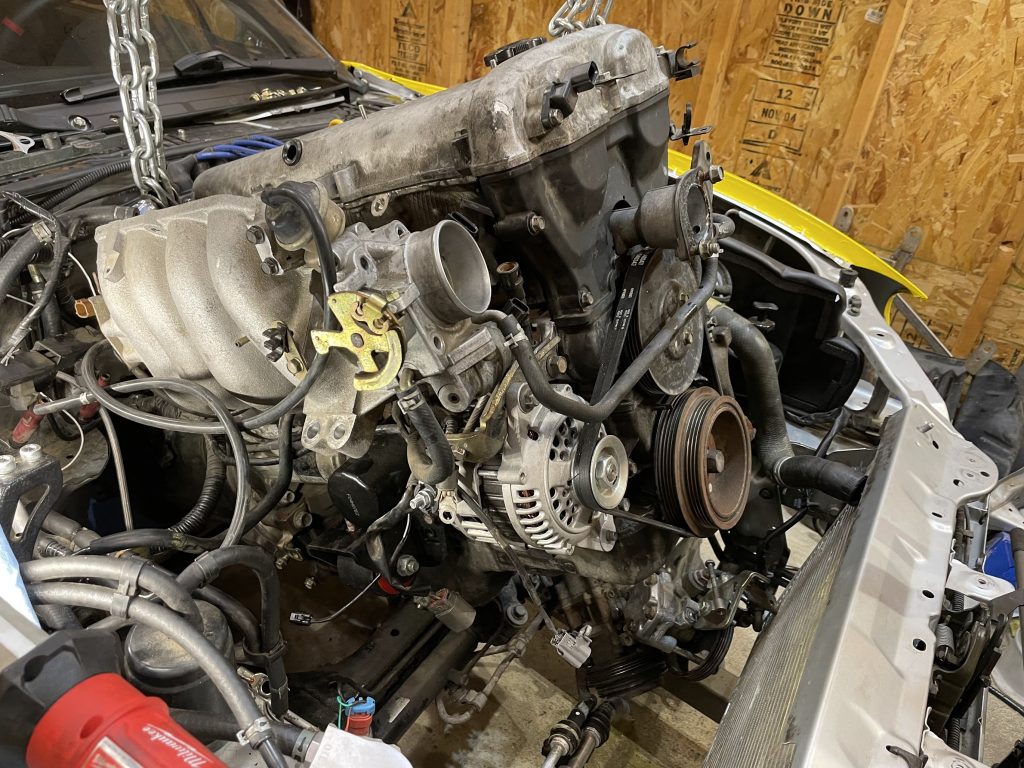
Reinstallation demanded considerably higher precision, specifically regarding the alignment of the transmission housing and engine mounts with their respective chassis crossmember receptacles. The decision to remove the engine and transmission simultaneously, while efficient for bench access, added dimensional bulk during the re-entry phase.
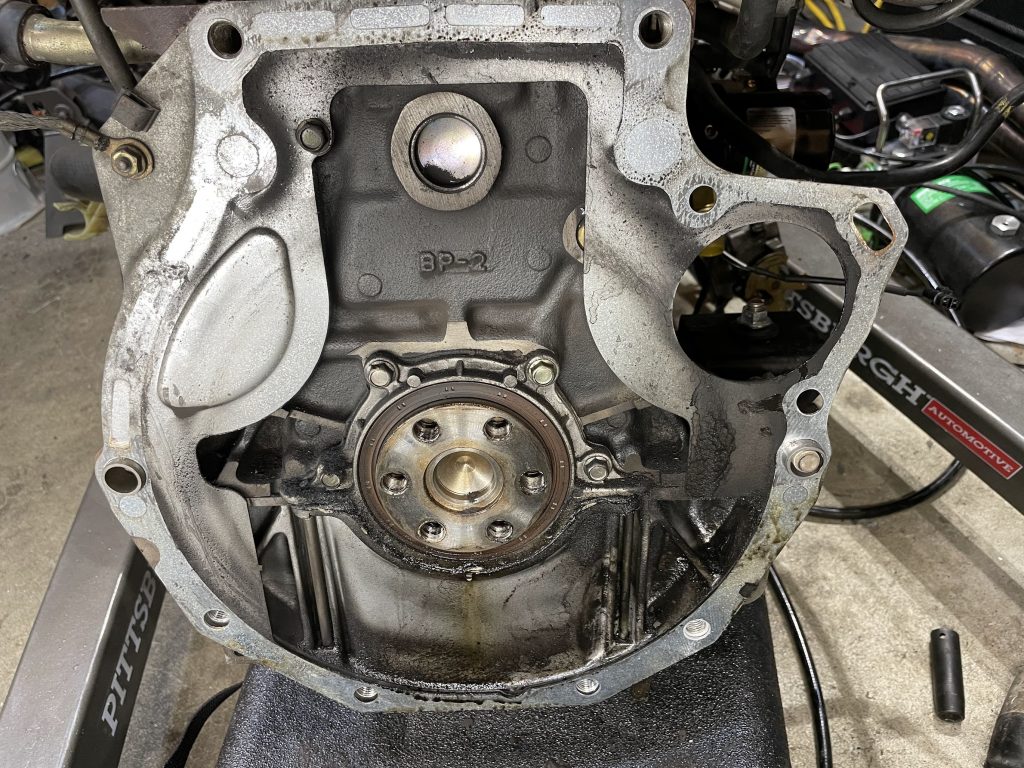
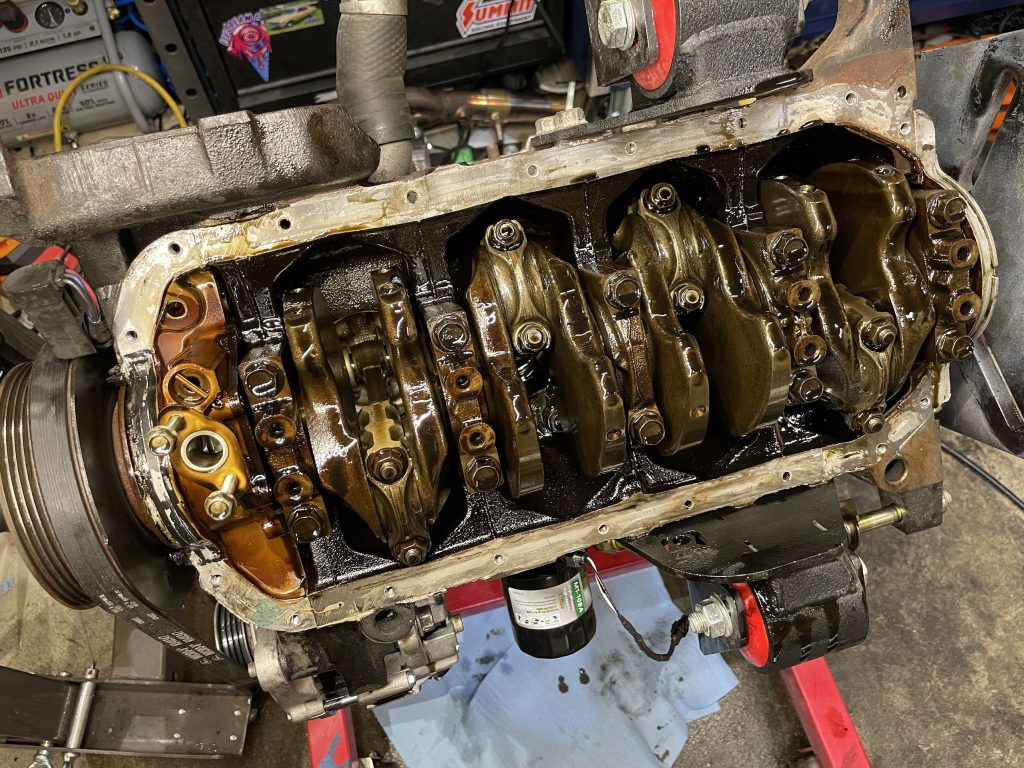
Following extraction, the project moved into the sealing and transmission servicing phase. Technicians utilized specialized tooling—specifically a dedicated second-generation rear main seal installation driver—to seat the new crankshaft seal to precise factory-mandated depths. Attention then shifted to the oil pan. Due to previous thread stripping that had necessitated a conical self-tapping emergency drain plug, the original pan was discarded in favor of an undamaged used component. The removal process required separating the internal baffle plate, which is sandwiched between the aluminum engine block and the oil pan using high-strength Room Temperature Vulcanizing (RTV) silicone sealant. An oversight during this delicate separation phase resulted in minor mechanical distortion of the baffle plate, underscoring the necessity of methodical chemical gasket breaking rather than physical prying.
Thermal management modifications followed the bottom-end servicing. The factory cooling system was upgraded with an aftermarket aftermarket coolant spacer kit designed to relocate the thermostat from the front of the engine to the rear. Because the B-series engine family was originally engineered by Mazda for a transverse layout in front-wheel-drive platforms, the water pump and thermostat were positioned at the front of the block during longitudinal conversion. This configuration leaves the rearmost cylinders (specifically cylinder four) prone to localized thermal saturation under sustained heavy loads. Relocating the thermostat to the rear re-establishes cross-flow cooling consistency, a modification widely adopted in competitive autocross and track-day applications.
Intake optimization concluded the mechanical modifications. The vehicle’s original Variable Intake Control System (VICS) manifold was superseded by a fixed-geometry European and Japanese market (EUDM/JDM) "flat-top" intake manifold. This swap eliminated the need for electronic VICS actuator calibration via a standalone engine management system while providing superior runner geometry designed to sustain volumetric efficiency in the upper RPM ranges typical of closed-circuit motorsport use.
Supporting Data and Technical Analysis
The economic and mechanical rationale for pulling an entire Miata powertrain for ancillary seal replacement rests on labor hours versus accessibility. Industry benchmarks indicate that replacing a rear main seal with the transmission dropped in the car requires approximately four to six hours of labor spent working in restricted under-car confines. Conversely, a complete engine removal on an NB Miata can be accomplished by a single experienced mechanic in roughly four to five hours, opening a wide window for concurrent service items.
- Clutch and Flywheel Dynamics: The replacement clutch assembly utilized an organic friction disc rated for moderately increased torque output alongside a 9-pound aluminum flywheel. Compared to the factory cast-iron flywheel—which typically weighs between 18 and 21 pounds depending on the specific model year—the lightweight aftermarket unit reduces rotational inertia by over 50%. This reduction allows the engine to accelerate and decelerate more rapidly, facilitating faster rev-matching during aggressive downshifts.
- Cooling System Thermal Deltas: Data compiled from similar B-series coolant reroute installations indicate a drop of 10 to 15 degrees Fahrenheit in peak coolant temperatures under track conditions, directly mitigating the historical heat concentration gradient between the front and rear cylinders of longitudinal BP engines.
- Manifold Flow Characteristics: While the VICS manifold optimizes mid-range torque through dual-stage runner lengths, the EUDM/JDM flat-top manifold offers superior cross-sectional volume optimized for peak horsepower delivery above 5,000 RPM, aligning with the operational envelope of a dedicated track or spirited street build.
Post-Installation Challenges and Quality Control
Post-project evaluation revealed both successes and critical diagnostic anomalies. While the upgraded clutch successfully bedded in after an initial break-in period—restoring smooth pedal modulation and reducing rotational drag—subsequent mileage accumulation exposed durability issues typical of project-car fabrication.
Approximately 500 miles following the reinstallation of the powertrain, a localized oil accumulation reappeared at the rear of the engine block. Although significantly reduced in volume compared to the pre-overhaul leak, the recurrence points to potential installation error during the rear main seal seating process, minor imperfections on the crankshaft sealing journal, or secondary leakage from the oil pan’s rear flange interface.
Concurrently, a hairline crack discovered on the front oil pan flange post-installation—initially remediated using structural two-part epoxy—emphasizes the risks associated with utilizing second-hand aluminum castings that may have suffered undisclosed thermal or mechanical fatigue in their prior service life.
Broader Impact and Industry Implications
The experiences documented during this NB Miata overhaul reflect broader trends within the automotive enthusiast community, where aging modern-classic platforms require increasingly holistic restoration strategies. As the newest NB-generation Miatas approach two decades of continuous operation, original equipment rubber seals, gaskets, and plastic cooling components have exceeded their engineered thermal fatigue lifecycles.
The widespread availability of specialized aftermarket tooling—such as precision seal installers and purpose-built cooling reroute kits—has democratized advanced mechanical work, enabling hobbyists to perform dealership-level operations in domestic garage environments. However, the recurring nature of vintage oil leaks demonstrates that mechanical interventions on high-mileage powerplants frequently necessitate iterative troubleshooting, contingency planning, and readiness for secondary disassembly.
To mitigate vehicle downtime during future diagnostic cycles, precautionary measures have already been initiated, including securing a verified low-mileage imported BP-4W replacement motor from specialized European suppliers. This proactive stance ensures long-term operational continuity for the chassis, insulating the project from catastrophic internal component failures while providing a stable platform for upcoming structural safety enhancements and comprehensive ownership milestone evaluations.