Retno Hari Mulyono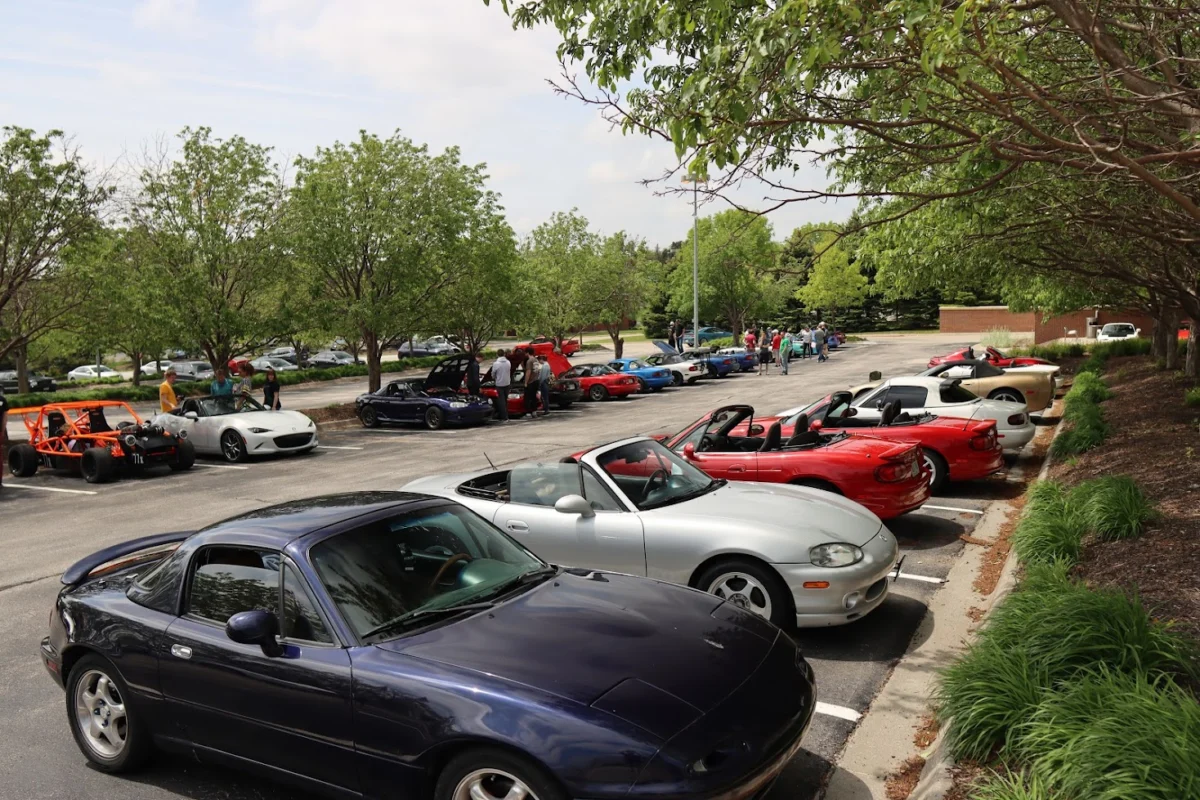
The automotive aftermarket and enthusiast community frequently debate the ideal entry point for grassroots motorsports, yet consensus repeatedly centers on a singular platform: the Mazda MX-5 Miata. Introduced to global markets in 1989 and evolving through successive generations, the lightweight roadster has become a ubiquitous fixture in autocross and track day paddocks. On March 19, 2021, a 2000 Mazda MX-5 Miata (commonly designated as the NB generation) was acquired to serve as a dedicated project vehicle. Over the subsequent twelve months, the vehicle underwent a comprehensive transformation, transitioning from a neglected daily driver into a track-ready machine equipped for competitive driving events. This retrospective examines the chronological progression of the build, detailing the extensive baseline maintenance, aesthetic overhauls, performance upgrades, and safety implementations undertaken between March 2021 and February 2022.
Background Context and the Appeal of the NB Platform
Manufactured from 1998 through 2005, the NB-generation Miata bridges a crucial era in automotive history. Retaining the analog purity, low curb weight, and responsive chassis dynamics of the original NA generation, the NB incorporated stiffer chassis bracing, improved aerodynamics, and refined interior ergonomics while avoiding the heavy electronic driver aids and complex safety architectures inherent in modern passenger vehicles.
Propelled by a naturally aspirated 1.8-liter BP4W engine featuring sequential valve timing (on non-US models) and a solid variable intake runner design, the stock platform produces approximately 140 horsepower. While straight-line acceleration is modest, the vehicle’s true capability lies in its power-to-weight ratio, double-wishbone suspension geometry, and exceptional modularity. These attributes make the NB generation an economically viable and mechanically accessible platform for amateur racing enthusiasts seeking hands-on technical experience.
Chronological Timeline of Ownership and Modifications
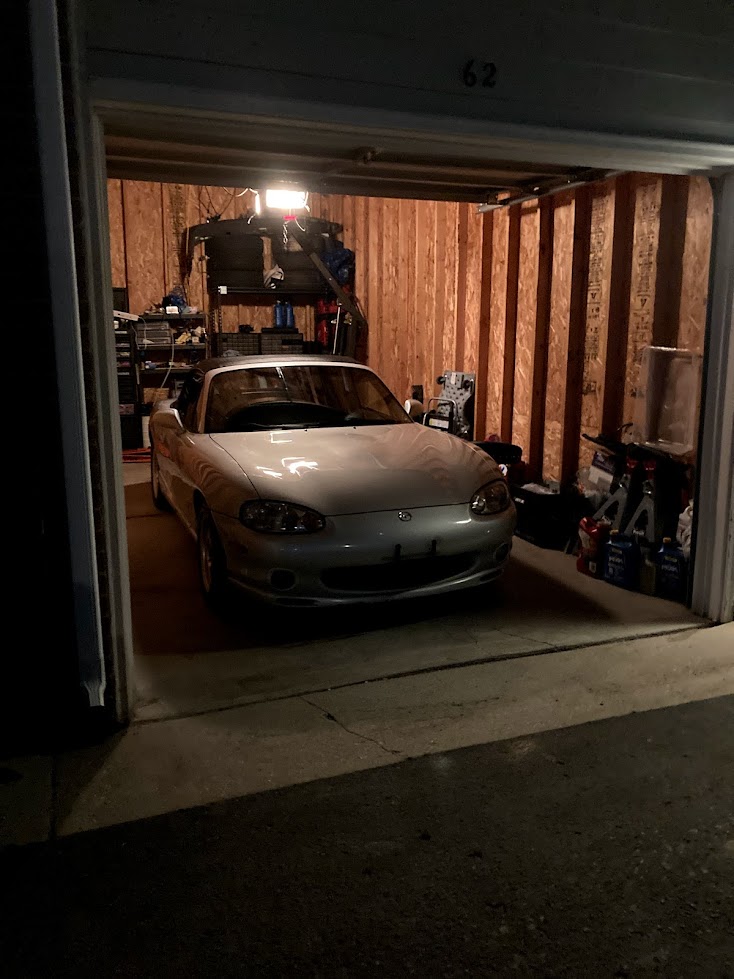
The initial phase of ownership, spanning from March 2021 through February 2022, was categorized by systematic phases of evaluation, repair, cosmetic personalization, and functional performance enhancement.
Phase 1: Acquisition and Baseline Maintenance (March – April 2021)
Upon acquisition on March 19, 2021, the 2000 Miata lacked a documented service history. Industry standard protocol for enthusiast vehicle acquisition dictates comprehensive baseline maintenance prior to the initiation of high-stress driving maneuvers such as track days or competitive autocross.
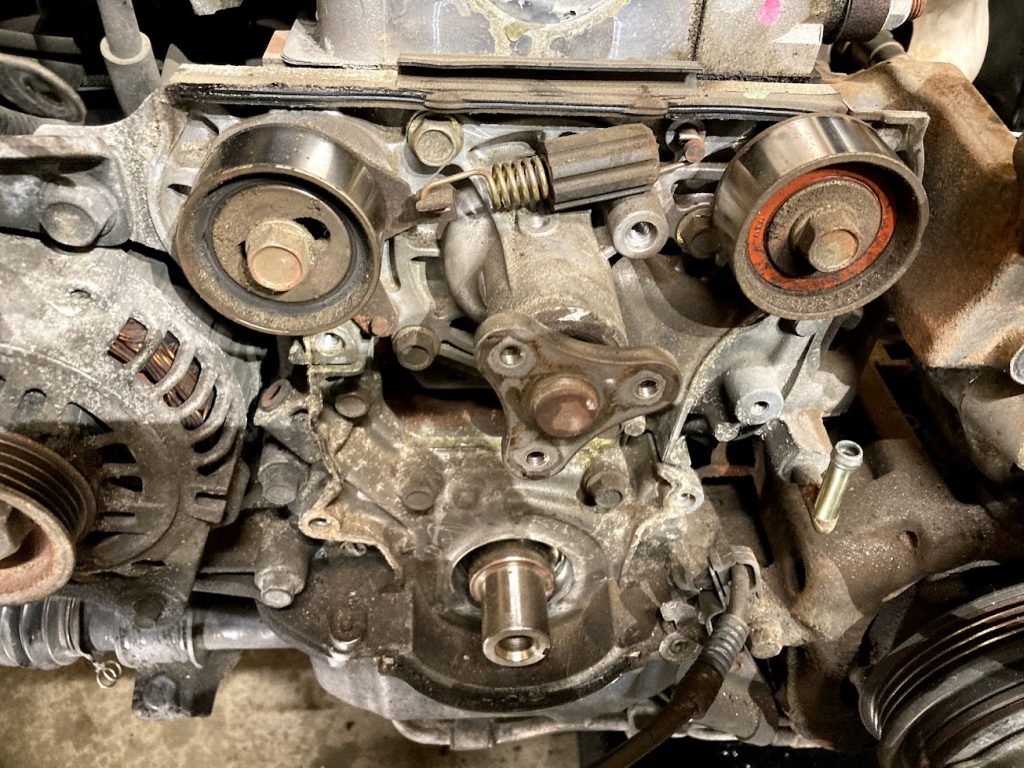
Although the non-interference nature of the BP4W engine mitigates catastrophic valve damage in the event of a timing belt failure, preemptive mechanical overhauls were prioritized to ensure roadside reliability. The initial month involved extensive diagnostic evaluations, fluid replacements, seal inspections, and the rectification of neglected wear items. The overarching objective was to establish a mechanically sound baseline before subjecting the chassis to the thermal and mechanical loads of closed-circuit competition.
Phase 2: Community Integration and Exhaust System Overhaul (May – June 2021)
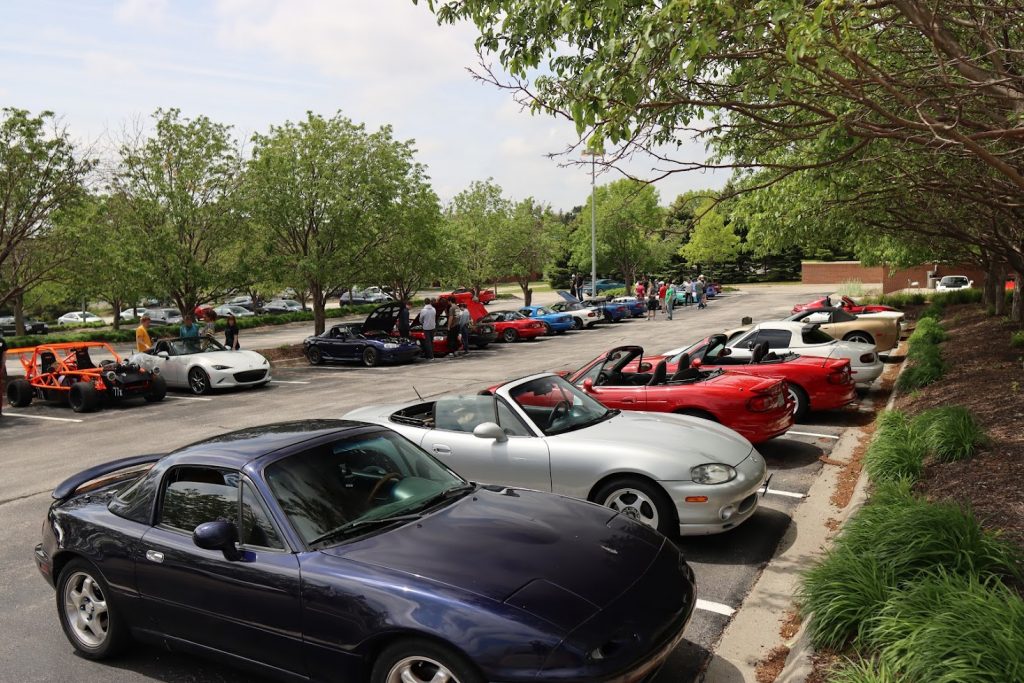
By May 2021, the vehicle integration process extended into the local automotive community, marked by attendance at regional Mazda owner gatherings. These events highlighted the vast ecosystem of customization available for the MX-5, ranging from factory-spec restorations and forced-induction configurations (turbochargers and superchargers) to V8-swapped track specials like the Exocet.
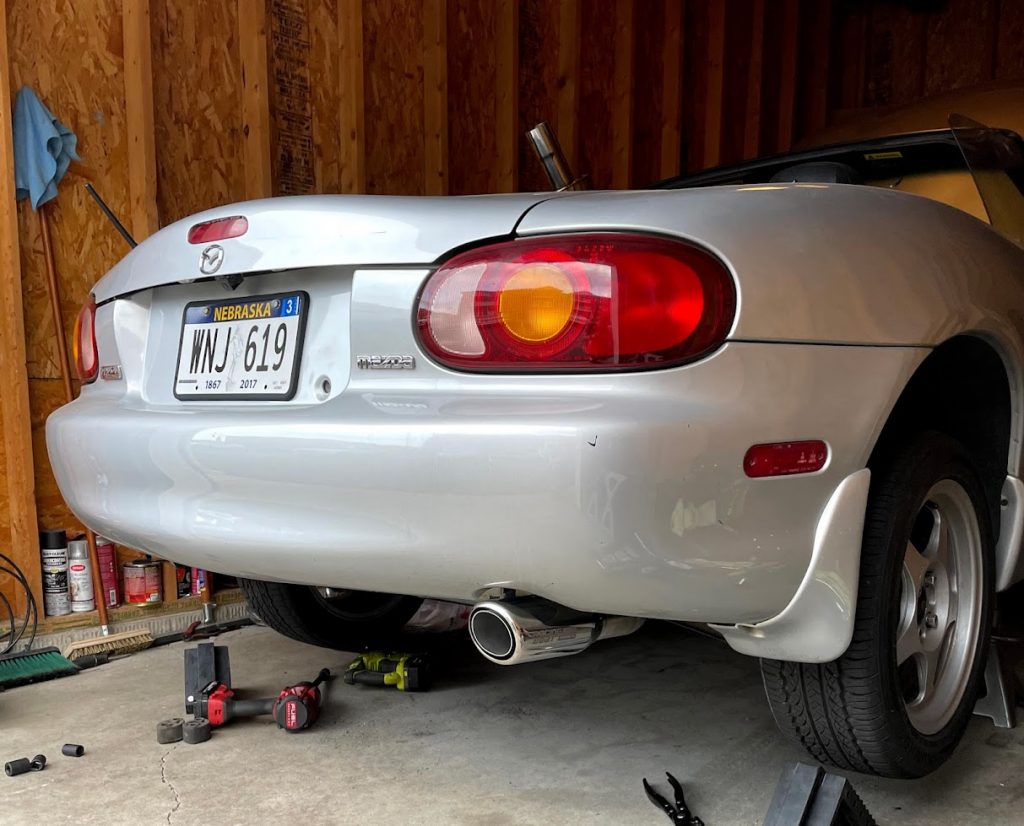
In June 2021, attention returned to the mechanical infrastructure, specifically addressing persistent catalytic converter diagnostic trouble codes (DTCs), oxidized exhaust hardware, and a demand for enhanced acoustic feedback from the powertrain. The factory exhaust system was systematically removed and replaced with an aftermarket performance configuration.
The upgrade path integrated a Raceland exhaust header, a Cobalt midpipe, and a Racing Beat Power Pulse muffler. This triad achieved an optimal acoustic balance—avoiding excessive drone while providing a deeper, more aggressive exhaust note. However, operational oversight during the installation phase, specifically failing to reconnect the Exhaust Gas Recirculation (EGR) pipe, temporarily triggered secondary emissions-related engine codes, underscoring the complexities inherent in DIY exhaust modifications.
Phase 3: Aesthetic Transformation: From Silver to High-Visibility Yellow (July – August 2021)
Cosmetic restoration and personalization commenced in July 2021. Prior to major body modifications, the front passenger-side fender, which bore structural dents, was replaced with a pre-painted component utilizing a rattle-can application to ensure a smooth substrate for subsequent vinyl wrapping.
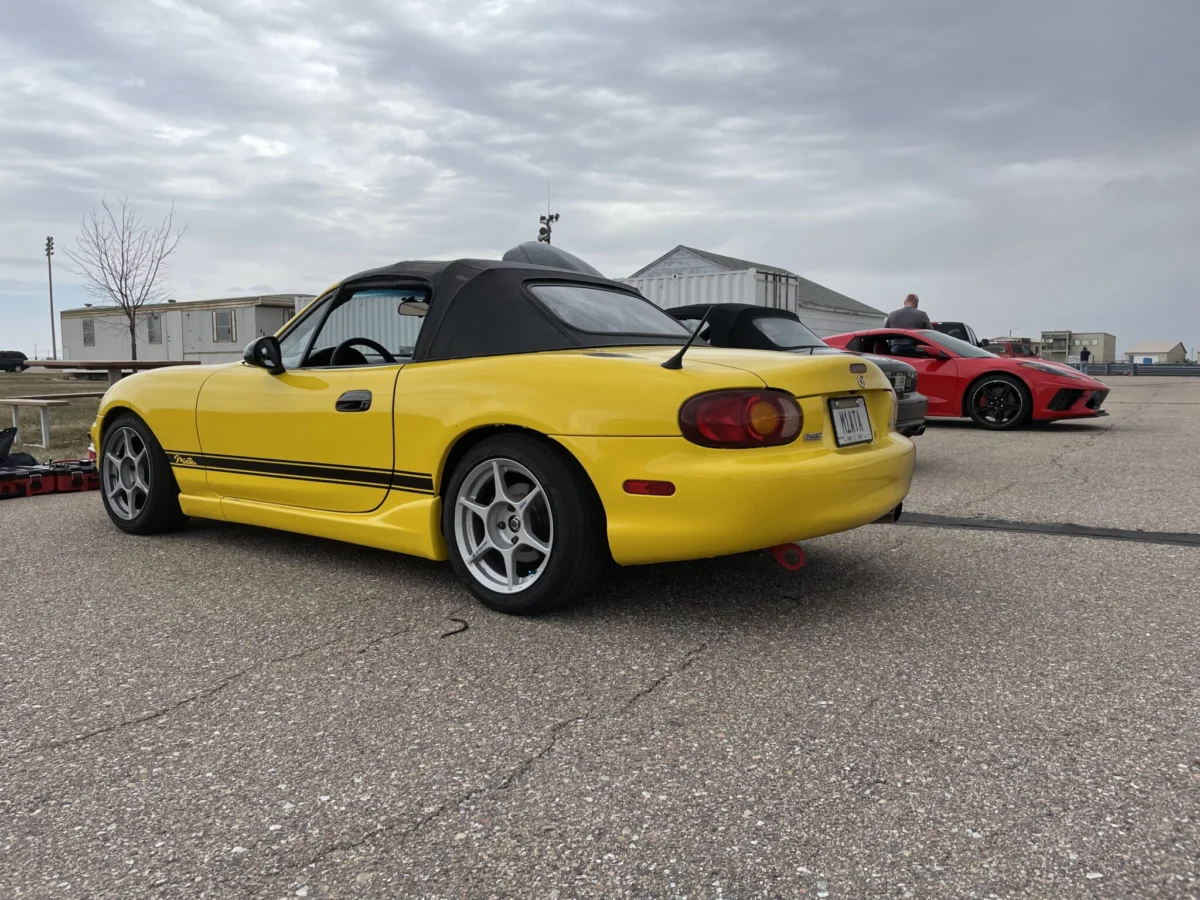
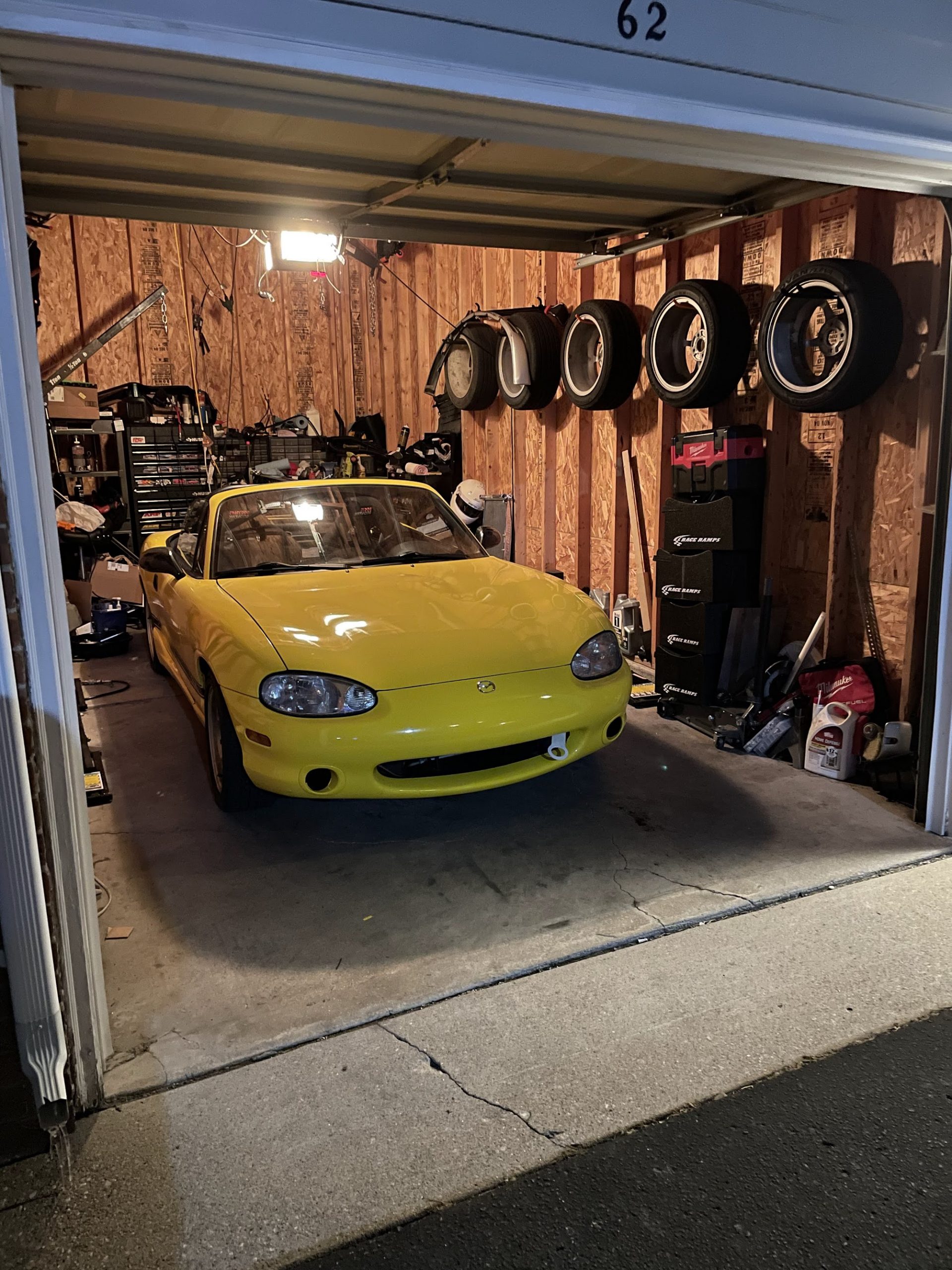
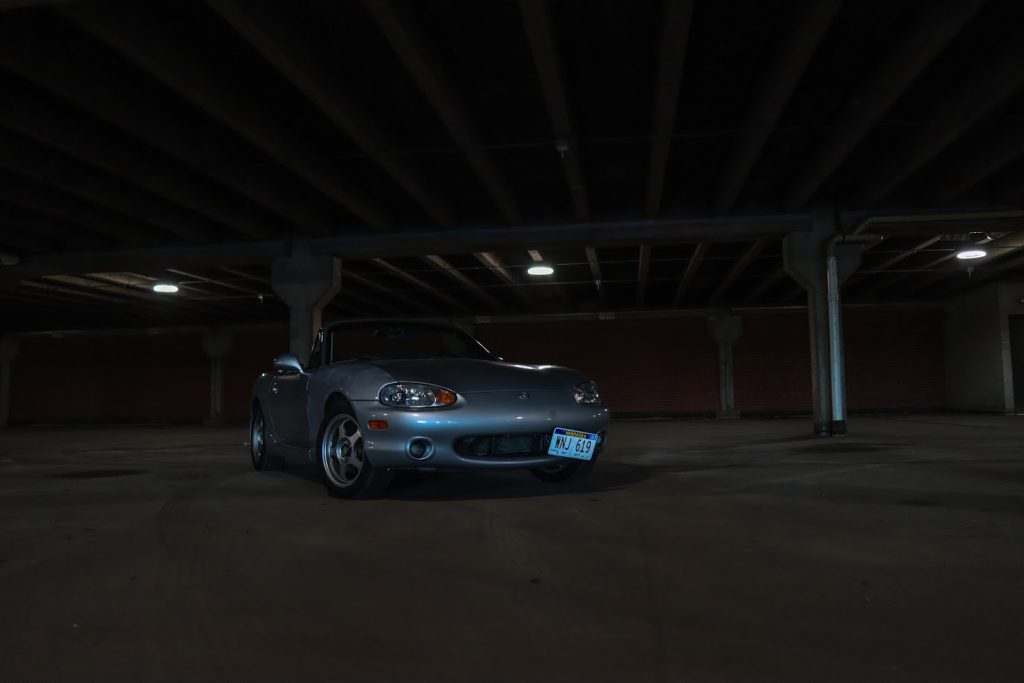
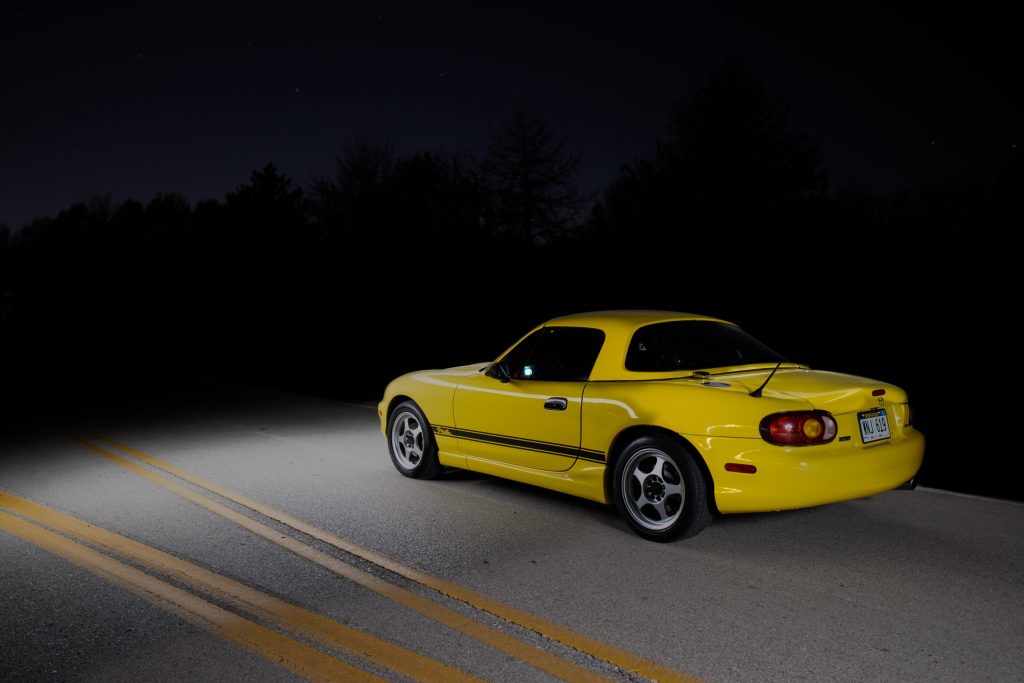
By the conclusion of July, the vehicle had received a comprehensive high-gloss yellow vinyl wrap, marking August 2021 as the first full month under the new aesthetic. While the original silver factory finish presented a traditional appearance, the high-visibility yellow wrap aligned more closely with contemporary motorsports styling and significantly enhanced the vehicle’s presence at enthusiast events.
Phase 4: Transition to Competitive Driving: Track Days and Autocross (September – October 2021)
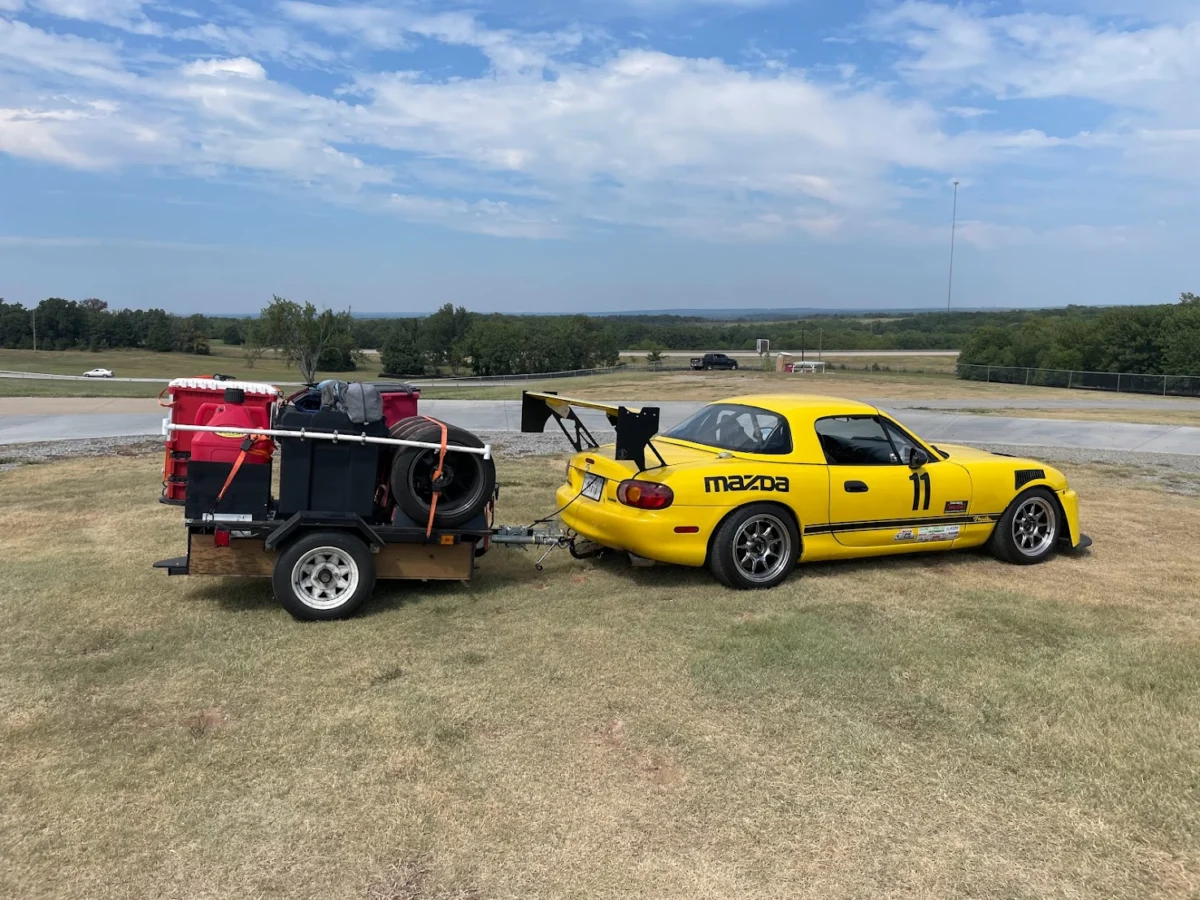
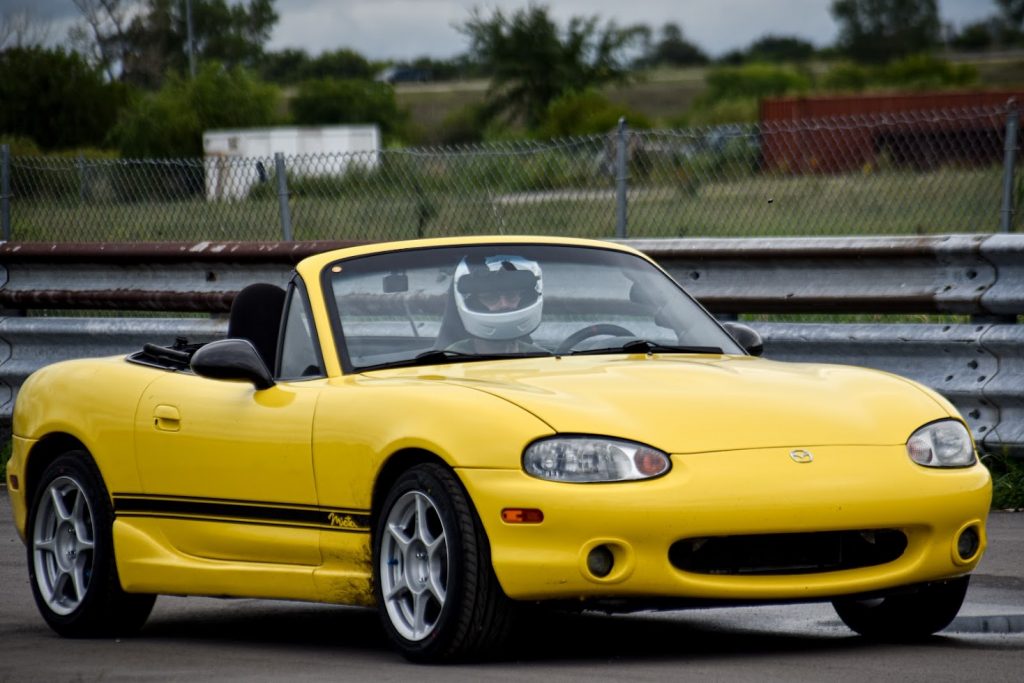
The culmination of the mechanical and cosmetic preparations materialized in September 2021 with the vehicle’s maiden track day at the Raceway Park of the Midlands. Participating in a high-performance driving event (HPDE) provided vital empirical data regarding the chassis’s dynamic behavior under sustained load, directly influencing subsequent engineering decisions.
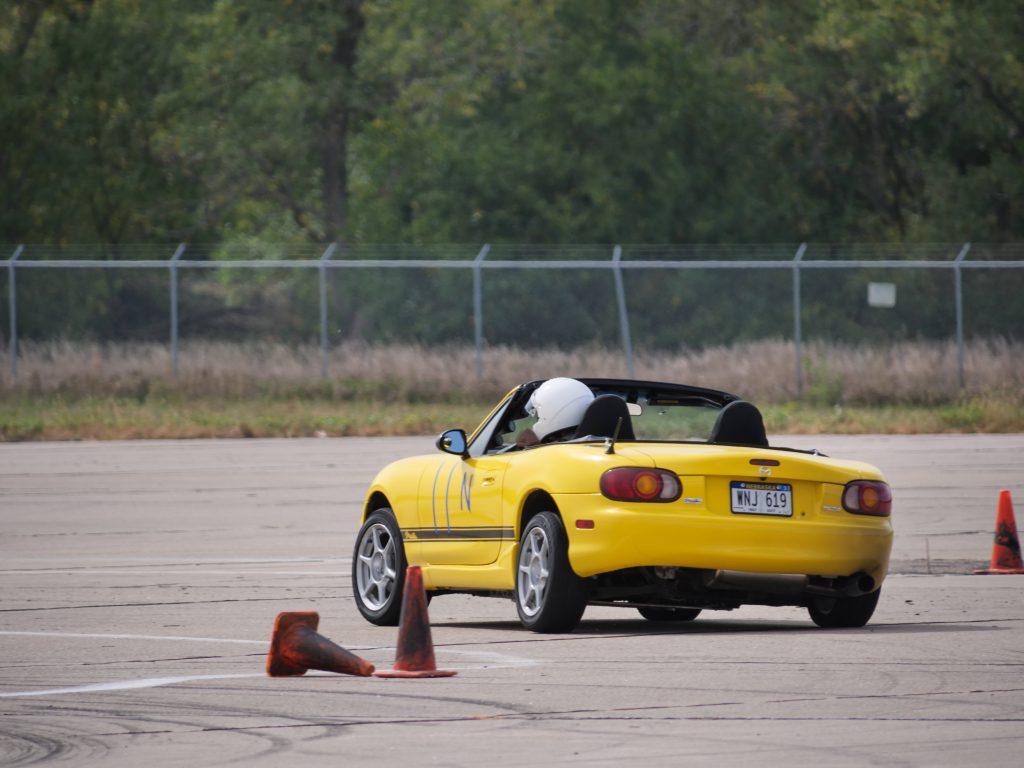
Complementing the high-speed track experience, the vehicle was entered into regional autocross events in September and October 2021. Autocross—characterized by tight, technical courses marked by traffic cones—offered a cost-effective, lower-risk environment to refine car control skills, weight transfer management, and cornering precision relative to full-circuit track days.
Phase 5: Winter Preservation and Suspension Engineering (November – December 2021)
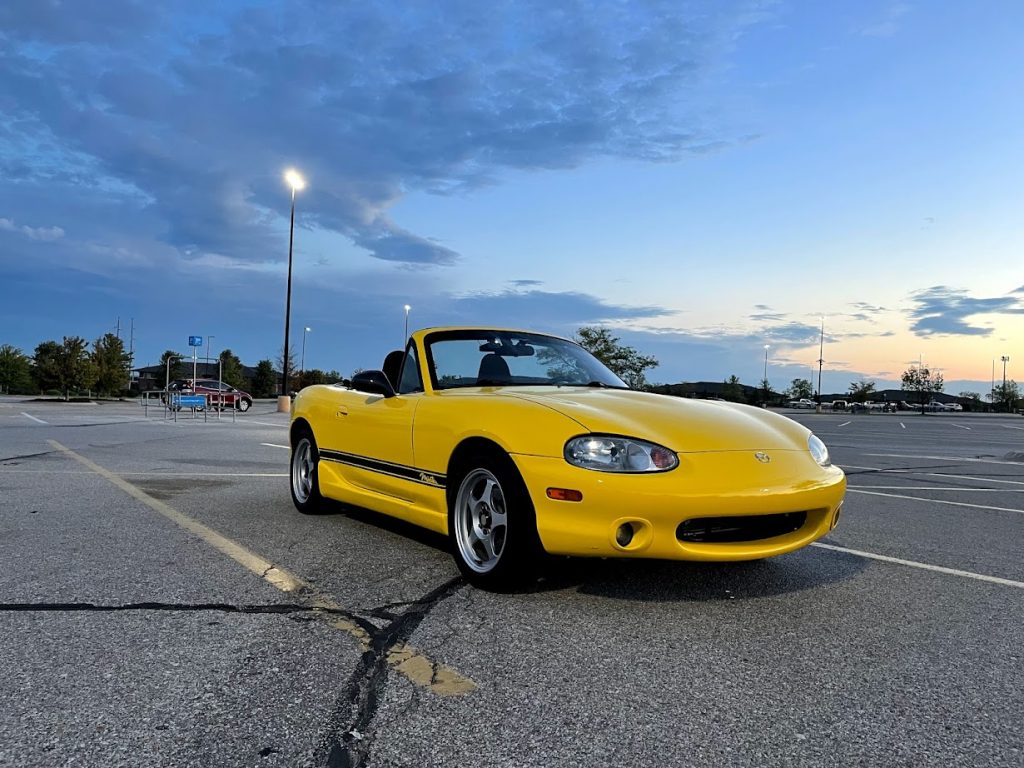
As ambient temperatures declined in November 2021, preparations for regional winter conditions became paramount. While the installation of a factory hardtop transformed the vehicle’s thermal retention and structural rigidity, the primary operational threat in Nebraska winters involves road-salting practices. Because NB-generation Miatas exhibit a heightened susceptibility to structural corrosion along the rocker panels and rear frame rails compared to their NA predecessors, winter storage protocols were strictly enforced.
The vehicle was driven through November until the onset of freezing precipitation, after which it was placed into seasonal storage. December was dedicated to suspension rehabilitation, incorporating upgraded bushings, dampers, and geometry correction components. By late December, following the completion of mechanical overhauls and the acquisition of customized "M1ATA" registration plates, the vehicle was briefly operated during an anomalous period of mild, salt-free weather.
Phase 6: Engine-Out Servicing and Safety Equipment Integration (January – February 2022)
The depth of the project escalated significantly in January 2022. Operating under winter conditions, an extensive engine-out service was executed to resolve persistent mechanical vulnerabilities that precluded reliable operation in confined engine bay spaces.
The scope of work included:
- Replacement of the rear main crankshaft seal to mitigate oil leakage.
- Installation of a heavy-duty oil drain plug to replace a stripped factory component.
- Integration of a coolant reroute kit to address the inherent thermal imbalances of the rear cylinders in the BP engine architecture.
- Replacement of deteriorated coolant hoses routed beneath the intake manifold, which are nearly inaccessible with the engine installed in the chassis.
By February 2022, unseasonably mild weather permitted extended driving periods and initiated the final preparations for the upcoming competitive season. Recognizing the safety demands of sustained track use, safety compliance was elevated through the installation of Track Dog Racing UltraShield Rally Sport seats, six-point racing harnesses, a securely chassis-mounted fire extinguisher, and mandatory personal safety apparatus, including a Head and Neck Support (HANS) device. Driver spatial constraints were successfully resolved, achieving a seating position compliant with the "broomstick test" standard while wearing a safety helmet.
Additionally, chassis tuning was finalized via a custom do-it-yourself (DIY) wheel alignment. Eschewing commercial alignment shops, the process utilized precise string and measurement techniques to dial in specific camber, caster, and toe parameters tailored for dynamic handling.
Broader Impact and Technical Implications
The first year of ownership of the 2000 Mazda MX-5 NB demonstrates the viability of the platform as an accessible entry point into amateur motorsports. By combining systematic preventative maintenance with targeted structural, safety, and performance modifications, the project successfully bridged the gap between a neglected street car and a competitive track-day instrument.
The empirical data gathered from participation in HPDE and autocross events validates the fundamental engineering philosophy of the MX-5: low mass, mechanical simplicity, and chassis responsiveness remain paramount for driver development. As the vehicle enters its second year of active project development, the foundational work completed between 2021 and 2022 establishes a robust platform for continued mechanical refinement and competitive motorsport engagement.