 Retno Hari Mulyono
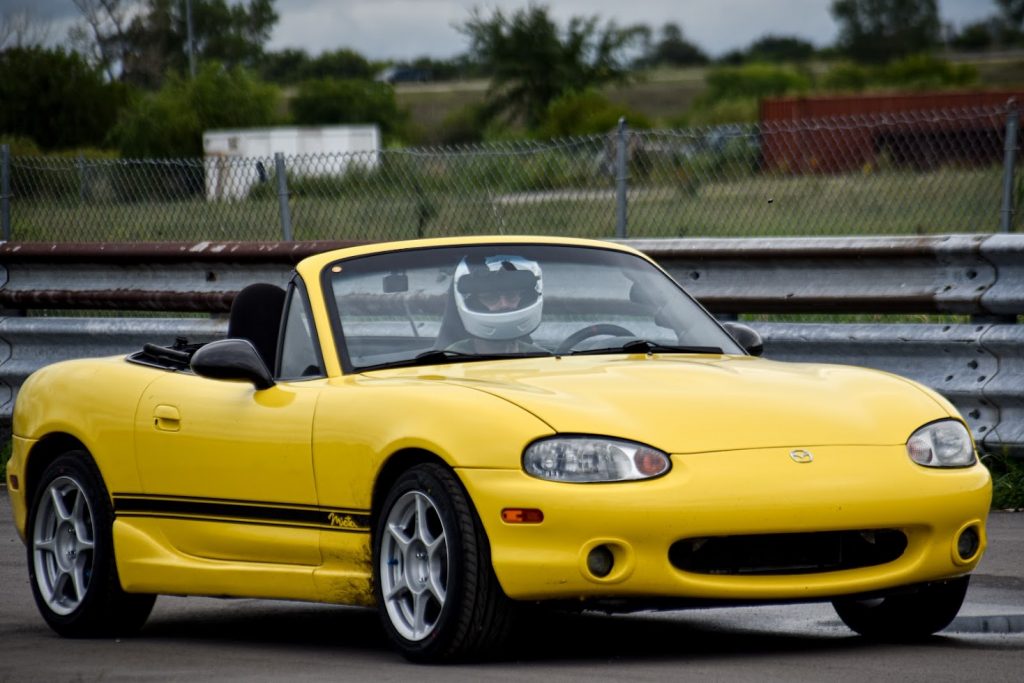
The process of preparing a dual-duty track and street vehicle for a competitive motorsports season often requires a comprehensive mechanical intervention, particularly when dealing with aging factory platforms. This winter maintenance cycle proved pivotal for a 2001–2005 NB-generation Mazda MX-5 Miata enthusiast project, which underwent a massive, multi-tiered suspension and drivetrain refresh. Spanning several weeks of garage labor during the off-season, the overhaul targeted critical wear items, structural handling components, and drikvetrain efficiency. The upgrade path systematically addressed long-standing maintenance deficits inherent in unmodified, high-mileage donor vehicles, replacing legacy components with performance-oriented aftermarket solutions designed to withstand rigorous track-day abuse while maintaining street drivability.
Background Context of the NB Miata Platform and Maintenance Deficits
The second-generation Mazda MX-5, commonly designated as the NB, remains one of the most popular platforms for grassroots motorsports, autocross, and track-day events globally. Renowned for its exceptional chassis balance, communicative steering, and lightweight architecture, the vehicle nevertheless suffers from the inevitable aging of rubber, metal, and fluid components when examples approach two decades of age. Factory original equipment manufacturer (OEM) suspension bushings, ball joints, wheel bearings, and open differentials frequently exhibit fatigue, degradation, and play that compromise handling precision and high-speed stability.
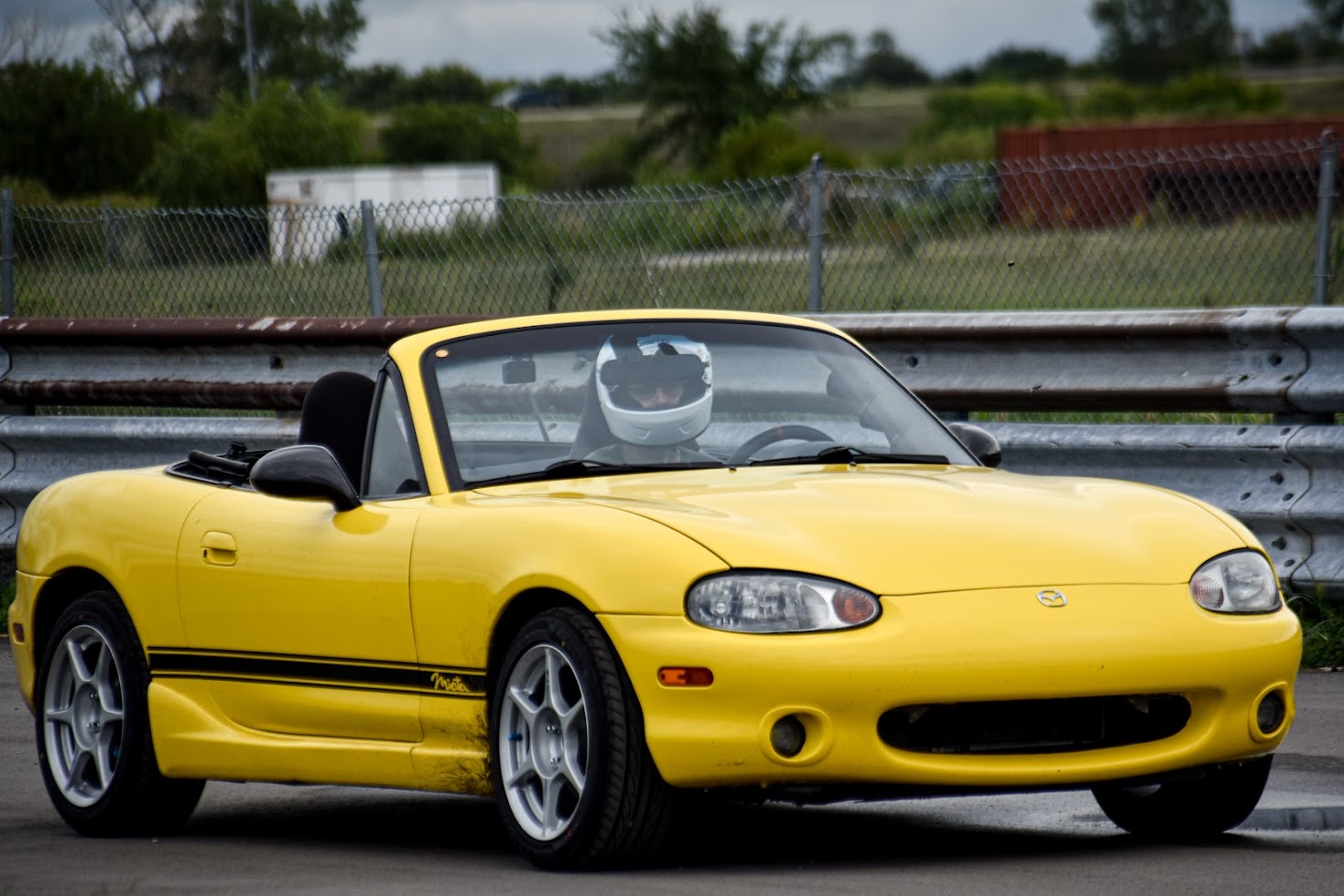
For this specific project vehicle, the initial baseline configuration relied entirely on factory stock components of unknown age and service history. While the car remained fully functional for casual street use and initial track outings, the lack of a documented maintenance schedule posed a reliability risk for competitive driving. Furthermore, stock rubber bushings had begun to sag and soften, introducing unwanted compliance into the suspension geometry under heavy cornering loads. Recognizing that addressing these components mid-season risks unexpected mechanical failures and valuable track time, the project timeline mandated an aggressive off-season teardown during the winter months.
Chronology of the Winter Overhaul: Teardown and Early Challenges
Executing a complete suspension and drivetrain refresh on an older Japanese sports car requires careful planning, specialized tooling, and patience, particularly regarding potential corrosion and seized fasteners. The winter project commenced with the complete removal of the front and rear control arms, uprights, hubs, differential housing, and factory shock assemblies.
The initial phase of the teardown immediately revealed common mechanical hurdles associated with aging chassis components exposed to regional road grime and temperature fluctuations. The long lower control arm bolts passing through the rear knuckles proved particularly problematic, seizing within the metal sleeves of the factory bushings. Overcoming this obstacle required a combination of penetrating fluid, thermal cycling, and targeted impact force, ultimately necessitating the replacement of several seized fasteners with new alignment-spec hardware. Similarly, disconnecting the power plant frame (PPF) from the differential required significant leverage, highlighting the necessity of proper preparation before attempting high-torque fastener removal.
Chassis and Control Arm Bushing Upgrades: Balancing Performance and Longevity
To eliminate unwanted suspension deflection without sacrificing daily-driving comfort or introducing the maintenance headaches often associated with polyurethane alternatives, the project utilized IL Motorsports performance rubber control arm bushings. These components offer a stiffness rating comparable to factory Mazdaspeed upgrade bushings while remaining cost-effective. Unlike polyurethane bushings, which frequently require periodic re-greasing to prevent squeaking and binding, high-durometer rubber bushings maintain a maintenance-free service life similar to OEM units.
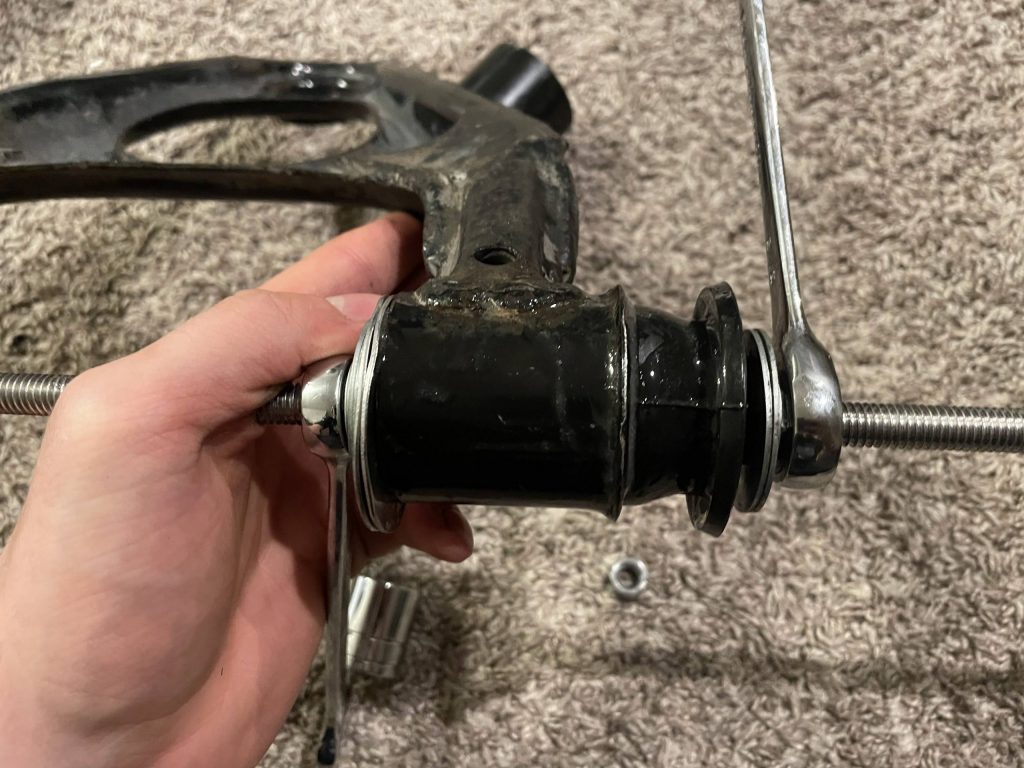
The installation process provided crucial lessons regarding workshop methodology. An initial attempt to press out and press in the rear upper control arm bushings using a hydraulic press resulted in structural bending of the delicate arm, necessitating component replacement. Mechanics and DIY builders are strongly advised to utilize a threaded-rod method—employing high-strength steel rods, washers, and nuts—to draw bushings evenly into the control arms without applying asymmetrical loads that risk bending the metal structures. Lubrication via standard hand soap facilitated the smooth insertion of the new rubber bushings without degrading the material.
Drivetrain Enhancement: Torsen Differential Integration and Bushings
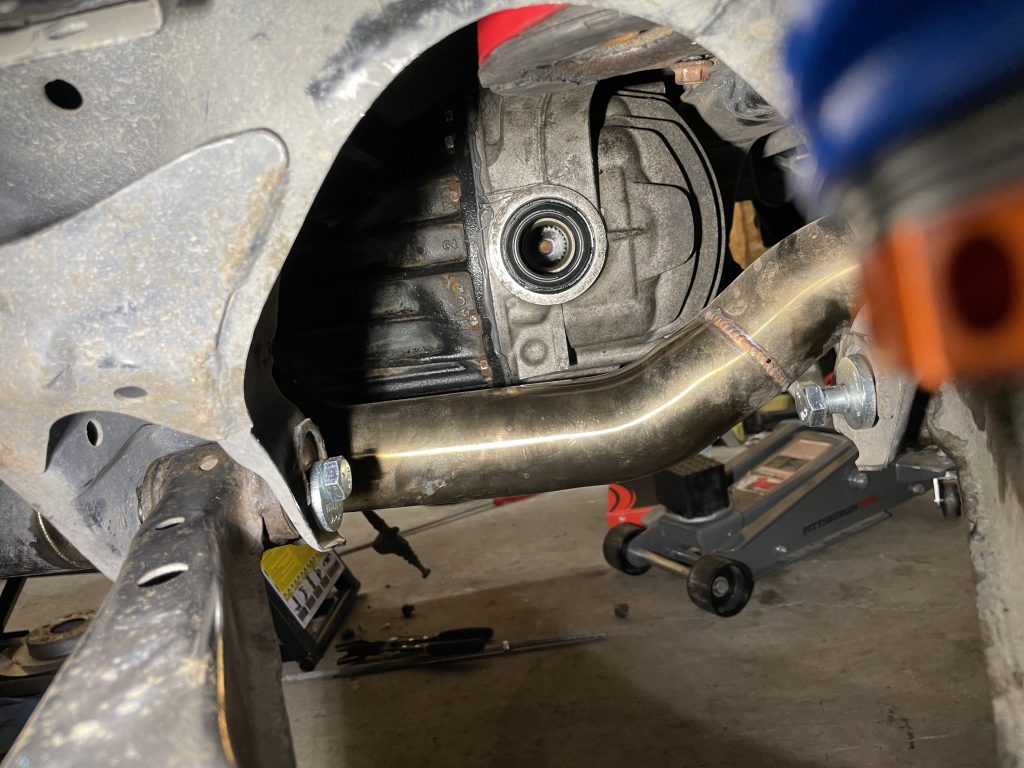
A major performance bottleneck of the base-model NB Miata configuration is the factory open differential paired with a 4.30 final drive ratio. While the shorter final drive ratio maximizes acceleration from lower speeds, compensating for the modest power output of the naturally aspirated 1.8-liter engine, an open differential severely limits traction during aggressive cornering and wet-weather driving. Upgrading to a torque-sensing (Torsen) limited-slip differential represents the gold standard for track-focused Miatas; however, high market demand often drives prices for complete 4.30 Torsen assemblies above $1,000.
Through patient market monitoring, the project secured a 4.30 Torsen differential core at a significantly reduced acquisition cost of approximately $250. The differential guts were successfully transferred into the existing aluminum carrier housing pumpkin. To complement the stiffer engine and transmission mounts, the project replaced the aging differential housing bushings with polyurethane inserts. Removing the stubborn factory rubber differential bushings from the carrier required drilling out the resilient rubber core and manually punching out the outer metal sleeves, an operation that underscores the benefits of specialized pneumatic tools like air hammers when available.
Suspension Geometry and Front-End Service Integration
With the control arms disassembled, taking advantage of the labor overlap to service adjacent wear items proved efficient. The project integrated the Supermiata Front-End Service Kit, replacing factory tie rod ends, upper ball joints, and lower ball joints with high-integrity aftermarket alternatives. While the original components had not yet suffered catastrophic failure, preventative replacement ensures uniform service intervals across the entire front suspension geometry. The installation of press-fit upper ball joints was successfully executed using a hydraulic press, benefiting from the robust structural support of the detached components.
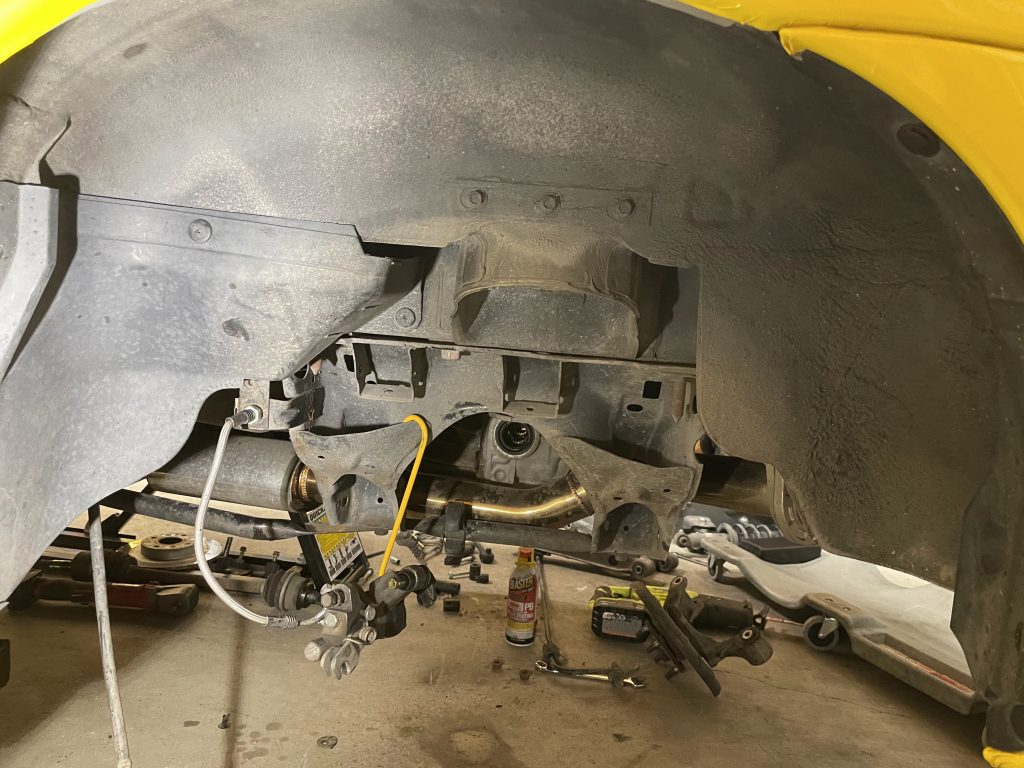
Simultaneously, standard Centric front wheel hubs with pre-installed bearings and Treasure Coast Miata rebuilt rear upright, knuckle, and hub assemblies were bolted onto the chassis. Wheel hubs on frequently tracked Miatas represent a known thermal and mechanical stress point, making preventative replacement a standard best practice to mitigate the risk of catastrophic bearing failure during high-load track sessions.
Damping and Spring Rate Selection: Supermiata Xida Race Coilovers
Selecting a suitable coilover suspension for a dual-duty sports car involves navigating a vast market spanning budget-tier adjustable dampers to high-end motorsports engineering products. The project prioritized a setup optimized for track days and autocross performance that retained acceptable compliance on public roadways. This requirement led to the selection of Supermiata Xida Race coilovers featuring a standard 800 lb/in front and 500 lb/in rear spring rate configuration equipped with helper springs.
The Xida dampers represent a top-tier engineering solution for the Miata chassis, offering sophisticated damping profiles designed specifically to handle high spring rates without riding harshly. Installation was streamlined due to the complete prior removal of the factory suspension. Once bolted into place, the coilovers established a significantly lower vehicle ride height. Due to the heavier overall weight of the NB chassis compared to its NA predecessor, the ride height settled approximately 0.5 to 0.75 inches below factory specification, positioning the vehicle near the upper adjustment limits of the threaded shock bodies without introducing chassis-scraping clearance issues.
Engineering Analysis of Handling Dynamics and On-Road Impressions
Post-installation evaluations conducted on public roads highlighted immediate, measurable improvements in vehicle dynamics. The combination of high-rate springs and advanced damper valving drastically reduced body roll during cornering maneuvers, keeping the chassis exceptionally flat through sweeping turns. Furthermore, high-speed straight-line stability improved markedly. Factory dampers on high-mileage Miatas frequently generate a floaty, unsettling sensation at highway speeds; the Xida system delivered a planted, reassuring ride quality that significantly enhanced driver confidence.
The vehicle retained its independent suspension characteristics without resorting to oversized aftermarket sway bars. While many enthusiasts immediately install thick front sway bars to combat body roll, the high spring rates of the Xida coilovers achieved this objective organically, preserving independent wheel travel and avoiding the harsh ride quality degradation often induced by overly stiff anti-roll bars over broken pavement. The retention of stock sway bars maintains a predictable, mild understeer balance well-suited for drivers transitioning from front-wheel-drive platforms.
Broader Impact, Alignment, and Future Outlook
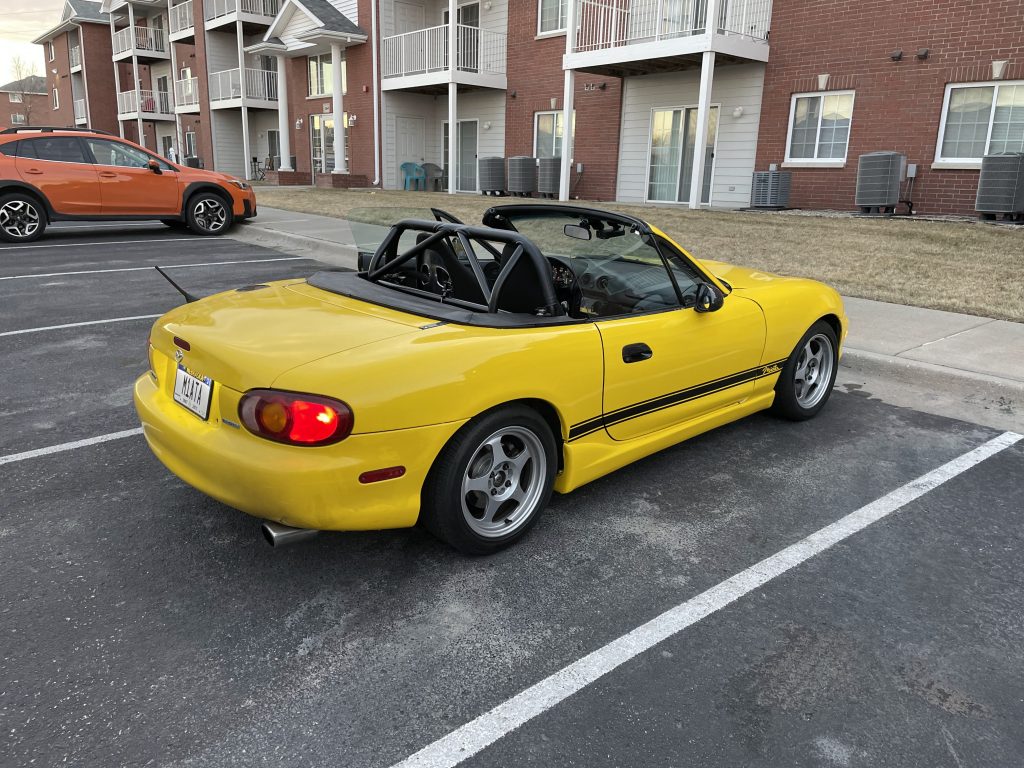
The comprehensive winter overhaul successfully transformed the dynamic envelope of the NB Mazda MX-5 Miata, establishing a pristine baseline of known-age wear items, reinforced structural joints, and professional-grade damping. While certain upgrades—such as the rubber control arm bushings and replacement wheel hubs—yielded subtle tactile changes that remain difficult to quantify without specialized data-acquisition telemetry, major modifications like the Torsen differential and Xida coilovers delivered immediate, transformative performance gains.
The differential successfully transfers power smoothly under aggressive cornering loads, while the coilovers provide a sophisticated balance of track-ready composure and street-legal compliance. With the mechanical installation complete, the final prerequisite before competitive track deployment involves a professional four-wheel alignment to dial in optimized camber, caster, and toe settings. As the motorsports season approaches, this meticulously refreshed platform stands ready to deliver maximum reliability, enhanced safety, and exceptional handling performance across both street and circuit environments.