Retno Hari Mulyono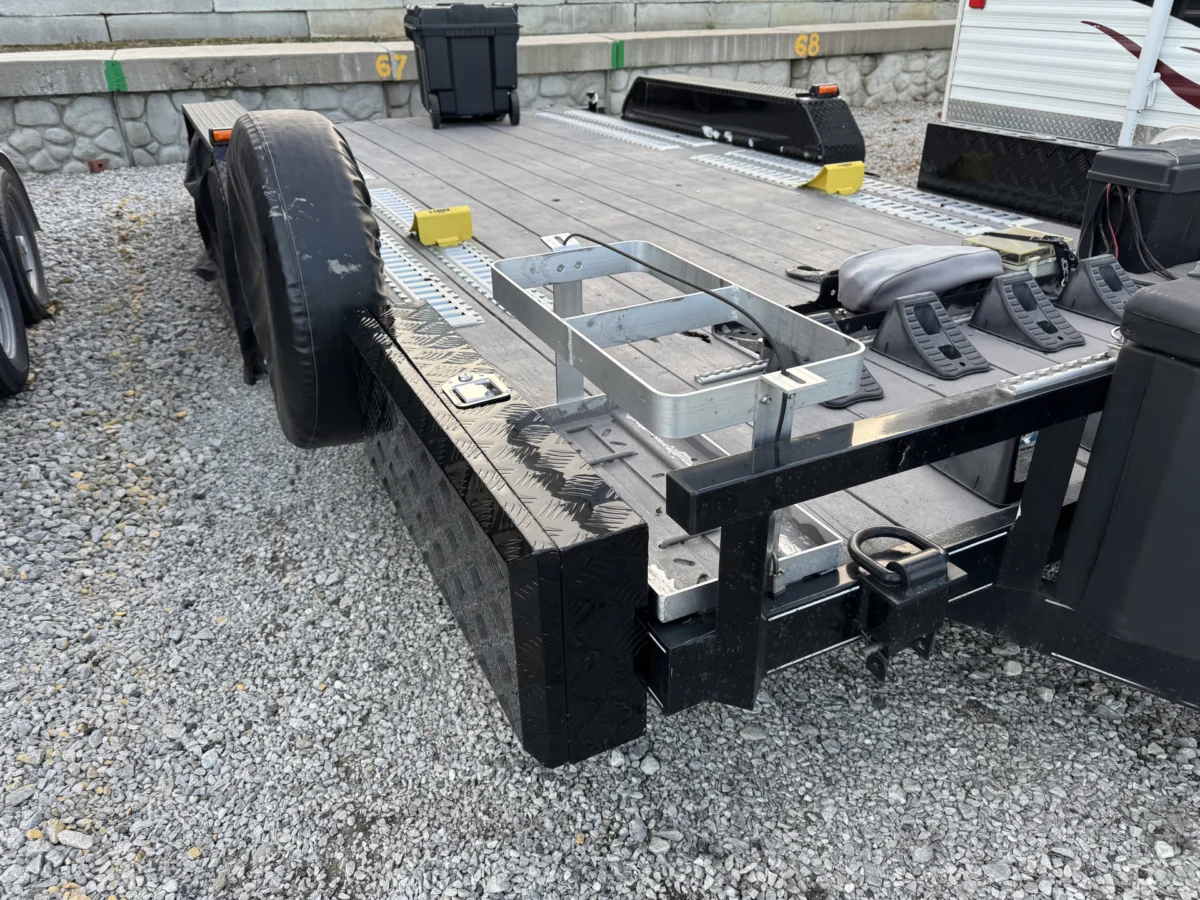
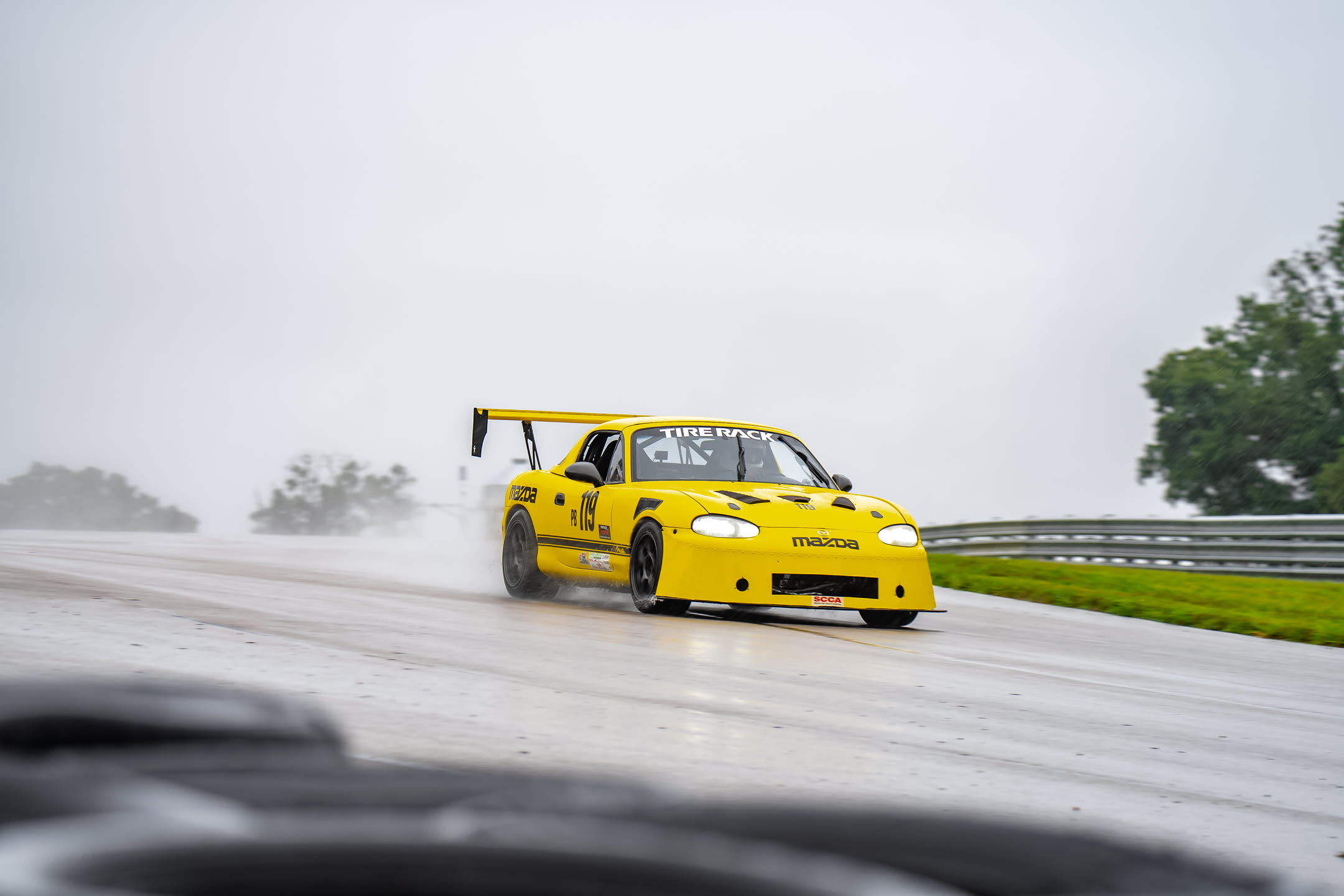
The automotive enthusiast community often measures vehicle ownership in milestones, but few document the grueling journey of a dedicated track-day car with the methodical precision of long-term automotive chroniclers. Marking its fifth consecutive year of rigorous competition, development, and maintenance, a heavily modified 2000 NB Mazda Miata has transitioned from a straightforward street car into a formidable, data-driven time-trial machine. Spanning a twelve-month review period from March 2025 through February 2026, this ongoing ownership case study offers an illuminating look at the financial, mechanical, and logistical realities of amateur grassroots motorsport. Over this single year, the vehicle endured 14 distinct track days, accumulating 357 laps and roughly 10.9 hours of competitive seat time, bringing its lifetime telemetry-verified total to 1,380 laps and 43.8 hours of high-performance driving.
Chronological Development and Season Breakdown
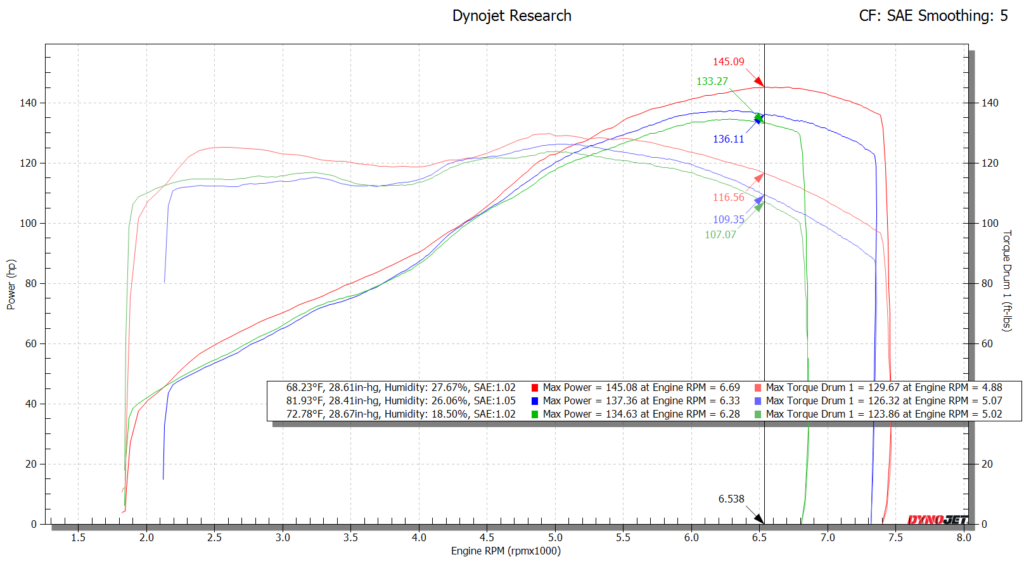
The twelve-month window commenced in March 2025 with critical performance benchmarking. Eager to comply with Sports Car Club of America (SCCA) Midwest Division (MiDiv) time-trial classification requirements, the vehicle was placed on a Dynojet dynamometer. The primary mechanical alteration since the previous year involved swapping the intake manifold from a square-top design to a Skunk2 unit. Testing yielded 145.09 wheel horsepower and 129.67 foot-pounds of torque. While these figures represent a substantial escalation from the factory output of roughly 115 wheel horsepower managed via the stock Electronic Control Unit (ECU), data analysis suggested minor variances between testing facilities, reinforcing the necessity of regular calibration checks.
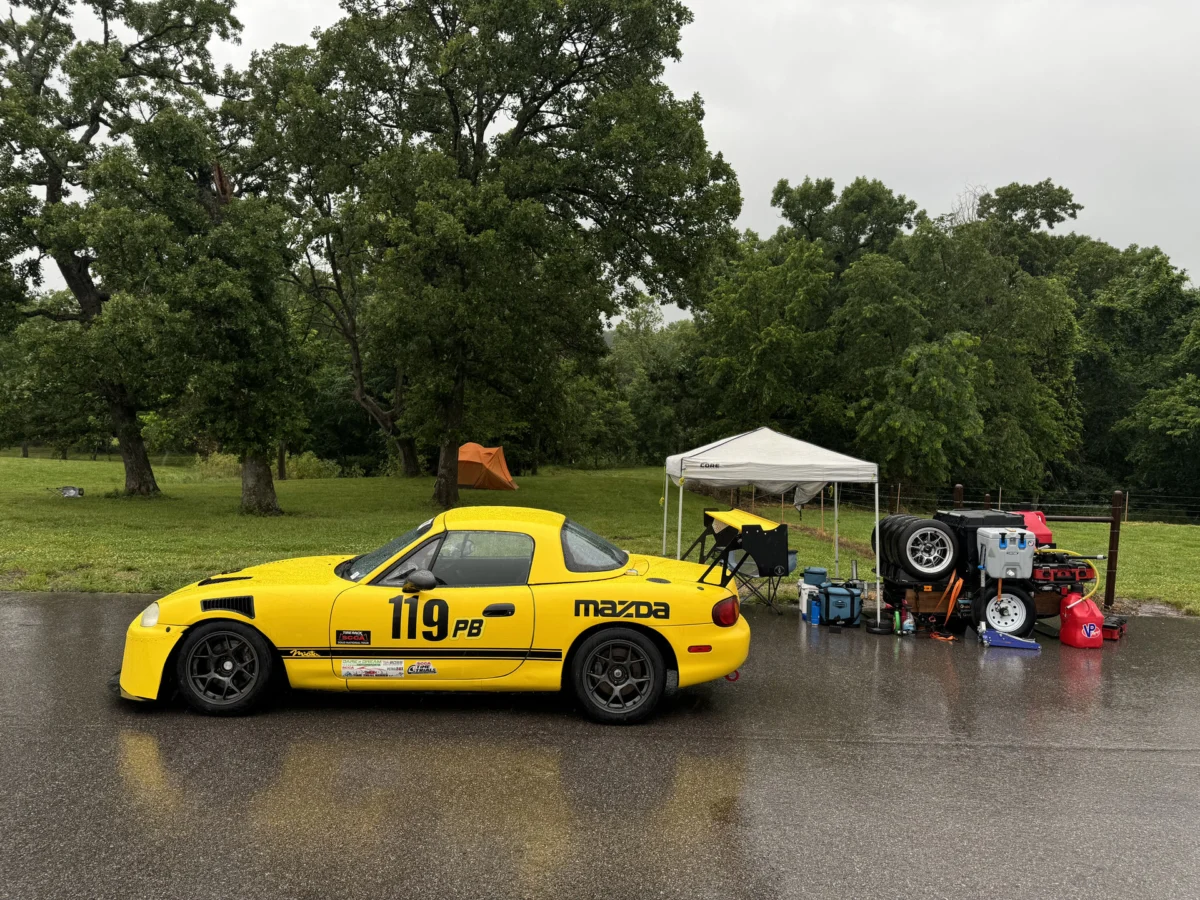
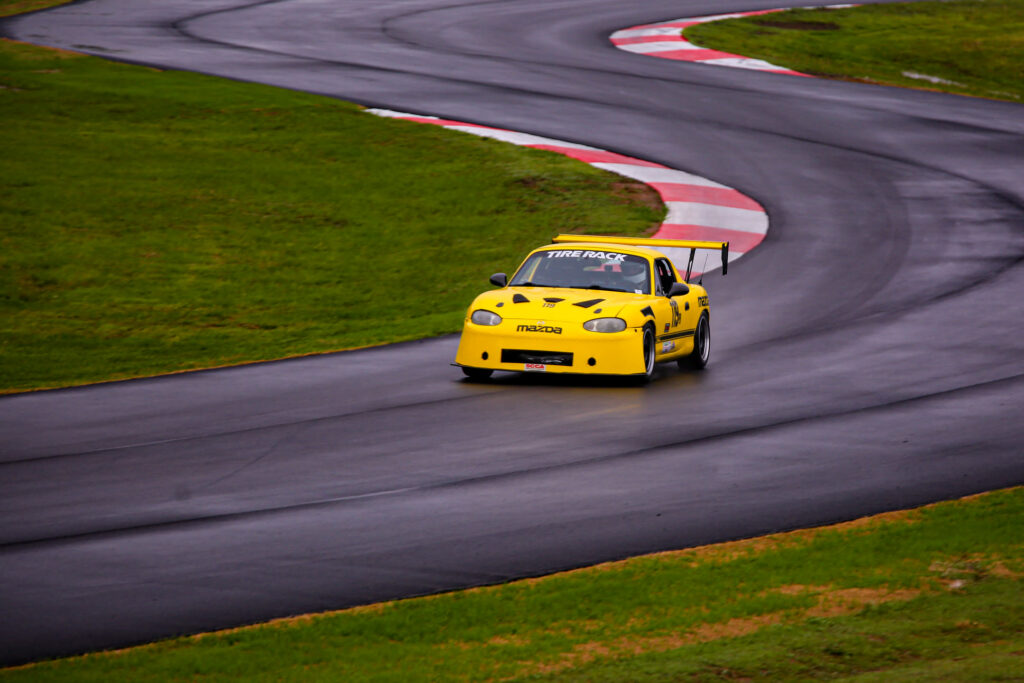
As the competitive calendar advanced into April 2025, the car traveled to the Hallett Motor Racing Circuit. Facility managers had recently resurfaced several key corners during the off-season. However, persistent precipitation throughout the event prevented the establishment of benchmark lap times. Instead, the damp conditions provided a unique opportunity to evaluate extended, mixed-surface braking zones where transitioning from aged asphalt to newly laid pavement dramatically altered vehicle dynamics.
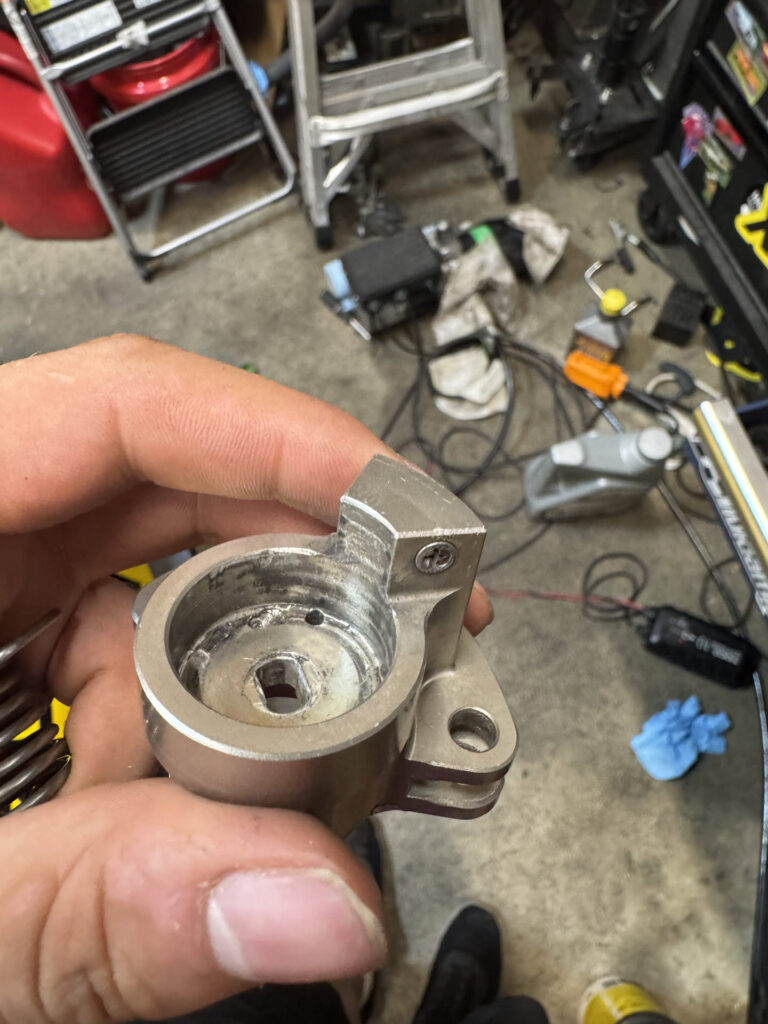
Mechanical setbacks struck in May 2025 during a test session at I29 Speedway, exposing vulnerabilities in aftermarket components. The throttle return spring on the newly installed Skunk2 throttle body sheared completely. Operating without a functional return spring caused the throttle valve to hang partially open, overpowering the factory braking system and forcing the driver to improvise a trackside repair using the remaining fragment of the spring. Following this incident, a replacement Skunk2 unit was acquired as a permanent remedy, though the failure foreshadowed subsequent reliability hurdles.
Operational Expenses and Garage Logistics
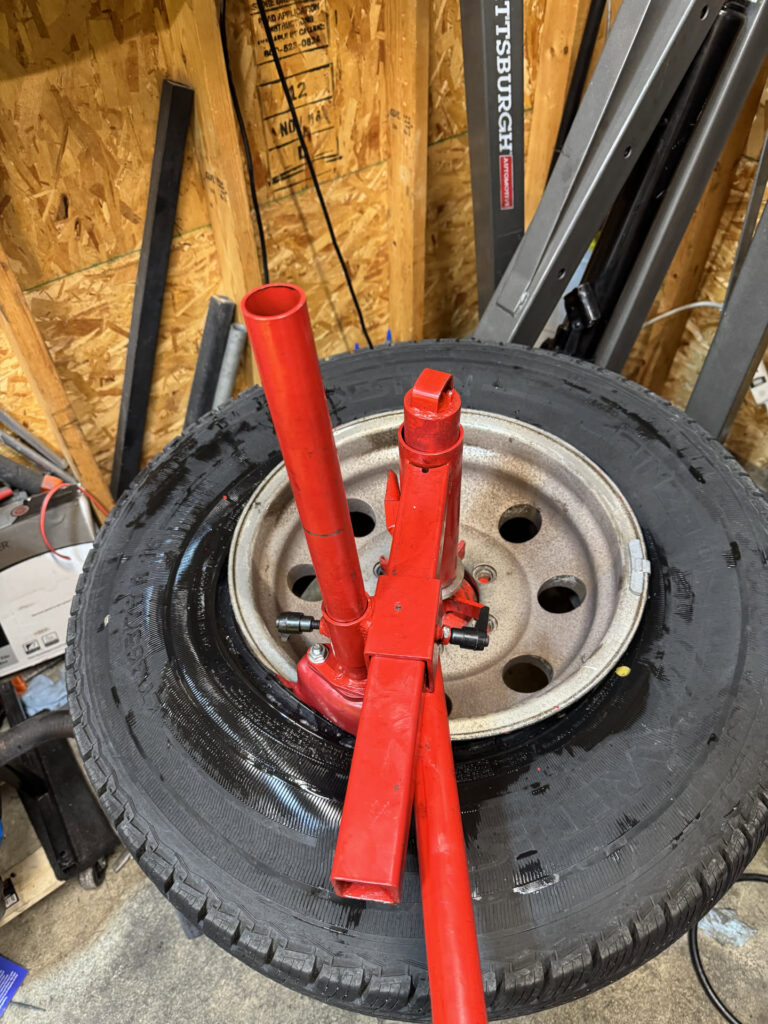
Faced with escalating commercial labor rates at local automotive service centers in June 2025, the vehicle’s custodian elected to internalize tire maintenance operations. The acquisition of a Harbor Freight manual tire changer, augmented by a duckhead attachment and a bubble balancer, represented a capital investment recovered within a single set of tire replacements. Despite an initial learning curve, processing over 20 tires—predominantly high-performance 200-treadwear compounds—demonstrated that domestic equipment, when properly utilized, can match or exceed the balancing precision of commercial shops without incurring recurring service fees.
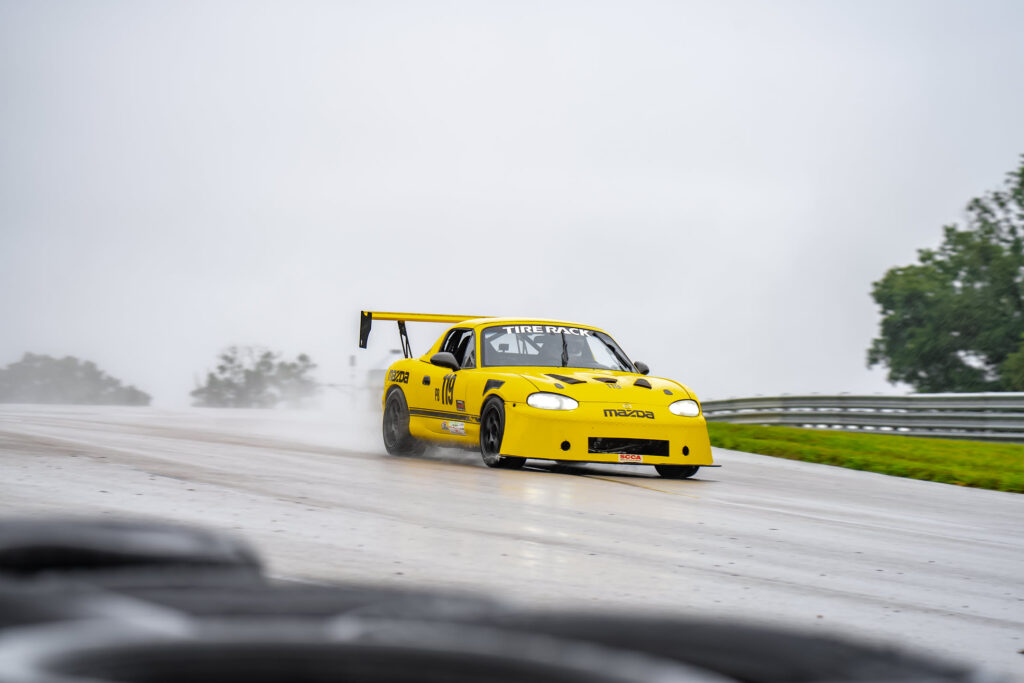
The competitive schedule resumed in July 2025 with an appearance at the Ozarks International Raceway. Renowned for its demanding elevation changes and technical layout, the circuit proved exceptionally challenging when subjected to heavy rainfall. Standing water accumulated in localized drainage channels, creating unpredictable hydroplaning hazards that tested the chassis’s mechanical grip and the driver’s wet-weather car control.
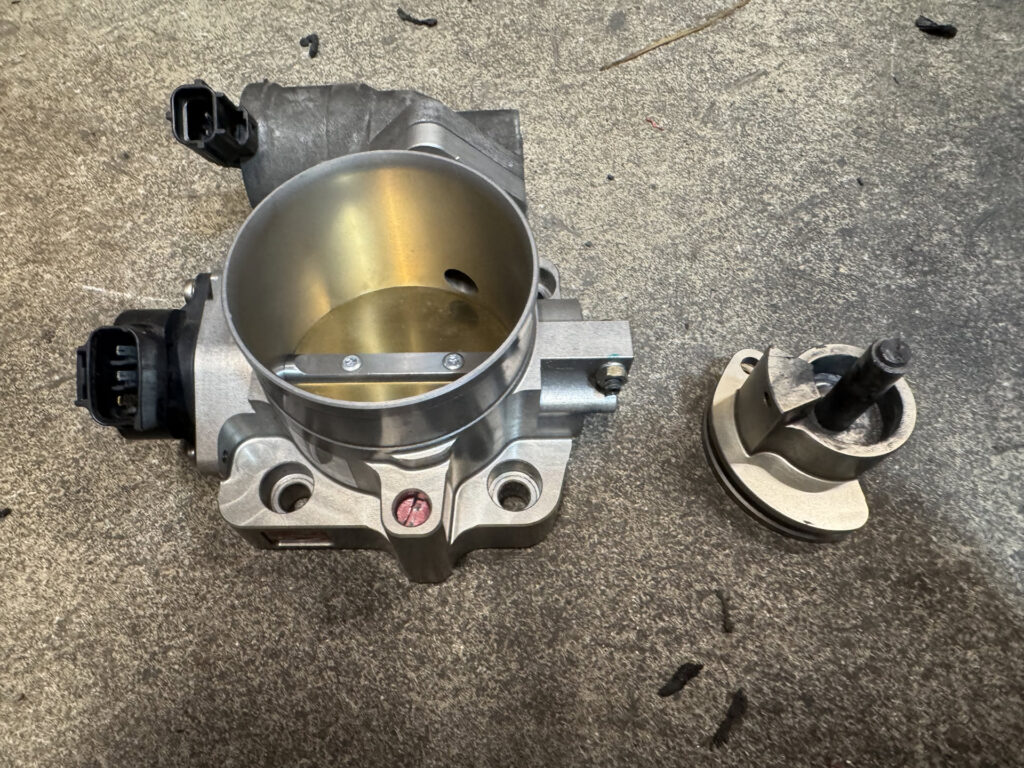
August 2025 brought a recurrence of previous mechanical failures during a time-trial session at High Plains Raceway. Accelerating down the primary straightaway, the vehicle experienced a catastrophic loss of power. Inspection revealed that the throttle body shaft had fractured entirely. Although the internal butterfly valve remained intact, preventing engine ingestion of metal debris, the failure necessitated a trackside tow. Following two distinct structural failures of the Skunk2 throttle body within a single competitive season, the component was discarded in favor of a reliable OEM factory throttle body for the remainder of the racing calendar.
Logistical Upgrades and Trailer Enhancements
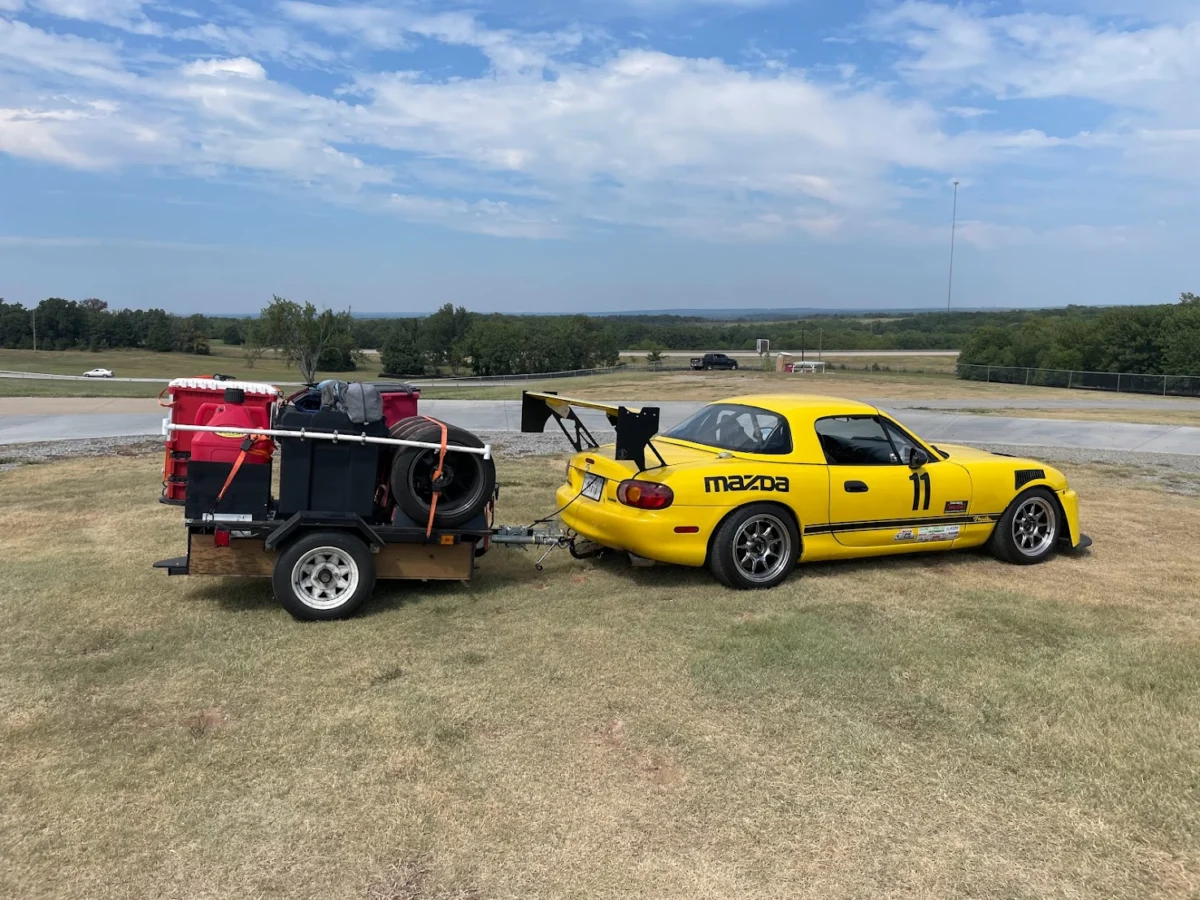
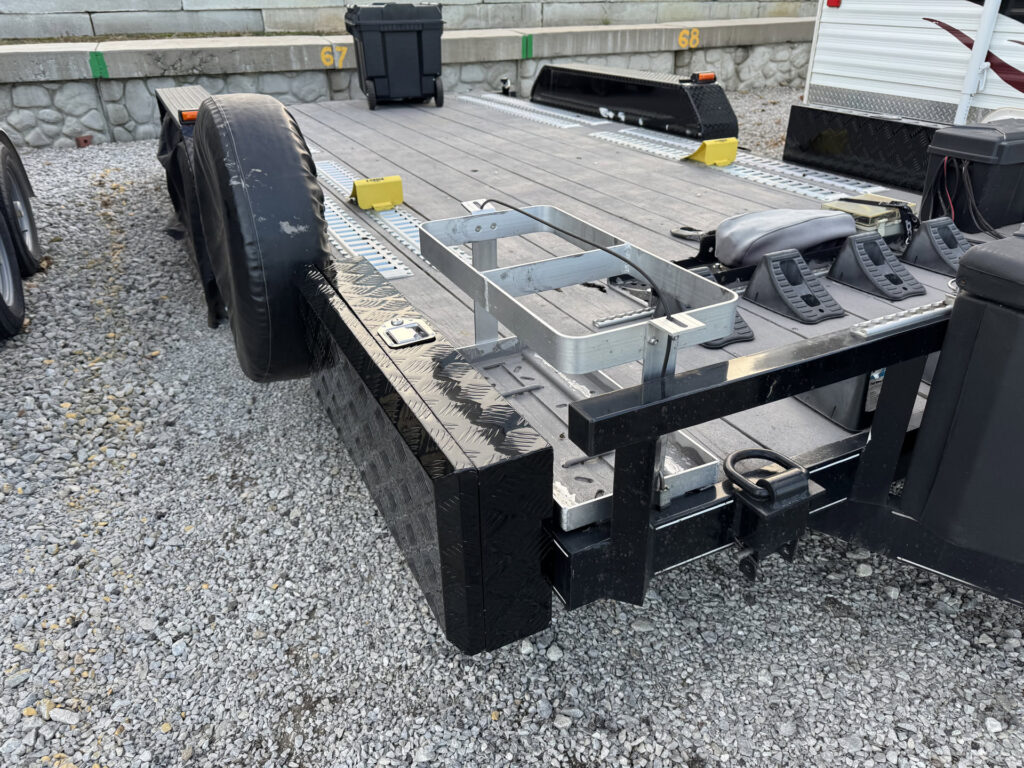
Addressing the supporting infrastructure of amateur motorsport, September 2025 was dedicated to refining the open car-hauler trailer. Safe transport is a paramount concern for weekend racers who must reliably deliver their vehicles to regional tracks and return home without incident. Upgrades implemented over the preceding twelve months focused on security and ease of loading.
Most notably, traditional axle-strap tie-downs, which routinely require retensioning after the first 50 miles of transit due to suspension settling, were replaced with an E-track securing system. Fleet data and empirical observation confirm that E-track configurations maintain consistent tension across long-distance transit, significantly reducing trailer management overhead and mitigating transit-related security risks for the low-slung track car.
Advanced Electronics and Powertrain Overhaul
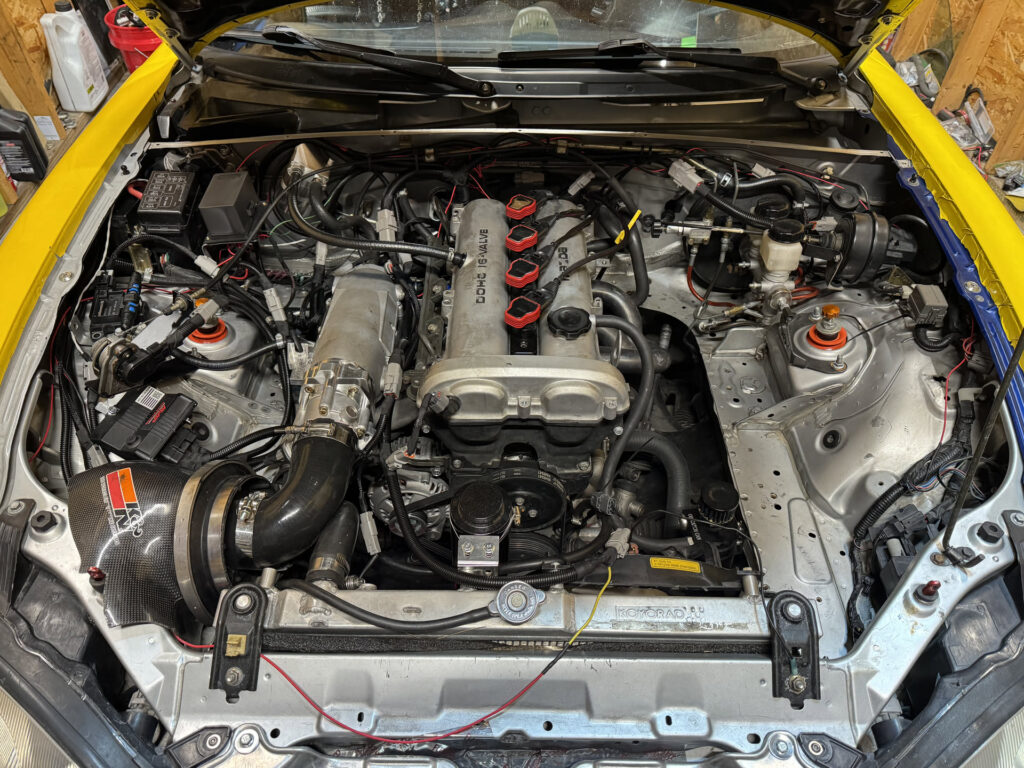
The off-season spanning late 2025 marked a comprehensive engineering overhaul designed to eliminate chronic electrical and mechanical failure points. In October 2025, the owner undertook a ground-up rewiring of the entire engine harness, integrating it directly with an MS3Pro Evo standalone ECU. By discarding the aging 25-year-old factory wiring harness and intermediate adapter connectors, the electrical architecture was streamlined into a modular layout utilizing weather-resistant Deutsch connectors, a dedicated fuse and relay block, and a centralized ground bus bar.
Concurrently, the vehicle underwent a sophisticated conversion to drive-by-wire (DBW) technology. The mechanical cable setup was replaced by a Bosch 60mm electronic throttle body, a Honda accelerator pedal position sensor, and an AMP EFI drive-by-wire controller. This modification effectively neutralized the mechanical vulnerabilities exposed by the previous aftermarket throttle bodies while modernizing the powertrain’s response characteristics.
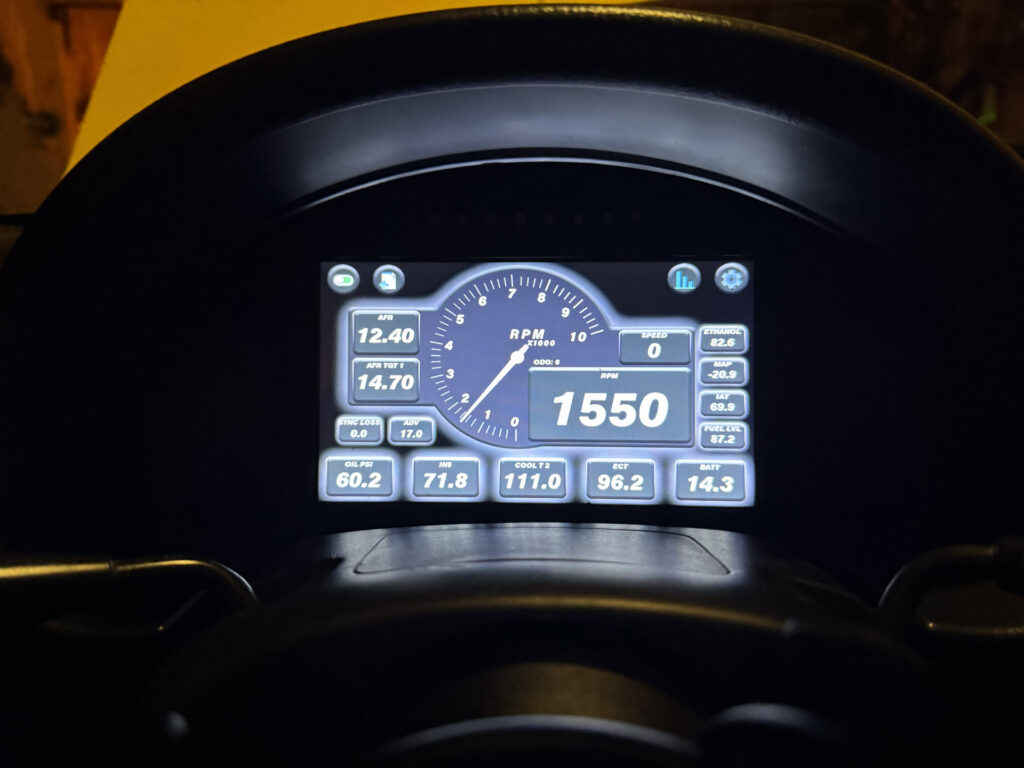
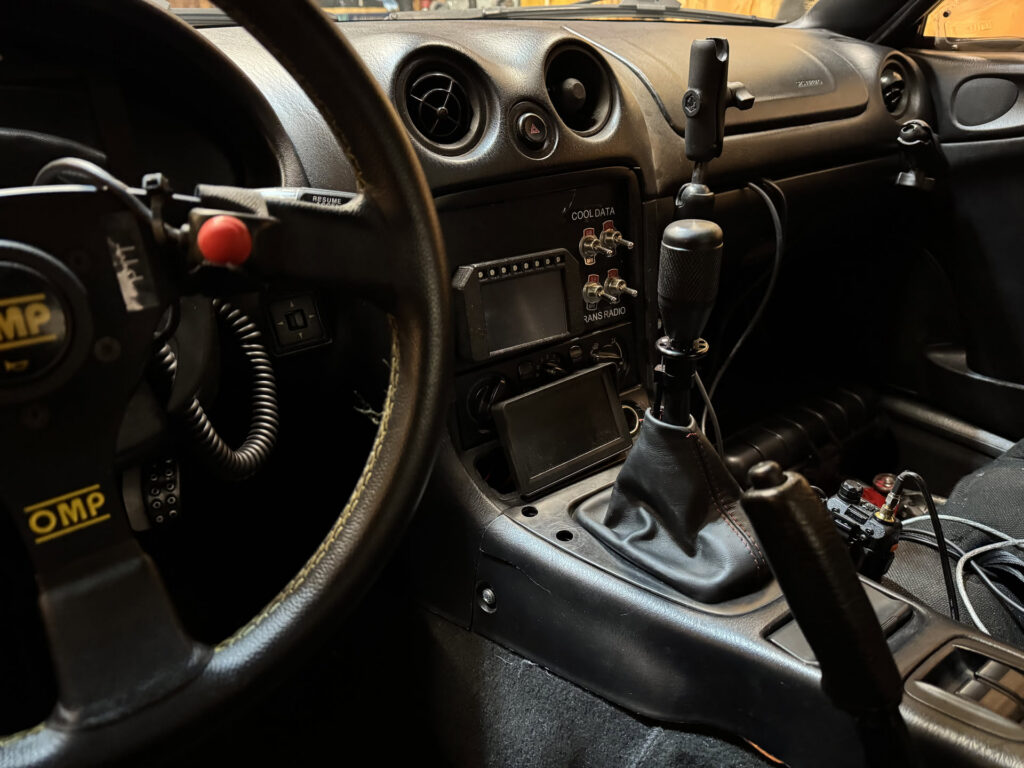
November 2025 brought further technological integration when a Tinker Electronics digital dashboard was installed. Initially purchased to resolve a speedometer signal discrepancy resulting from the custom harness installation, the compact dash interface proved to be a powerful telemetry tool. Communicating directly with the Megasquirt ECU via a Controller Area Network (CAN) bus, the display aggregates vital engine parameters into a centralized, high-visibility screen.
Customization of the dashboard software included the implementation of visual warning thresholds—illuminating critical readouts in red when oil pressure, coolant temperature, or air-fuel ratios deviate from safe operating parameters—alongside configurable shift lights and turn signal indicators. Furthermore, the ECU was programmed to process output from the original vehicle speed sensor, successfully retaining factory cruise control functionality despite the deep electrical modifications.
Chassis Dynamics and Drivetrain Refinement
Mechanical refinement continued in December 2025 with the replacement of the existing shifter assembly. Previously utilizing a tall, angled short-throw unit from Miataroadster, the vehicle occasionally suffered from missed gate selections under intense lateral load on track—a dangerous occurrence capable of inducing mechanical over-revs. The installation of a Coolerworx short-throw shifter introduced a rigid external centering spring, adjustable mechanical gate stops, and a dedicated reverse gear lockout. These features ensure positive engagement and eliminate accidental shifts into reverse during aggressive downshifts.
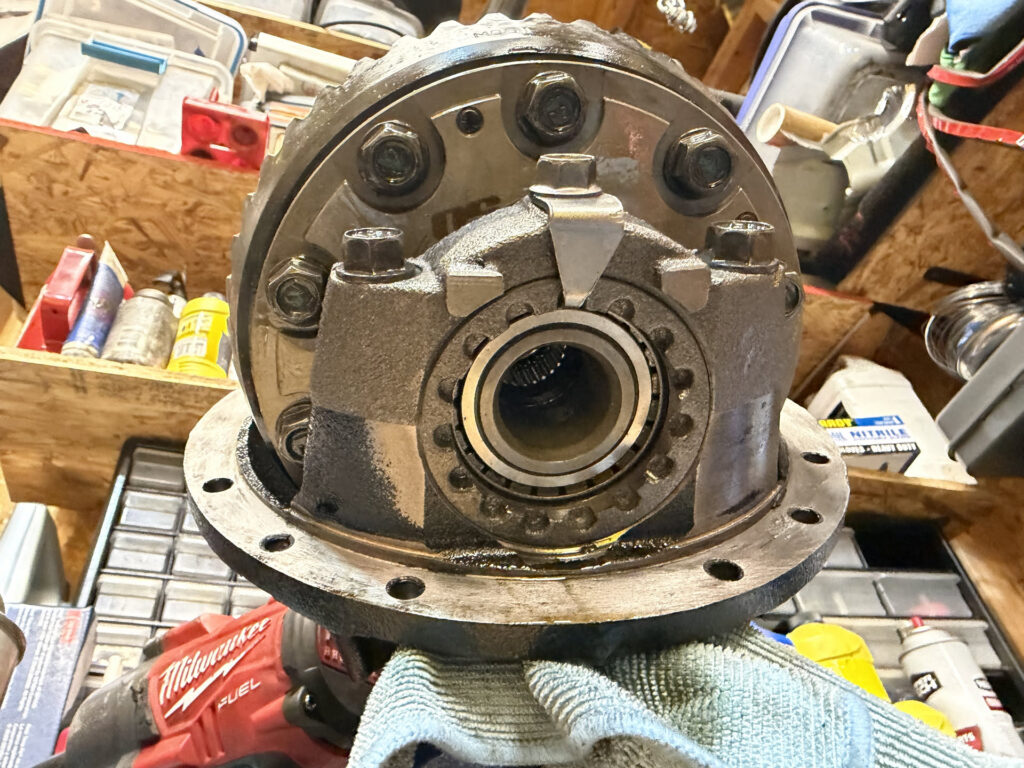
In January 2026, attention shifted to the rear axle. After five seasons of reliable service, the factory Type II Torsen differential—featuring a 4.30 final drive ratio—was retired. Data logs indicated that the Torsen unit struggled to maintain traction during sharp, low-speed cornering maneuvers where the inside rear wheel experienced total unloading. To resolve this, a Supermiata-tuned OS Giken mechanical limited-slip differential was installed within a secondary 4.30 open housing. This differential promises superior lock-up characteristics and predictable power delivery under extreme cornering loads for the upcoming 2026 campaign.
Fleet Expansion and Strategic Implications
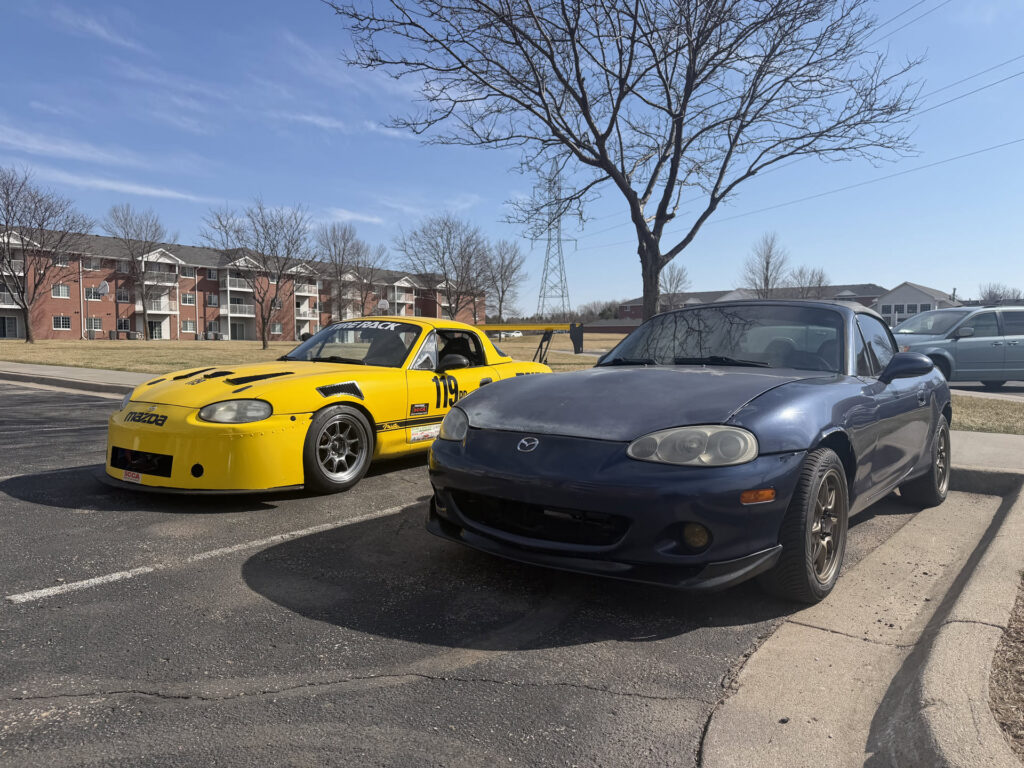
The review period concluded in February 2026 with an unexpected expansion of the garage. Recognizing the severe track orientation of the yellow 2000 Miata, the owner sought a secondary vehicle suitable for daily street driving and low-stakes mechanical experimentation. An online marketplace listing yielded a neglected, high-mileage 2001 Mazda Miata equipped with a Variable Valve Timing (VVT) engine and a six-speed transmission for $1,800.
Despite significant cosmetic and structural neglect—including faded clear coat, body damage, a torn soft top, a missing window, a stripped interior, and a dangerous welded differential—the rust-free chassis presented an exceptional foundation. Within a month of acquisition, the owner installed a replacement soft top, refreshed the interior, fitted new wheels and tires, reverted the suspension to stock dampers, and reinstalled a surplus 4.30 Torsen differential.
Broader Industry Impact and Outlook
The five-year evolution of this NB Miata platform underscores the enduring viability of late-1990s Japanese sports cars in contemporary grassroots motorsport. As new vehicle acquisition costs and electronic complexity price many enthusiasts out of modern performance cars, platforms like the NB Miata continue to provide an accessible, highly customizable laboratory for engineering education, telemetry analysis, and competitive driving.
Implications for the amateur racing community center on the balance between aftermarket modification and baseline reliability. As demonstrated by the trials with aftermarket throttle bodies and the subsequent pivot to OEM-grade and industrial electronic standards (such as Bosch DBW actuators and Deutsch connectors), competitive longevity demands rigorous component engineering. With a heavily refined electrical architecture, advanced telemetry, optimized differential performance, and a newly expanded two-Miata stable, the campaign is well-positioned for the upcoming racing season, proving that meticulous documentation and continuous iteration remain the bedrock of successful amateur motorsport builds.