Retno Hari Mulyono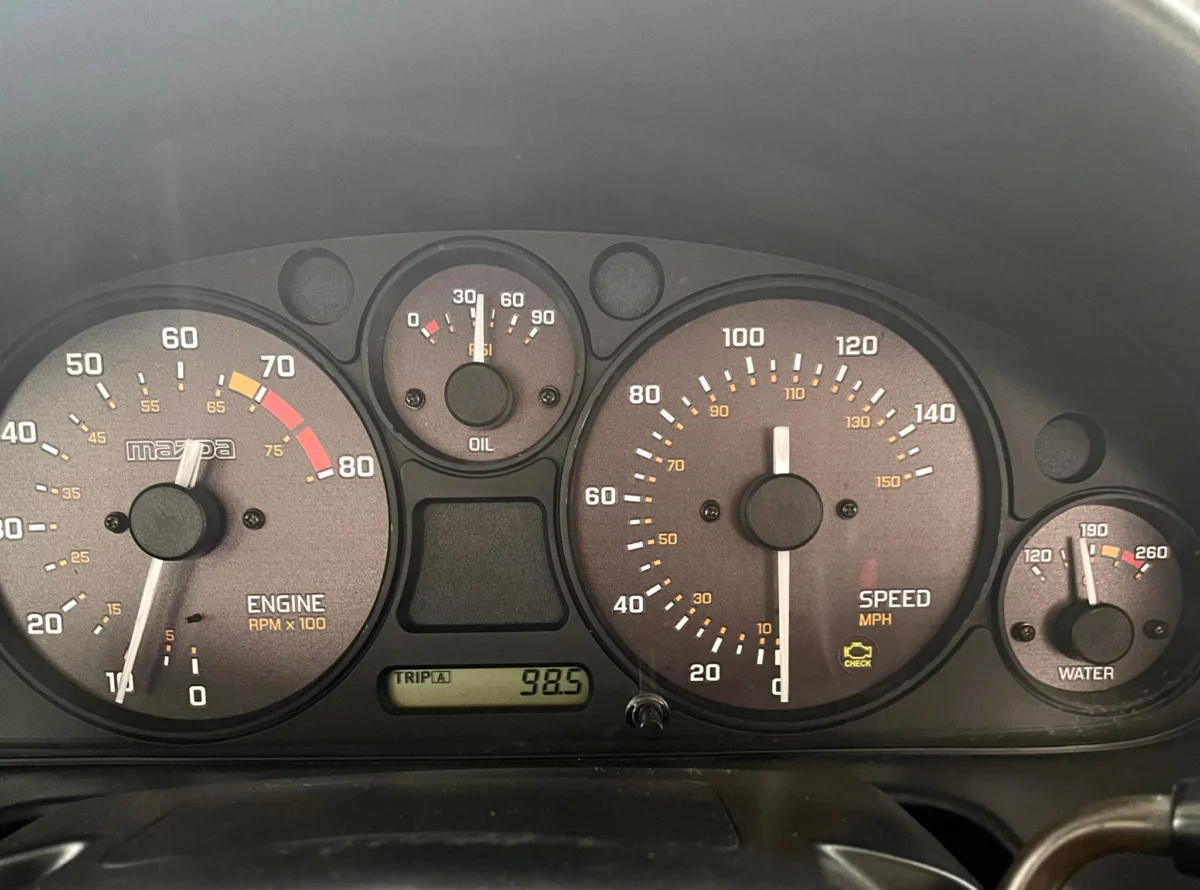
The pursuit of vehicular telemetry and precision instrumentation has long been a defining characteristic of automotive restoration and track-day preparation. For owners of the second-generation Mazda MX-5 Miata, commonly designated as the NB platform produced between 1998 and 2005, monitoring vital engine parameters presents a persistent engineering challenge. A recent technical case study highlights a comprehensive overhaul of an NB Miata’s cockpit instrumentation, moving away from obstructive aftermarket A-pillar gauge pods toward an integrated digital solution utilizing the CANchecked MFA 2.0 multifunction LCD display and custom RevLimiter gauge faces. This modification addresses longstanding limitations in factory instrumentation, balancing functional data acquisition with OEM-plus interior aesthetics.
Background Context of Factory Instrumentation Limitations
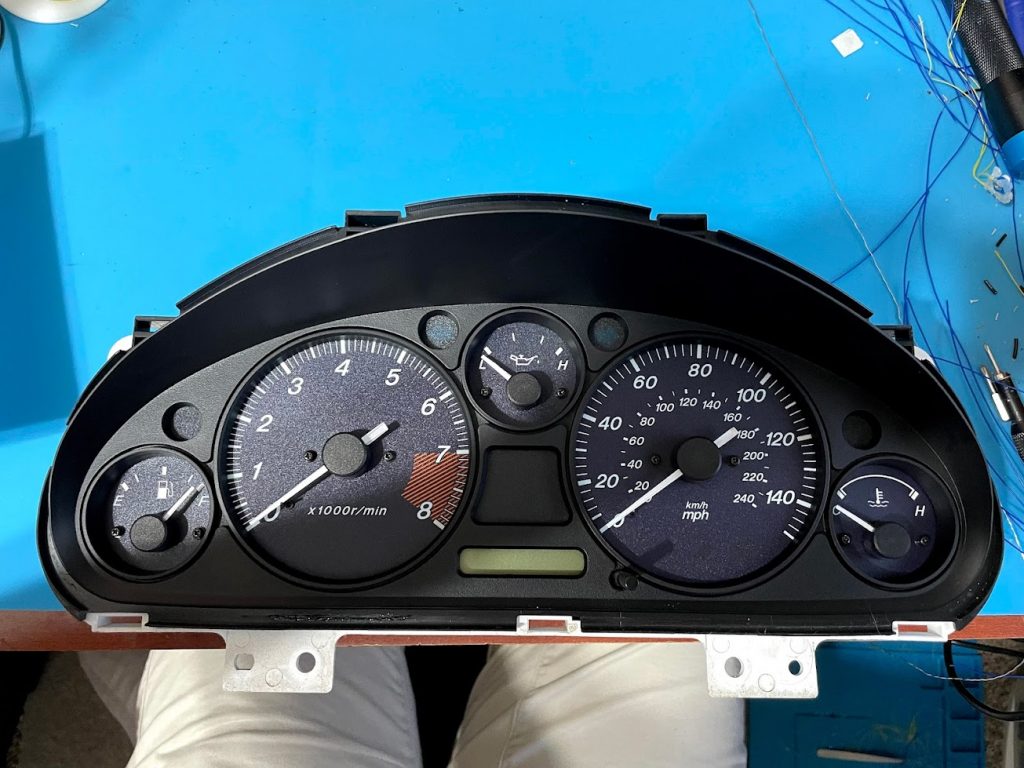
The stock instrument cluster of the NB Mazda MX-5 Miata comprises a straightforward analog arrangement featuring a central tachometer and speedometer, flanked by subsidiary dials for fuel level, coolant temperature, and oil pressure. While sufficient for daily commuting, automotive engineers and performance driving enthusiasts have historically criticized the factory instrumentation for a lack of genuine metric utility, particularly regarding thermal and fluid pressure management.
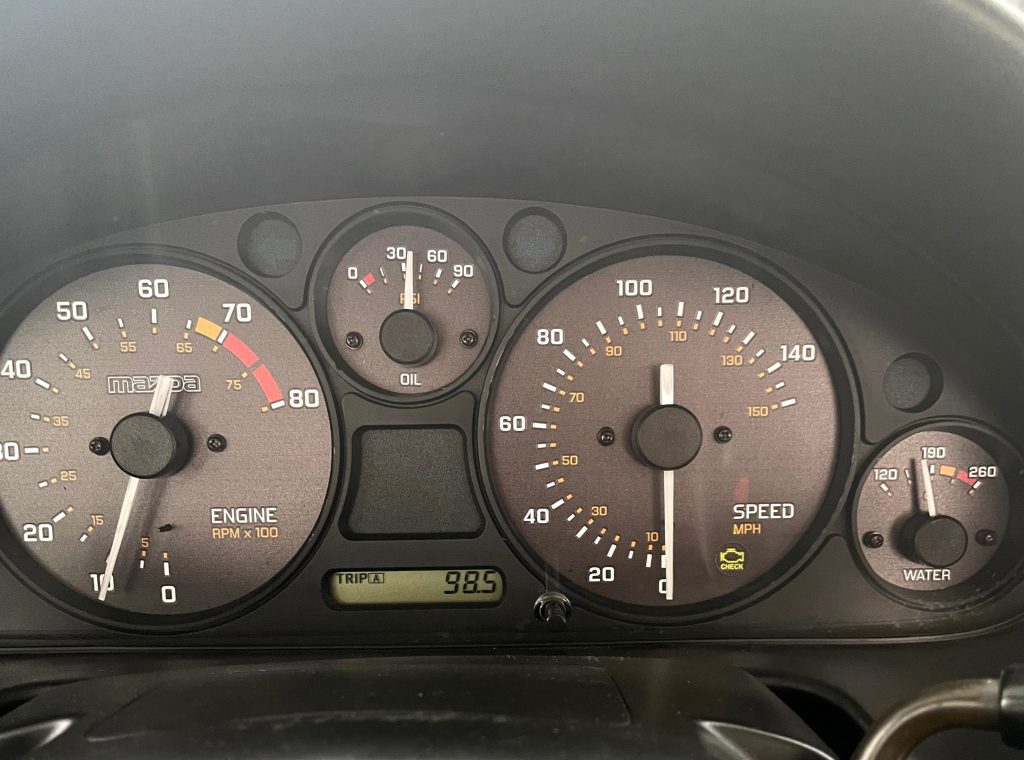
In the standard factory configuration, the NB Miata oil pressure gauge functions essentially as a binary digital indicator disguised as an analog dial. Driven by a simple pressure switch rather than a true pressure transducer, the needle rises to a predetermined median position once the engine achieves nominal operating pressure and remains static throughout normal operation. It provides no progressive feedback regarding oil pressure fluctuations under varying loads or temperatures, shifting only when pressure drops to zero—at which point catastrophic engine damage may have already occurred. This behavior stands in contrast to earlier first-generation (NA6) Miatas, which featured genuine linear oil pressure senders.
Similarly, the factory coolant temperature gauge utilizes a heavily buffered signal from the engine control unit. The needle ascends during the warm-up cycle and settles into a central operating range where it remains stable across a wide spectrum of actual coolant temperatures. It fails to alert the driver to minor thermal spikes, acting instead as a rudimentary indicator that transitions rapidly into an overheating warning only when critical thermal thresholds are breached. Consequently, enthusiasts seeking to track engine health reliably have been forced to pursue aftermarket gauge integration.
The Evolution of Interior Telemetry: A Chronological Overview of Modifications
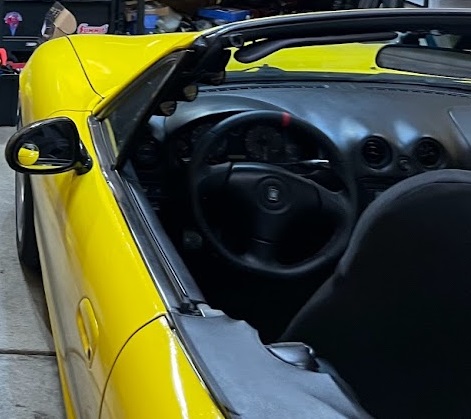
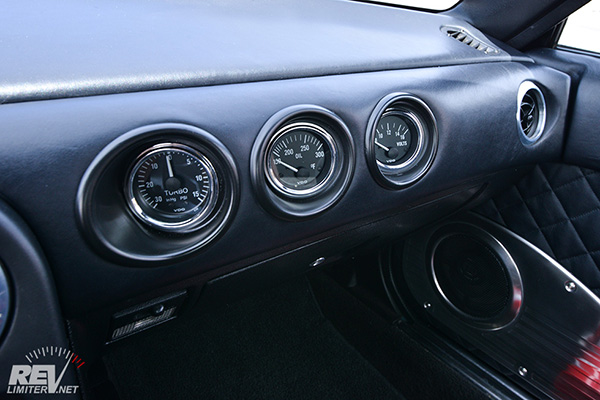
The timeline of interior instrumentation modifications for performance-oriented Miatas typically begins with the adoption of external gauge pods. Initially, the vehicle subject to this recent technical review utilized a triple-gauge pod mounted to the driver-side A-pillar. This configuration housed dual-function digital instruments from Innovative Motorsports, tracking critical metrics including manifold vacuum and boost pressure, oil temperature, oil pressure, coolant temperature, and electrical system voltage. Additionally, an AEM air-fuel ratio (AFR) gauge was integrated into the driver-side climate control dashboard vent.
While this traditional A-pillar setup successfully delivered real-time sensor data to the driver’s peripheral field of view, prolonged usage revealed significant ergonomic and spatial drawbacks. The physical bulk of the triple-gauge pod created a distinct forward-visibility blind spot, a disadvantage during high-precision motorsport events such as autocross competitions, where apex visibility and spatial awareness are paramount. Furthermore, the installation required physical modification and amalgamation of the aftermarket pod with factory trim pieces, resulting in complex wiring harnesses routed through the cabin and up the structural pillar.
Faced with these ergonomic compromises, the vehicle owner initiated a comprehensive reassessment of available interior packaging options for the compact Miata cabin, where dashboard real estate is exceptionally scarce. Alternative locations evaluated within the enthusiast community—such as center console radio-delete plates, steering column cowls, and passenger-side dashboard inserts—offered varying degrees of utility but frequently suffered from awkward viewing angles or required permanent modification of primary interior surfaces.
Integration of the CANchecked Multifunction LCD Display
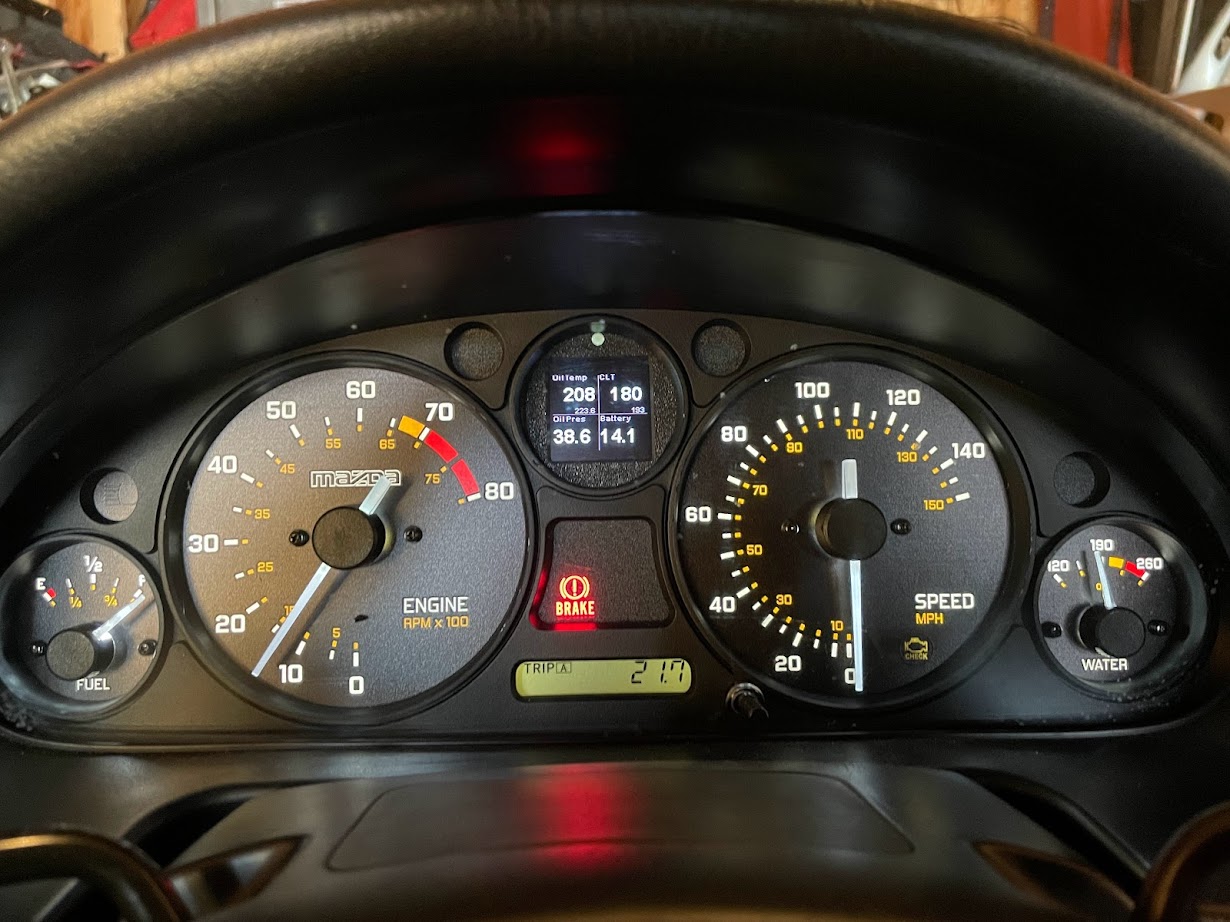
To resolve the spatial constraints and visibility issues associated with external pods, the project transitioned to a streamlined, consolidated digital interface: the CANchecked MFA 2.0 multifunction display. Engineered specifically for integration into classic and modern-classic Japanese sports cars, this compact liquid-crystal display unit is dimensioned to replace the factory oil pressure gauge directly within the stock instrument cluster housing.
The technical specifications of the CANchecked unit allow for up to six discrete sensor parameters to be displayed simultaneously on a customizable, high-resolution screen. Users can configure multiple virtual dashboards tailored to specific driving environments, ranging from street cruising to intensive track-day data monitoring.
Data acquisition for the CANchecked display operates via two primary pathways. The first relies on the Controller Area Network (CAN) bus communication protocol. Because factory NA and NB Miata engine control units lack native CAN bus output capabilities, integration requires the installation of an aftermarket standalone engine management system—such as a Megasquirt ECU—configured to broadcast real-time engine telemetry over a CAN bus network. Alternatively, secondary microcontrollers like Arduino units can be deployed to translate legacy analog sensor signals into digital CAN data streams.
The second data acquisition method utilizes four dedicated analog inputs integrated into the CANchecked hardware. In this particular installation, these analog channels were directly wired to physical sensors monitoring oil pressure, oil temperature, and coolant temperature. While the system accommodates various sender types, engineers note that compatibility with highly nonlinear sensor profiles requires careful calibration.
Field Evaluation and Performance Analysis
Post-installation evaluations of the CANchecked MFA 2.0 display yielded predominantly positive assessments regarding cabin ergonomics and data density. By eliminating the A-pillar pod, forward visibility was fully restored, and the overall interior wiring harness was significantly decluttered. The ability to monitor dynamic oil pressure and precise coolant temperatures in real time mitigated the primary informational hazards associated with factory instrumentation.
However, empirical observation during on-road operation identified one notable performance limitation: display legibility under direct, high-angle sunlight. The peak luminance of the LCD panel occasionally proved insufficient to counteract intense ambient glare, requiring drivers to occasionally rely on secondary visual cues or shading techniques to read rapid sensor fluctuations. Despite this drawback, the integration of a single, centralized digital display set a new benchmark for clean interior packaging in constrained cockpit environments.
Aesthetic Enhancement with RevLimiter Gauge Faces
Complementing the technological upgrade of the instrument cluster, the project incorporated aftermarket gauge faces produced by RevLimiter, a specialty manufacturer renowned in the Mazda MX-5 enthusiast community. While factory gauge face designs are durable, aftermarket overlays offer opportunities for significant aesthetic personalization and improved night-time illumination.
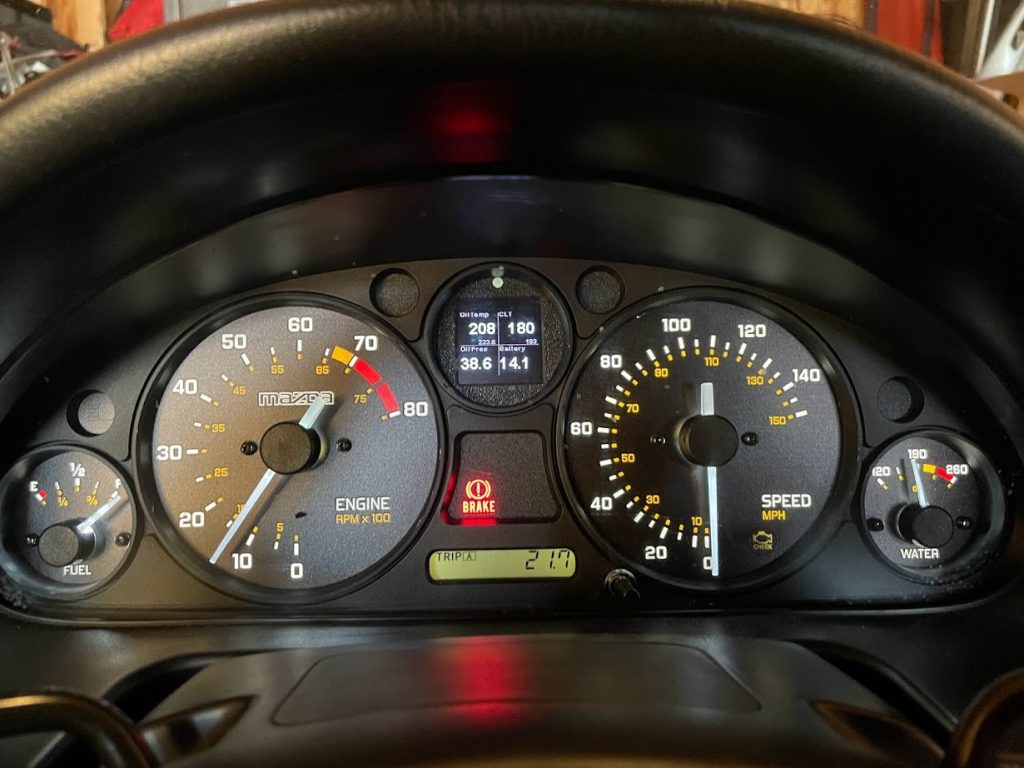
The owner selected the "JNC" design variant, which draws stylistic inspiration from classic Japanese automotive instrumentation, featuring clean typography, high-contrast markings, and deliberate scaling for rapid legibility. Alongside the physical gauge faces, the installation incorporated upgraded white LED backlighting components, replacing the original factory green incandescent bulbs that characterize stock NB instrument clusters.
Installation procedures for custom gauge faces demand meticulous attention to detail, particularly regarding needle calibration and stepper-motor alignment. When executed correctly, the resulting aesthetic meets or exceeds original equipment manufacturer (OEM) standards, bridging the gap between modern digital capability and vintage analog styling.
Broader Industry Impact and Future Telemetry Implications
The shift toward consolidated digital instrumentation in older enthusiast platforms reflects a broader trend within the automotive aftermarket. As retro-modding and chassis preservation gain popularity, owners increasingly favor reversible, high-density modifications that preserve the original design language of the vehicle interior while incorporating modern diagnostic capabilities.
Industry analysts note that the integration of programmable multifunction displays into older sports cars parallels advancements in professional motorsports data acquisition. By consolidating critical health parameters into the primary driver’s line of sight, operators can detect mechanical anomalies before catastrophic failure occurs, thereby extending the operational lifespan of high-performance engines under track conditions.
Looking forward, the evolution of this specific NB Miata project points toward advanced telemetry integration. Future developments under consideration include the installation of a comprehensive data logging system, such as a RaceCapture Pro unit. Such hardware is designed to aggregate ECU telemetry via CAN bus alongside high-frequency GPS tracking, multi-axis accelerometer data, and external chassis sensors measuring critical dynamic forces including brake line pressure, suspension ride height, and real-time wheel speed.
Through the combination of the CANchecked MFA 2.0 display, precision sensors, and custom aesthetic enhancements, the project demonstrates how modern engineering solutions can successfully resolve the ergonomic and informational shortcomings of late-1990s sports car design, providing a scalable blueprint for automotive enthusiasts seeking to modernize classic platforms without compromising driver engagement.