Hartono Sudibyo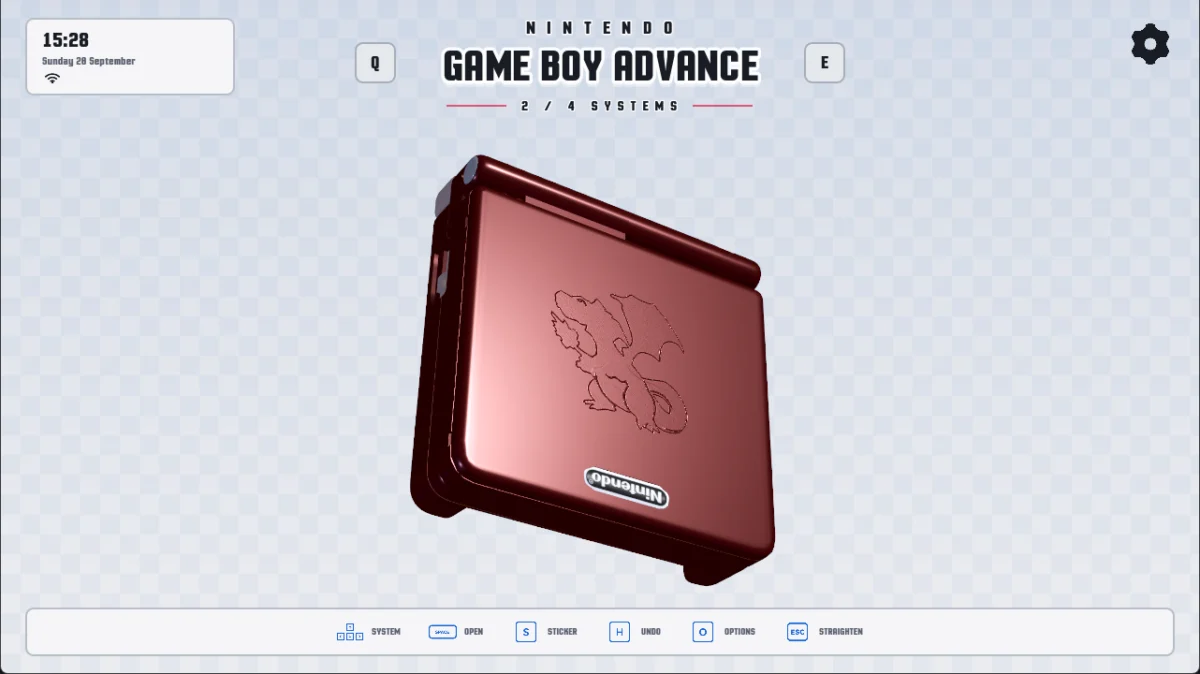
The landscape of retro gaming frontends and software organization tools has experienced a significant shift in recent years, moving away from purely utilitarian lists toward deeply immersive, skeuomorphic user experiences. Leading this design movement is DigiBitPlay, an increasingly popular Android-based frontend that emphasizes physical nostalgia—allowing users to interact with virtual cartridges, optical discs, custom console variants, and shelf displays. Following a developmental trajectory that mirrors the broader emulation community’s push toward tactile digital organization, the platform has officially rolled out its major Version 4 (V4) update. Available to both free and tier-supported patrons via the official DigiBitPlay Patreon platform, the new version expands system compatibility significantly, introducing support for the Super Nintendo Entertainment System (SNES), Nintendo 64 (N64), and the Xbox 360, alongside integration capabilities for Valve’s handheld PC, the Steam Deck.
The evolution of DigiBitPlay reflects a broader consumer demand within the retro gaming community for interfaces that evoke the physical touchpoints of past hardware generations. Traditional frontends have long prioritized speed and raw system resource efficiency, often displaying simple text menus or standardized grid layouts of box art. However, software suites like DigiBitPlay and competitors such as Socket have redefined the user journey. By simulating the physical act of unboxing a game, inserting a compact disc into a customized console tray, or viewing cartridges neatly arranged on virtual shelving units with custom foam inserts, these platforms bridge the psychological gap between digital preservation and physical nostalgia.
Chronology and Development of DigiBitPlay V4
The release of DigiBitPlay V4 marks a milestone in the project’s development cycle, which has accelerated through iterative updates throughout the year. The platform’s initial iterations focused primarily on establishing a stable Android-native framework capable of rendering high-resolution disc and cartridge art without introducing significant input lag or stuttering across mid-range handheld devices.
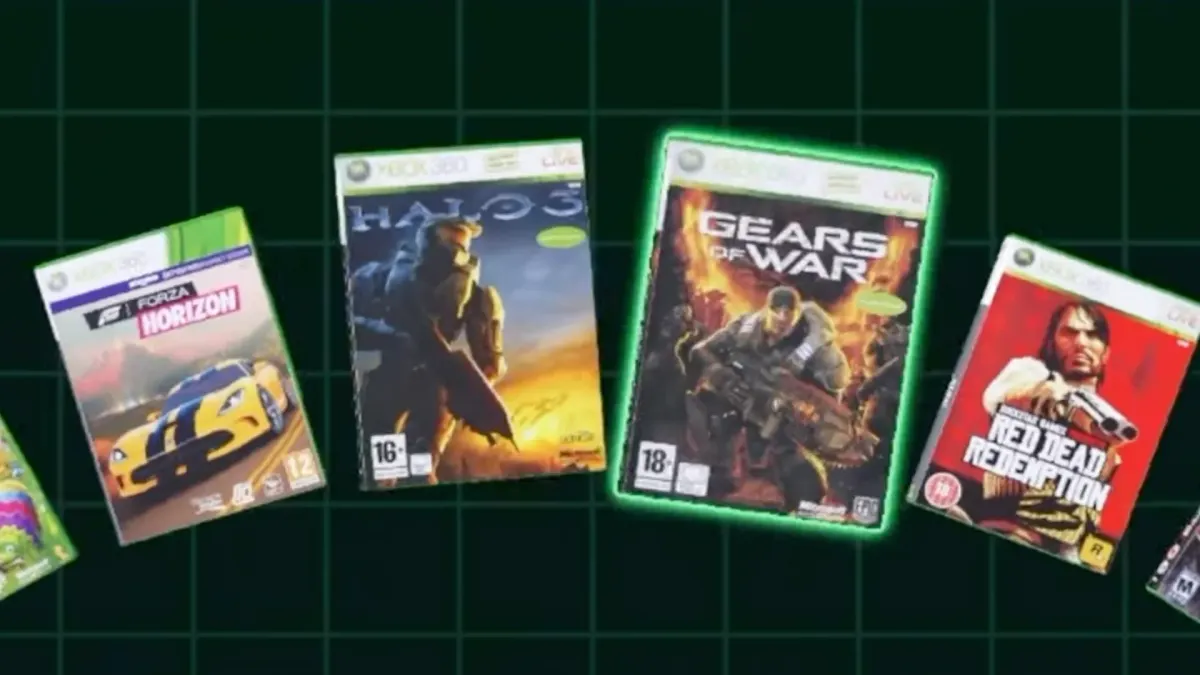
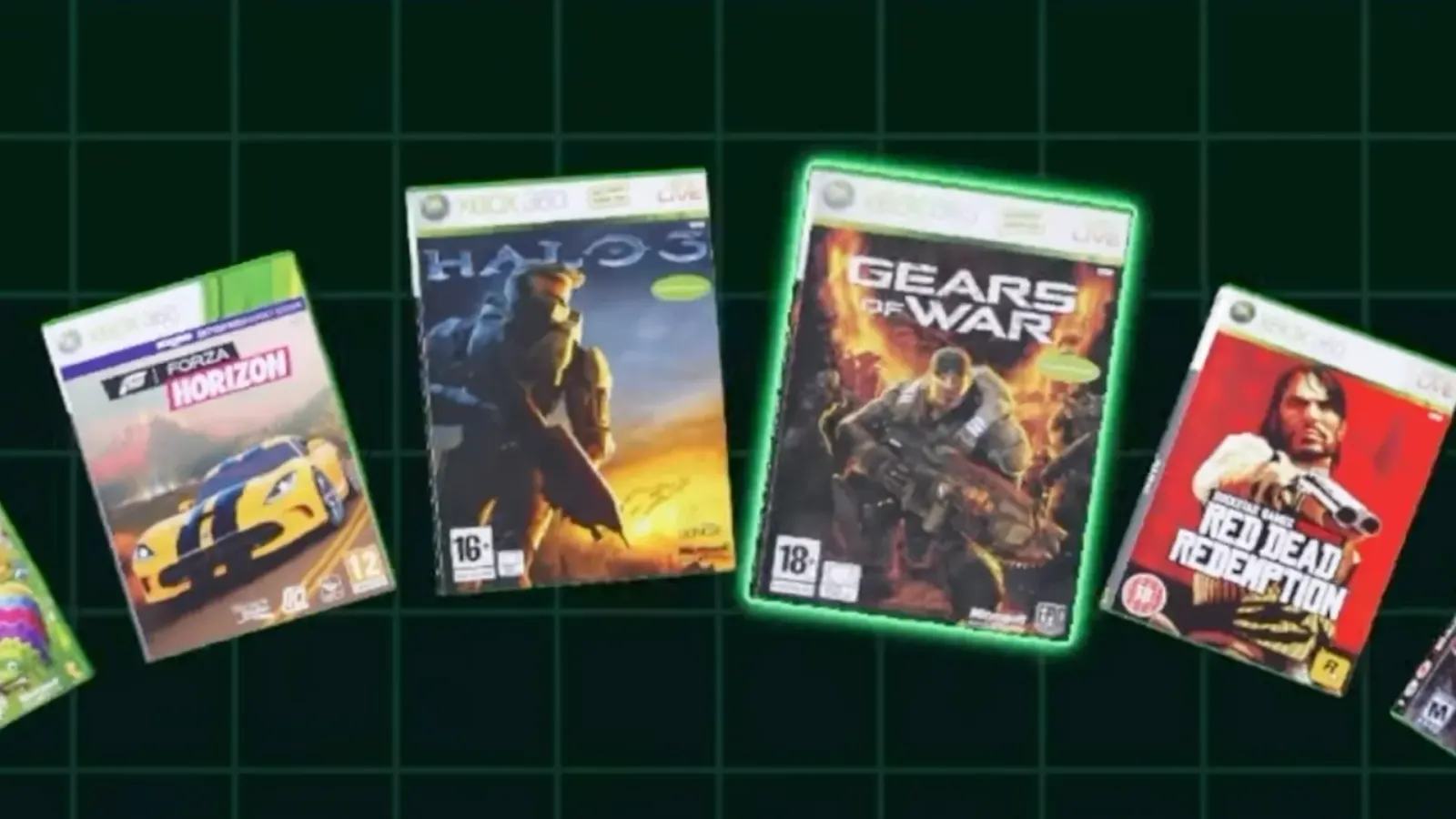
As the developer refined the core database and asset-management architecture, community requests turned toward broader system compatibility and deeper customization mechanics. The deployment of the V4 update addresses these demands directly by expanding the emulation ecosystem that the frontend can visually organize. Most notably, the integration of heavier seventh-generation hardware such as the Xbox 360—alongside classic 16-bit and 64-bit platforms like the SNES and N64—demonstrates the developer’s ambition to create a unified hub for both vintage and modern-retro titles.
While Android-based emulation for complex architectures like the Xbox 360 remains in an experimental and performance-variable state, incorporating the system into the frontend’s visual database allows enthusiasts to catalog and display their libraries uniformly. Furthermore, the inclusion of Steam Deck support broadens the utility of DigiBitPlay’s design philosophy beyond mobile-centric Android retro handheld devices, capturing a demographic of PC handheld gamers seeking alternative, highly stylized organizational layers.

Technical Integration and Feature Expansion
The V4 update introduces several technical and aesthetic upgrades designed to enhance user immersion and library management. Among the core additions are advanced shelf-view layouts, which dynamically render game boxes and cartridges in three-dimensional virtual environments. Users can also apply custom skins and modifications to the emulated hardware interfaces within the app, replicating limited-edition console variants or personalized sticker-covered hardware.
Behind the scenes, the rapid feature expansion and iterative development of DigiBitPlay have been propelled in part by assisted development tools and AI-driven coding frameworks. While the use of artificial intelligence in software engineering has occasionally drawn skepticism within independent developer spaces, the output stability and feature richness of the V4 update indicate a streamlined workflow that allows solo developers to compete with larger, community-driven frontend projects like EmulationStation-DE or Daijishō.
The update structure maintains an accessible entry point by continuing to offer a free tier alongside its Patreon-backed supporter options, ensuring that casual Android users and dedicated collectors alike can test the interface before committing financial support.
Market Context and the Rise of Skeuomorphic Frontends
The release of DigiBitPlay V4 arrives at a time of heightened competition within the retro gaming frontend market. For over a decade, Android and Linux handheld ecosystems relied heavily on standardized launchers that prioritized function over form. However, the commercial explosion of dedicated vertical and horizontal retro handhelds—manufactured by companies like Anbernic, Retroid, and Ayaneo—has catalyzed a parallel boom in custom software interfaces.
Frontends like Socket initiated a trend toward interactive, object-oriented digital curation earlier in the year, proving that users are willing to trade minimalist efficiency for deeply personalized, nostalgic interactions. DigiBitPlay has capitalized on this momentum by refining the fidelity of its asset rendering, focusing specifically on disc media and cartridge variants. Market analysts note that as emulation hardware becomes increasingly powerful—capable of running systems up to the PlayStation 2, GameCube, and early seventh-generation consoles smoothly—the bottleneck in user experience has shifted from hardware capability to software presentation and game discoverability.
Broader Implications for Digital Preservation and Curation
The shift toward physical simulation in digital launchers carries broader implications for how modern gamers interact with abandoned or legacy software. By framing ROM collections through the lens of physical ownership—complete with virtual packaging, manuals, and media discs—frontends like DigiBitPlay contribute to the preservationist ethos of honoring the original hardware culture.
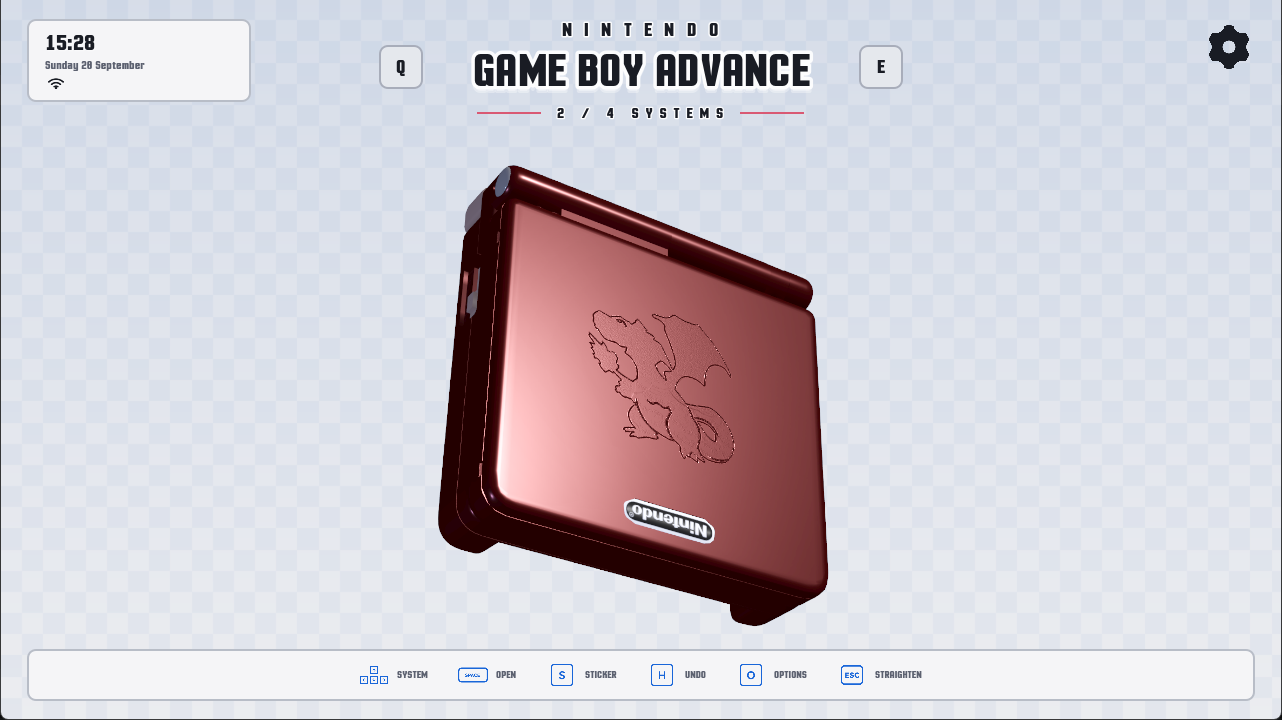
For the end user, these interfaces transform the often sterile experience of scrolling through thousands of unorganized files into an act of digital curation. The ability to display titles on virtual shelves or organize them using custom foam inserts elevates the software from a mere emulator launcher to an interactive museum of gaming history.
As the development team continues to refine DigiBitPlay following the V4 rollout, attention is expected to turn toward optimizing performance on lower-end Android chipsets and expanding asset support for the newly added SNES, N64, and Xbox 360 libraries. Enthusiasts and prospective users can access documentation, community discussions, and download links for both the free and updated versions directly via the official DigiBitPlay Patreon portal.