Retno Hari Mulyono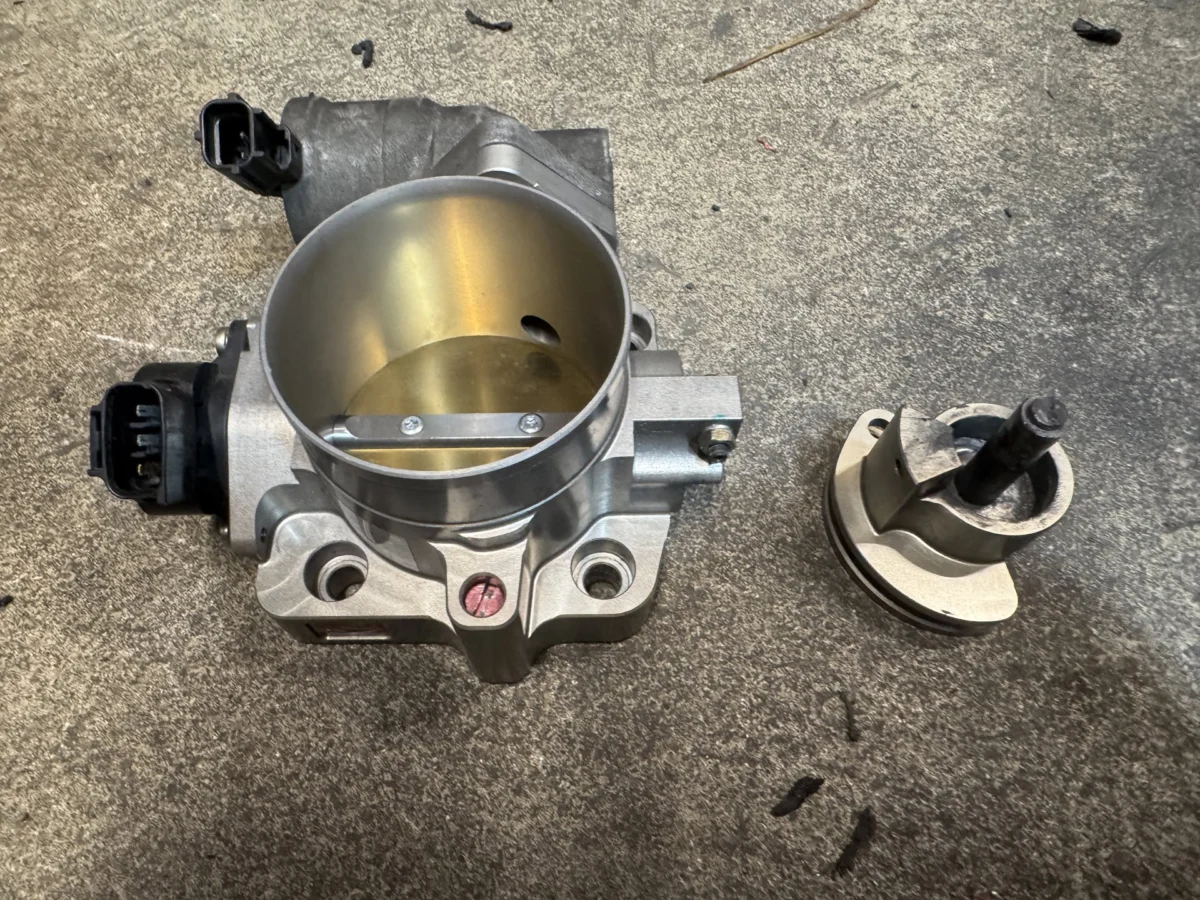
The ongoing evolution of aftermarket engine management has reached a significant milestone for enthusiasts of the Mazda MX-5 Miata platform. Following a series of mechanical failures during track events throughout the 2025 racing season, a prominent automotive builder has initiated a comprehensive transition from traditional cable-actuated throttles to a modern electronic drive-by-wire (DBW) system. Utilizing an existing Megasquirt MS3Pro Evo standalone engine control unit (ECU), this retrofit project addresses persistent mechanical vulnerabilities while evaluating the performance, integration capabilities, and market viability of current CAN bus-compatible DBW controllers.
Background and Catalyst for Upgrades
The Mazda NA and NB Miata platforms, spanning model years 1989 through 2005, rely fundamentally on a mechanical throttle cable setup connecting the accelerator pedal directly to the throttle body butterfly valve. While this mechanical linkage is renowned for its simplicity, enthusiasts pushing modified engines in competitive track environments frequently encounter limitations.

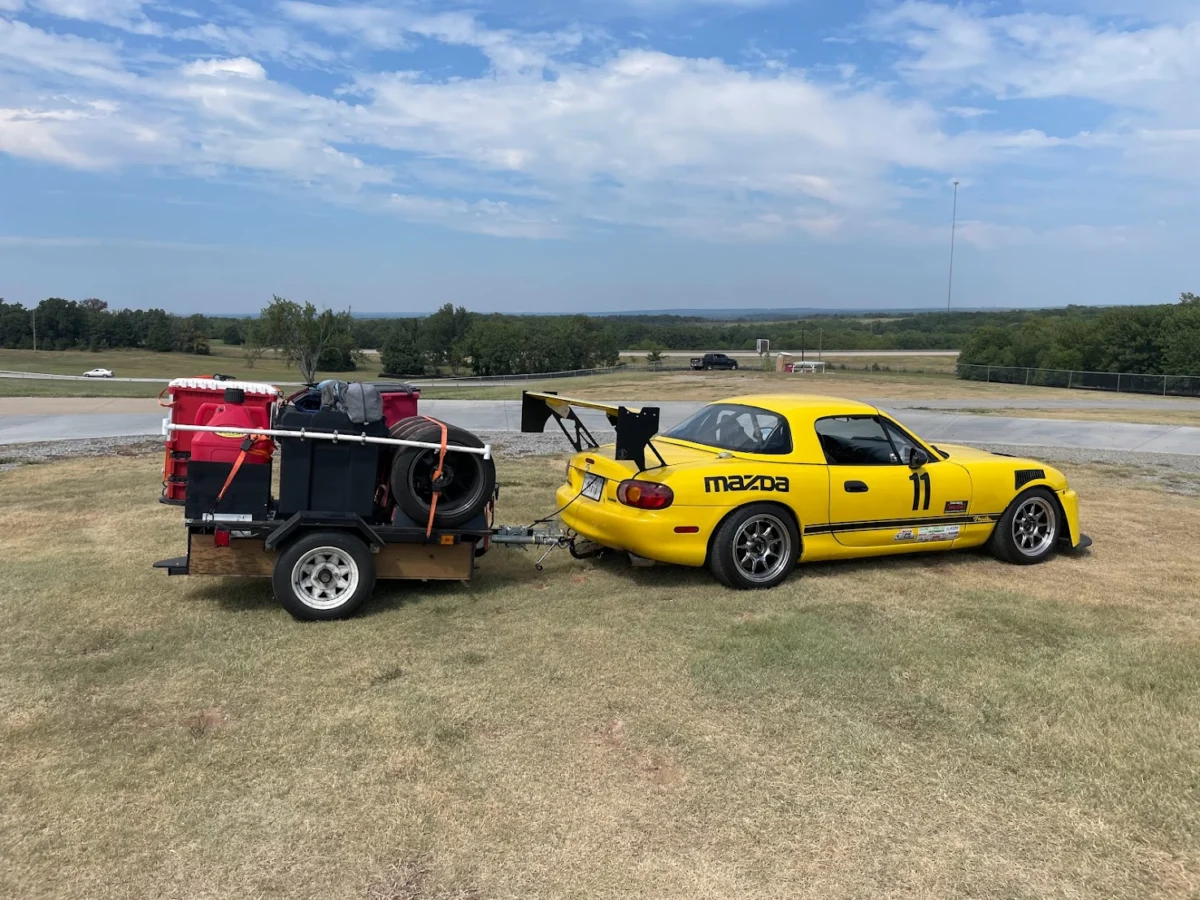
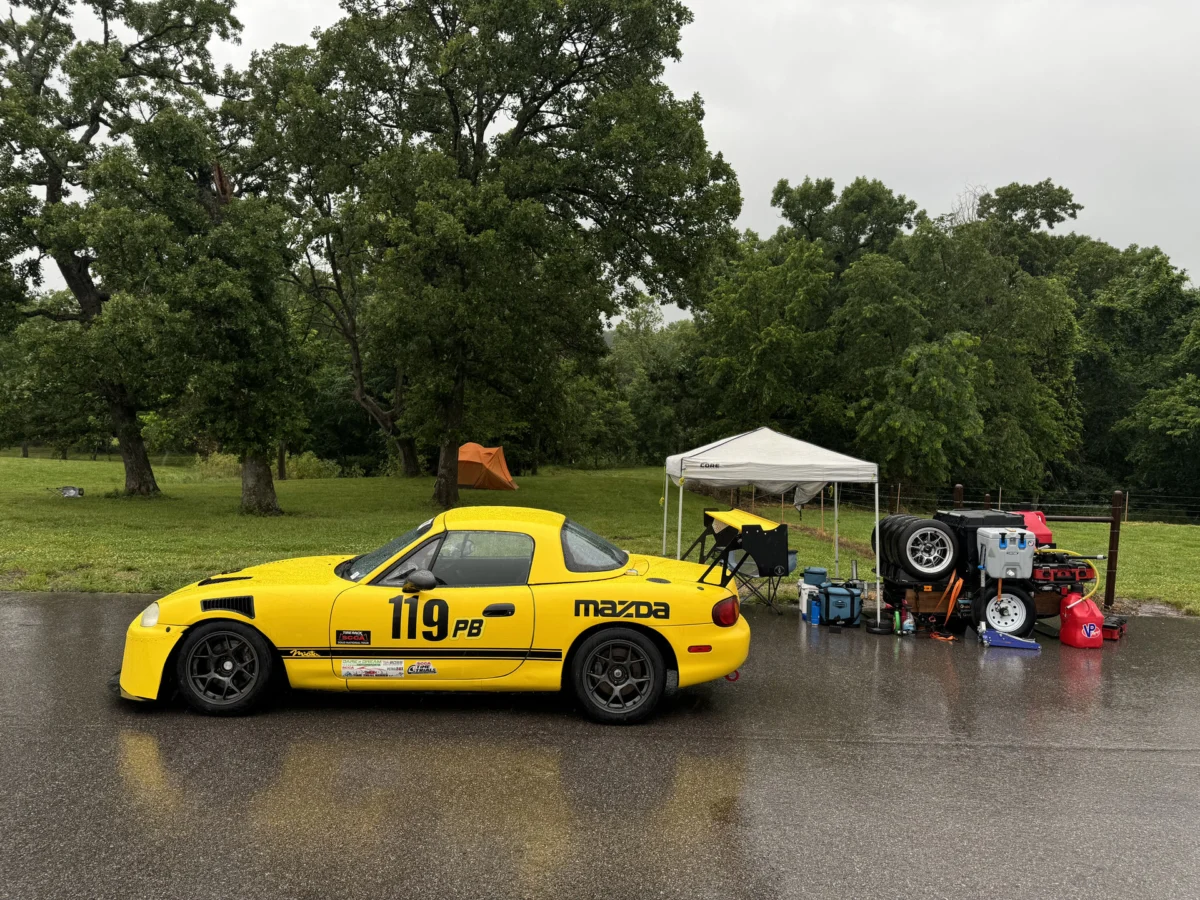
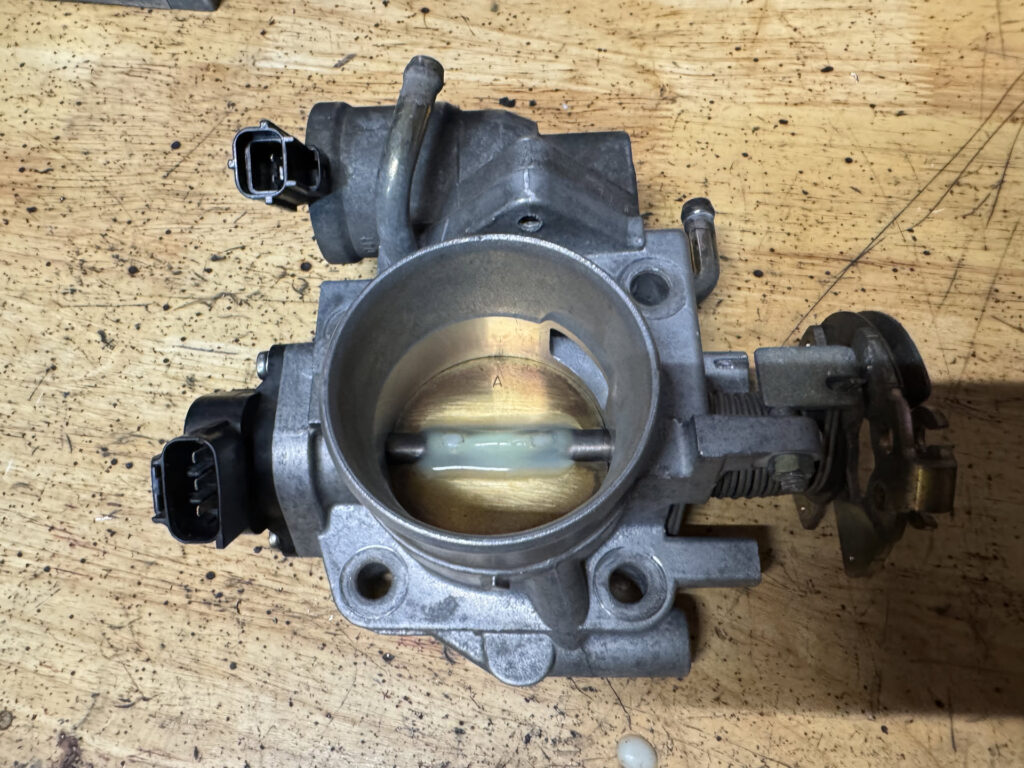
The primary catalyst for the current conversion project stems from recurring hardware failures experienced on track during the 2025 season. The vehicle in question—a 2000 Mazda Miata producing approximately 140 horsepower at the wheels—suffered two separate throttle body failures utilizing the popular aftermarket Skunk2 unit. These incidents included a complete mechanical failure of the internal throttle shaft, a critical structural fault that risks catastrophic engine damage if metallic debris is ingested into the combustion chamber. Furthermore, documented issues across the broader Miata community indicate that both aftermarket and factory cable-driven throttles are prone to throttle blade screws backing out, shafts snapping, or butterfly valves sticking partially open, leading to hazardous high-idle conditions.
Faced with a lack of robust, off-the-shelf, cable-driven alternatives specifically engineered for high-performance Miata applications, the builder temporarily utilized an OEM throttle body reinforced with 3M DP420 epoxy. However, recognizing the long-term limitations of mechanical linkages in competitive motorsports, the decision was made to abandon cable actuation entirely in favor of an electronic drive-by-wire architecture.
Chronology of the Conversion Strategy
The transition to drive-by-wire requires a carefully coordinated hardware overhaul to bridge factory mechanical interfaces with advanced digital signal processing. The engineering roadmap is divided into three distinct phases: component selection, controller benchmarking, and final system integration.

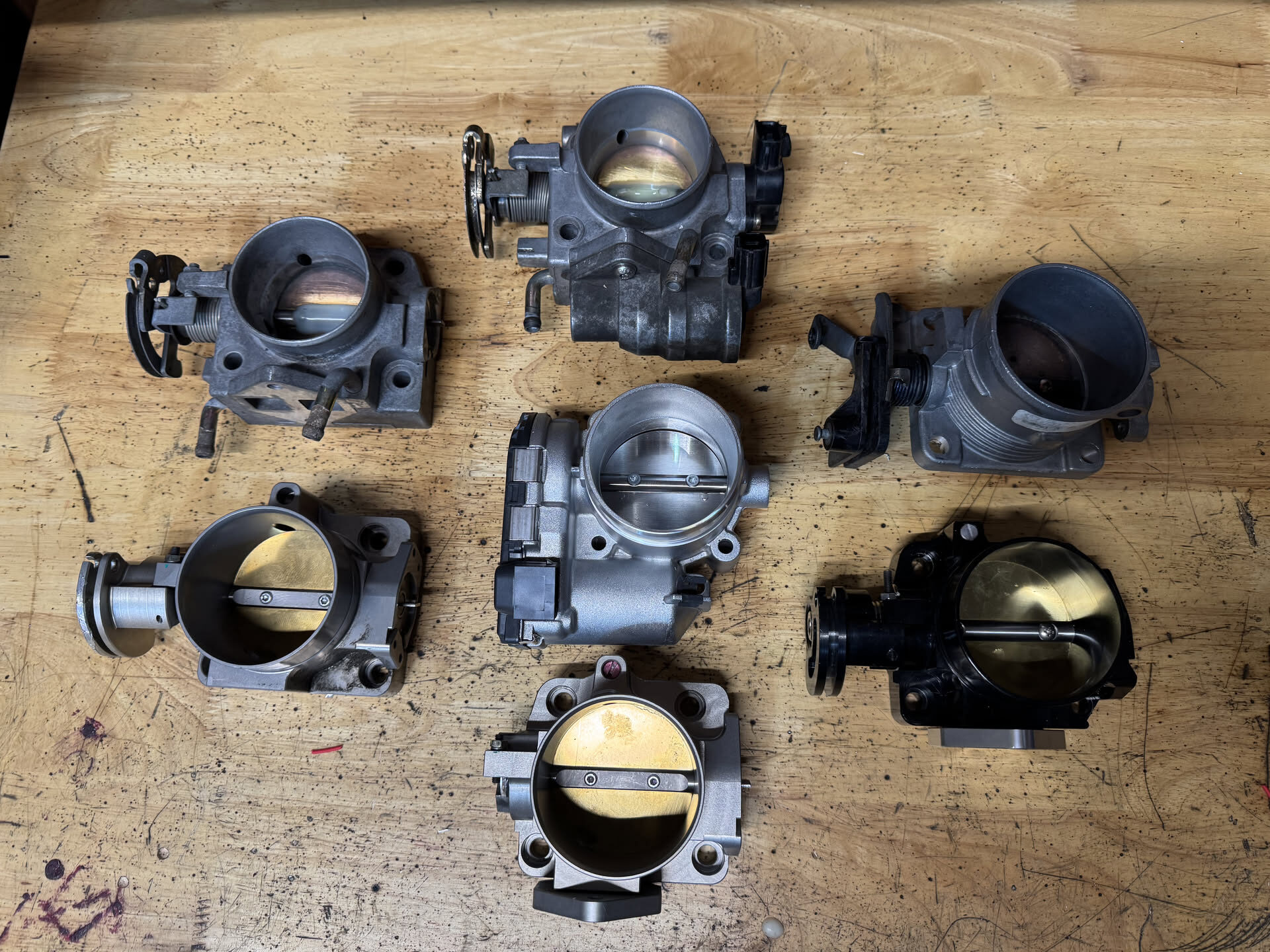
During the initial sourcing phase, attention turned to the intake tract. To replace the restrictive factory flange, a Bosch Motorsports 60mm electronic throttle body was selected due to its OEM-grade reliability, widespread availability, and accessible price point near $150. Because the Bosch unit features a non-standard bolt pattern relative to the Mazda intake manifold, an aftermarket manifold adapter sourced from Outsider Garage was integrated to streamline installation and ensure airtight sealing under boost or high-vacuum track conditions.
For accelerator input, the project utilizes a remote-mounted cable-driven accelerator pedal position sensor sourced from late-model Honda V6 applications, specifically 2003 through 2007 Honda Accords and corresponding Acura models. This component acts as a transducer, translating the physical pull of the factory accelerator cable into dual analog voltage signals read by the DBW controller. This approach preserves the traditional mechanical feel of the pedal while retaining compatibility with factory cruise control mechanisms, bypassing the need for extensive under-dash fabrication.

Supporting Data and Controller Market Analysis
Unlike modern factory ECUs or select high-end aftermarket engine management systems—such as Haltech or MaxxECU—which feature native drive-by-wire processing, the Megasquirt MS3Pro Evo relies on external CAN (Controller Area Network) bus communication to manage electronic throttles. To accommodate this architecture without replacing the primary ECU, the project procured and evaluated three distinct Megasquirt-compatible CAN bus DBW controllers available on the global market as of late 2025:

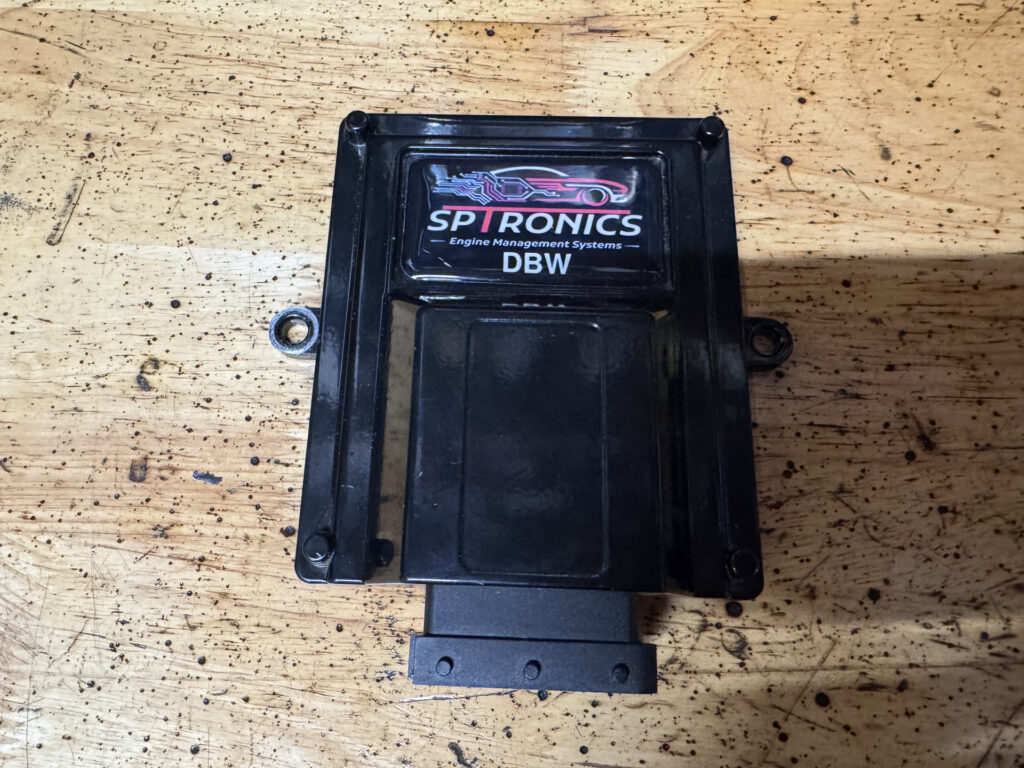
- SPTronics DBW Controller: Positioned at an entry-level price point of approximately $150, this unit offers reliable performance and dual-throttle capabilities in its multi-channel iterations. However, it exhibits limitations in firmware update capabilities, adjustable CAN termination resistance, and advanced PID (Proportional-Integral-Derivative) tuning parameters.
- DBWX2 Controller: Introduced to the market around 2019, this unit represents the premium tier of DBW integration, retailing near $500. It features robust dual-throttle control architectures, making it suitable for complex dual-plenum or supercharger bypass configurations.
- AMP EFI DBW Controller: Launched in October 2025, this competitively priced $300 module represents the newest hardware option evaluated. It incorporates advanced safety redundancies, dedicated brake and clutch inputs for configurable auto-blip downshift logic, and the flexibility to operate as a standalone module via direct TPS and idle input pins.
Broader Impact and Industry Implications
The implementation of drive-by-wire on legacy platforms like the NB Miata illustrates a growing trend within amateur and professional motorsports: retrofitting modern OEM safety and control logic into vintage chassis.

By eliminating the physical throttle cable, builders effectively remove a major point of mechanical failure while unlocking software-defined capabilities previously restricted to modern factory performance vehicles. These include programmable throttle sensitivity mapping, closed-loop idle speed stabilization under varying electrical loads, integrated cruise control functionality, and automated throttle blips during downshifts to synchronize drivetrain speeds and prevent rear-wheel lockup under heavy braking.
While the necessity of an intermediary CAN controller adds wiring complexity compared to native ECU integrations, the availability of modular third-party hardware broadens the accessibility of electronic throttle systems for budget-conscious engine management platforms like Megasquirt.
Next Steps in the Evaluation Process
With the hardware acquisition phase complete, the project enters its testing and validation period. The vehicle will undergo successive installations of the SPTronics, DBWX2, and AMP EFI controllers to empirically measure responsiveness, signal latency, diagnostic reporting, and long-term durability under track conditions. The findings from this comparative evaluation will determine the permanent hardware configuration for the vehicle’s future endurance racing and high-performance driving events.