Edi Durjana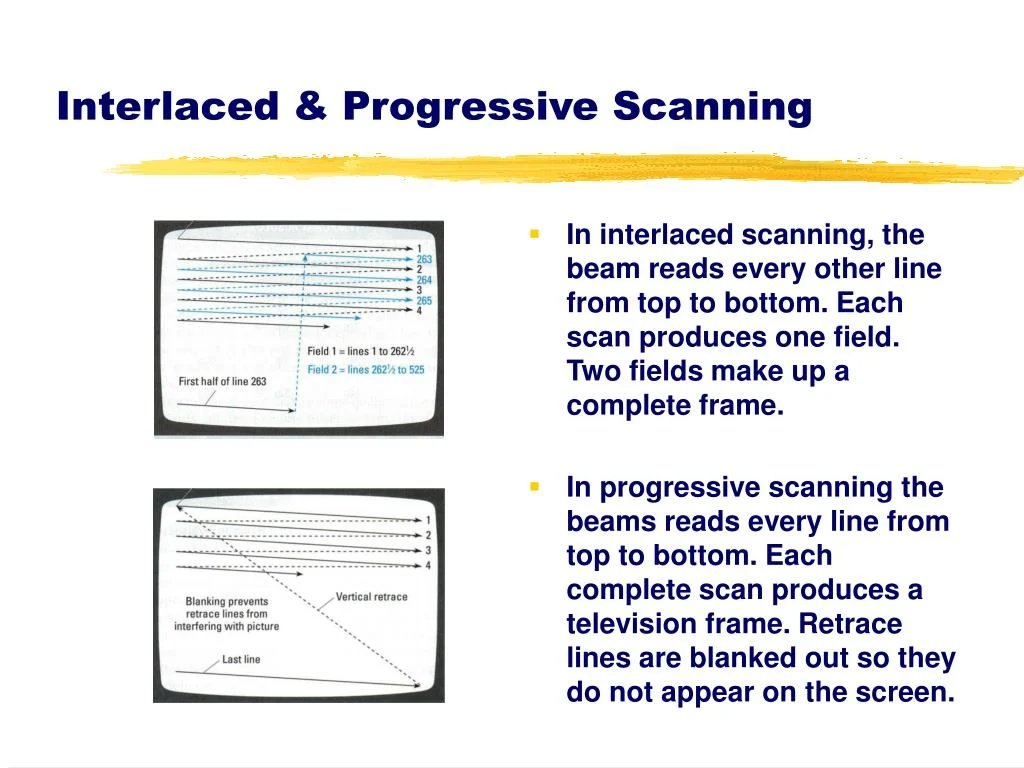
Built from the ground up to interface seamlessly with Cathode Ray Tube (CRT) displays, the Sony PlayStation 2 remains one of the most mechanically fascinating and misunderstood engineering achievements in video game history. Released at the turn of the millennium in March 2000 in Japan, followed by North American and European rollouts later that year, the console arrived at the precipice of a massive display paradigm shift. Unlike modern digital hardware engineered around fixed pixels and rigid high-definition resolutions, the PlayStation 2 was architected entirely around analog video output, scanlines, and precise timing intervals. While the hardware did feature a rudimentary VESA display mode via an official Linux toolkit for VGA monitors, this peripheral application was largely an afterthought, ignored by commercial software developers who focused their efforts on mainstream television sets.
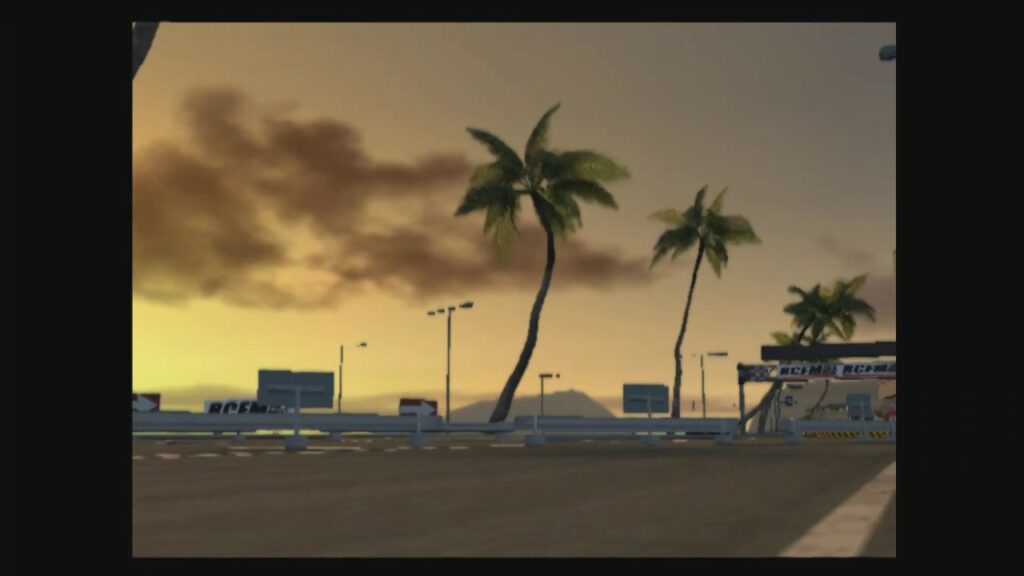
To understand why sixth-generation titles behave the way they do on screen, industry analysts and hardware historians must evaluate the unique constraints and unprecedented strengths of the console’s central processing architecture. At the heart of the system lay the Graphics Synthesizer (GS), a specialized GPU paired with an exceptionally tight allocation of just 4MB of embedded dynamic RAM (eDRAM). Sony’s hardware designers frequently urged developers to conceptualize this memory not as a conventional framebuffer repository, but as a high-speed scratchpad. Despite its diminutive size, the GS boasted memory bandwidth that utterly devastated contemporary PC graphics cards and rival consoles. Operations such as complex alpha blending, multi-pass rendering, and high-speed framebuffer copies—historically catastrophic for memory throughput—were executed with negligible performance overhead. Games like Criterion Games’ Driv3r pushed this pipeline to extremes that would have instantly crippled rival architectures.
Furthermore, the integration of two independent SIMD coprocessors, Vector Unit 0 and Vector Unit 1 (VU0 and VU1), established a fully programmable geometry pipeline. This granted the PlayStation 2 hardware capabilities akin to modern mesh shaders nearly two decades before such paradigms materialized in mainstream PC hardware architectures like the NVIDIA GeForce RTX 20 series. Yet, these architectural marvels existed in a delicate ecosystem constrained by the physical realities of analog display technology.
The Imperative of Frame-Pacing and the Field-Rendering Dilemma
Engineers programming for the PlayStation 2 faced an unrelenting incentive structure: games were practically required to maintain a locked 60Hz frame rate in NTSC regions (or 50Hz in PAL territories) to prevent severe visual degradation. This design constraint was deeply tied to the console’s handling of scanline modes. Early iterations of Sony’s Software Development Kit (SDK) strictly supported interlaced scanline modes, requiring a 60Hz refresh rate to output a standard 640×448 image. As the platform matured, developers were granted a choice between frame mode—rendering full progressive frames—and field-rendered mode, which utilized interlaced frames.
Field rendering offered an enticing shortcut for memory-starved developers. By outputting interlaced frames, the memory footprint per frame could be slashed in half, rendering at resolutions as low as 640×240 or 512×224. This halving of pixel data fit neatly within the 4MB confines of the Graphics Synthesizer eDRAM while drastically shortening render times. However, this optimization introduced a severe penalty: if a game missed its frame-pacing target and forced the hardware to display the previous frame twice, the entire image would jarringly shift vertically by a single scanline.
To avert this visual artifacting, developers instituted aggressive internal frame-skipping routines, temporarily slowing game logic to preserve a locked 60Hz output—a technique notably utilized in titles like SSX 3. Conversely, frame mode rendered full-resolution images (640×448 or 512×448), increasing render times and making a consistent 60Hz target harder to achieve. Yet, frame mode was more forgiving during dropped frames, causing the display to simply repeat the secondary field of the previous frame without the violent vertical displacement characteristic of field-rendered hiccups.
This reliance on CRT analog blending meant that the PlayStation 2 could mask its relatively modest native resolutions behind the optical illusion of interlaced scanlines. Consequently, the platform boasts the highest volume of 60fps titles of its era, particularly within its launch library—a feat driven as much by hardware limitations as by developer ambition. For contemporary print journalists relying on single-frame capture devices, however, this interlaced output was a nightmare. Magazines capturing odd or even fields in isolation produced notoriously jagged screenshots ("jaggies"), creating a widespread public misconception that the hardware suffered from inferior image quality, when in truth the imagery resolved smoothly on a standard analog television.
The Widescreen Evolution and the "Vert-" Compromise
The PlayStation 2 era also coincided with the slow commercial death of the traditional 4:3 aspect ratio and the nascent adoption of 16:9 widescreen displays, catalyzed heavily by the console’s built-in DVD playback capabilities. As anamorphic widescreen movies popularized wide-format home entertainment, consumers began demanding similar treatment for video games. Early sixth-generation titles universally targeted 4:3, but as the 2000s progressed, developers increasingly incorporated native widescreen options.
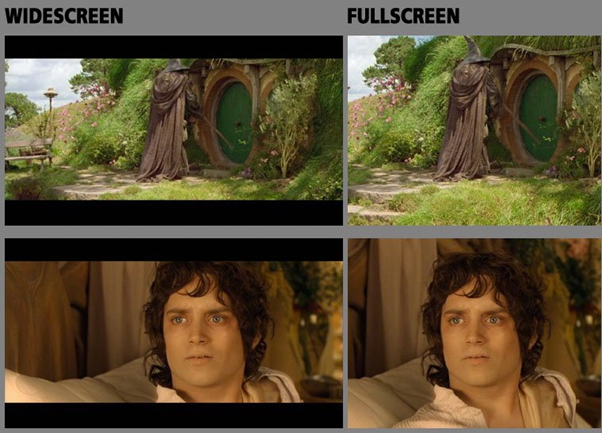
When implementing widescreen, developers typically gravitated toward one of three rendering methodologies: Hor+ (expanding the horizontal field of view while maintaining vertical resolution), Vert- (cropping top and bottom boundaries and zooming in on the center), or a hybrid approach. The vast majority of PlayStation 2 developers opted for the Vert- approach. Because zooming and scaling operations were virtually cost-free on the Graphics Synthesizer, cropping the vertical image ensured the output remained comfortably inside the 4MB eDRAM limit. Expanding the horizontal resolution via Hor+ required additional memory bandwidth and pixel real estate that the console’s architecture struggled to spare.
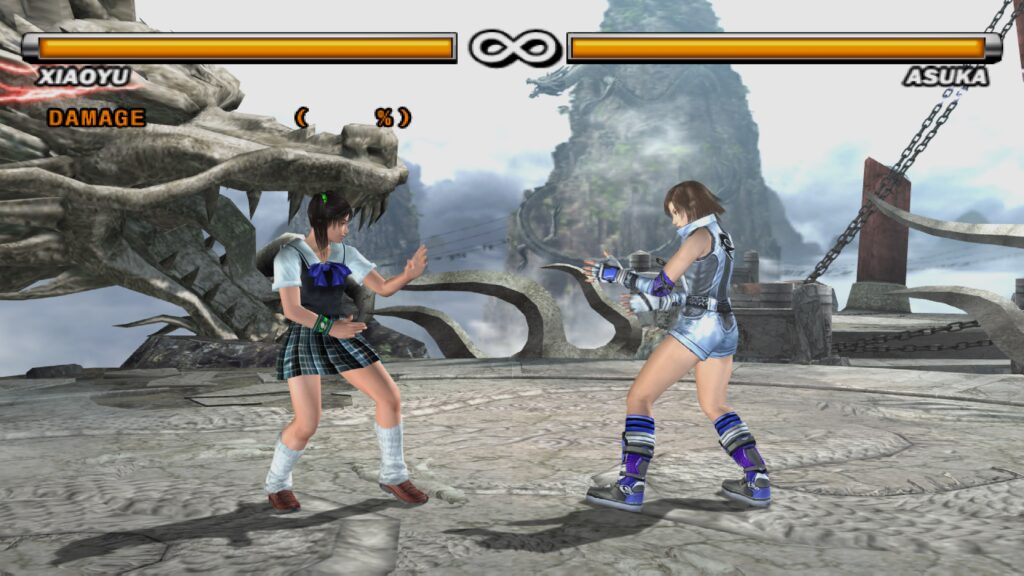
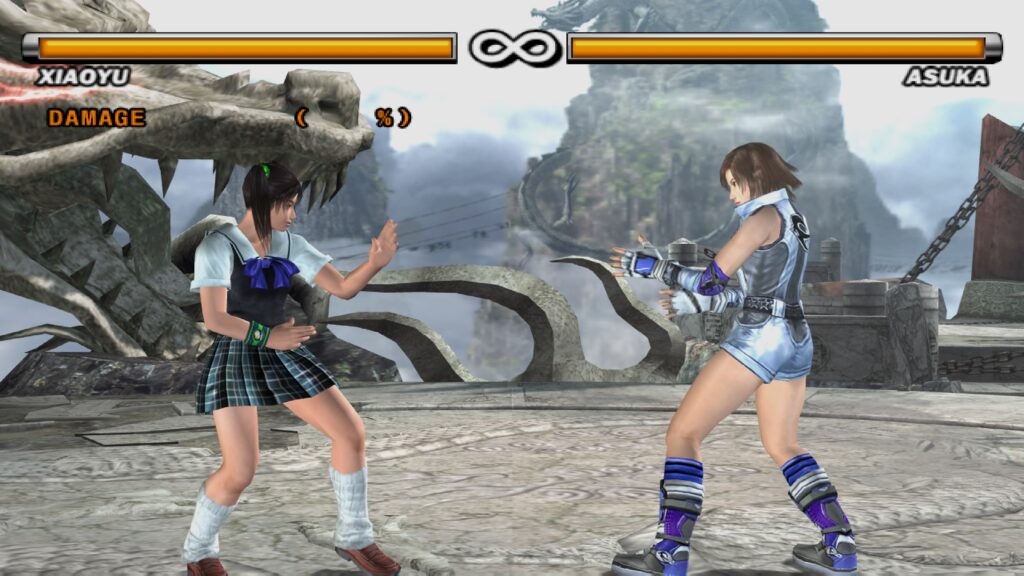
Acclaimed titles such as Tekken 5, alongside the entirety of the Ratchet & Clank and Jak and Daxter libraries, utilized Vert- implementations. In Tekken 5, for instance, the native widescreen mode acts as a quasi-widescreen solution: peripheral visual data at the extreme top and bottom of the frame is systematically discarded, while the remaining central image is magnified to fill a 16:9 display. While functional, this left enthusiasts yearning for true horizontal expansion—a correction later achieved via software emulation patches that unlocked true Hor+ rendering by expanding the rendered viewport rather than cropping it.
The Advent of Progressive Scan and Regional PAL Disparities
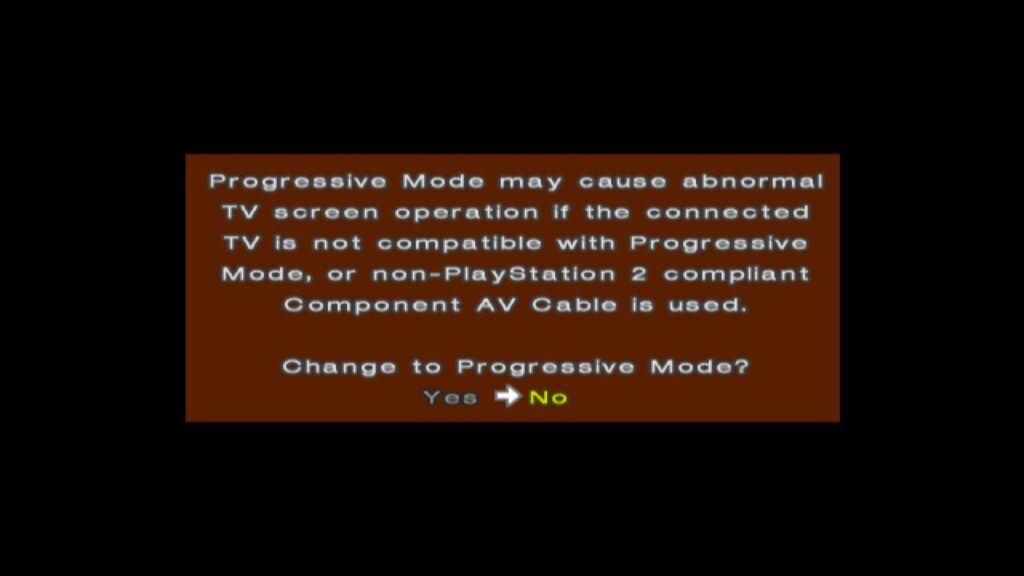
As the CRT market approached its twilight, manufacturers introduced Enhanced-Definition Television (EDTV) standards capable of handling 480p and 576p progressive scan signals. Utilizing component cables in North America and Japan, or RGB SCART cables in Europe, users could bypass interlacing artifacts entirely by holding down the X and Triangle buttons during a game’s boot sequence to trigger progressive scan modes.
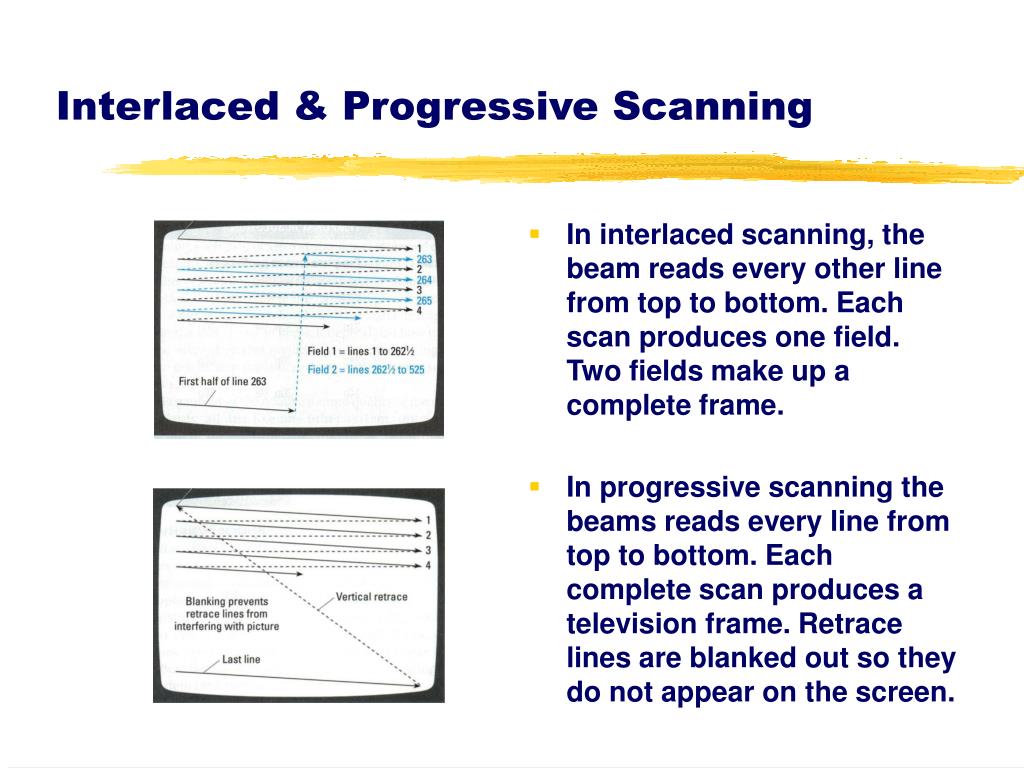
While progressive scan delivered clean, non-interlaced full frames, it occasionally forced developers to make compromises. To accommodate uncompressed progressive frames within the 4MB eDRAM, certain titles reduced color depth to 16 bits per pixel (bpp), introducing visible color banding. Nevertheless, progressive scan remained vastly superior to standard interlaced output for most users. Some software flagships, such as Gran Turismo 4 and Valkyrie Profile 2, even advertised 1080i modes. Technical analysis reveals these resolutions were optical illusions engineered by the Graphics Synthesizer’s Cathode Ray Tube Controller (CRTC). Gran Turismo 4, for example, rendered internally at 640×540 before utilizing integer magnification (MAGH of 3 and MAGV of 2) to scale the image up to 1920×1080, fooling contemporary displays into accepting an HD-labeled signal.
Simultaneously, the European market faced unique hurdles due to the dominance of PAL television standards running at 50Hz, compared to the 60Hz NTSC standard in Japan and North America. While the competing Sega Dreamcast aggressively championed PAL60 modes to mitigate the 16.9% speed penalty inherent to standard PAL conversions, Sony declined to establish PAL60 as a mandatory system standard. Consequently, many early European PlayStation 2 releases were locked to 50Hz, featuring heavy letterboxing due to PAL’s higher vertical scanline count.
UK-based studios—such as Psygnosis, Core Design, and DMA Design—frequently went to great lengths to optimize their titles for PAL displays, increasing scanline density for sharper image quality, though the underlying gameplay speed remained sluggish unless specifically retuned. By 2002, software publishers increasingly integrated 50Hz/60Hz toggles into their startup menus. However, titles heavily reliant on pre-rendered Full Motion Video (FMV), such as Square’s Final Fantasy X, frequently omitted these options because shipping duplicate sets of 50Hz and 60Hz high-definition video sequences exceeded the storage capacity of standard DVD media.
The Transition to High Definition and Modern Legacy
By 2005, the consumer electronics landscape shifted decisively away from analog CRTs toward digital LCD and plasma high-definition displays, coinciding with the launch of seventh-generation hardware like the PlayStation 3 and Xbox 360. For retro enthusiasts, this transition proved remarkably hostile. Early liquid crystal displays introduced severe input latency, motion blur, and aggressive ghosting. Sixth-generation consoles, which frequently relied on CRT motion blur characteristics and interlaced feedback loops to mask transient frame drops, looked exceptionally poor on early flat-panel screens. Software features like the "Software Overdrive" mode in Soulcalibur III were desperate attempts by developers to mitigate afterimage persistence on early LCD panels.
For decades, playing legacy analog hardware on modern digital displays required expensive upscalers to combat input lag and visual distortion. However, modern display technology has finally closed this historical loop. With the advent of OLED panels, ultra-low response times, and advanced emulation shaders—such as the CRT beam-racing simulator pioneered by BlurBusters within retro gaming frameworks—enthusiasts can now experience PlayStation 2 software with near-CRT levels of motion clarity and latency, married to the authentic visual presentation originally envisioned by developers in the early 2000s.