Hartono Sudibyo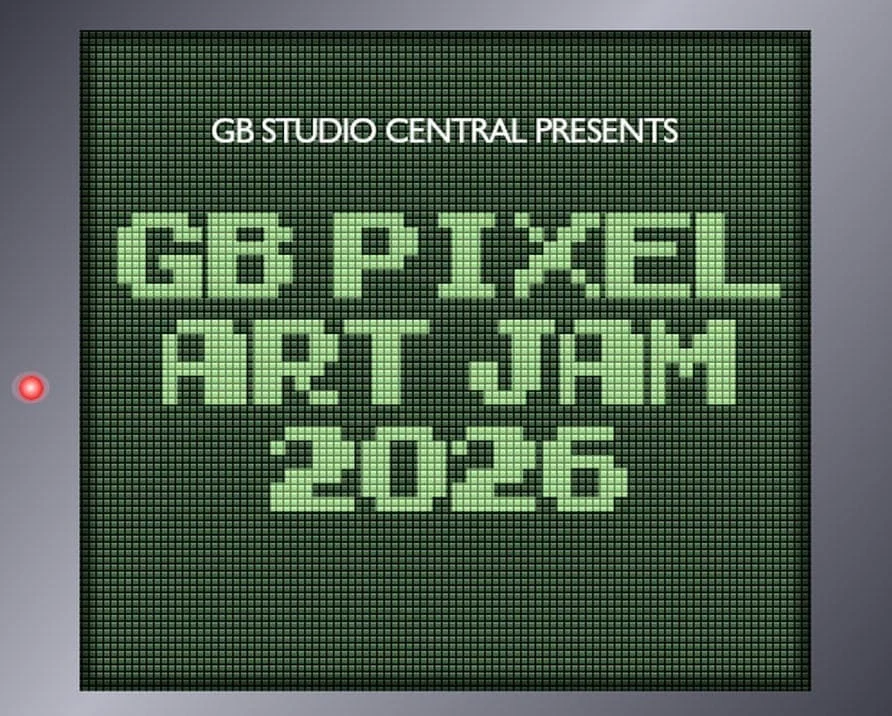
The global retro gaming and digital art communities are preparing for the return of a unique creative challenge as the fourth annual Game Boy Pixel Art Jam opens its submissions on Itch.io. Scheduled to run over the weekend of October 10th and 11th, the event invites both amateur and professional pixel artists to test their technical ingenuity within the strict parameters of 1989 handheld hardware. Organized in collaboration with the GB Studio Central Team, the community-driven jam has evolved rapidly since its inception, establishing itself as a premier showcase for low-resolution digital artistry and grassroots retro software development.
Main Facts and Core Event Parameters
The competition challenges participants to create a standalone piece of pixel art adhering strictly to the native graphical capabilities of Nintendo’s iconic Game Boy. Artists are given a strict 48-hour window to conceptualize, design, and submit their work upon the revelation of the secret theme, which remains confidential until the jam officially commences to ensure a level playing field.
Every submitted artwork must measure precisely 160 pixels wide by 144 pixels high, matching the exact pixel resolution of the original monochrome Game Boy screen. While modern tools and software suites such as Aseprite, Photoshop, or GB Studio are permitted, creators must grapple with the artistic limitations of restricted color palettes, monochrome shading techniques, or limited Game Boy Color palettes depending on their stylistic choice.
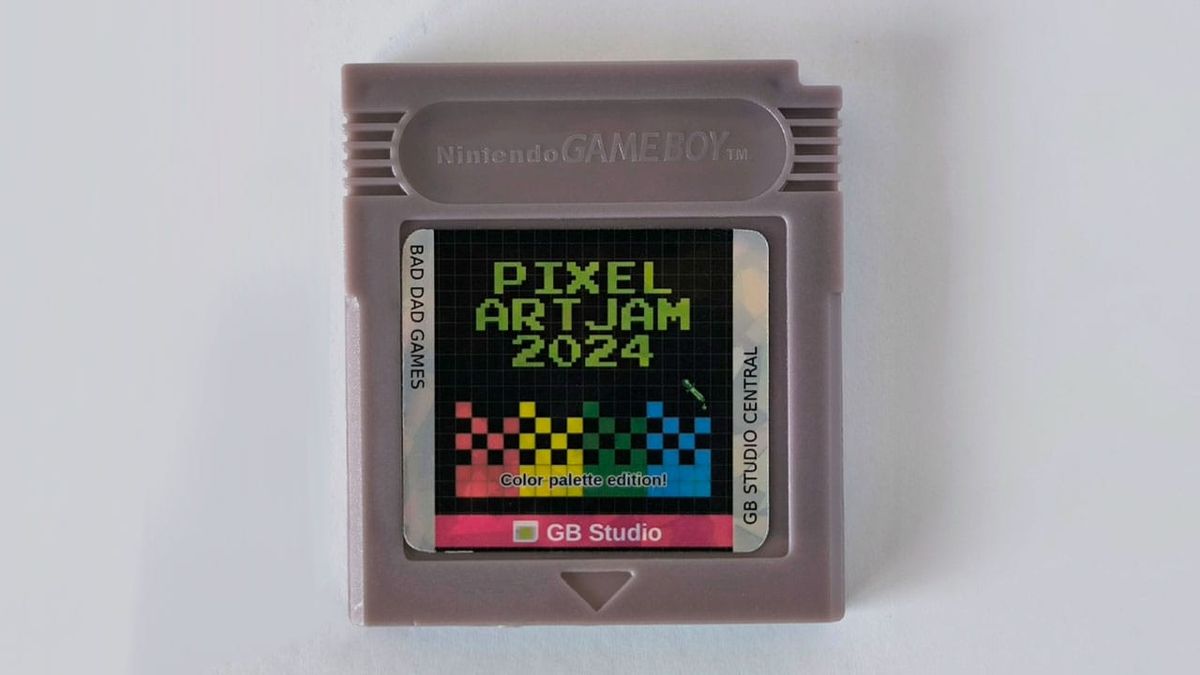
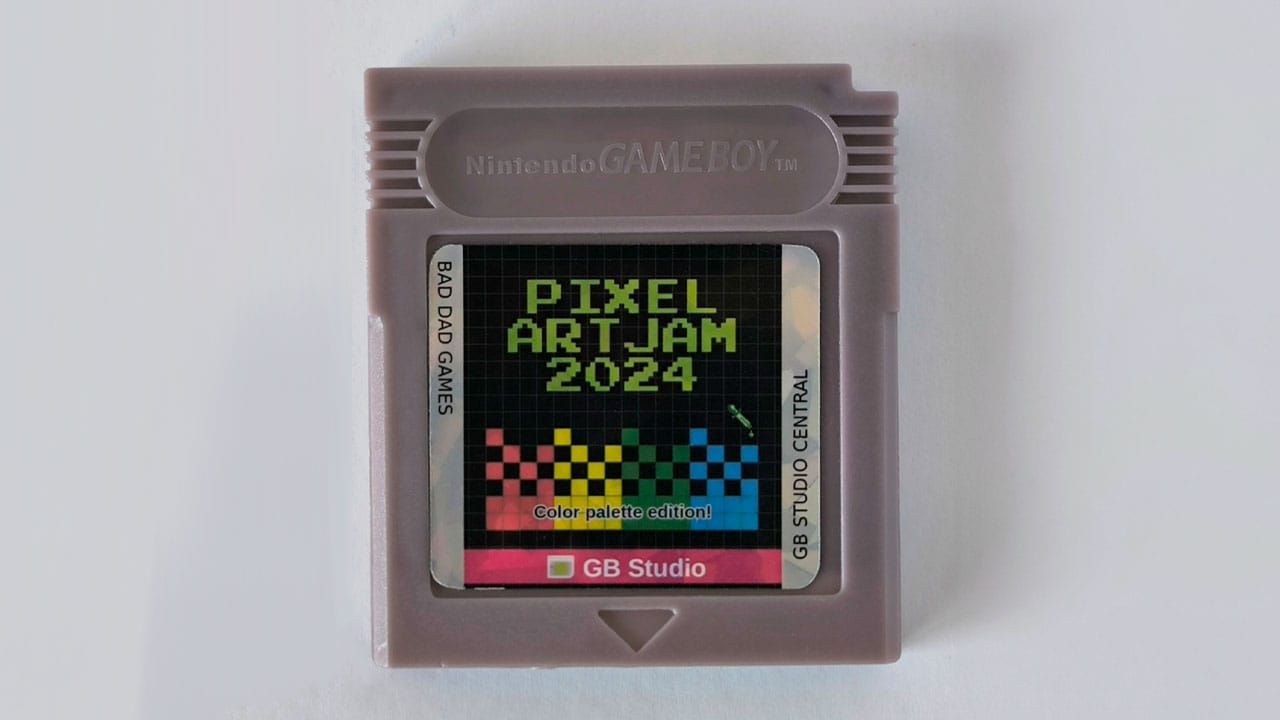
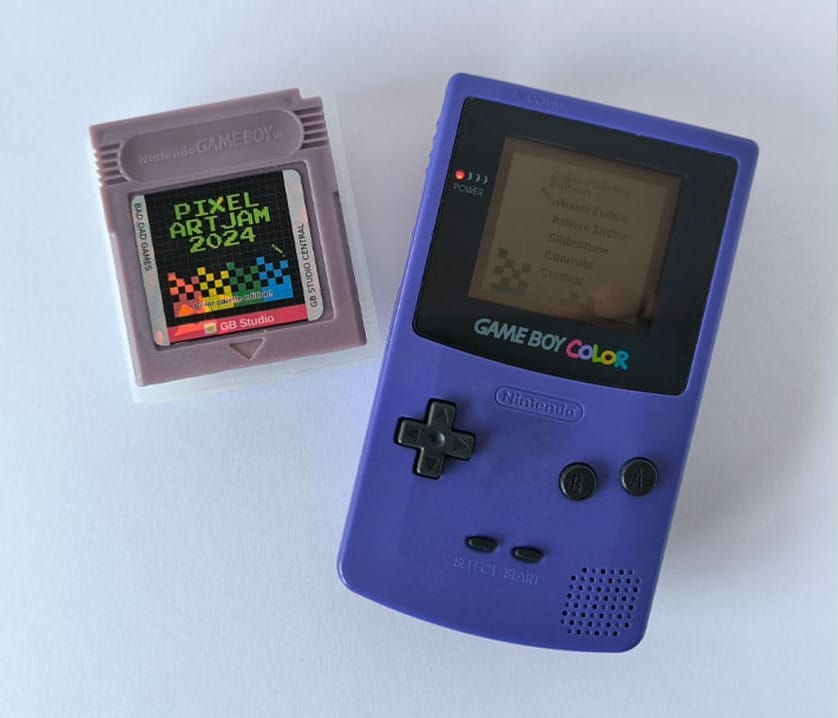
Upon the conclusion of the 48-hour development cycle, organizers compile all qualifying entries into a unified, playable ROM file. This digital artifact can be executed on any standard Game Boy emulator or flashed onto custom hardware. Furthermore, through an ongoing partnership with hardware developer InsideGadgets, participants and collectors have the option to purchase physical Game Boy cartridges containing the compiled artwork at cost price, bridging the gap between digital creation and tangible retro media.
Chronology and Background Context of the Event
The Game Boy Pixel Art Jam was established in 2023 by enthusiast and organizer Philip Hunt, alongside contributors from the GB Studio Central Team. Conceived as a low-pressure community initiative, the inaugural event sought to celebrate the enduring appeal of 8-bit aesthetics and provide a welcoming entry point for creators intimidated by traditional, long-term game development jams.
During its inaugural year, the event surprised organizers with its high turnout and enthusiastic reception. The combination of a brief time commitment—spanning just one weekend—and rigid hardware constraints struck a chord with digital artists looking for a focused creative exercise.
Building on this initial momentum, the event returned for its second and third iterations in 2024 and 2025, steadily expanding its participant base and international reach. What began as a localized online contest on Itch.io has since transformed into a recognized cultural exhibition. By 2025, artwork compiled from previous jams transcended digital spaces, being physically showcased across various retro gaming conventions and technology expositions throughout Europe. The upcoming fourth iteration in October 2026 represents a maturing of the event, boasting streamlined submission pipelines and a larger, more globally diverse cohort of digital artists.

Official Responses and Organizer Perspectives
Reflecting on the unexpected trajectory of the community initiative, Philip Hunt shared insights into the challenges and rewards of managing the annual competition.
"When I organised the first Pixel Art Jam in 2023, I had no idea how popular it would be," Hunt stated. "Many participants have said how fun it was. The low barrier of entry, short time commitment, and some technical restrictions that challenge creativity, means it has been the first jam experience for some."
The accessibility of the jam has proven to be a primary driver of its success. By stripping away complex programming requirements and focusing entirely on static visual art constrained by retro hardware limits, the event attracts illustrators, graphic designers, and hobbyists who might otherwise shy away from game jam environments.
However, managing the logistical scale of the project presents ongoing administrative hurdles for the volunteer-led organizing team. Hunt noted the complexities involved in compiling the final deliverables for the community: "Our goal is to create a Game Boy playable ROM collection of all the qualifying entries. We don’t promise when, as we volunteer our time and sometimes life gets in the way, but it will happen. Promoting the event and seeing the number of joiners grow gets a bit stressful, so I have to laugh!"
Supporting Data and Technical Implications of Hardware Constraints
The enduring popularity of Game Boy-centric creative jams highlights a broader trend within modern digital art and game development: the embrace of artificial constraints to foster innovation. Designing within the boundaries of late-1980s microprocessor technology forces artists to rely on fundamental principles of visual communication, such as contrast, silhouette, and strategic dithering, rather than high-fidelity rendering or complex color gradients.
The technical specifications governing the jam mirror the hardware architecture of the original Sharp LR35902 processor-based system, which featured a 4.19 MHz CPU and a video RAM allocation of just 8KB. Artists must master the utilization of 8×8 pixel tiles and limited sprite layers, mirroring the technical wizardry required by developers during the golden age of handheld gaming.
This deliberate regression in technological capability serves as a powerful equalizer. Professional artists accustomed to working with unlimited layers and high-resolution displays find themselves on equal footing with passionate hobbyists learning the nuances of pixel placement for the first time. The resulting diversity in artistic styles—ranging from stark, high-contrast monochrome portraits to intricate, multi-shaded landscapes—demonstrates the surprising depth achievable within a rigid 160×144 canvas.
Broader Impact on the Retro Gaming Ecosystem
The Game Boy Pixel Art Jam occupies a unique intersection within the broader retro computing and indie game development ecosystems. As commercial interest in retro hardware continues to thrive—evidenced by the persistent market for restored vintage consoles, modern clone systems, and new physical cartridge releases—community-driven projects play a vital role in keeping historical platforms culturally active.
Initiatives like the pixel art jam contribute directly to the preservation and active utilization of vintage computing architectures. By translating digital artwork into playable ROMs and physical cartridges, the event ensures that the technical knowledge required to interact with legacy hardware is passed down to a new generation of creators. Furthermore, collaborations with hardware vendors like InsideGadgets demonstrate a sustainable economic model for grassroots retro manufacturing, allowing physical media to be produced at cost without relying on exploitative commercial pricing structures.
As submissions open and the countdown to the October weekend begins, the fourth annual Game Boy Pixel Art Jam stands as a testament to the creativity of the global developer and artist community. Whether viewed on an original DMG-01 dot-matrix screen, a backlit modern modification, or a digital emulator, the works generated during the 48-hour event will once again prove that profound artistic expression requires neither millions of colors nor gigabytes of memory—only imagination and discipline.