Cecilia Chamidah Nur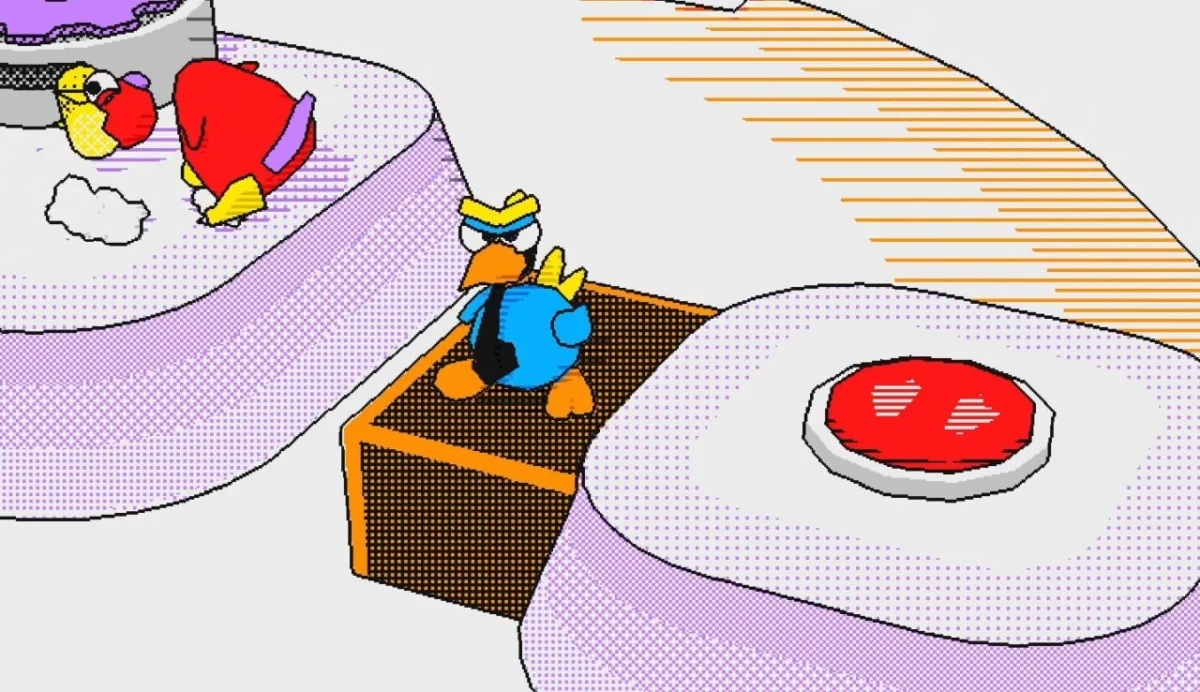
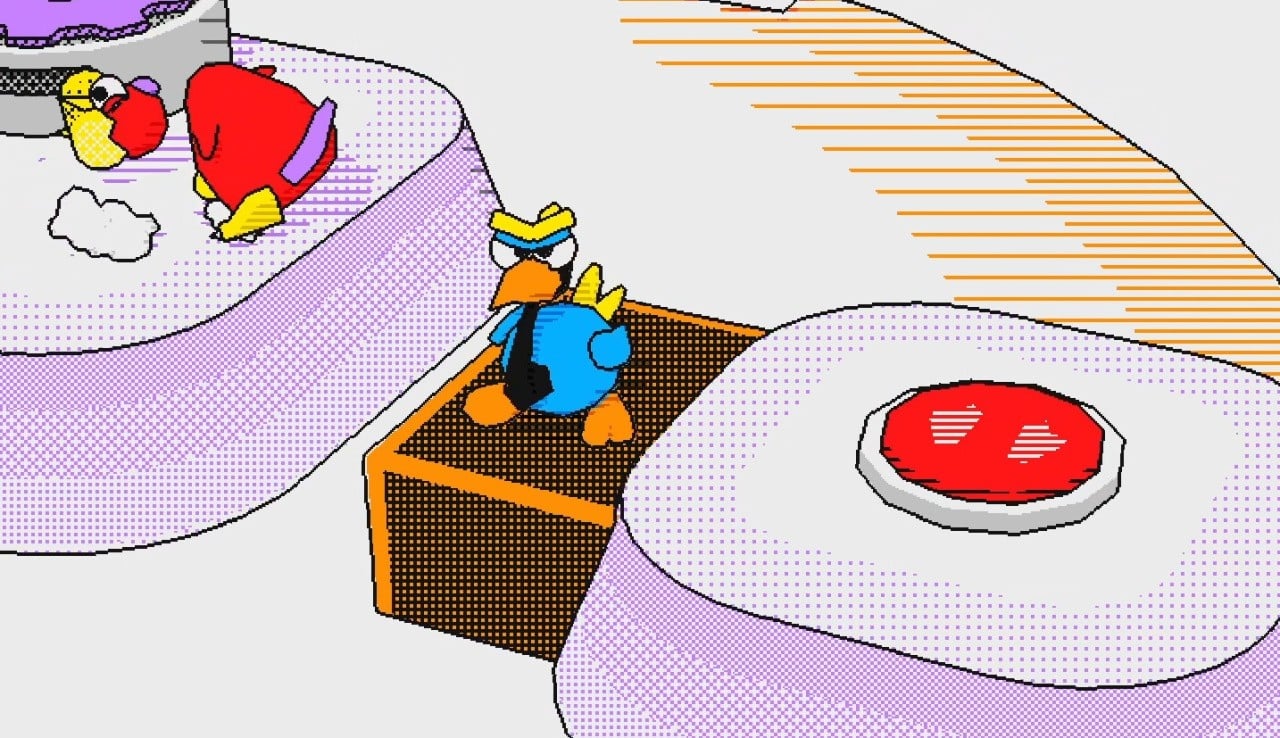
The announcement of Reason & Rhyme, an upcoming title from the independent development team Toyful Games, marks a significant intersection between classic handheld aesthetics and contemporary cooperative gameplay mechanics. Scheduled for release on Steam, the game is explicitly positioned as a tribute to the visual language of Nintendo’s iconic DSi application, Flipnote Studio. By leveraging a minimalist, sketch-based art style that mimics the limitations and charm of the early 2010s software, Toyful Games aims to provide a distinct experience that emphasizes communication and environmental problem-solving.
The Evolution of the Flipnote Aesthetic
Flipnote Studio, originally released in 2008 for the Nintendo DSi, functioned as a digital flipbook tool that allowed users to create frame-by-frame animations. Its restricted color palette and low-resolution output fostered a unique community of creators who prioritized fluidity and creativity over technical fidelity. The software became a cultural touchstone for a generation of mobile creators, serving as an early entry point into digital animation.
In Reason & Rhyme, developers Tim Fitzrandolph and Chad Cable have sought to capture this specific visual identity. According to internal development notes, the team engaged in a rigorous research phase, deconstructing the visual traits of Flipnote—such as its high-contrast linework and rhythmic frame progression—to apply them to a three-dimensional game world. This process involved not only replicating the static "hand-drawn" appearance but also ensuring that the animations within the game maintain the specific "stutter" or energy associated with the DSi software.
Toyful Games: A Proven Track Record
The development team behind the project, Toyful Games, brings significant industry experience to this niche artistic endeavor. Tim Fitzrandolph, whose career includes work on high-profile mobile titles such as JellyCar, Where’s My Water?, and the more recent Parking Garage Rally Circuit, has established a reputation for developing physics-based and mechanics-driven experiences. Chad Cable, who collaborated on Where’s My Water? and Disney Emoji Blitz, complements this technical expertise with a focus on accessible, character-driven design.
The studio’s transition toward a cooperative, short-form experience reflects a broader trend in the independent gaming sector: the move away from the "infinite" live-service model toward curated, "one-session" experiences. By intentionally limiting the scope of the game to a single afternoon of playtime, Toyful Games is positioning Reason & Rhyme as a "bite-sized" title, a design philosophy that aligns with the current market demand for high-quality, consumable entertainment that does not require a long-term time commitment.
Core Gameplay and Mechanical Framework
Reason & Rhyme is classified as a two-player online cooperative adventure. The narrative premise centers on a group of flightless birds stranded on a mysterious island. To progress, players must utilize proximity-based voice chat—a feature that encourages genuine social interaction—to coordinate their movements and solve environmental puzzles.
The choice to emphasize proximity chat as a primary mechanic is significant. By forcing players to rely on spatial audio to communicate, the game creates a layer of immersion that is often absent in more traditional co-op titles. The puzzles are designed to require both participants to act in tandem, effectively turning the communication process itself into the primary obstacle. This design choice serves as a modern extension of the "shared creativity" spirit inherent in the original Flipnote Studio, where users frequently collaborated on "collabs" and shared projects.

Chronology of Development and Public Reception
The development timeline for Reason & Rhyme has been relatively rapid, reflecting the team’s streamlined approach to production. Following the initial conceptualization phase, Toyful Games opted for a transparent development cycle, utilizing the Steam platform to host early builds.
- Initial Conceptualization: Toyful Games identifies the potential for an aesthetic bridge between the Flipnote era and modern 3D cooperative puzzles.
- Prototyping Phase: The team focuses on the technical challenges of rendering high-fidelity 3D assets to look like hand-drawn, low-frame-rate sketches.
- Announcement: The official Steam page goes live, confirming the title and the core gameplay loop of flightless bird traversal.
- Demo Availability: Concurrent with the announcement, a public demo is released, allowing players to test the proximity chat integration and visual fidelity firsthand.
The release of a demo alongside the announcement is a strategic decision intended to lower the barrier to entry. In a competitive marketplace where discoverability is a primary challenge for independent developers, providing a playable sample allows the community to engage with the core "vibe" of the game before the full launch. Early community feedback has centered on the visual fidelity, with many users noting that the game successfully evokes a "tactile" sensation—a difficult feat when translating 2D flipbook art into a 3D environment.
Implications for the Independent Gaming Landscape
The success of Reason & Rhyme will likely provide a case study on the viability of "nostalgia-focused" design. While many titles attempt to emulate retro aesthetics, few attempt to replicate the specific toolset of a defunct software platform. By choosing to honor Flipnote Studio, Toyful Games is tapping into a demographic that is now reaching adulthood and possesses both the disposable income and the desire to revisit the tools of their formative years.
Furthermore, the game’s emphasis on short-form cooperative play reflects a shift in player preferences. Data from the independent gaming sector suggests that while "epic" titles with 60-plus hours of content maintain a strong foothold, there is an increasing demand for "cozy" or "snackable" experiences that can be completed within a few hours. This allows developers to maintain a higher level of polish across the entire experience, as the development resources are not spread thin over a massive, sprawling campaign.
Analytical Outlook: The Convergence of Tech and Sentiment
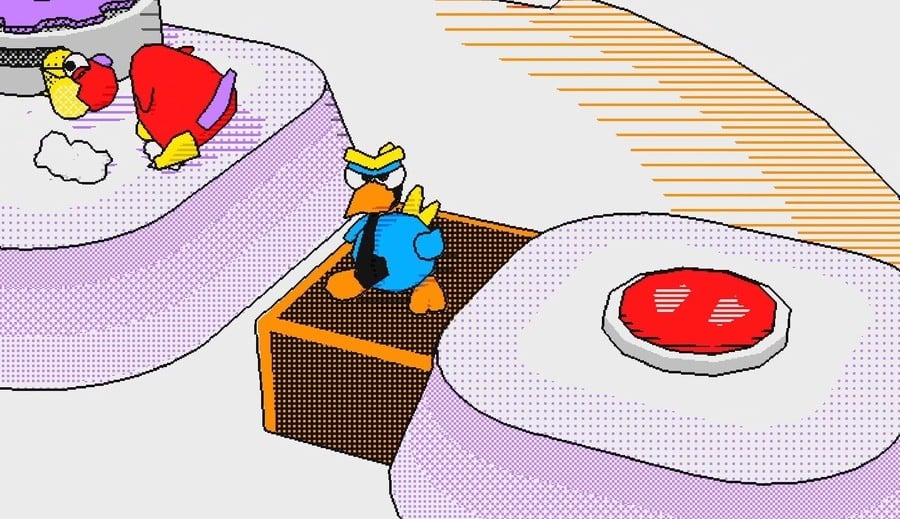
From a technical perspective, the implementation of a "hand-drawn" filter over 3D models is a common technique, but Toyful Games’ approach differs in its dedication to the "Flipnote" frame rate. By intentionally restricting the animation cycles of the characters and the environment, the game achieves a distinct visual cadence that separates it from standard "cel-shaded" titles.
The reliance on proximity chat as a gameplay pillar is also an astute design decision in the current landscape of multiplayer gaming. As players move away from rigid, competitive matchmaking toward more social, collaborative experiences, the ability to communicate naturally within a game world becomes a key selling point. If Reason & Rhyme can successfully manage the technical hurdles of stable, low-latency proximity audio, it will likely set a benchmark for future small-scale cooperative titles.
Conclusion and Future Trajectory
Reason & Rhyme represents a thoughtful evolution of the concepts established by the developers in their previous work, combined with a sincere homage to the creative tools that defined a generation of handheld gaming. By focusing on a short, high-quality, two-player experience, Toyful Games is avoiding the pitfalls of feature creep, instead opting to refine a single, cohesive concept.
As the industry continues to value unique visual identities and shared social experiences, titles like Reason & Rhyme serve as reminders that innovation does not always require the most advanced hardware or the longest playtimes. Instead, it requires a clear vision and an understanding of the emotional connection players have with their gaming history. With a demo currently available on Steam, the team has invited the community to participate in the final stages of the game’s polish, a move that will likely ensure the final product meets the expectations of the very audience it seeks to reach. Whether it ultimately succeeds as a defining cooperative title remains to be seen, but its commitment to a distinct, nostalgic, and well-executed aesthetic is a notable development in the 2026 gaming landscape.