Johny Imanuel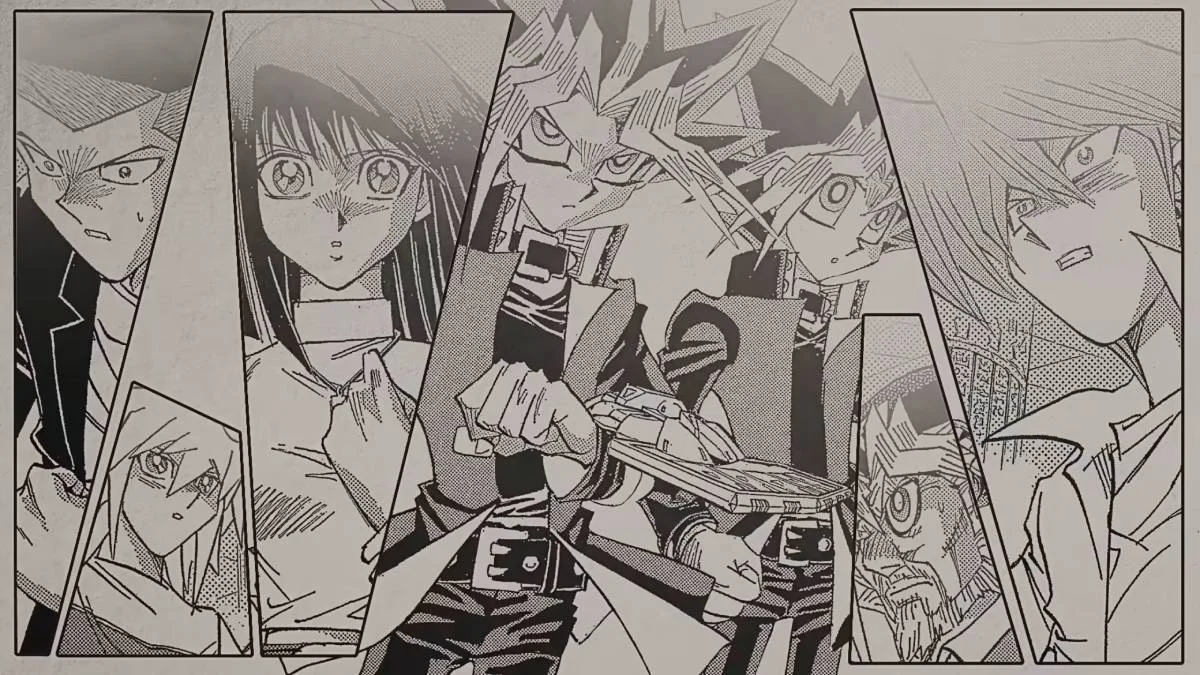
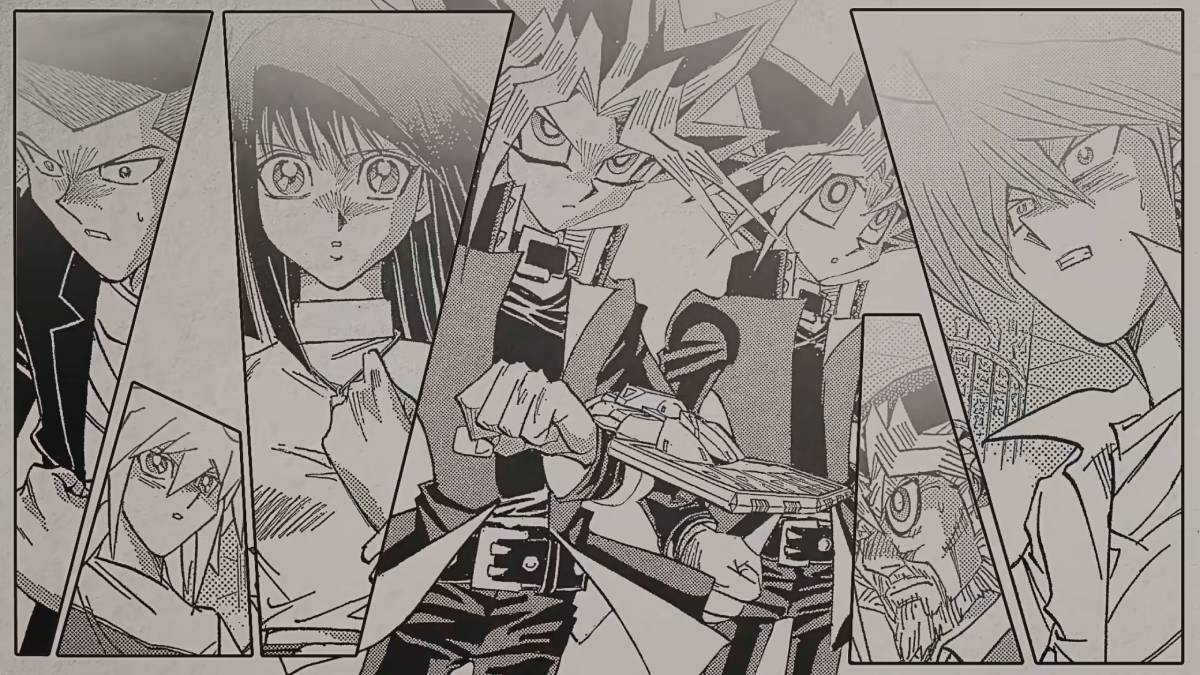
Shueisha has officially commenced the countdown to the 30th anniversary of the Yu-Gi-Oh! manga franchise with the release of a high-production music video featuring the iconic track Overlap. Although the milestone anniversary does not officially arrive until September 2026, the publishing giant is utilizing the lead-up to re-engage global fans with the foundational roots of the series. The video, which debuted on Shueisha’s official digital platforms, serves as a retrospective of the original manga run, meticulously blending classic illustrations with dynamic motion graphics to celebrate the legacy of the late Kazuki Takahashi.
The choice of Overlap as the musical centerpiece carries significant weight for the franchise’s dedicated following. Originally performed by the artist Kimeru, the song served as the fifth and final opening theme for the Yu-Gi-Oh! Duel Monsters anime adaptation, specifically covering the climactic Millennium World arc. By pairing this specific track with imagery directly from the Shonen Jump manga panels, Shueisha bridges the gap between the source material and the animated series that propelled the franchise to international stardom in the early 2000s.
Visual Narrative and Character Focus
The music video provides a comprehensive visual summary of the original 343-chapter run. It features high-fidelity renderings of the series’ central protagonists and antagonists, including Yugi Mutou, the Pharaoh Atem, Seto Kaiba, Katsuya Jonouchi (Joey Wheeler), Anzu Mazaki (Tea Gardner), and Hiroto Honda (Tristan Taylor). Beyond the human cast, the video places a heavy emphasis on the "Duel Monsters" that defined the series’ aesthetic and commercial success.
Viewers are treated to stylized sequences featuring the Dark Magician, Dark Magician Girl, and the Blue-Eyes White Dragon, alongside the Red-Eyes Black Dragon. These monsters are not merely presented as static images; the video utilizes modern animation techniques to bring Takahashi’s intricate line work to life, highlighting the evolution of his art style from the darker, more jagged lines of the early "Shadow Games" era to the refined, Egyptian-inspired designs of the series’ conclusion.
The video highlights critical narrative beats, ranging from the initial encounter between Yugi and Kaiba to the high-stakes battles of the Battle City tournament and the final ceremonial duel. This retrospective approach serves as a reminder of the manga’s transition from a general story about various games and psychological horror to a specialized narrative focused on the fictional card game, Magic & Wizards (later renamed Duel Monsters).
Historical Context of the Yu-Gi-Oh! Franchise
The Yu-Gi-Oh! manga first premiered in the pages of Weekly Shonen Jump in September 1996. Created by Kazuki Takahashi, the series was initially envisioned as a story about a shy boy who solves an ancient Egyptian puzzle and becomes possessed by a daring, justice-seeking alter ego. While the early chapters featured a variety of deadly games—ranging from dice games to digital pet battles—the introduction of the collectible card game in the "Death-T" arc resonated so strongly with the readership that it eventually became the central focus of the entire franchise.
By the time the manga concluded in March 2004, it had spawned a global phenomenon. The series was divided into several segments for its international English release by Viz Media, titled Yu-Gi-Oh!, Yu-Gi-Oh! Duelist, and Yu-Gi-Oh! Millennium World. This structural division helped manage the massive volume of content for Western audiences who were primarily introduced to the series through the Studio Gallop anime adaptation that began airing in 2000.
The 30th-anniversary celebration is a bittersweet moment for the community, following the untimely passing of Kazuki Takahashi in July 2022. Shueisha’s decision to center the anniversary on the original manga art is seen by many industry analysts as a tribute to Takahashi’s creative genius and his unparalleled ability to blend ancient mythology with modern gaming culture.
Chronology of Major Franchise Milestones
To understand the significance of the upcoming 30th anniversary, it is essential to look at the timeline of the Yu-Gi-Oh! franchise’s growth:
- September 1996: The manga debuts in Weekly Shonen Jump.
- April 1998: The first anime adaptation (often called "Season 0") premieres by Toei Animation, focusing on the early "Shadow Games."
- February 1999: Konami releases the official Yu-Gi-Oh! Trading Card Game (TCG) in Japan.
- April 2000: Yu-Gi-Oh! Duel Monsters premieres on TV Tokyo, beginning the "Duelist Kingdom" arc.
- 2002: The TCG and anime launch in North America, sparking a massive competitive gaming scene.
- 2004: The original manga concludes; the first spin-off, Yu-Gi-Oh! GX, begins.
- 2016: The film Yu-Gi-Oh!: The Dark Side of Dimensions is released, serving as a direct sequel to the original manga.
- 2024: Shueisha and Konami begin early 30th-anniversary celebrations for the manga, following the successful 25th-anniversary campaign of the TCG.
The Economic and Cultural Impact of the Series
The Yu-Gi-Oh! franchise is one of the highest-grossing media properties in history. According to data from various market research firms, the franchise has generated over $20 billion in total revenue since its inception. A significant portion of this success is attributed to the Trading Card Game, which was recognized by the Guinness World Records as the best-selling trading card game in the world, with over 35 billion cards sold as of the last official tally.
The manga itself remains a cornerstone of the Shonen Jump catalog, with over 40 million copies in circulation. Its influence extends into the digital realm, with titles like Yu-Gi-Oh! Master Duel and Yu-Gi-Oh! Duel Links maintaining millions of active monthly users. Shueisha’s investment in a high-quality music video two years ahead of the actual anniversary suggests a long-term strategy to sustain this momentum.
Industry experts suggest that Shueisha is looking to replicate the success of other "legacy" anniversaries, such as those for Dragon Ball and One Piece. By reinforcing the "original" story of Yugi and the Pharaoh, the publisher ensures that the core brand identity remains strong even as various spin-off series (such as 5D’s, ZEXAL, ARC-V, VRAINS, SEVENS, and Go Rush!!) continue to expand the universe in different directions.
Comparative Analysis of Anniversary Projects
The release of the Overlap music video follows a pattern of high-profile anniversary projects managed by both Shueisha and Konami. During the 25th anniversary of the TCG, Konami released a special "Konami Animation" commemorative video that featured various monsters from across the franchise’s history in a cinematic battle. They also released the "25th Anniversary Legendary Collection," which allowed players to obtain classic cards with a special "Quarter Century Secret Rare" foil.
Shueisha’s manga-centric approach differs slightly by focusing on the "static" art of the panels rather than fully new animation. This "Motion Comic" style has become increasingly popular in Japan as a way to honor the original mangaka’s hand-drawn details while providing a modern viewing experience for mobile-first audiences. The use of Overlap specifically targets the nostalgia of the "Millennium Generation" who grew up during the peak of the series’ global expansion.
Official Responses and Fan Reception
While official statements from Shueisha have been brief, focusing on the "gratitude toward fans who have supported the series for three decades," the reception from the global community has been overwhelmingly positive. On social media platforms, fans have noted that the video feels like a "love letter" to the original story.
The inclusion of Hiroto Honda and Anzu Mazaki was particularly noted by fans, as these characters often take a backseat in modern promotional material which tends to focus exclusively on the "Rivals" (Yugi and Kaiba). By including the full "friendship circle," Shueisha is tapping into the emotional themes of companionship and loyalty that Takahashi emphasized throughout his writing.
Future Implications for the 30th Anniversary
As September 2026 approaches, the industry expects a surge in Yu-Gi-Oh! related announcements. Speculation includes potential new manga one-shots (possibly illustrated by Takahashi’s former assistants), high-end collectible figures from companies like Kotobukiya and Good Smile Company, and potentially a new feature-length animation project.
The 30th anniversary also provides an opportunity for Viz Media and other international distributors to release "Ultimate Edition" or "Collector’s Edition" versions of the manga. Given the current trend of "Hardcover Omnibus" releases for classic series like JoJo’s Bizarre Adventure and Fullmetal Alchemist, a premium release of Yu-Gi-Oh! would likely see significant commercial success.
For now, the Overlap music video stands as a high-energy prologue to what promises to be a massive multi-year celebration. It reaffirms that despite the many iterations of the franchise that have followed, the story of a boy, an ancient king, and the "Heart of the Cards" remains the definitive pillar of the Yu-Gi-Oh! mythos.
The video is currently available for viewing on Shueisha’s official YouTube channels, and fans are encouraged to revisit the original manga through authorized digital platforms like the Shonen Jump app and Manga Plus. As the franchise looks toward 2026, it is clear that the shadow of the Pharaoh still looms large over the landscape of global pop culture.