Johny Imanuel
The Evolution of the Tamagotchi Paradise Hardware
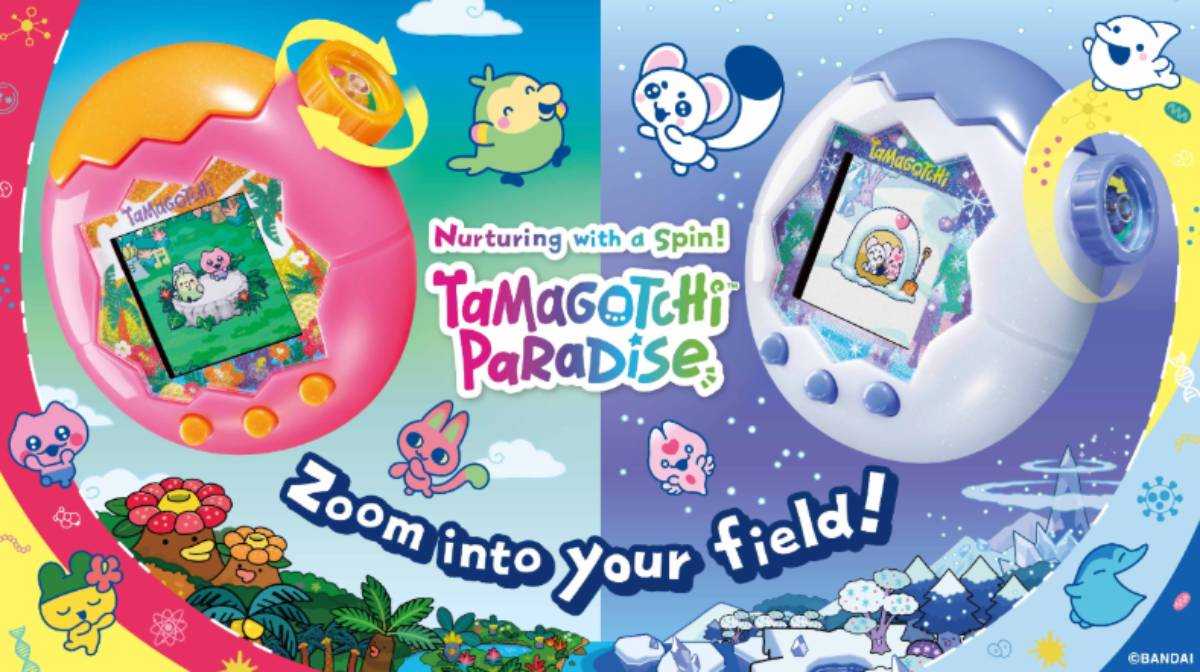
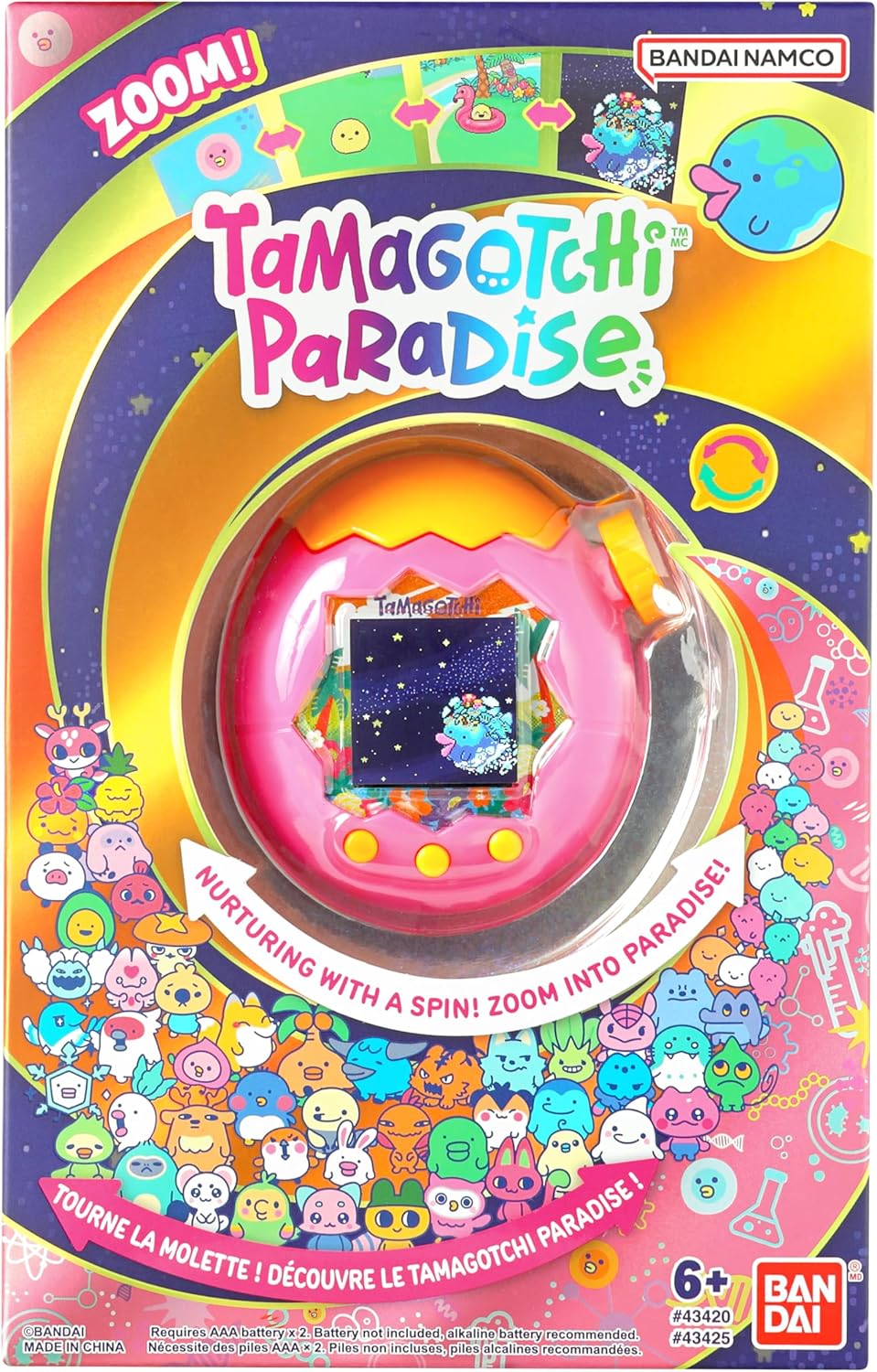
The Tamagotchi Paradise line represents a unique departure from previous iterations like the Tamagotchi Uni or the Tamagotchi Pix. The defining characteristic of this series is the inclusion of a physical crank mechanism located on the upper-right corner of the device. This hardware feature allows users to "zoom" in and out of a digital planet, creating a sense of scale and exploration previously unseen in the handheld virtual pet genre. By manipulating the crank, players can transition from a wide-angle view of their pet’s planetary habitat to a close-up perspective for feeding, grooming, and interaction.
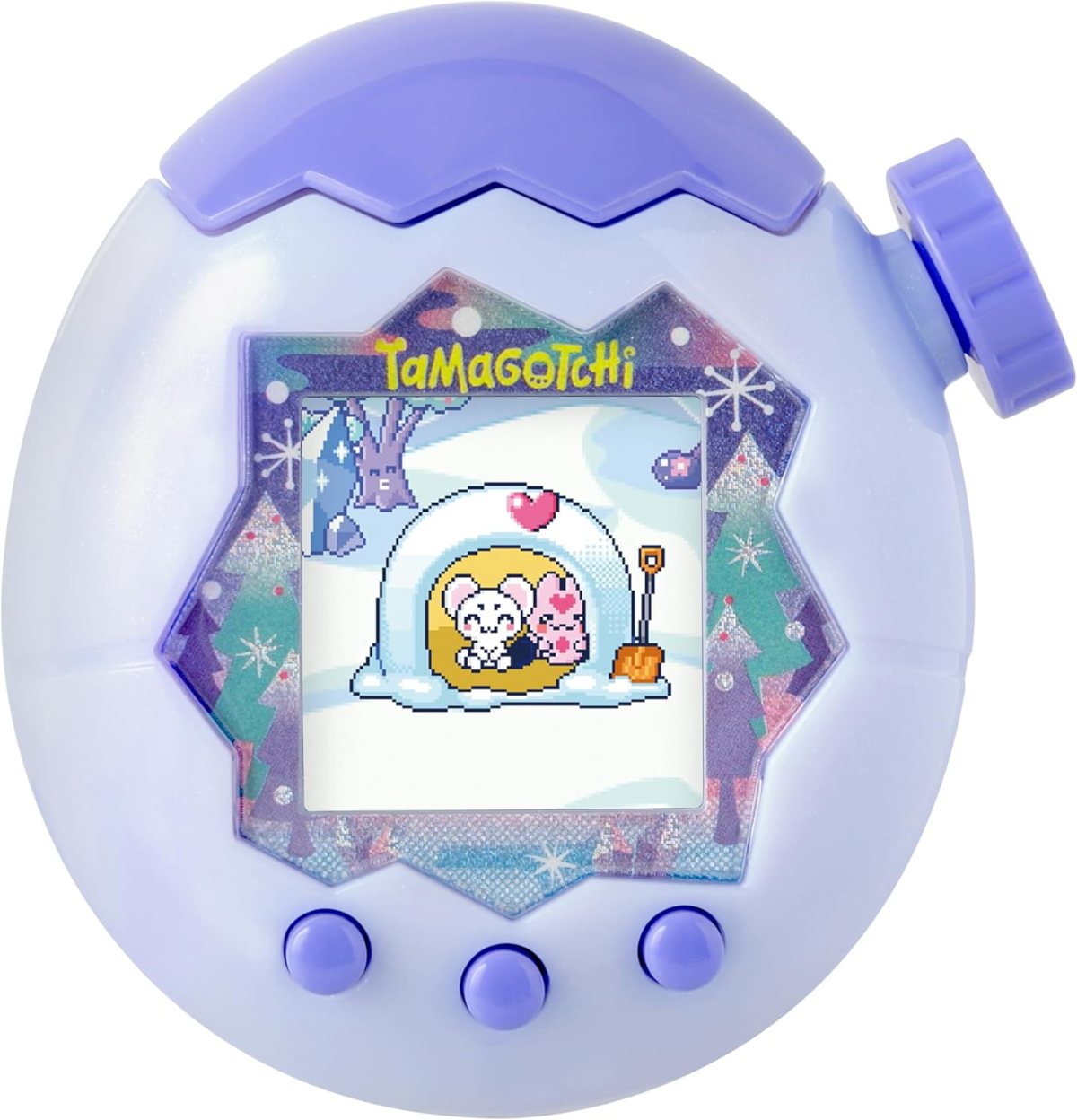
The upcoming Orange Tropics and White Glacier models build upon this foundation by introducing three distinct environmental areas: forest fields, glacier zones, and tropical biomes. While the initial 2025 models featured basic planetary landscapes, the 2026 updates provide larger, more detailed maps. This expansion of digital space is designed to accommodate a more diverse ecosystem of characters. According to documentation from Bandai Namco’s official Japanese portal, the new models will support over 30 unique characters, many of whom are native to the specific biomes introduced in these variants.
Chronology of the Tamagotchi Revival
To understand the significance of the July 2026 launch, it is necessary to examine the timeline of the Tamagotchi brand’s recent resurgence. After a period of relative quiet in the Western market during the mid-2010s, Bandai Namco initiated a "Neo-Retro" strategy that began with the re-release of original Generation 1 and Generation 2 models.
- July 2023: The launch of Tamagotchi Uni, the first model with built-in Wi-Fi, allowing for a global "Tamaverse" social space.
- July 2025: The debut of the Tamagotchi Paradise line. This series introduced the "Planet" concept and the physical crank hardware, moving away from the touch-screen or button-only interfaces of its predecessors.
- Early 2026: Leaks and trademark filings suggested that Bandai Namco was looking to diversify the "Paradise" ecosystem with climate-specific hardware.
- May 2026: Official confirmation of the Orange Tropics and White Glacier models, with pre-orders opening on international retail sites.
- July 2026: Scheduled worldwide release across Japan, North America, and Europe.
This consistent release cycle demonstrates Bandai Namco’s commitment to the "summer blockbuster" model for its toy division, ensuring that new hardware hits the market during peak travel and vacation seasons, which aligns with the portable nature of the devices.
Enhanced Gameplay and Social Connectivity
The Orange Tropics and White Glacier models are designed to encourage both solitary play and social interaction. A core component of the new software is the inclusion of two exclusive minigames tailored to the new biomes. These games leverage the crank hardware, requiring players to perform specific mechanical rotations to achieve high scores.
Furthermore, the "Connection Mini Game" feature remains a central pillar of the experience. This infrared-based technology allows two physical devices to communicate when placed in proximity. Players can visit each other’s planets, exchange items, and compete in the new minigames. This focus on local connectivity serves as a nostalgic nod to the "Tamagotchi Connection" era of the early 2000s, which many adult collectors remember fondly.
The larger environmental areas also introduce a new layer of "discovery" gameplay. Players must navigate their characters through the forest, glacier, or tropical regions to find rare items or encounter "wild" NPCs that provide special buffs or cosmetic upgrades. This shift toward an exploration-based loop differentiates the Paradise line from the more sedentary "home-life" focus of the original 1996 models.
Market Analysis and Consumer Demographics
The pricing of the new models—hovering around the $44 mark—positions the Tamagotchi Paradise as a mid-tier offering within the current virtual pet market. For comparison, the entry-level "Original" re-releases typically retail for $20, while the high-end, Wi-Fi-enabled Tamagotchi Uni often retails for $60 or more. By pricing the Paradise line at $44, Bandai Namco is targeting a demographic that seeks more depth than the basic retro models but may not require the constant internet connectivity of the Uni series.
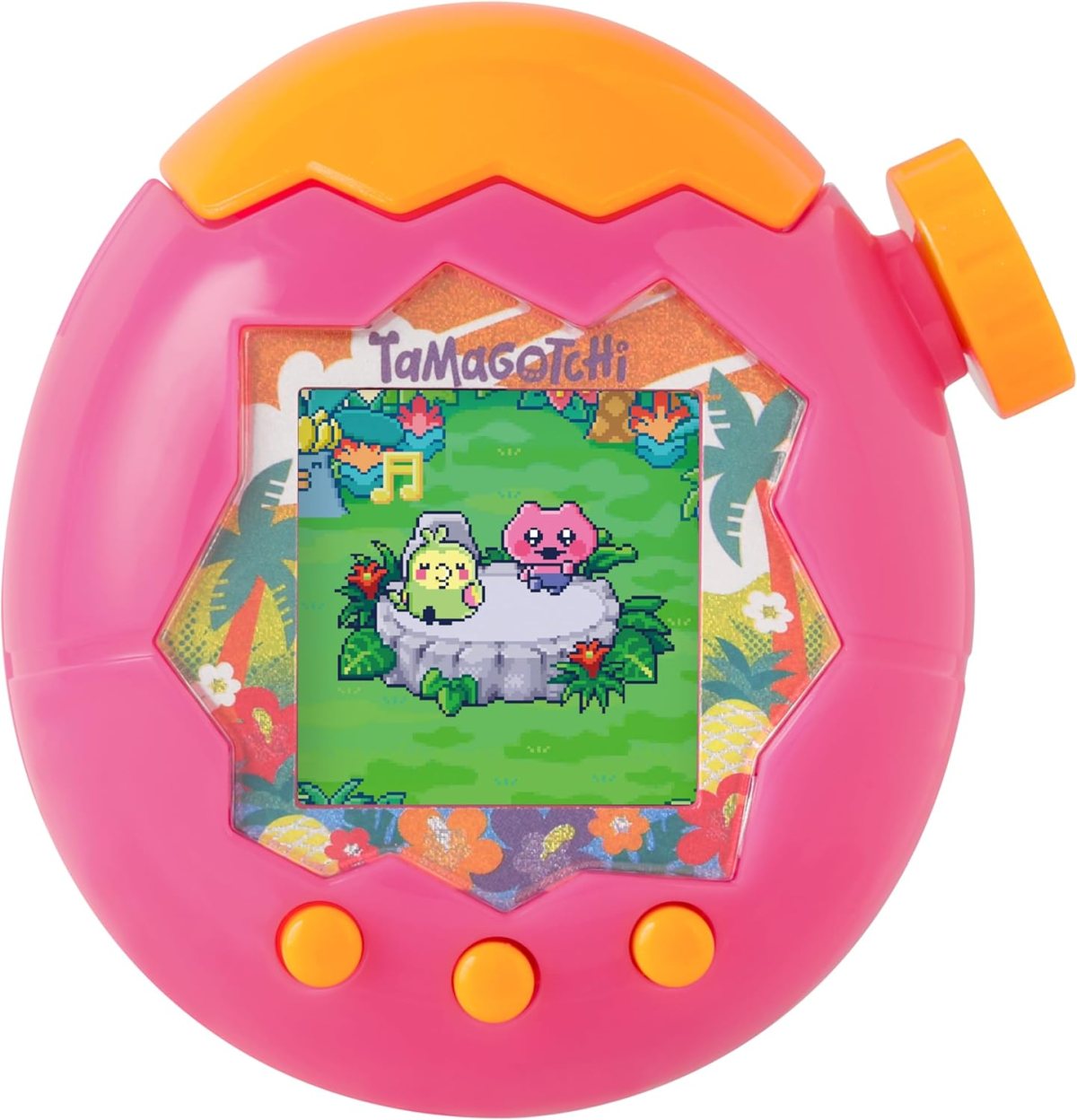
Market data suggests that the consumer base for Tamagotchi has shifted significantly over the last decade. While children remain a core audience, a substantial portion of sales is driven by "kidults"—adult collectors who grew up with the brand and now have the disposable income to invest in premium hardware. The aesthetic choices of Orange Tropics (vibrant, neon hues) and White Glacier (cool, minimalist tones) appear designed to appeal to this dual demographic, offering both a playful toy-like appearance and a sleek, collectible-grade finish.
Official Strategy and Inferred Industry Impact
While Bandai Namco has not released a detailed corporate statement regarding the specific sales targets for the Orange Tropics and White Glacier variants, the company’s broader strategy is evident. By releasing region-specific or theme-specific hardware worldwide, they are tapping into the "collector’s itch." Historically, Tamagotchi enthusiasts have been known to purchase multiple versions of the same hardware generation to access exclusive characters or "shells" (the exterior plastic casing).
Industry analysts suggest that the introduction of the crank mechanism in the Paradise line is an attempt to combat "screen fatigue." In an era where children and adults alike are inundated with flat touch-screens, the tactile, mechanical feedback of a physical crank provides a sensory experience that digital apps cannot replicate. This "toy-first" philosophy has allowed Bandai Namco to maintain a dominant share of the virtual pet market despite heavy competition from smartphone-based pet simulators.
The environmental themes of the new models also reflect a broader trend in the toy industry toward nature-centric and exploratory play. By categorizing characters into biomes like "Glacier" and "Tropics," Bandai Namco is subtly integrating educational elements regarding biodiversity and climate, albeit within a stylized, fictional context.
Broader Implications for the Virtual Pet Genre
The launch of the Tamagotchi Paradise Orange Tropics and White Glacier models signifies a maturation of the virtual pet genre. No longer confined to a single room or a simple loop of "feed, clean, sleep," the modern Tamagotchi is an avatar in a miniature open-world environment. The expansion to 30+ characters and multiple biomes suggests that Bandai Namco is looking to increase the "retention rate" of its users. One of the historical criticisms of virtual pets was that they became repetitive after the first few growth cycles; by providing a larger world to explore and a wider variety of evolutionary paths, the Paradise line seeks to keep players engaged for months rather than weeks.
Furthermore, the July 2026 release highlights the logistical strength of Bandai Namco’s global distribution network. Synchronizing a release across Japan, Europe, and North America ensures that the global community can share discoveries and "codes" simultaneously, fostering a unified fan culture. This is particularly important for a brand that relies heavily on social media word-of-mouth and community-driven wikis.
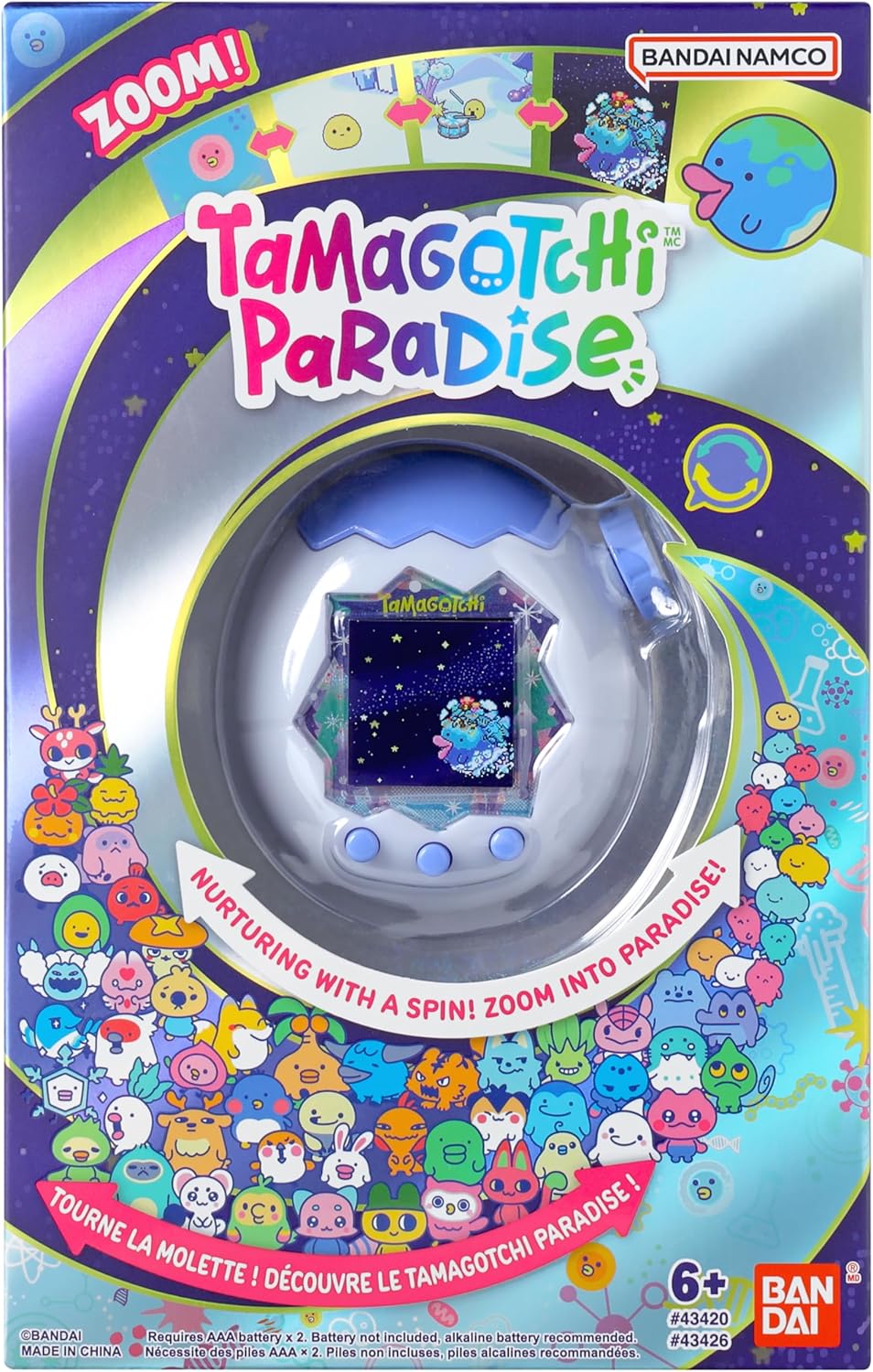
As the July 2026 release date approaches, it is expected that more specific details regarding the full character list and the mechanics of the two new minigames will be unveiled. For now, the pre-order availability on platforms like Amazon provides a glimpse into the next chapter of the Tamagotchi legacy—one that blends mechanical innovation with the timeless appeal of caring for a digital companion. The Orange Tropics and White Glacier models are poised to be more than just new colors; they are an expansion of a digital universe that continues to thrive thirty years after its inception.