 Cecilia Chamidah Nur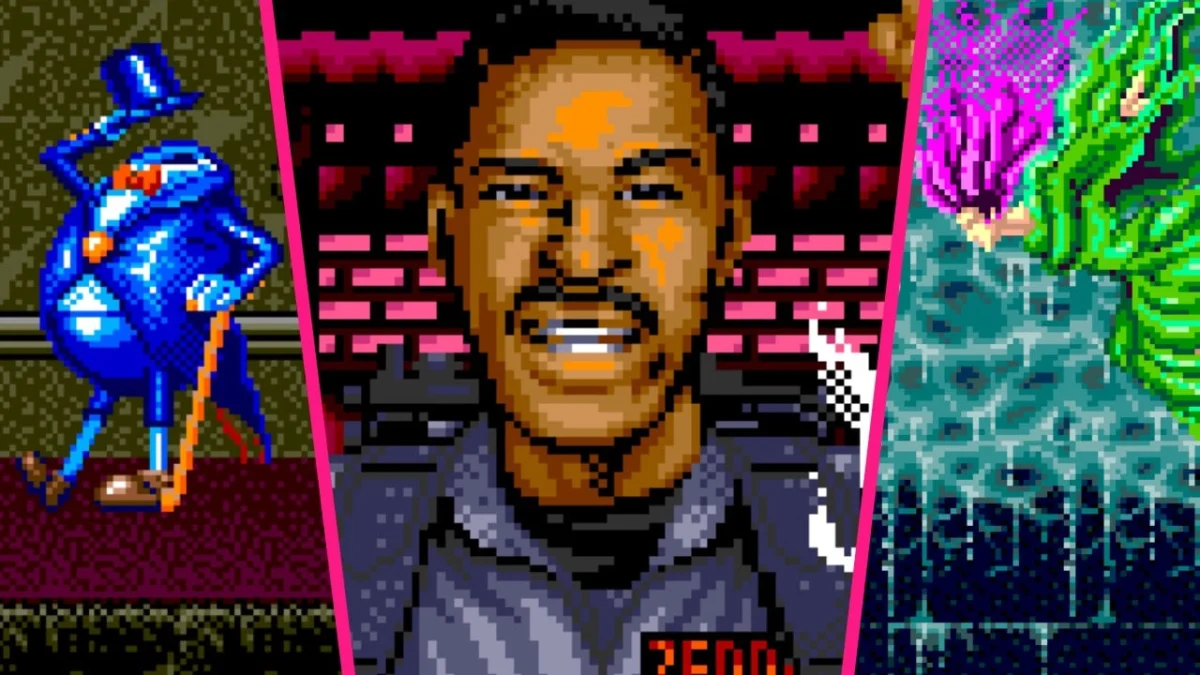
For over a decade, the individual known in the emulation community as BillyTime!Games has operated as a prominent figure in the niche but highly active field of ROM hacking. By modifying the binary code of classic video games, he has revitalized titles that have long since been abandoned by their original publishers. His work, which spans the 8-bit and 16-bit eras, has transformed from simple personal projects into complex, community-driven overhauls that challenge the traditional boundaries of software preservation.
A Decade of Technical Development
The career of BillyTime!Games began approximately ten years ago, initially focusing on Nintendo’s Super Nintendo Entertainment System (SNES). His early work, such as BillyTime! – The Video Game, served as a technical sandbox for learning the fundamentals of Assembly (ASM) language and memory manipulation. These early experiments were foundational, allowing him to understand how to inject new code into existing ROMs without compromising the stability of the host game.
The transition to the Sega Mega Drive/Genesis platform marked a significant shift in his technical capabilities. Unlike the more extensively documented SNES architecture, the Genesis required a more sophisticated approach to hardware interaction. Through mentorship from established community figures like Tony Hedstrom, BillyTime!Games mastered the nuances of the Motorola 68000 processor, which powered the Genesis. This period of learning culminated in the Eternal Champions – Special Edition project, which demonstrated that high-level, professional-grade modifications were possible on the 16-bit Sega hardware.
The Ghostbusters Special Edition Phenomenon
Perhaps the most notable project in his portfolio is Ghostbusters: Special Edition, developed in collaboration with Danilo Dias and Master Linkuei. Initially conceived as a narrow-scope modification—specifically to insert the character Winston Zeddemore into the 1990 Sega Mega Drive/Genesis title—the project evolved into a comprehensive overhaul of the game’s mechanics, graphics, and content.
The development of the hack followed a non-linear path, with several key milestones:
- 2023: Initial release of the hack, focusing on the inclusion of Winston Zeddemore and improved sprite work.
- 2024: Continued refinement of the game engine, including the integration of additional playable characters and refined character portraits.
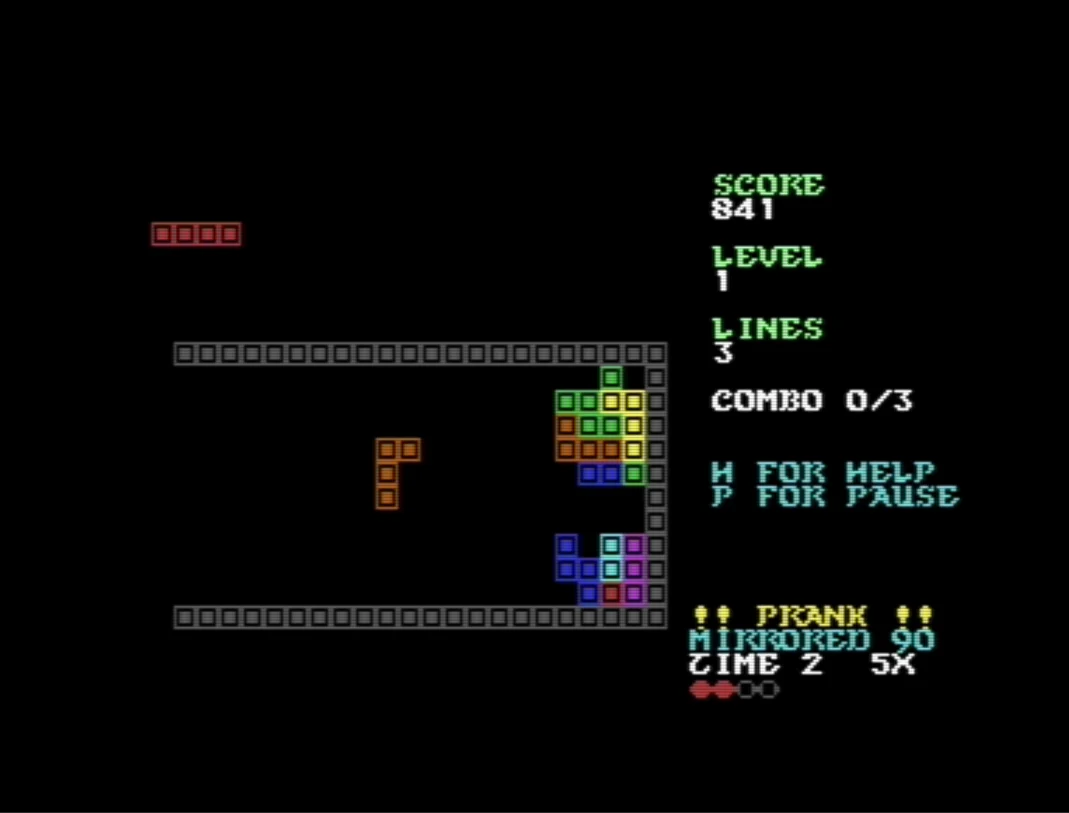
- October 2026: The release of version 3.0, which introduced significant additions, including a playable Columns mini-game, randomized title screen aesthetics, and support for the Extreme Ghostbusters character Kylie Griffin.
This project highlights the technical hurdles inherent in ROM hacking. With the Sega Genesis hardware limited to 512 KB of base memory, expanding the game’s scope required multiple expansions of the ROM size, reaching 1.5 MB. The team utilized tools such as HxD Hex Editor, YY-CHR for graphical manipulation, and Notepad++ for code management to ensure the project remained functional within the constraints of the original hardware.
Methodology and Technical Pipeline
The process of "hacking" a vintage game is a rigorous, data-driven endeavor. BillyTime!Games describes his pipeline as starting with the identification of specific RAM addresses that control gameplay functions—such as damage output, player movement, or collision detection. Once an address is identified, the developer creates a "proof of concept" to ensure the game can handle the modification before implementing it permanently.

This methodical approach is essential for mitigating the risks of software instability. When adding complex features like the Columns mini-game, the challenge lies in memory management and the potential for "bad opcodes"—errors in the code that cause the game to crash. By documenting internal functions and maintaining clear code annotations, the developer ensures that the final patch remains playable on both original hardware and modern emulators.
Broader Implications of ROM Hacking
The work performed by BillyTime!Games and his contemporaries sits at the intersection of hobbyist preservation and intellectual property law. While these modifications provide significant value to retro gaming enthusiasts, they operate in a legal gray area. Because these hacks are based on proprietary software, they cannot be officially licensed or sanctioned by the original copyright holders.
This lack of official standing has led to the monetization of these hacks by third-party retailers on platforms like eBay. It is common for "repro" cartridges—physical media containing unauthorized modifications—to be sold for high prices without the consent or financial benefit of the original creators. BillyTime!Games has stated that he does not receive compensation for these activities, viewing his work as a non-profit "labor of love." This situation underscores a recurring dilemma in the gaming industry: the passion of the fan base often exceeds the preservation efforts of the original publishers, yet the creators of these patches have no mechanism to protect their work or provide official technical support for physical releases.
Future Directions and Community Impact
The influence of these hacks extends beyond the technical community, occasionally drawing attention from public figures and media outlets. The Ghostbusters project, for instance, gained traction in both the retro gaming press and the wider pop-culture space. Such visibility demonstrates that there is a significant audience for "enhanced" versions of classic titles, suggesting that there is untapped market potential for re-releasing older games with quality-of-life improvements.
Regarding his future, BillyTime!Games has indicated that he intends to take a hiatus from intensive development to pursue personal interests, such as visiting the actual firehouse used in the Ghostbusters film franchise. However, he leaves the door open for future updates, particularly for the implementation of "MD+" patches, which would allow for high-fidelity audio integration within the Genesis environment.
The current landscape of ROM hacking suggests that as the original hardware continues to age, the need for community-led preservation will only increase. By maintaining technical documentation and continuing to push the limits of what 16-bit hardware can accomplish, individuals like BillyTime!Games are ensuring that classic titles remain relevant in a modern gaming climate. Whether through official re-releases or community-led "Special Editions," the demand for these historical experiences remains robust, providing a blueprint for how digital heritage can be maintained long after the original creators have moved on.
Ultimately, the trajectory of these projects reflects a broader cultural shift toward the active curation of digital history. As long as the community continues to refine these tools and share their findings, the legacy of 8-bit and 16-bit software will remain a dynamic, evolving space, rather than a static record of the past.