Retno Hari Mulyono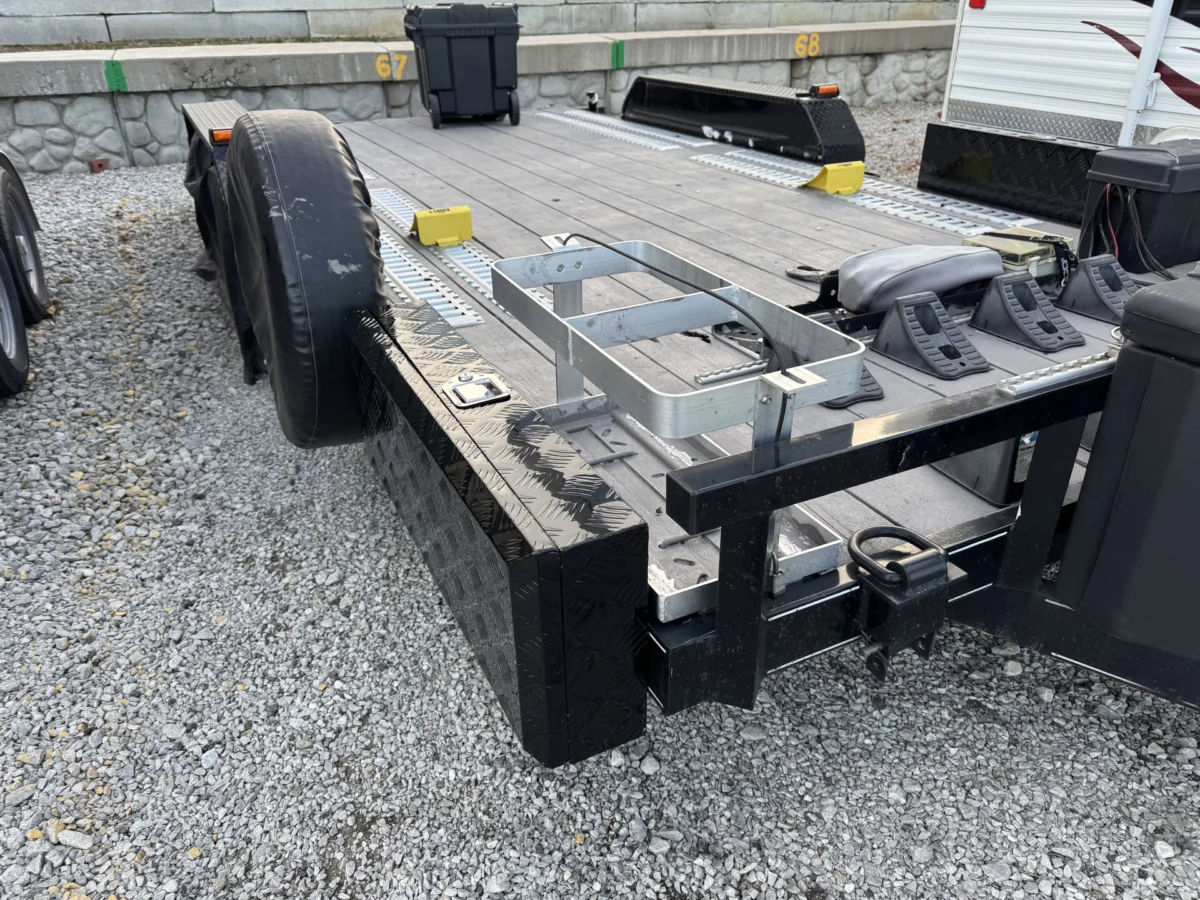
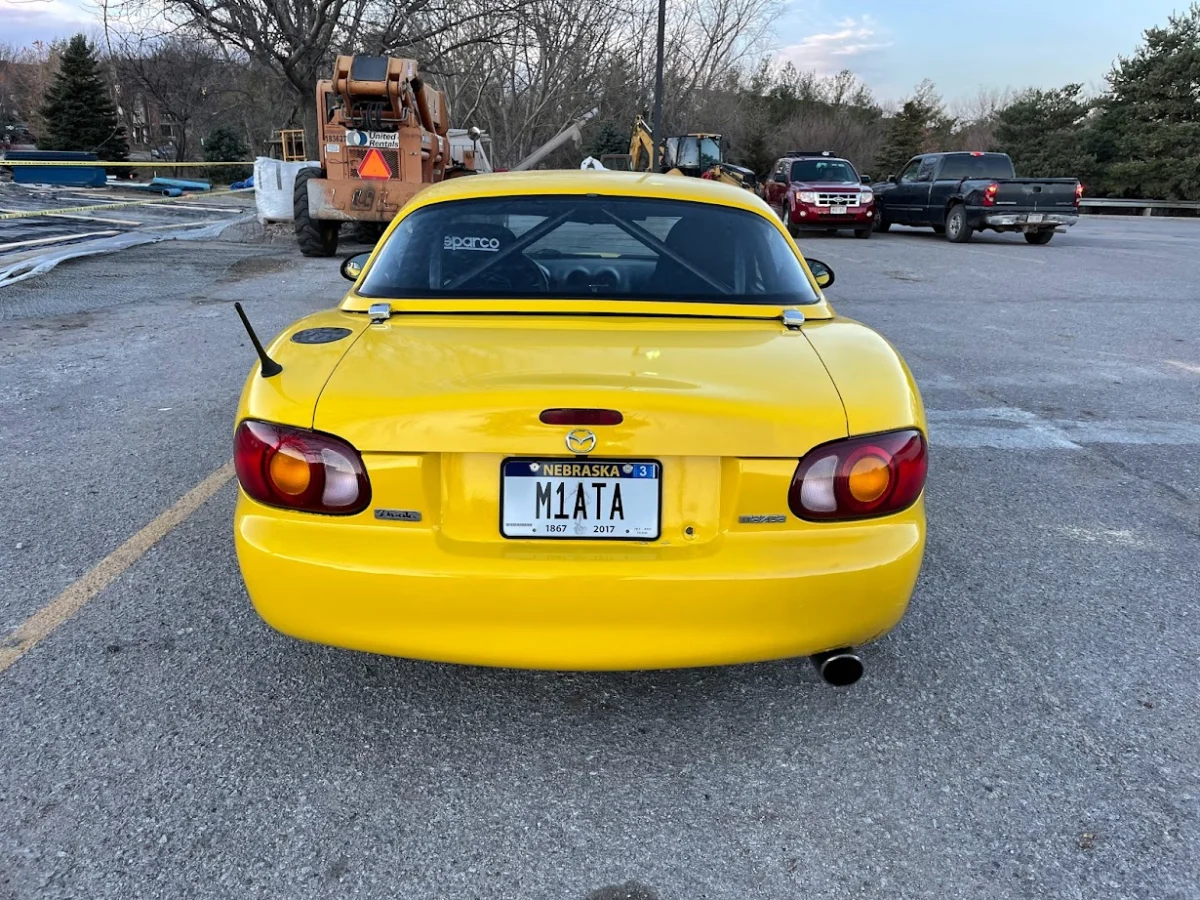
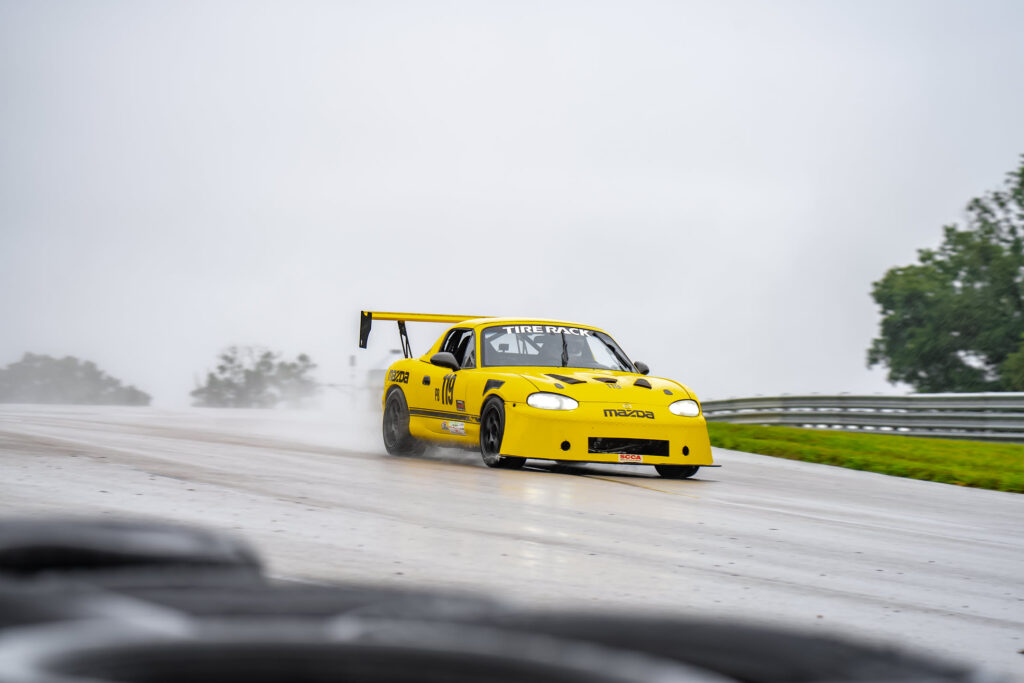
The transition into the fifth year of ownership for the 2000 Mazda Miata NB marks a significant evolution from a standard road-going vehicle to a highly specialized track-focused machine. This period, spanning from March 2025 to February 2026, was characterized by rigorous competitive testing, critical component failures, and a total overhaul of the vehicle’s electrical and induction systems. Throughout the year, the vehicle participated in 14 track days, completing 357 laps and accumulating 10.9 hours of high-intensity driving. These figures contribute to a cumulative total of 1,380 laps and approximately 44 hours of track time recorded via Garmin Catalyst data since the vehicle’s conversion to a dedicated racing platform.
Performance Benchmarking and Initial Season Testing
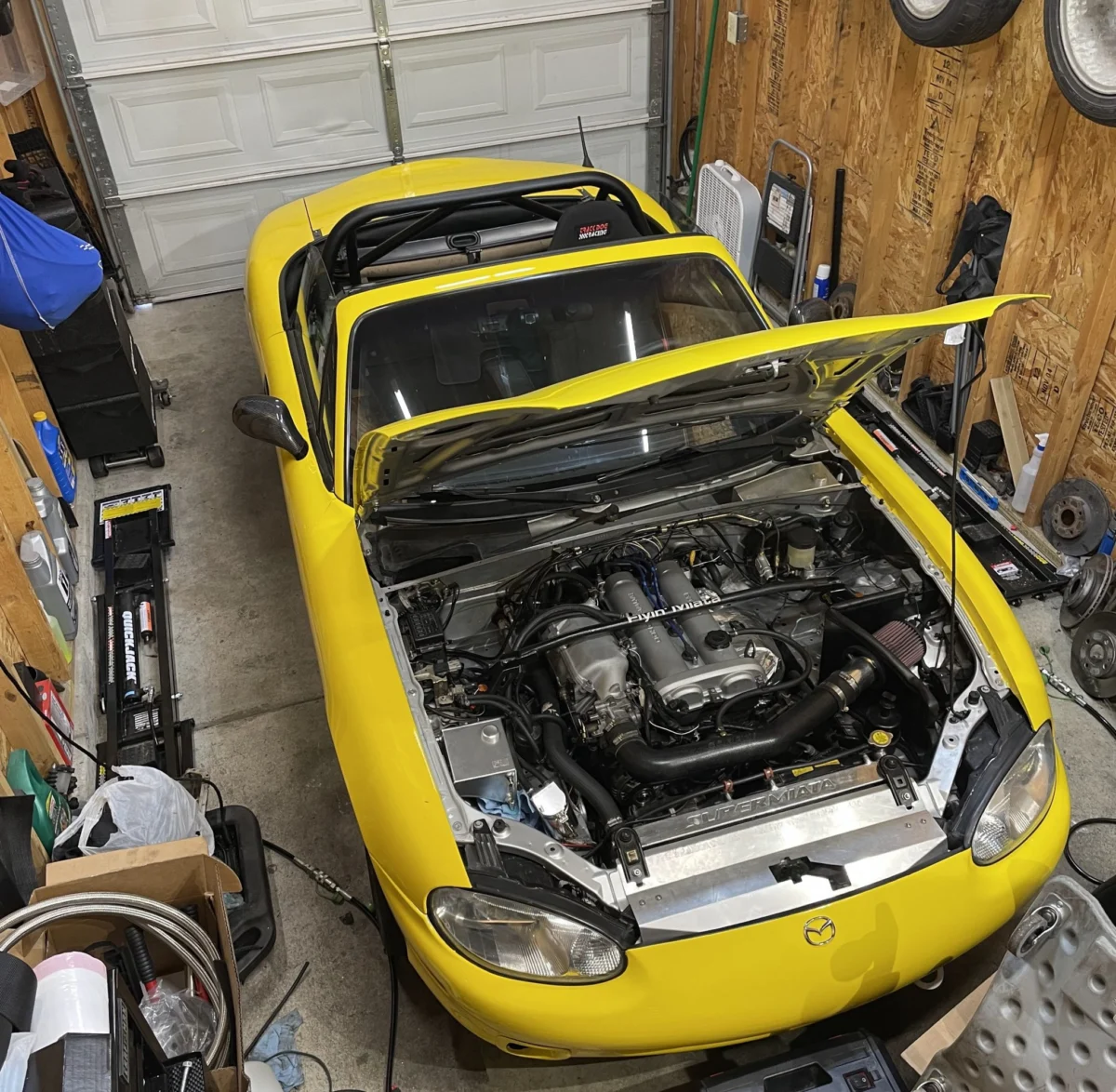
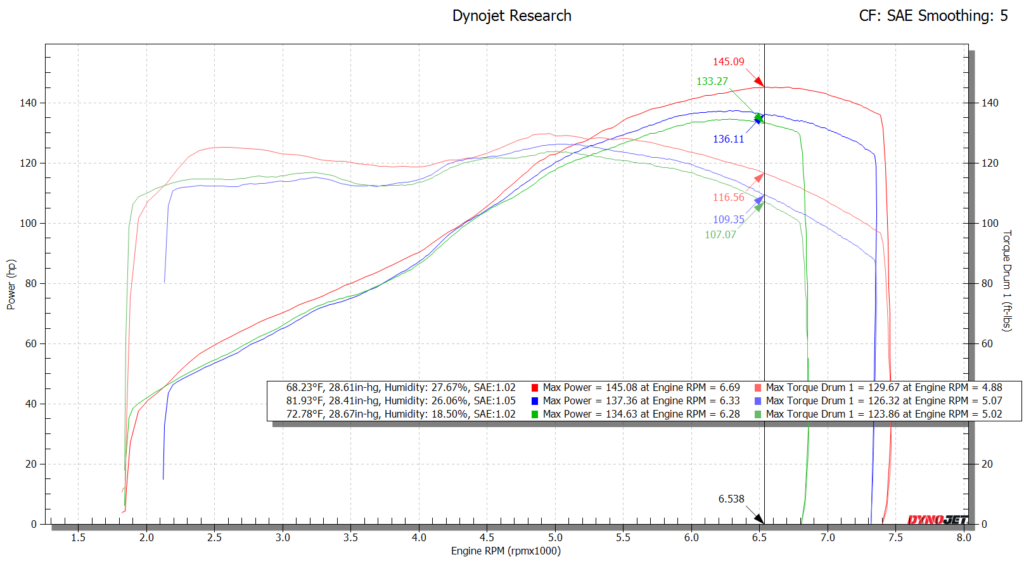
The 2025 racing season commenced in March with standardized dynamometer testing to establish power-to-weight ratios for SCCA Mid-South Division (MiDiv) time trials classing. The primary mechanical change for this cycle involved the replacement of the "square top" intake manifold with a Skunk2 performance manifold. Testing conducted on a Dynojet platform yielded peak figures of 145.09 wheel horsepower (WHP) and 129.67 lb-ft of torque.
When compared to previous years, these results represent a notable increase over the 133.27 WHP and 136.11 WHP recorded during the two prior seasons. Most significantly, current performance levels show a substantial improvement over the baseline of 115 WHP produced by the factory Electronic Control Unit (ECU). Technical analysts suggest that while dyno calibration variances between facilities can account for minor fluctuations, the consistent upward trend validates the efficacy of the Skunk2 manifold and the Megasquirt MS3Pro Evo tuning.
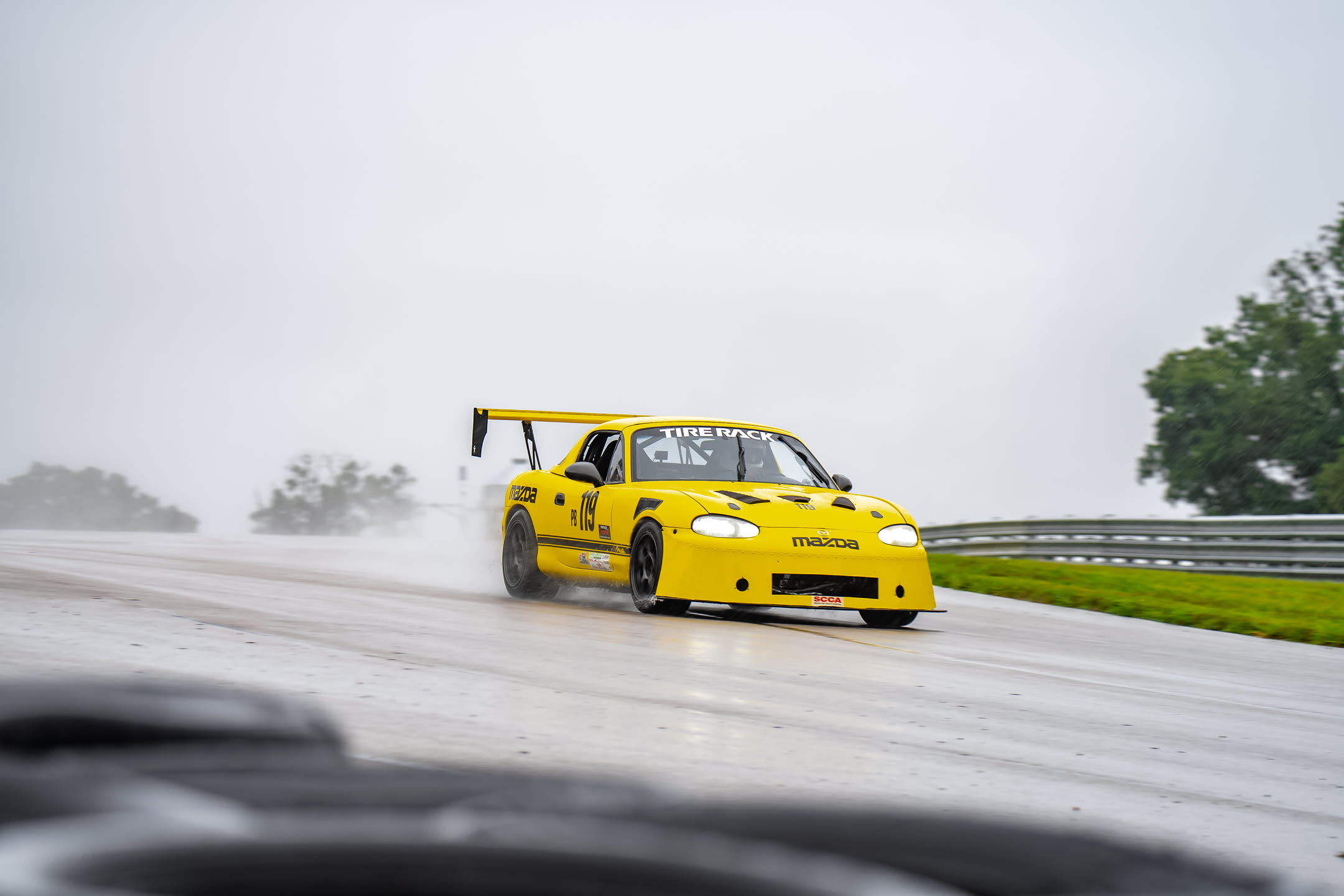
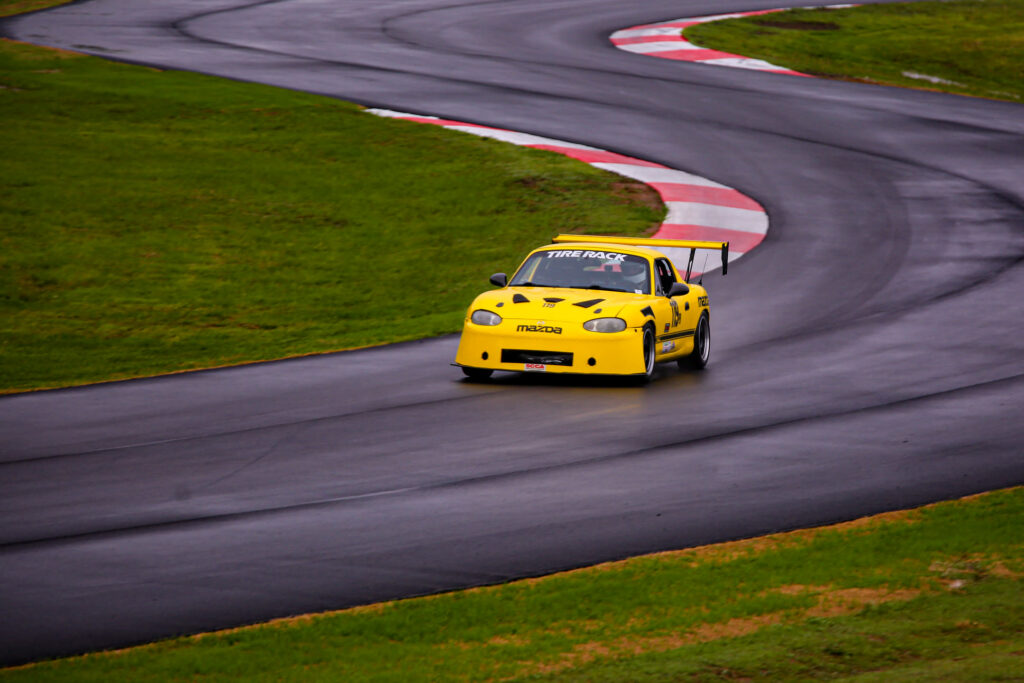
In April 2025, the vehicle returned to the Hallett Motor Racing Circuit. Although the facility had undergone significant off-season renovations, including the resurfacing of several key corners, persistent wet conditions prevented the recording of personal best lap times. However, the session provided critical data regarding braking transitions between old and new asphalt surfaces under low-grip conditions, offering the driver essential experience in managing variable friction coefficients during high-speed deceleration.
Mechanical Failures and the Reliability Crisis
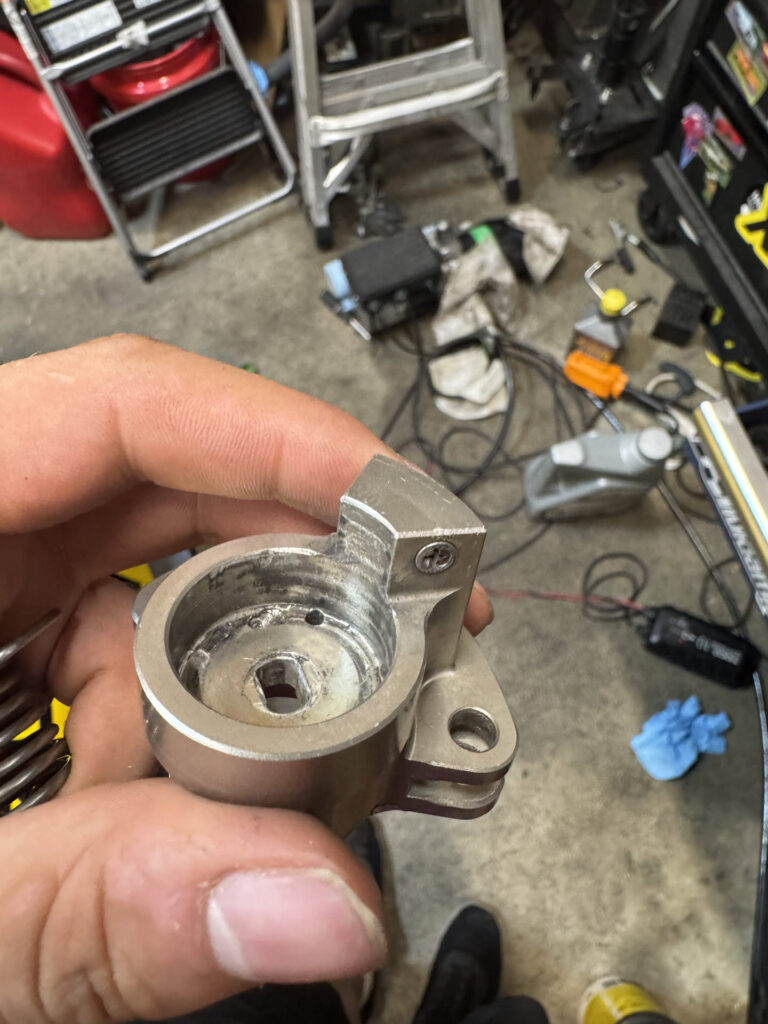
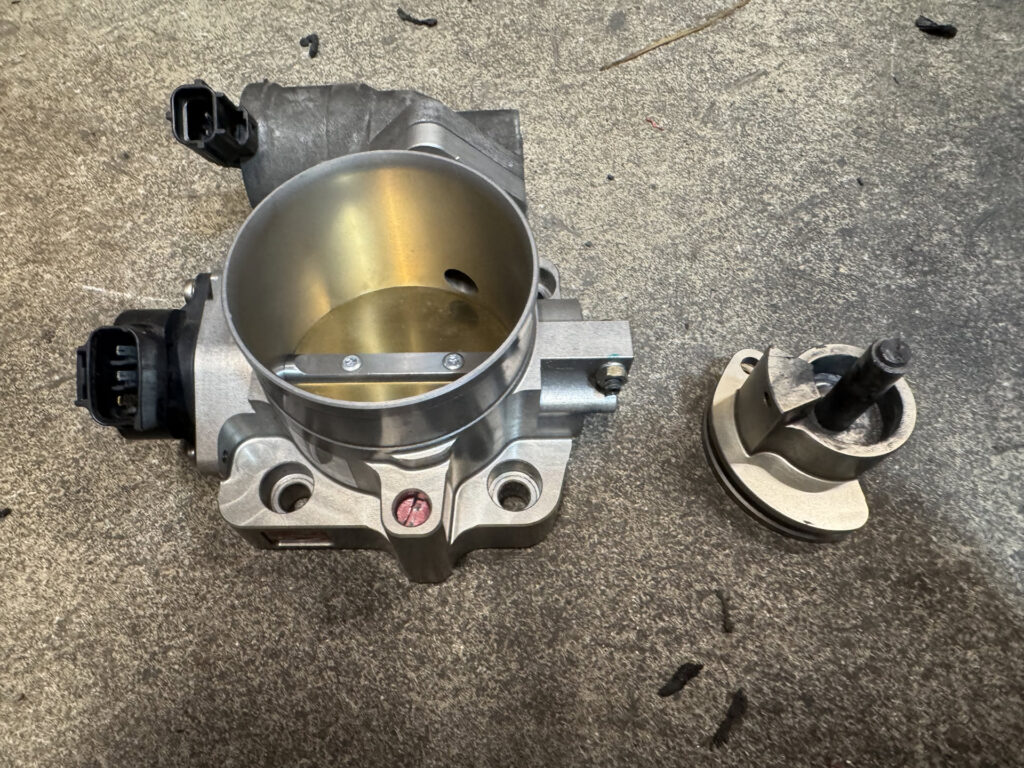
The mid-season period was defined by a recurring failure of the aftermarket induction system. In May 2025, during a test day at I29 Speedway, the throttle return spring on the Skunk2 throttle body suffered a mechanical fatigue failure. This resulted in a "hanging" throttle condition where the engine continued to produce power despite the driver releasing the accelerator. While the vehicle’s braking system was sufficient to override the engine output, the failure highlighted a significant safety risk. A temporary field repair allowed for the completion of the event, followed by the installation of a replacement Skunk2 unit.
However, the reliability issues persisted. In August 2025, at High Plains Raceway, the replacement unit suffered a catastrophic failure when the throttle body shaft snapped entirely during a timed lap. While the internal components were not ingested by the engine—averting a total engine failure—the incident required a tow from the circuit and the immediate cessation of testing. These consecutive failures prompted a strategic pivot away from mechanical cable-actuated aftermarket throttle bodies toward a modern electronic solution.
Logistical Infrastructure and Maintenance Efficiency
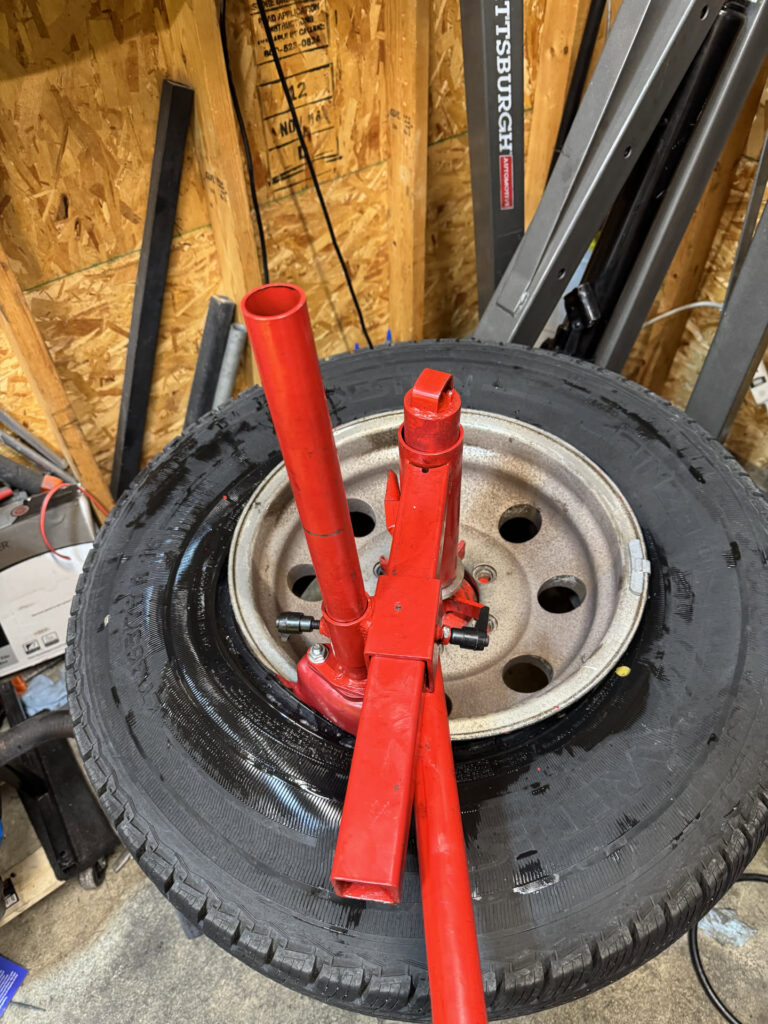
Recognizing the rising costs of professional tire mounting and balancing, the owner transitioned to an in-house maintenance model in June 2025. By investing in a Harbor Freight manual tire changer equipped with a "duckhead" modification and a bubble balancer, the operation achieved a return on investment within the first set of performance tires.
Over the course of the year, more than 20 tires, including high-grip 200-treadwear (200TW) compounds, were processed. The adoption of a DIY bubble balance method proved statistically sufficient for track applications, with the owner noting that the precision of home-balancing often rivaled or exceeded that of commercial shops.
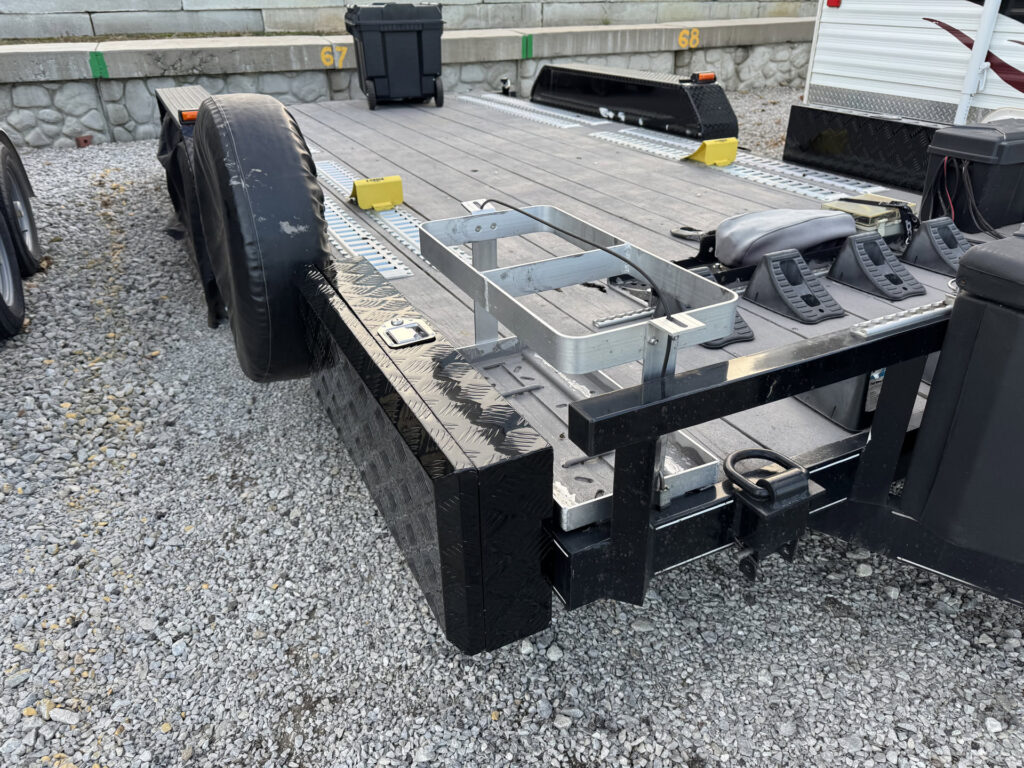
Furthermore, in September 2025, the vehicle’s transport infrastructure received significant upgrades. The open car hauler trailer was outfitted with an E-track tie-down system. Unlike traditional axle straps or wheel-loop tie-downs, which are prone to loosening as the vehicle’s suspension compresses during transit, the E-track system provides a more rigid and secure attachment. Observations over initial 50-mile transit windows indicated zero tension loss, enhancing the overall safety of the transport logistics.
Electrical Overhaul and Drive-By-Wire Conversion
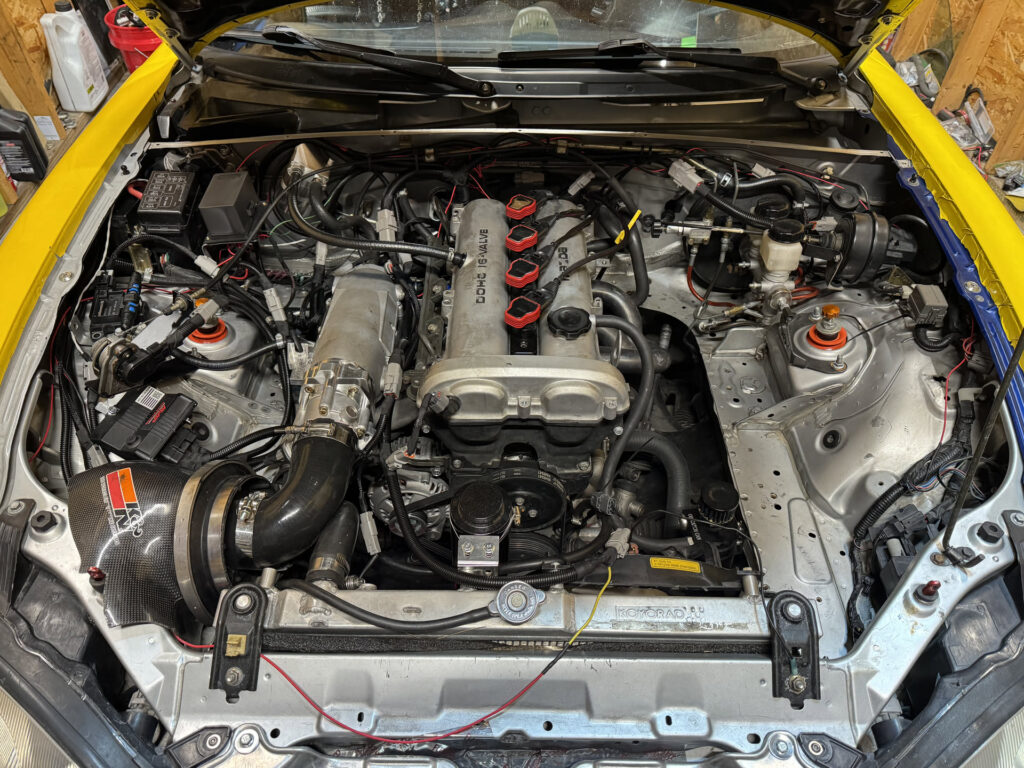
To address the recurring throttle failures and the inherent risks of a 25-year-old factory wiring harness, a total electrical reconstruction was undertaken in October 2025. The project involved removing the original Mazda engine harness and the adapter previously used to connect the MS3Pro Evo ECU.
The new system features:
- Custom Engine Harness: Built from scratch and pinned directly to the ECU, utilizing Deutsch connectors for modularity.
- Simplified Power Distribution: The addition of a dedicated fuse/relay block and a ground bus bar to minimize electrical interference.
- Drive-By-Wire (DBW) System: The mechanical cable was replaced with a Bosch 60mm electronic throttle body, a Honda accelerator pedal position sensor, and an AMP EFI drive-by-wire controller.
This conversion to DBW technology offers several advantages for performance driving, including more precise throttle mapping, the elimination of mechanical return spring failures, and the ability to integrate advanced ECU-controlled features such as rev-matching and traction control.
Following the electrical overhaul, a Tinker Electronics digital dash was integrated in November 2025. Communicating via the Controller Area Network (CAN bus), the dash provides real-time monitoring of critical engine parameters, including oil pressure, coolant temperature, manifold absolute pressure (MAP), and air-fuel ratios (AFR). The system is programmed with visual alerts that trigger if parameters deviate from safe operating ranges, providing an additional layer of protection against engine damage.
Drivetrain Refinement and Differential Upgrades
The final phase of the fifth-year modifications focused on optimizing power delivery. In December 2025, a Coolerworx short-throw shifter was installed. This unit features a stiff external return-to-center spring and adjustable gate set-screws, designed to eliminate "miss-shifts" that can occur with high-leverage tall shifters. The inclusion of a mechanical reverse lockout ensures that the driver can navigate the 5th and 6th gear gates with increased confidence during high-stress competition.
In January 2026, the vehicle’s Torsen Type II limited-slip differential (LSD) was replaced with a Supermiata-tuned OS Giken clutch-type differential. While the Torsen unit is highly regarded for street use, it frequently struggles in racing scenarios where a rear wheel becomes unloaded during aggressive cornering. The OS Giken unit provides more consistent locking characteristics, allowing for improved traction and stability when exiting low-speed, high-torque corners. The owner elected to retain the 4.30 final drive ratio, which has proven optimal for the vehicle’s power band and six-speed transmission.
Fleet Expansion and the Project Car Philosophy
The conclusion of the fifth year saw the acquisition of a second NB Mazda Miata in February 2026. Purchased for $1,800, the 2001 model featured a Variable Valve Timing (VVT) engine and a six-speed manual transmission but suffered from significant cosmetic and mechanical neglect.
The acquisition serves a dual purpose: providing a dedicated street-legal "fun" car while acting as a testbed for experimental components before they are implemented on the primary yellow track car. Within the first month of ownership, the second vehicle underwent a rapid restoration, including a new soft top, interior installation, and the fitment of the 4.30 Torsen differential removed from the primary car. This "parts-cycling" strategy maximizes the value of replaced components while expanding the owner’s technical familiarity with the NB platform.
Impact and Future Implications
The data-driven approach to this fifth year of ownership demonstrates a clear shift toward professional-grade amateur racing standards. By moving away from "bolt-on" aftermarket solutions in favor of bespoke electrical systems and high-end drivetrain components like the OS Giken LSD, the vehicle has reached a new plateau of performance capability.
The transition to Drive-By-Wire and the implementation of a comprehensive digital monitoring system suggest that the vehicle is being prepared for even higher levels of competition. While personal best lap times were limited by environmental factors in 2025, the technical groundwork laid during this period is expected to yield significant dividends in the 2026 season. The expansion to a two-vehicle fleet further stabilizes the racing program, ensuring that the primary track car remains a focused instrument of performance while the second chassis handles the rigors of development and street use.