Retno Hari Mulyono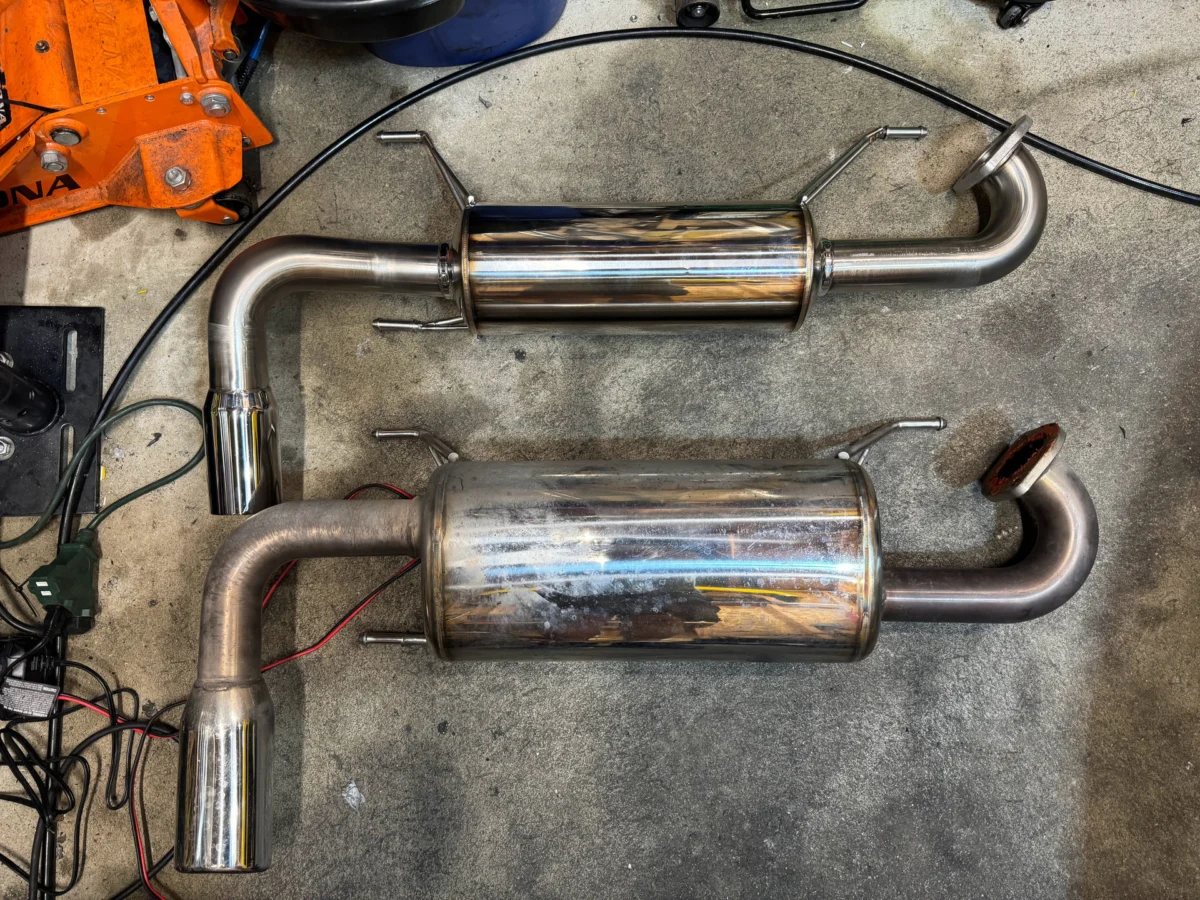
The fourth year of ownership for the second-generation Mazda Miata, specifically the NB chassis, has yielded a significant body of data regarding grassroots motorsport development, mechanical endurance, and the logistical transition from a driven track car to a dedicated, trailered racing platform. Between March 2024 and February 2025, the vehicle underwent a series of high-stakes mechanical iterations, including a variable valve timing engine conversion, the adoption of a six-speed transmission, and a comprehensive overhaul of support logistics. This period represents a critical maturation phase in the vehicle’s lifecycle, shifting from a dual-purpose enthusiast car to a refined Time Trials competitor capable of surpassing established class records.
Technical Overhaul and the Variable Valve Timing Conversion
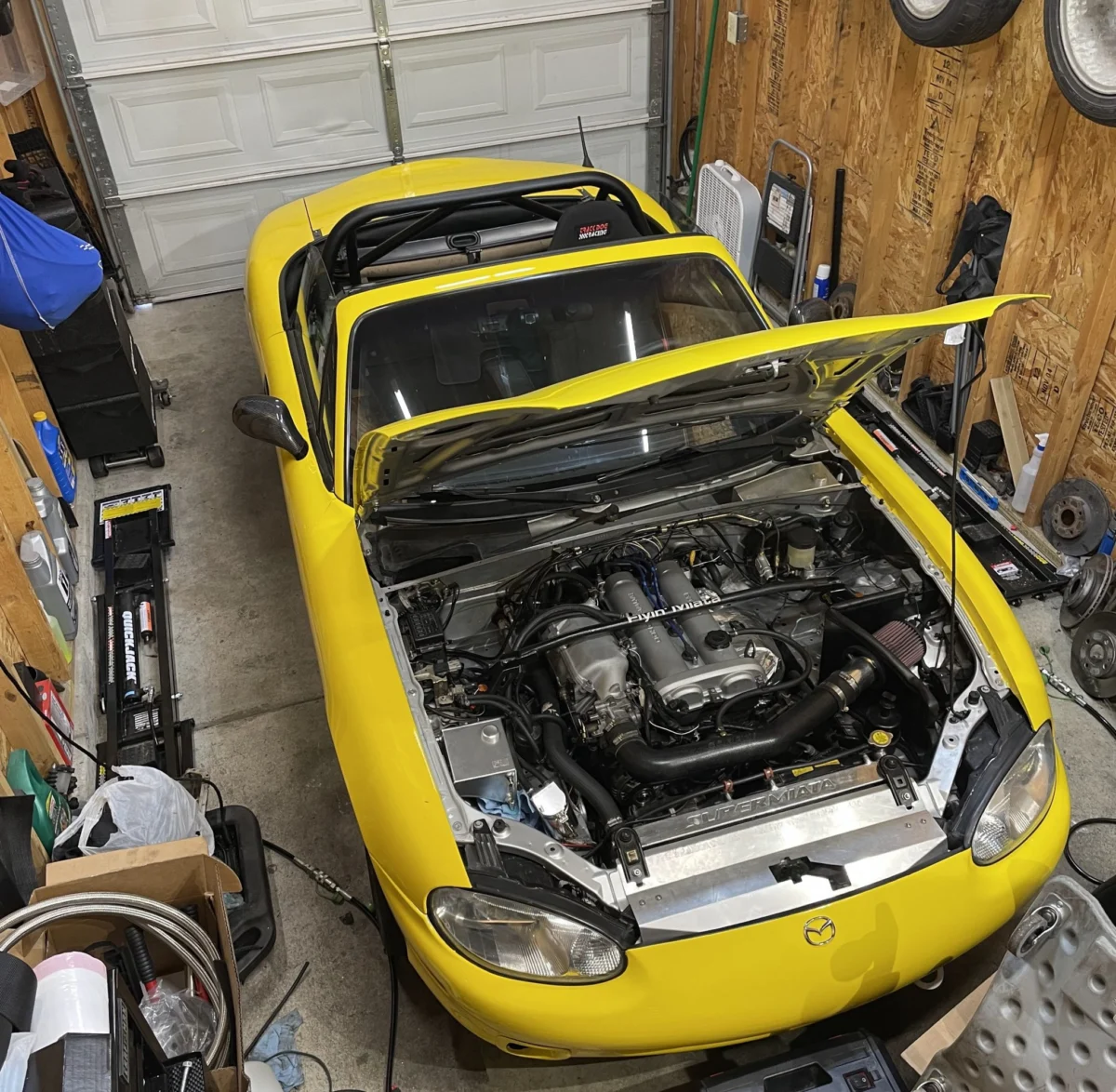
The 2024 season commenced with an ambitious powertrain upgrade. The factory BP4W engine, standard in early NB models, was slated for replacement by the more advanced BP6D Variable Valve Timing (VVT) motor. This swap is a common performance milestone for Miata enthusiasts, as the VVT system allows for a broader torque curve and improved high-end breathing.
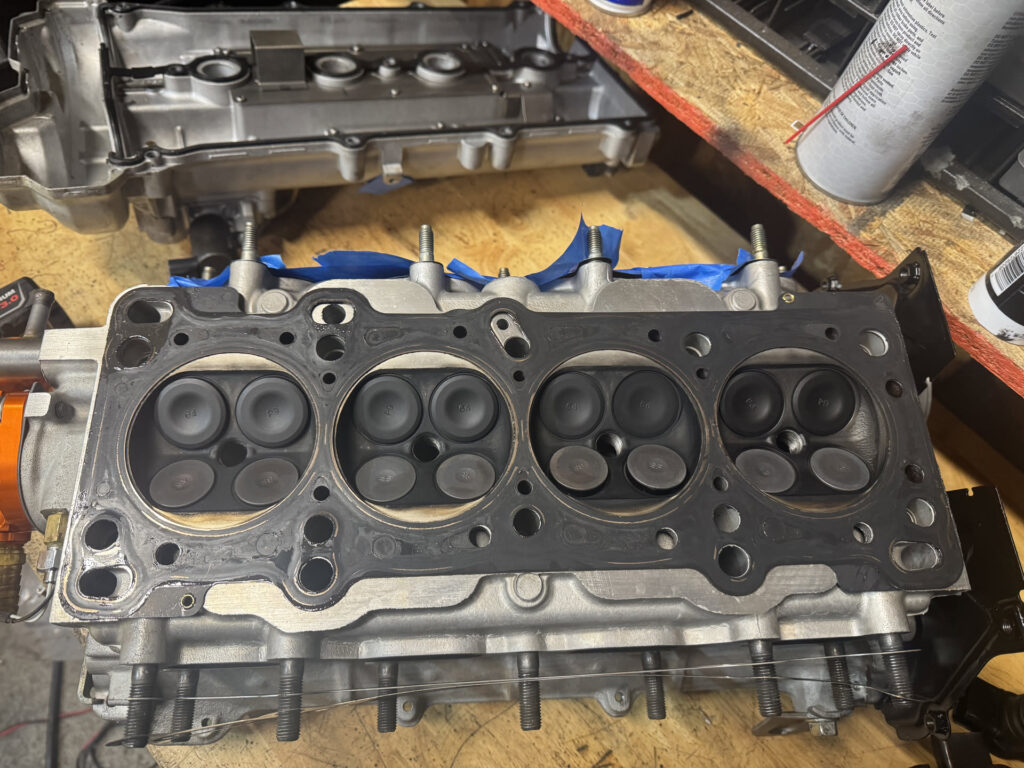
The preparation for this installation involved a comprehensive rebuild of the cylinder head after initial testing revealed poor valve sealing. The engine block was subjected to a "do-it-yourself" hone, utilizing new Original Equipment Manufacturer (OEM) rings and aftermarket pistons. The build list for the VVT motor included high-performance components designed to withstand the rigors of sustained high-RPM operation:
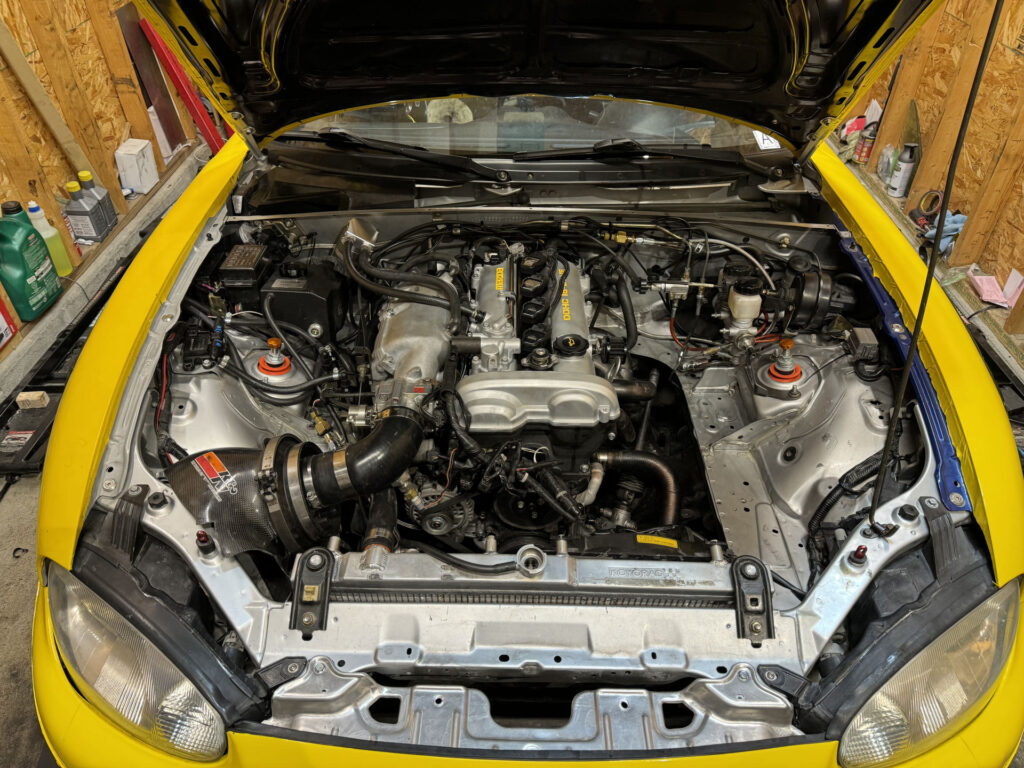
- Boundary Stage 2 oil pump for increased flow and pressure reliability.
- Supermiata harmonic damper to mitigate crankshaft vibrations.
- Flowforce 380cc fuel injectors to accommodate increased airflow.
- A six-speed manual transmission, replacing the original five-speed unit to optimize gear spacing for technical circuits.
However, the transition was met with immediate mechanical challenges. During an early-season autocross event, the cooling system experienced a catastrophic failure when a freeze plug was ejected under high-pressure conditions near the engine’s redline. Subsequent diagnostics identified a minor head gasket failure, likely stemming from surface imperfections or the DIY honing process. This setback necessitated a revert to the original BP4W engine for the remainder of the competitive season, though the six-speed transmission was retained, providing a measurable improvement in mechanical advantage.
Thermal Management and Braking Efficiency
In April 2024, the focus shifted to thermal management of the braking system. The vehicle, equipped with a Supermiata BX11 brake kit, had previously suffered from accelerated pad wear. While the kit offered sufficient stopping power, the relatively thin pads were prone to premature degradation under the intense heat cycles of track use.
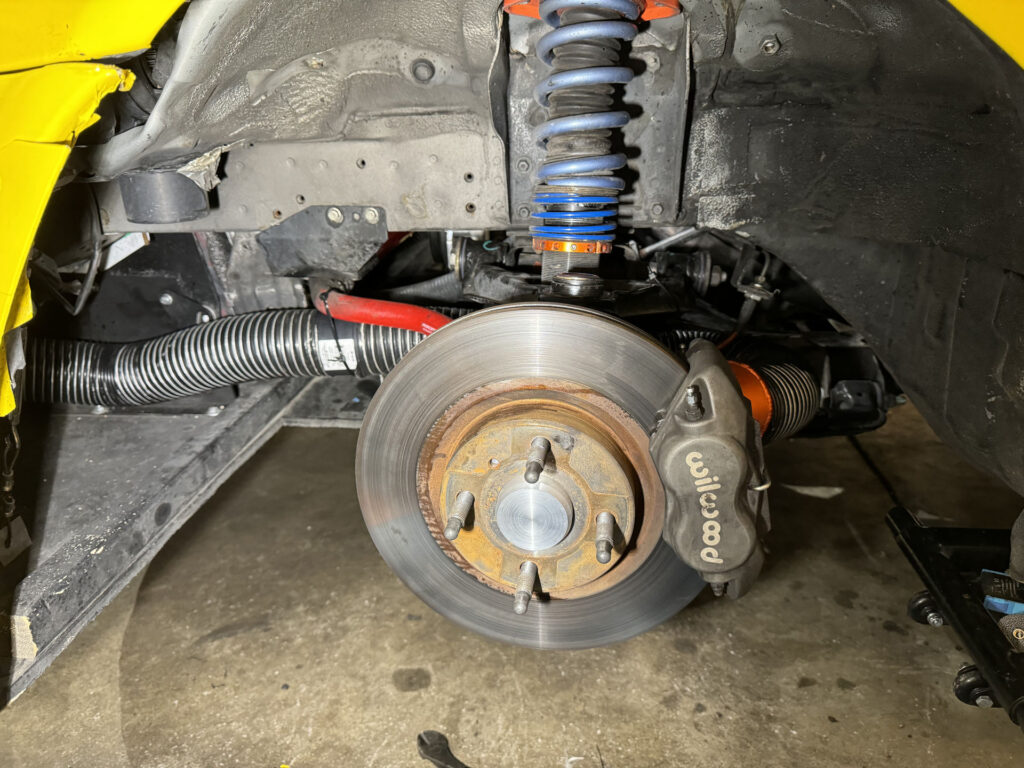
The solution involved the installation of dedicated brake cooling ducts. The engineering of the ducting system utilized a two-section hose design with a central coupler. This modular approach was implemented to facilitate cost-effective repairs; should a section of the hose be damaged by road debris or tire rub, only the affected portion requires replacement. Field testing throughout the 2024 season indicated that these cooling ducts approximately doubled the lifespan of the brake pads, representing a significant reduction in seasonal maintenance costs and improved consistency during long-duration sessions.
Exhaust Dynamics and Weight Reduction
By May 2024, the vehicle’s exhaust system was modified to balance weight reduction with acoustic performance. The existing Racing Beat Power Pulse muffler was replaced with the Racing Beat Race variant. This modification was part of a broader exhaust strategy comprising a Raceland header and a Racing Beat resonated midpipe.
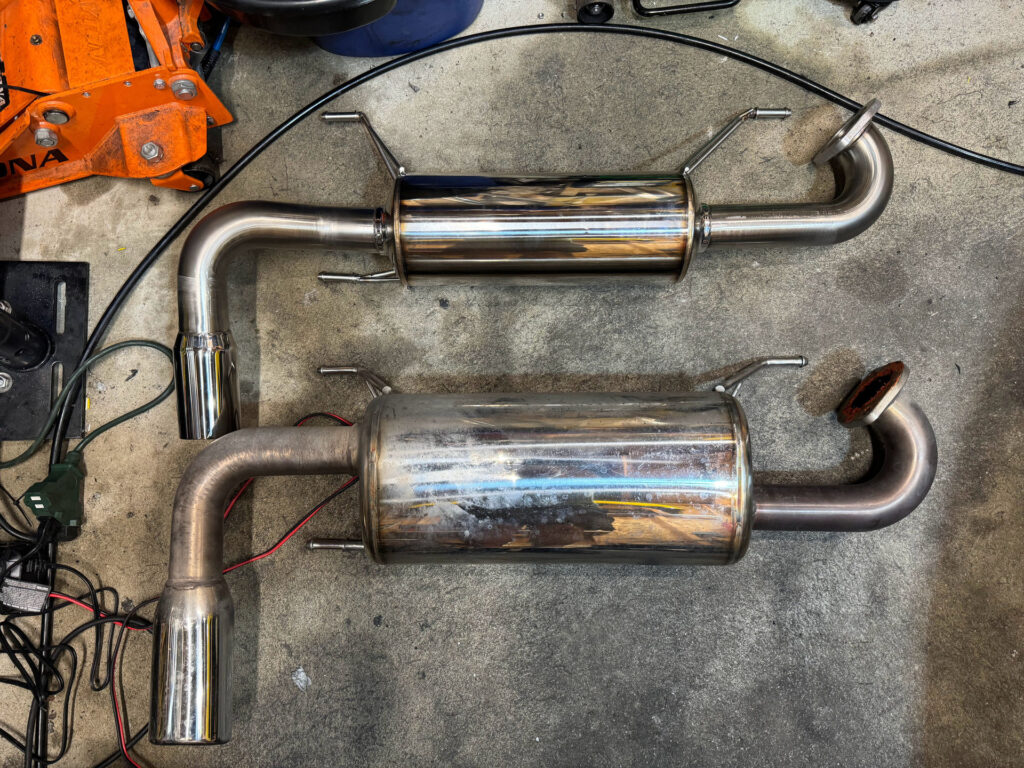
The transition to the "Race" muffler achieved two primary objectives: a marginal reduction in rear-axle weight and a moderate increase in exhaust note. Crucially, the setup remained within the decibel limits enforced at many North American racing circuits, ensuring the vehicle remained compliant with local noise ordinances during transit and competition.
Competitive Performance and Lap Record Analysis
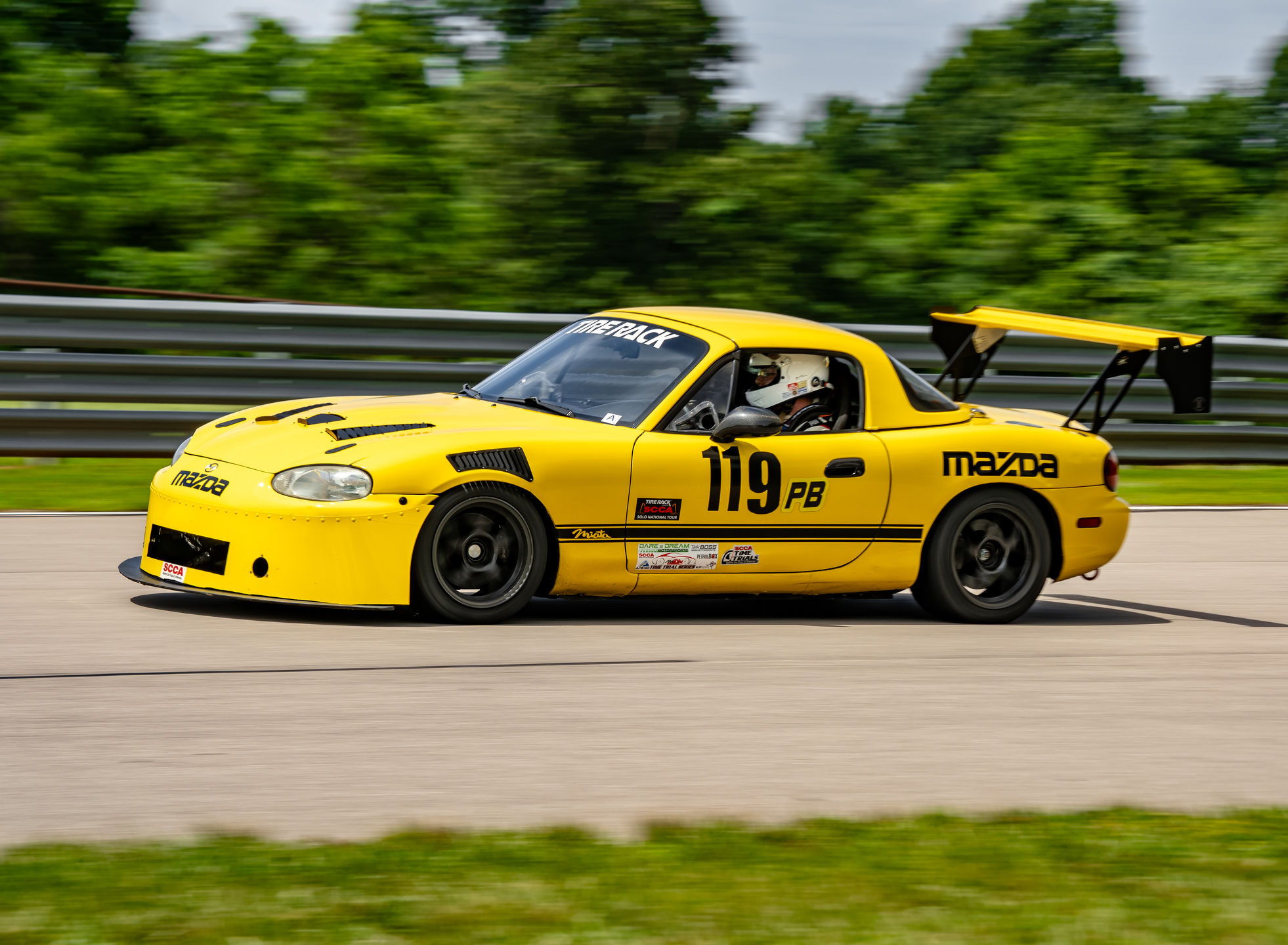
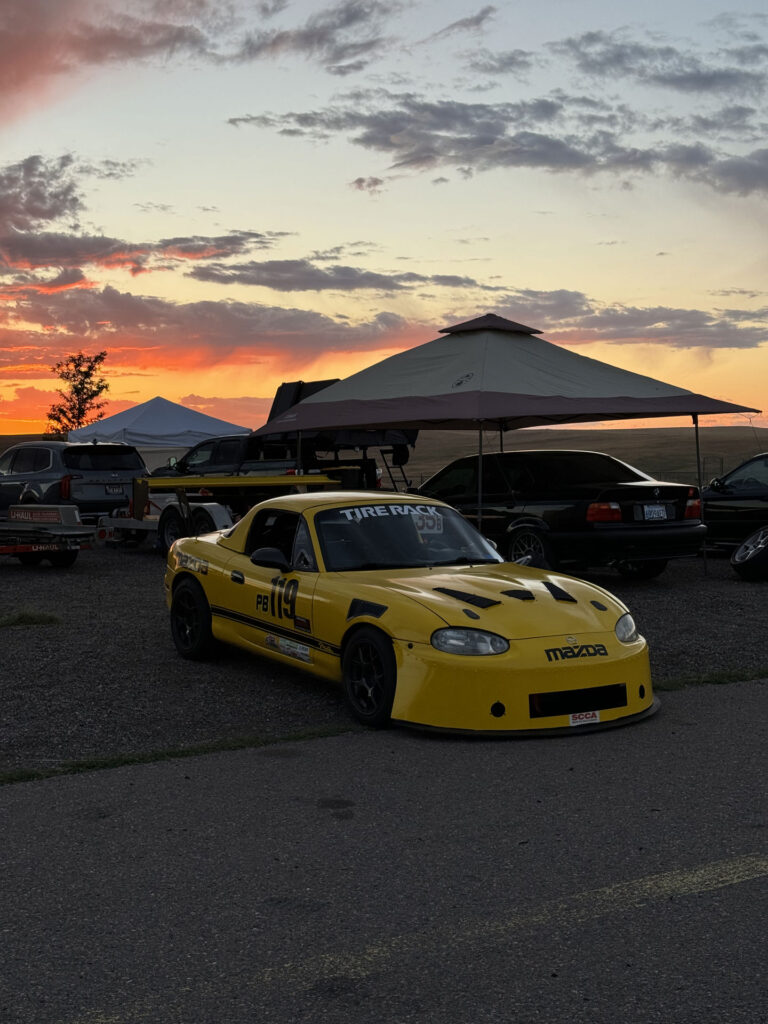
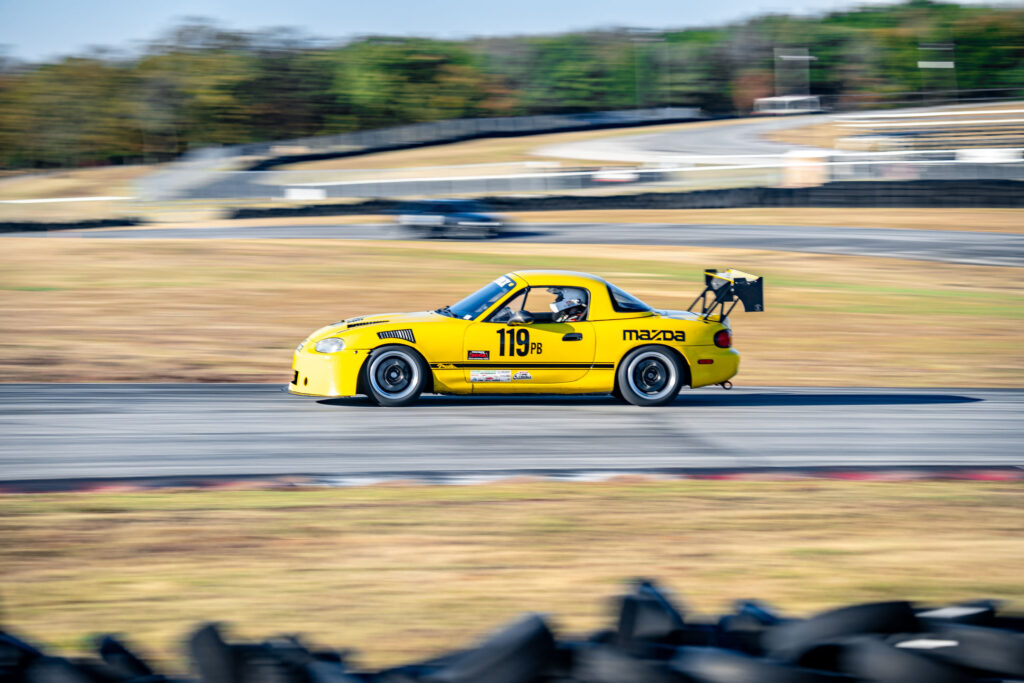
The summer of 2024 served as the primary data-gathering period for the vehicle’s performance at various Midwestern circuits. The vehicle participated in several SCCA Time Trials events, where lap times provided an objective measure of the year’s mechanical refinements.
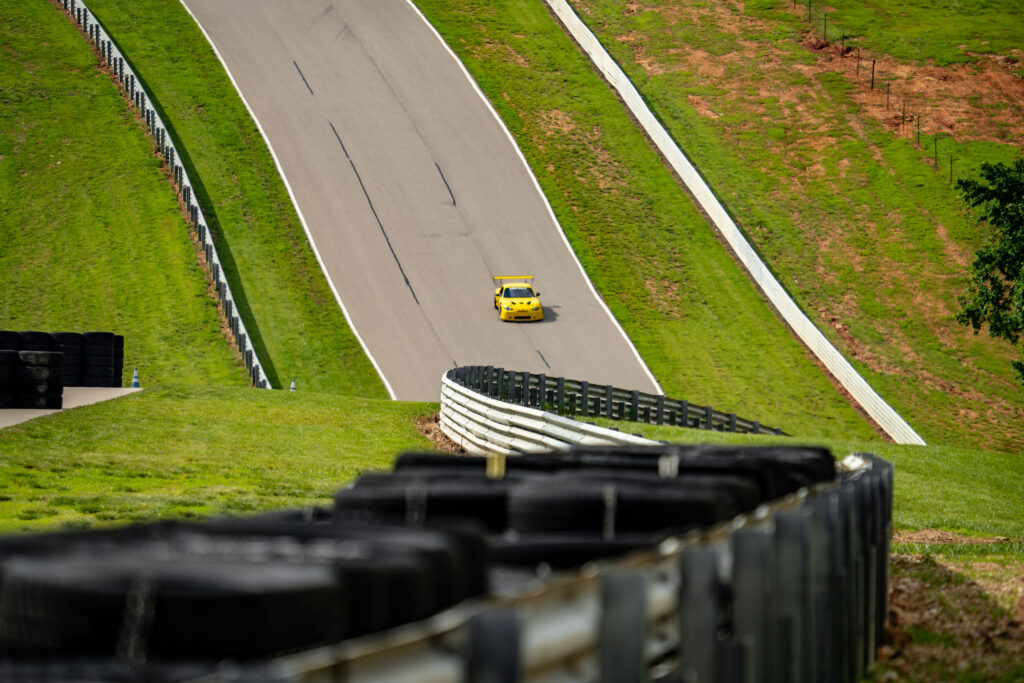
Motorsports Park Hastings
In August, the vehicle demonstrated exceptional pace at Motorsports Park Hastings. Competing in a class positioned between NASA’s TT6 and TT5 designations, the Miata recorded a peak lap time of 1:39.19. This performance was 3.59 seconds faster than the previous year’s best. Analysis of this data point is significant when compared to established benchmarks:
- 1:39.19: Current Vehicle Performance.
- 1:40.41: NASA Spec Miata Track Record.
- 1:39.62: NASA TT6 Track Record.
- 1:34.11: NASA TT5 Track Record.
The ability of a relatively stock-block BP4W-powered Miata to outperform Spec Miata and TT6 records suggests that the combination of the six-speed transmission, optimized braking, and increased driver familiarity has maximized the chassis’s potential.
Ozarks International Raceway and Hallett
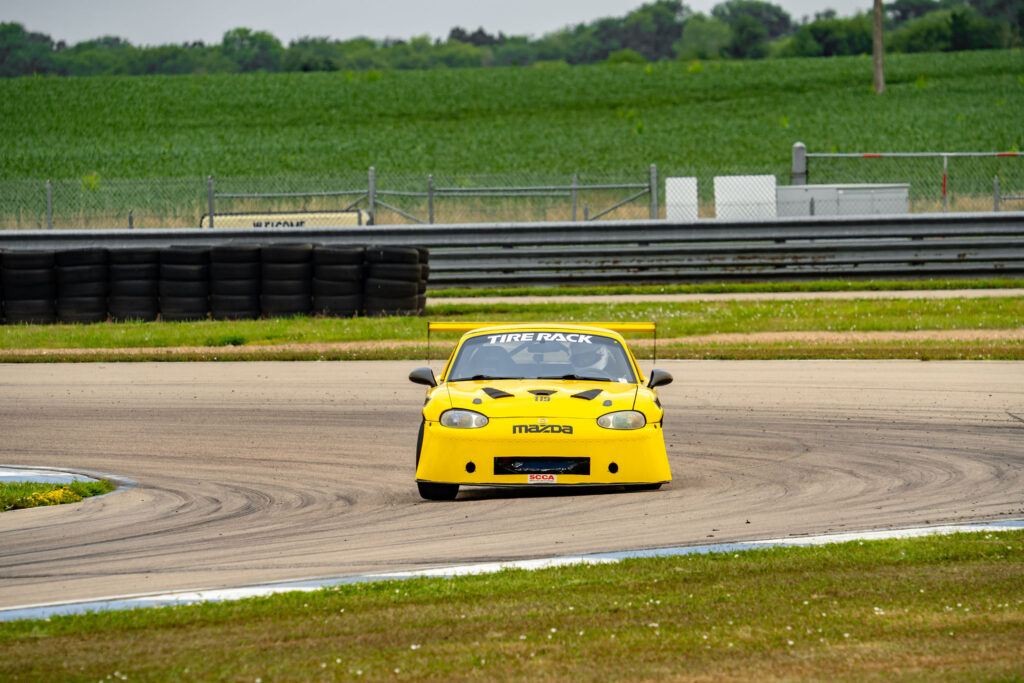
The vehicle also frequented Ozarks International Raceway, a highly technical circuit characterized by extreme elevation changes. In June, the owner reported significant improvements in sector times, attributing the gains to increased comfort with the track’s "blind" apexes. In November, the season concluded at Hallett Motor Racing Circuit. Despite experiencing rear-wheel lockup issues and resulting tire flat-spots, the vehicle remained competitive, securing top-in-class finishes in several sessions.
Logistical Evolution: The Transition to Trailering
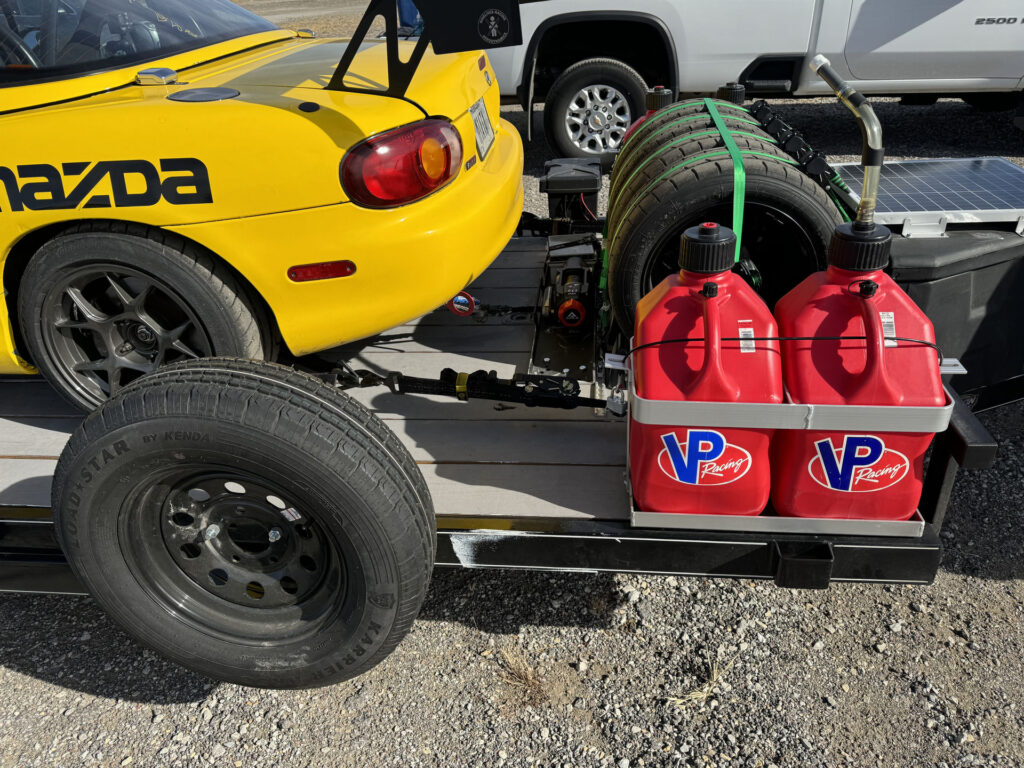
A pivotal shift in the fourth year of ownership was the abandonment of the "drive-to-track" philosophy. In June 2024, the acquisition of a dedicated towing vehicle—a mid-sized truck—allowed for the purchase of an 18-foot open car hauler in July.
The move to a trailer-based logistics system addressed several critical vulnerabilities:
- Mechanical Security: The ability to transport the vehicle home regardless of on-track mechanical failure.
- Equipment Capacity: The truck bed allowed for a more comprehensive toolset and additional wheel sets.
- Driver Fatigue: Long-distance transits (such as a 900-mile round trip to High Plains Raceway) were completed in the relative comfort of a modern truck rather than a cramped, loud racing cockpit.
The trailer was customized between July and October with a winch, a tongue-mounted tool box, and a rock guard. However, technical challenges remained; the low ground clearance of the Miata, exacerbated by its front splitter, required the use of wooden ramps to navigate the trailer’s dovetail angle without damaging the frame rails.
Infrastructure and Track-Side Habitability
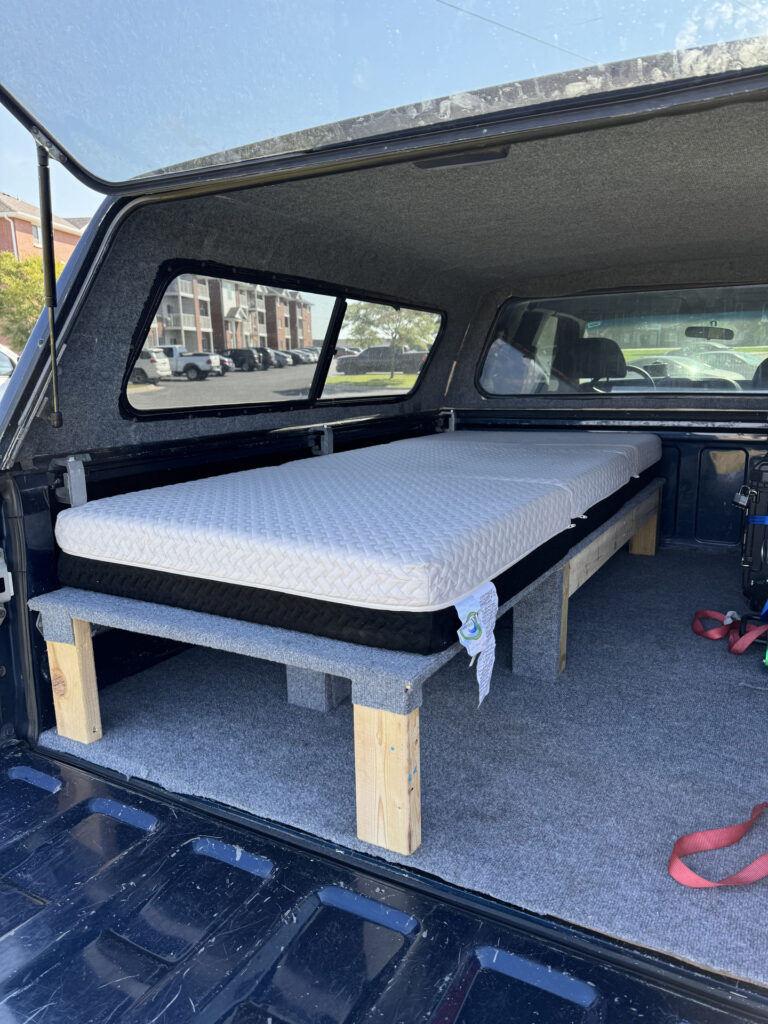
To further reduce the costs associated with multi-day events, the truck was converted into a mobile sleeping quarters in September 2024. A color-matched camper shell was installed, housing a custom-built sleeping platform above the wheel wells. The setup included:
- A 75×31-inch memory foam mattress.
- A MaxxFan Deluxe RV roof vent for climate control.
- Roof-mounted solar panels to maintain battery charge for auxiliary lights and ventilation.
This "truck-bed camping" configuration proved successful during late-season events at Hallett, significantly reducing setup and teardown times compared to traditional tent camping and providing better protection against inclement weather.
Winter Research and 2025 Preparations
As the 2024 season ended, attention returned to the failed VVT engine. A December teardown revealed no catastrophic cracks in the cylinder head or block. However, significant wear was noted on the thrust side of the cylinder walls, suggesting potential issues with piston-to-wall clearance or bore roundness.
Rather than rushing the VVT engine back into service, the decision was made to continue utilizing the reliable BP4W motor for the early 2025 season. To compensate for the power deficit, a Skunk2 intake manifold was installed in January 2025. While the expected gains are modest (estimated at 1-4 wheel horsepower), the manifold is designed to improve high-RPM airflow, preventing the power "drop-off" typically seen after 7,000 RPM in stock Mazda manifolds.
The final refinement of the fourth year involved the installation of a GMRS-based racing radio system. Utilizing a Baofeng UV-5R hard-wired to the vehicle’s electrical system and a NASCAR/IMSA-style helmet harness, the system allows for real-time communication between the driver and pit crew. This addition is intended to provide the driver with live timing updates, allowing for more strategic pace management during Time Trials sessions.
Statistical Summary of the Fourth Year
The data collected over the last twelve months illustrates a high level of engagement with the platform. In 2024 alone, the vehicle completed 392 laps, totaling 12.1 hours of active track time across 16 separate days. Since the beginning of the project, the vehicle has logged 1,023 laps and 34.6 hours of track driving, according to Garmin Catalyst data.
The project has now moved away from autocross, as the vehicle’s setup has become too specialized for the short-duration, low-speed nature of parking lot courses. The evolution of this NB Miata serves as a case study in the systematic improvement of a grassroots racing effort, moving from basic maintenance to advanced engine forensics, aerodynamic cooling, and professional-grade logistics. As the vehicle enters its fifth year, the focus remains on incremental power gains and maintaining the high reliability that has characterized its record-breaking 2024 season.