Cecilia Chamidah Nur
In a significant pivot for the newly revived Commodore International, the company has announced a reversal of its controversial decision to implement a strict firmware lockdown on its C64 Ultimate home computer. Following a period of intense community feedback, the iconic brand has committed to allowing "free experimentation" with third-party FPGA firmware, provided users understand that such modifications will void any entitlement to free support or replacements for units that become "bricked." This move signals a willingness by Commodore to engage with its dedicated user base, a crucial element for a brand deeply rooted in the history of personal computing and a vibrant enthusiast community.
The Initial Stance: Protecting Hardware and Limiting Liabilities
The saga began on April 20th, 2026, when Commodore International released a firmware update (version 1.1.0) for its C64 Ultimate. While the update itself brought welcome features such as USB mouse support, improved BASIC editor functionality, and a new "music-detect" mode for specific editions, it was the accompanying blog post, titled "Why We’re Protecting Your Commodore 64 Ultimate FPGA," that ignited a heated debate among retro computing enthusiasts.
In the post, Marc Bilodeau of Commodore articulated the company’s rationale for considering a lockdown on non-Commodore FPGA-level firmware builds. The core argument centered on the evolving nature of the C64 Ultimate hardware. As a modern recreation utilizing Field-Programmable Gate Array (FPGA) technology, the device is designed to be dynamic, with future hardware revisions and component changes anticipated. Commodore expressed concerns that unsupported third-party firmware, not optimized for these evolving platforms, could lead to unforeseen incompatibilities or even hardware damage.
"Firmware built for a different board may not behave safely on ours," Bilodeau stated, emphasizing the potential for "hardware returns and replacements due to actions entirely out of our control." Such issues, the company argued, would carry "significant financial implications for Commodore," a brand still in its revitalization phase. The company drew a parallel to the challenges faced by manufacturers of modern consumer electronics, where unofficial modifications like "jailbreaking" can lead to devices becoming non-functional, or "bricked," and subsequently result in unsupported customer service requests.
Commodore’s initial stance was pragmatic: it could not officially support patches or firmware it did not create or actively maintain. If a third-party modification caused an issue, it would fall outside the scope of warranty and support, placing the onus of support squarely on the patch’s author. The company cited existing instances where users had inadvertently bricked their machines by flashing incorrect firmware, leading them to contact Commodore for assistance that the company was ill-equipped to provide. This was framed as an "engineering reality" that needed to be addressed proactively to prevent a surge in unsustainable support requests.
The C64 Ultimate: A Modern Revival of a Computing Icon
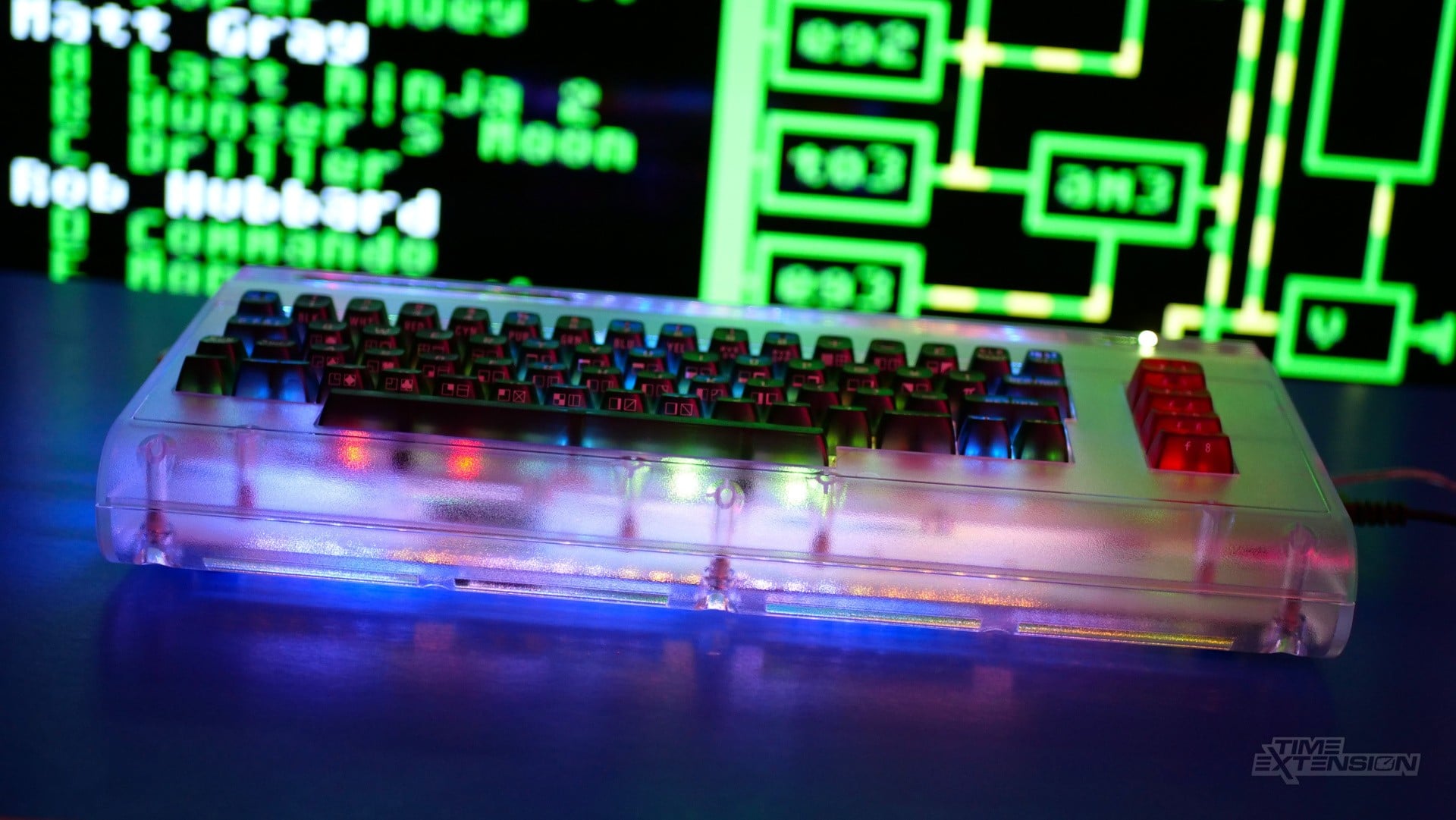
To fully understand the intensity of the community’s reaction, it’s essential to contextualize the C64 Ultimate and Commodore International’s place in the retro computing landscape. The original Commodore 64, launched in 1982, remains one of the best-selling single computer models of all time. Its enduring legacy is not just in its commercial success but in the vibrant culture of programming, gaming, and hardware tinkering it fostered. For many, the C64 was their first introduction to personal computing, inspiring generations of engineers, developers, and artists.
The modern Commodore International, having been revived, aims to honor this legacy with products like the C64 Ultimate. This device is not merely an emulator but an FPGA-based recreation, meaning it uses reconfigurable hardware to precisely mimic the original C64’s chips and architecture at a fundamental level. This approach offers unparalleled accuracy and compatibility with original software and peripherals, making it highly attractive to purists and collectors. The "Ultimate" designation itself implies a premium, authentic experience.
The use of FPGAs is particularly relevant to the firmware debate. Unlike traditional software emulation, FPGA cores can be entirely rewritten to simulate different hardware configurations or even entirely different retro systems. This inherent flexibility is a major draw for the retro computing community, which thrives on experimentation, optimization, and the creation of homebrew solutions. Modding and custom firmware are not niche activities but fundamental aspects of how many enthusiasts interact with their retro hardware. A "lockdown" on FPGA firmware, therefore, was perceived by many as an attempt to stifle the very spirit of innovation and open-ended exploration that defined the original Commodore era.
Community Outcry and the Spirit of Retro Computing
The initial announcement sparked a wave of concern and criticism across retro computing forums, social media, and enthusiast websites. Many users expressed dismay at what they perceived as a move towards a "walled garden" approach, reminiscent of modern console manufacturers or smartphone ecosystems. The retro computing community, by its very nature, is often anti-establishment when it comes to proprietary restrictions, favoring open standards, user-driven innovation, and the freedom to modify and repair their own devices.
Arguments against the lockdown included:
- Erosion of Trust: Some users felt betrayed, believing that a company reviving a legacy brand should understand and embrace the modding culture inherent to that legacy.
- Stifling Innovation: Limiting third-party firmware was seen as preventing community-driven improvements, optimizations, and even the potential for new features that Commodore itself might not prioritize.
- "My Hardware, My Rules": A common sentiment was that once a user purchases a device, they should have the freedom to modify it as they see fit, even if it carries risks.
- Precedent Setting: Concerns were raised that such a policy could set a negative precedent for other retro hardware manufacturers, leading to a more restrictive market overall.
While Commodore’s financial and technical concerns were acknowledged by some, the overwhelming sentiment leaned towards finding a compromise that respected both the company’s need for sustainability and the community’s desire for freedom. The "bricked jailbroken iPhone" analogy, while understandable from a corporate risk management perspective, likely fueled some of the pushback, as it framed enthusiast activity in a negative, almost illicit, light.
The Reversal: Acknowledging the Community’s Voice

Less than a week after its initial announcement, on April 24th, 2026, Commodore International demonstrated a remarkable willingness to listen and adapt. In a social media post, the company publicly reversed its decision, stating: "Last week we said we were considering restricting non-Commodore FPGA firmware on the Commodore 64 Ultimate, to avoid Commodore covering free support or replacements for machines damaged by unsupported mods – basically our version of a bricked jailbroken iPhone. We listened. We agree. No FPGA lockdown."
This swift and decisive change of course was met with widespread relief and praise from the community. The new policy, succinctly summarized by Commodore, now permits "clear disclaimer, free experimentation, just no free support/replacement for bricked modded units." The company concluded its statement with a powerful affirmation of its relationship with its users: "Commodore is the community, and the community is Commodore. Happy Flashing!"
This revised approach strikes a crucial balance. It allows enthusiasts the freedom to explore and modify their C64 Ultimate devices with custom FPGA firmware, honoring the open and experimental spirit of retro computing. Simultaneously, it clearly delineates the boundaries of Commodore’s responsibility, protecting the company from the financial burden of supporting hardware issues arising from user-initiated, unsupported modifications. This model is common in many tech sectors, where rooting a phone or overclocking a PC component often voids the warranty, a compromise generally accepted by advanced users.
Implications and Future Outlook
Commodore International’s reversal on the FPGA firmware lockdown carries several important implications for both the company and the broader retro computing landscape:
- Enhanced Brand Trust and Community Relations: By actively listening to feedback and adjusting its policy, Commodore has significantly strengthened its bond with its target audience. This responsive approach fosters goodwill, encouraging continued engagement and loyalty from a community that values authenticity and openness. In the long run, this could translate into stronger sales and a more vibrant ecosystem around Commodore products.
- Preservation of Modding Culture: The decision ensures that the C64 Ultimate remains a platform for innovation and experimentation. This is vital for a retro device, as community-driven projects often extend the lifespan and utility of such hardware far beyond its initial design intent. Enthusiasts can continue to develop and share custom FPGA cores, potentially adding new functionalities or emulating other classic systems on the C64 Ultimate hardware.
- Setting an Industry Precedent: Other manufacturers operating in the retro hardware space, particularly those utilizing FPGA technology, will likely observe Commodore’s experience. This case demonstrates that a flexible, community-centric approach, coupled with clear disclaimers, can be a more sustainable and positively received strategy than outright restriction.
- Operational Clarity for Support Teams: The new policy provides unambiguous guidelines for Commodore’s customer support and warranty teams. They can now efficiently handle legitimate issues while politely, but firmly, declining support for problems directly attributable to unsupported modifications, without alienating the entire user base.
- Continued Evolution of the C64 Ultimate: With the community free to experiment, the C64 Ultimate could see a wider array of unofficial enhancements and applications. While Commodore will focus on its official roadmap of hardware revisions and firmware updates, the parallel development by the community could create a richer, more diverse experience for users, potentially even inspiring future official features.
In conclusion, Commodore International’s journey from considering a strict lockdown to embracing open experimentation with clear disclaimers represents a significant moment in the modern retro computing movement. It underscores the power of community voice and the importance for companies reviving beloved brands to understand and respect the culture that surrounds them. By choosing to be "the community," Commodore has not only secured its reputation but also reaffirmed the spirit of exploration and innovation that defined the original Commodore 64 era, promising a "Happy Flashing!" future for its dedicated users.