Retno Hari Mulyono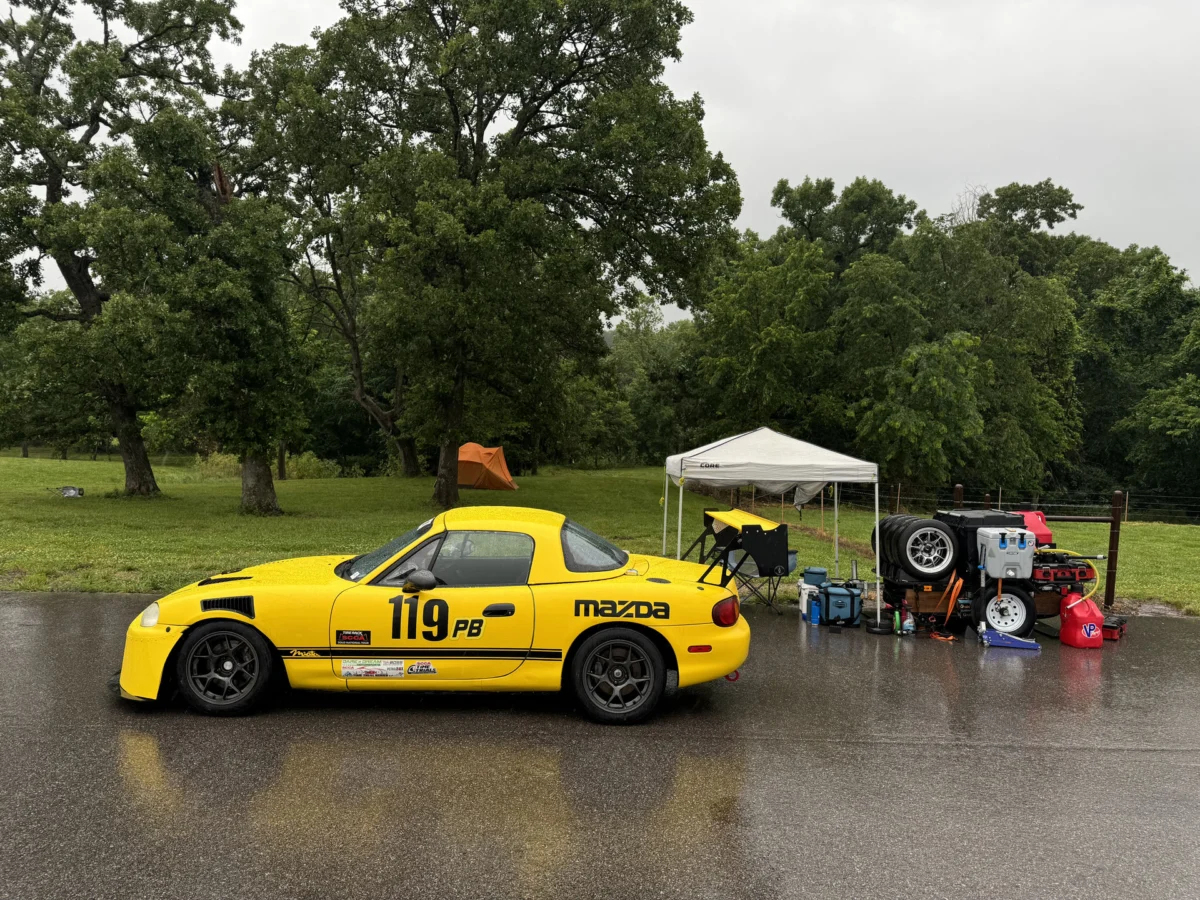
The logistics of grassroots motorsports often present a significant challenge for enthusiasts who operate small-displacement, compact sports cars such as the Mazda Miata or Honda S2000. While these vehicles are celebrated for their handling and weight distribution, their limited cargo capacity creates a friction point when transitioning from casual street driving to competitive track days or autocross events. Central to this conflict is the management of high-performance tires, specifically those in the 200-treadwear (200TW) category. These tires, while street-legal, are engineered for maximum thermal grip rather than longevity or inclement weather safety. Consequently, the adoption of the "tire trailer"—a compact, towed utility platform—has emerged as a vital engineering solution for drivers seeking to balance performance, safety, and logistical independence.
The Technical Conflict: Street Longevity vs. Track Performance
In the high-performance driving community, the 200TW tire serves as the standard for "Extreme Performance Summer" rubber. Compounds such as the Hankook Ventus RS4, Bridgestone Potenza RE-71RS, and Michelin Pilot Sport Cup 2 are designed with specialized resins that provide peak adhesion at high operating temperatures. However, these chemical properties introduce several liabilities when used for routine transit.
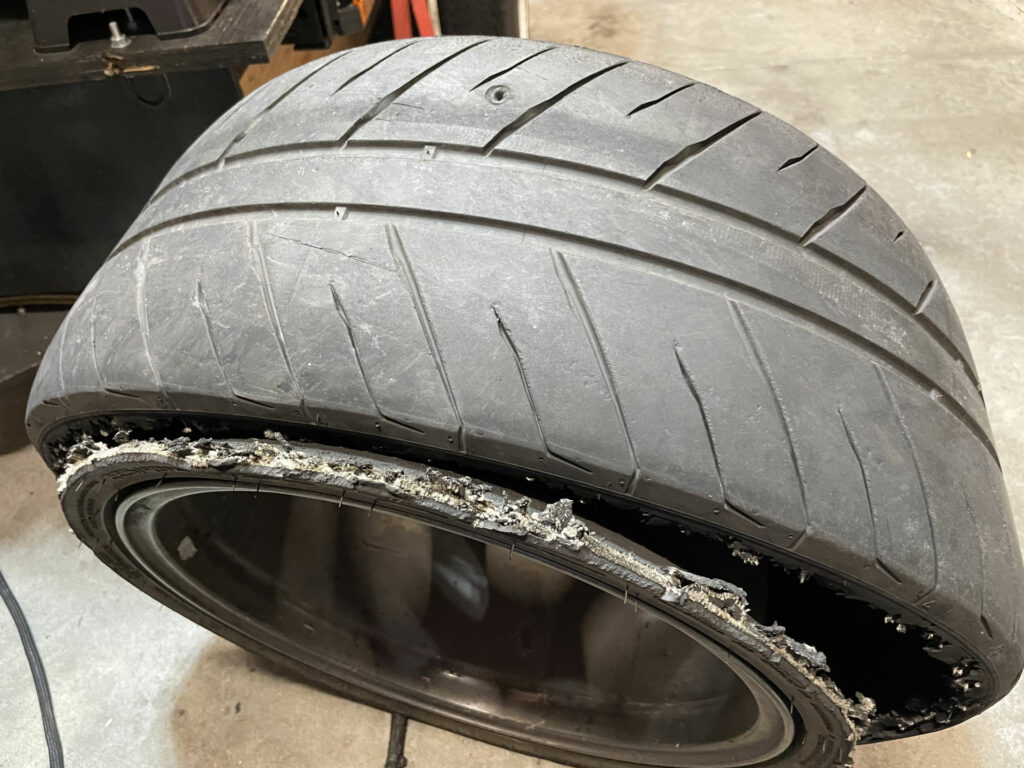
The primary concern is the "heat cycle." Every time a track tire reaches operating temperature and cools down, the rubber compound undergoes a chemical change that gradually hardens the surface, reducing its ultimate grip levels. Using these tires for highway transit to a distant circuit subjects them to unnecessary heat cycles and abrasive wear, effectively shortening their competitive lifespan. Furthermore, the specialized tread patterns of track-focused tires are often ill-equipped for water evacuation. In heavy rain, these tires are prone to hydroplaning at speeds far lower than standard passenger tires. In cooler temperatures, the rubber can reach its "glass transition" point, becoming brittle and losing nearly all mechanical grip, which poses a severe safety risk on public roads.
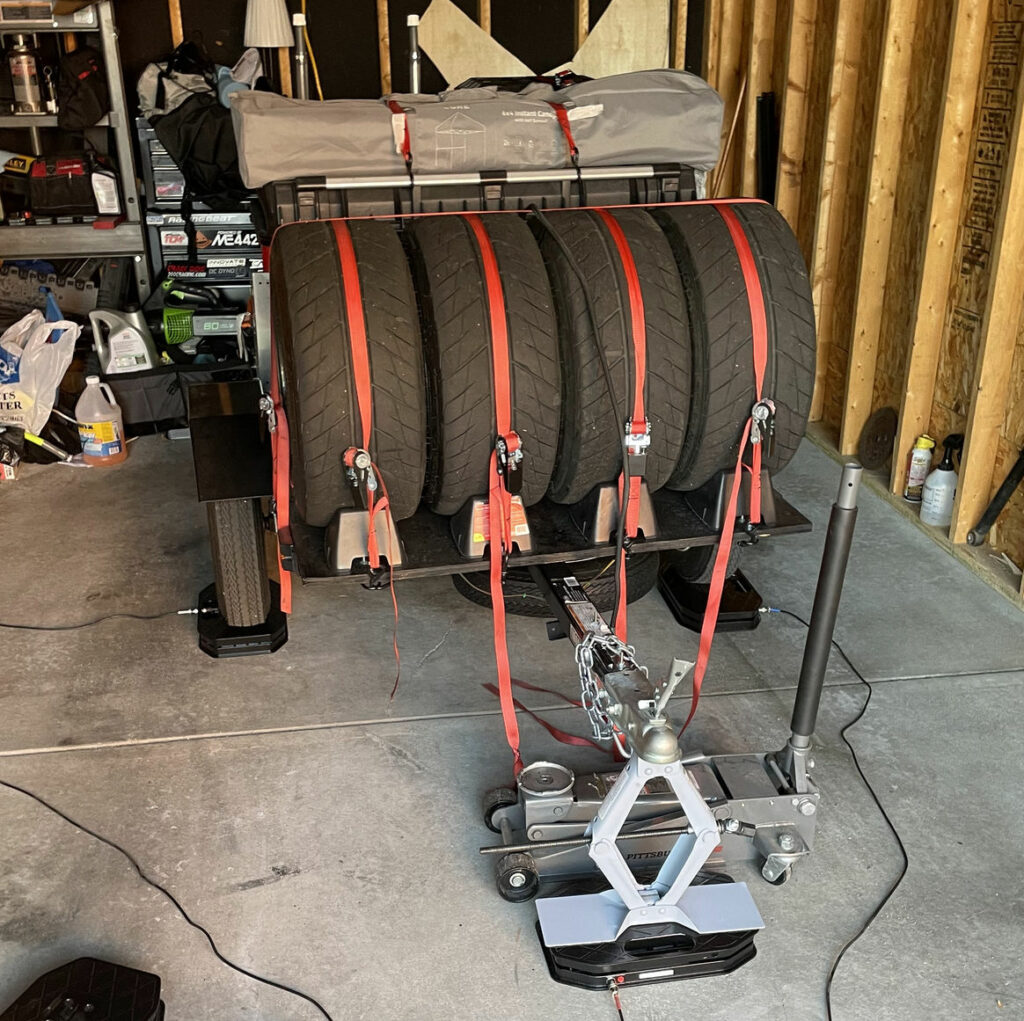
For drivers of larger sedans or hatchbacks, a spare set of wheels can often be stowed within the cabin or trunk. For the Mazda Miata platform, which features a trunk capacity of approximately 4.5 cubic feet, this is physically impossible. The tire trailer resolves this by allowing the vehicle to tow its own support infrastructure, including wheels, tools, and fuel.
Structural Foundations: The Anatomy of a Tire Trailer
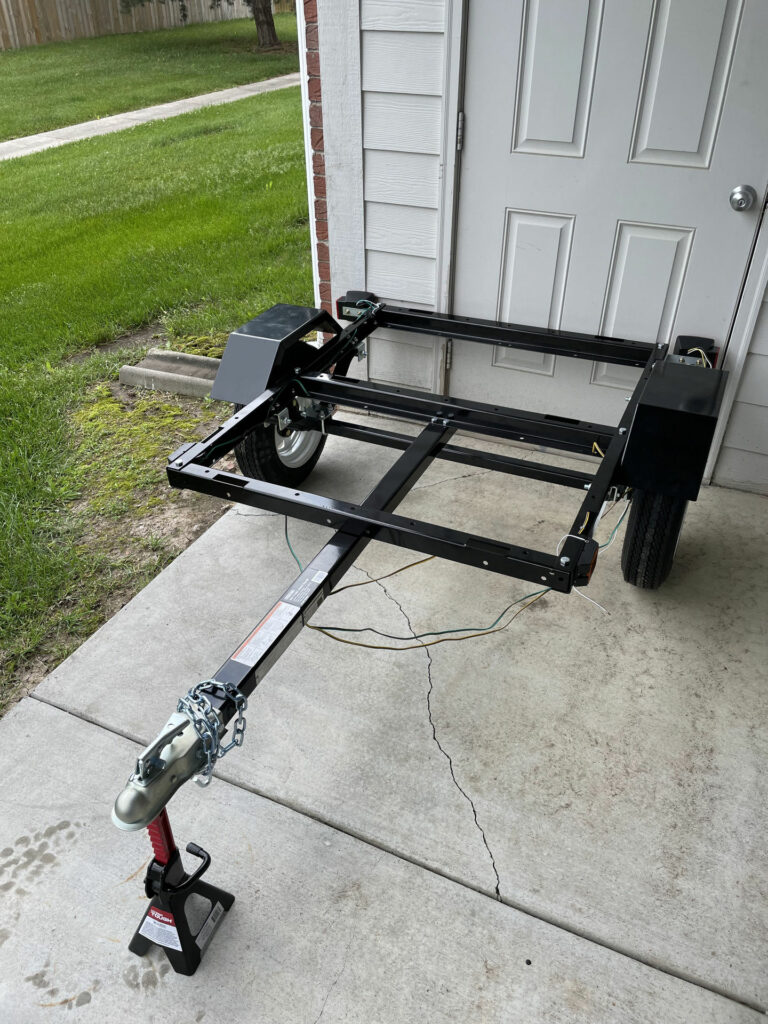
The construction of a tire trailer typically begins with a lightweight utility frame. Market data indicates that the most common donor frames are the 40-inch by 48-inch steel units provided by retailers like Northern Tool or Harbor Freight. These frames are delivered in a "knock-down" kit format, requiring manual assembly and electrical wiring for integrated tail lights.

While these entry-level frames are cost-effective—usually priced between $300 and $500—they require specific modifications to meet the rigors of high-speed highway travel. Enthusiasts often distinguish between these DIY solutions and premium "ready-to-tow" units, such as those manufactured by Leroy Engineering. Premium trailers feature independent suspension systems, high-speed bearings, and larger diameter wheels, whereas budget frames typically rely on leaf springs and 8-inch or 12-inch bias-ply tires.
The Deck and Storage Configuration
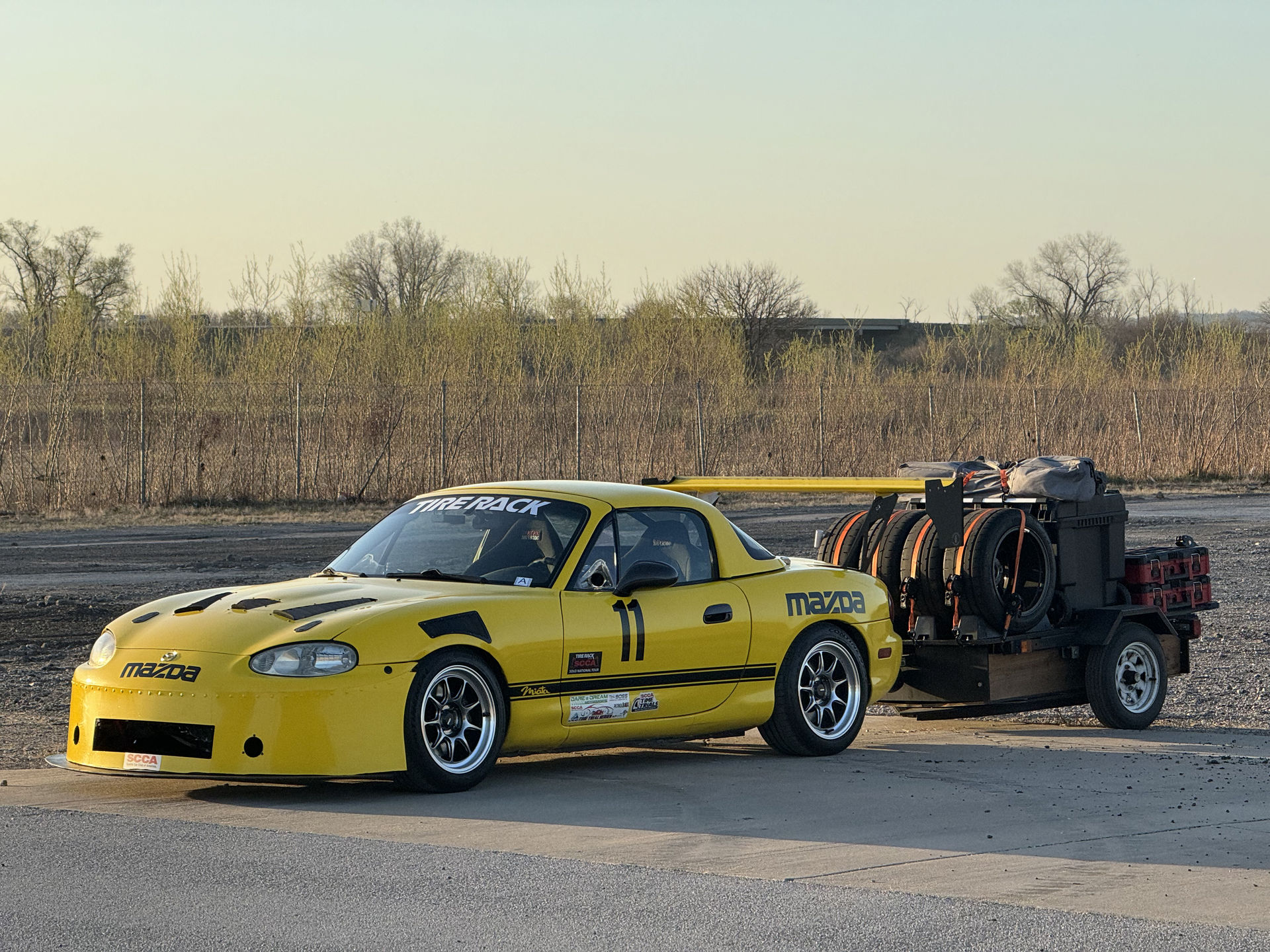
A robust tire trailer build prioritizes weight distribution and durability. A common specification involves a deck constructed from 3/4-inch Sande plywood, treated or painted for weather resistance. To maximize utility, the deck is often extended slightly beyond the frame rails to provide a larger footprint for mounting specialized equipment.
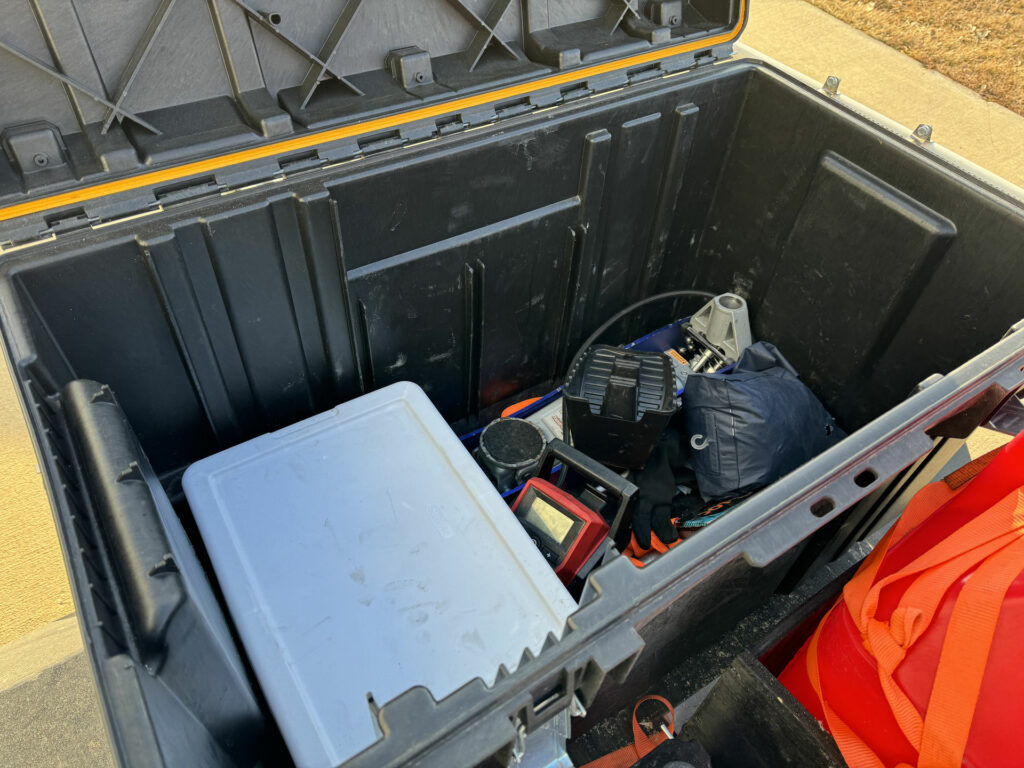
The integration of a weather-tight toolbox is a critical component. Industry-standard choices, such as the DeWalt DWST38000, provide a centralized location for heavy items including floor jacks, torque wrenches, impact guns, and spare fluids. Mounting the toolbox directly over the axle helps maintain a low center of gravity and minimizes the "tongue weight"—the downward force exerted on the vehicle’s hitch—which should ideally remain between 10% and 15% of the total trailer weight to prevent high-speed instability or "sway."
Advanced Logistics: Fuel and Tool Management
As drivers move from local autocross events to regional track days at circuits like Ozarks International Raceway or Heartland Motorsports Park, the need for chemical and mechanical support increases.
Fuel Capacity and Scarcity
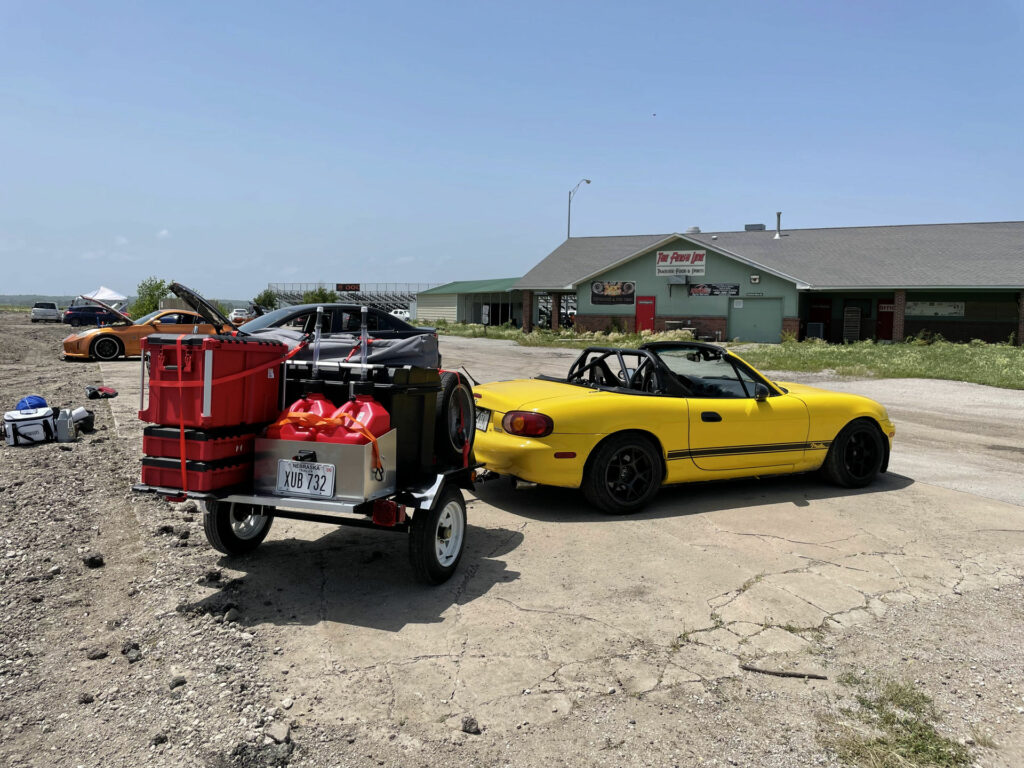
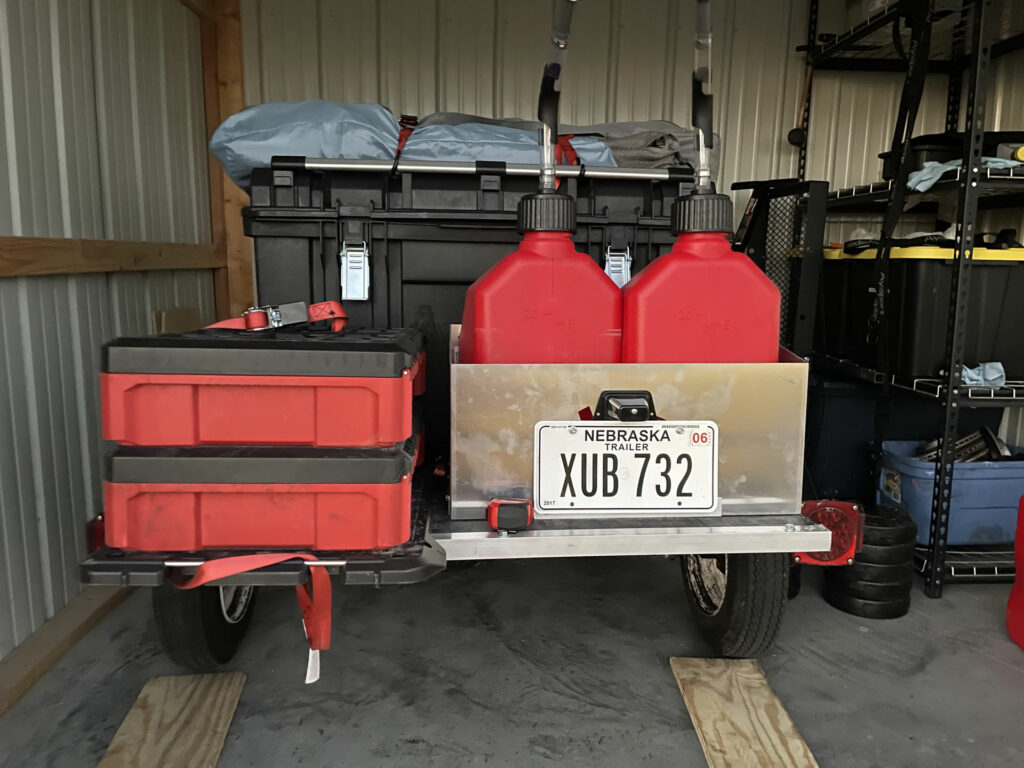
Many performance vehicles are tuned to run on E85 ethanol or high-octane racing fuels, which are often unavailable at rural gas stations or expensive when purchased directly at the track. Advanced tire trailer configurations now incorporate dedicated fuel storage. This can range from dual five-gallon VP Racing jugs to integrated 15-gallon Flo-Fast fuel containers equipped with hand-crank pumps. By carrying 15 to 20 gallons of specialized fuel, drivers can ensure consistent engine mapping throughout a multi-day event without relying on local infrastructure.
Modular Tool Systems
The rise of modular storage systems, such as the Milwaukee Packout or DeWalt ToughSystem, has revolutionized trailer organization. By bolting mounting plates to the trailer deck, drivers can securely snap in toolboxes containing spare brake pads, sensors, fuses, and specialized hand tools. This modularity allows for rapid loading and unloading at the paddock, ensuring that the trailer remains organized even under the pressure of mechanical repairs between sessions.
The Evolution of the Lower Deck and Aerodynamics
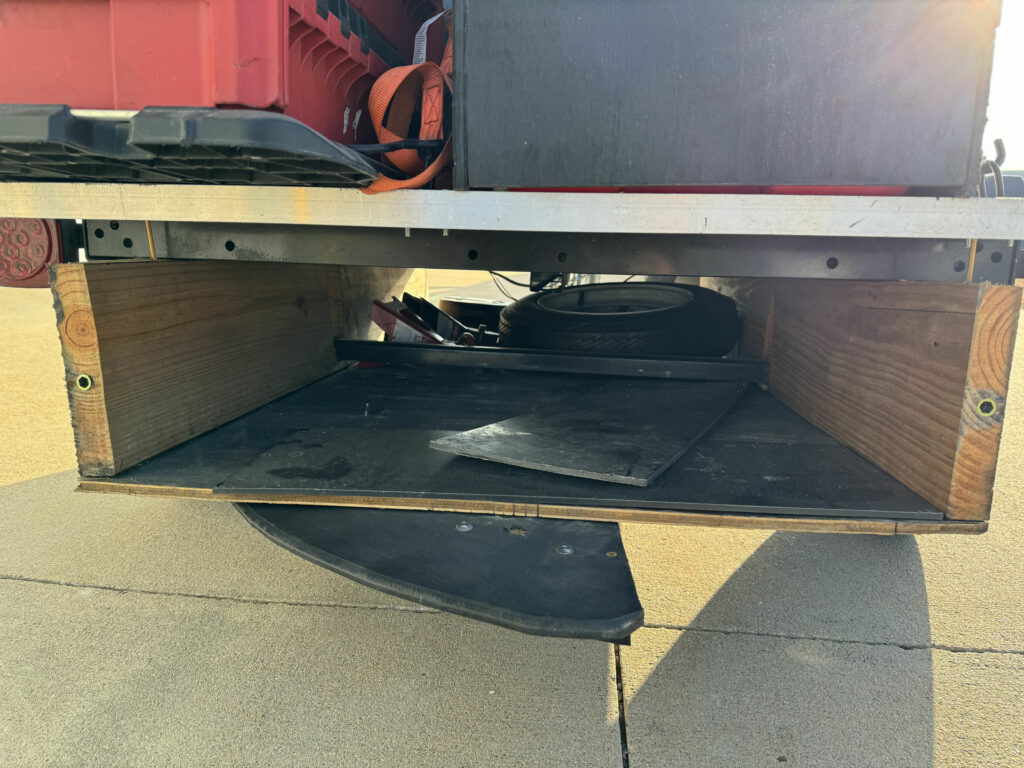
To further optimize space, some builders have pioneered the "double-decker" trailer design. By installing a secondary lower deck beneath the main frame, drivers can store flat or heavy items such as jack stands, canopy weights, and even spare aerodynamic components like front splitters.
This tiered approach not only increases carrying capacity but also keeps the heaviest items as close to the ground as possible. However, builders must account for ground clearance; a trailer that sits too low can bottom out on track entrance ramps or speed bumps, potentially damaging the frame or the cargo.
Maintenance and Safety: The Shift to Radial Tires
One of the most significant upgrades in the tire trailer lifecycle involves the transition from bias-ply to radial tires. Most budget trailer kits are equipped with bias-ply tires, which are stiff and prone to flat-spotting after sitting for extended periods. More importantly, bias-ply tires generate significant heat at sustained highway speeds (65–75 mph), which can lead to catastrophic sidewall failure.
Technical analysis of trailer failures often points to heat-induced bearing or tire failure. Upgrading to 145R12 radial tires offers several advantages:
- Thermal Dissipation: Radial tires run cooler than bias-ply equivalents, reducing the risk of blowouts during long-distance transit.
- Load Rating: Radial tires typically offer a more consistent contact patch, improving the trailer’s tracking and reducing the "bounce" associated with lightweight leaf-spring suspensions.
- Bearing Longevity: Lower tire temperatures translate to lower hub temperatures, preserving the grease within the wheel bearings and extending service intervals.
According to anecdotal data from long-distance towers, standard bias-ply tires may only last 2,000 to 3,000 miles under load before showing significant degradation, whereas radial upgrades can double that lifespan while providing a smoother ride for the car’s suspension.
Economic and Operational Implications
The decision to utilize a tire trailer represents a middle-ground in the evolution of a racing hobbyist. The traditional "arrive and drive" method—driving to the track on the same tires used for racing—is the most cost-effective but carries the highest risk of mechanical or logistical failure. Conversely, purchasing a dedicated tow vehicle (truck) and a full-sized car trailer represents a significant capital investment, often exceeding $30,000 to $50,000, and introduces new challenges regarding storage and fuel economy.

The tire trailer, with an all-in build cost typically ranging from $800 to $2,500, offers a scalable solution. It allows the enthusiast to maintain the purity of the sports car experience while ensuring they have the tools and tires necessary to remain competitive and safe.
Professional and Legal Considerations
From a legal standpoint, towing with a vehicle like a Mazda Miata requires careful adherence to local regulations. Most Miatas are not officially rated for towing in the United States, although they are in other markets. Enthusiasts must ensure that their hitch receivers are properly tied into the vehicle’s subframe and that all trailer lighting complies with Department of Transportation (DOT) standards. Failure to manage tongue weight or total trailer mass (usually kept under 1,000 lbs for small cars) can lead to accelerated wear on the vehicle’s clutch, brakes, and transmission.
Conclusion
The tire trailer is more than a simple utility tool; it is a specialized piece of support equipment that enables the grassroots racing community to thrive. By addressing the specific limitations of small-platform sports cars, these trailers allow drivers to utilize the highest-performing tire compounds without sacrificing safety or vehicle longevity. As track day culture continues to grow, the engineering and refinement of these compact trailers will likely remain a hallmark of the resourceful and technically-minded performance driver. Whether through DIY innovation or the purchase of premium manufactured units, the tire trailer stands as a testament to the pursuit of efficiency in the high-stakes environment of amateur motorsports.