Retno Hari Mulyono
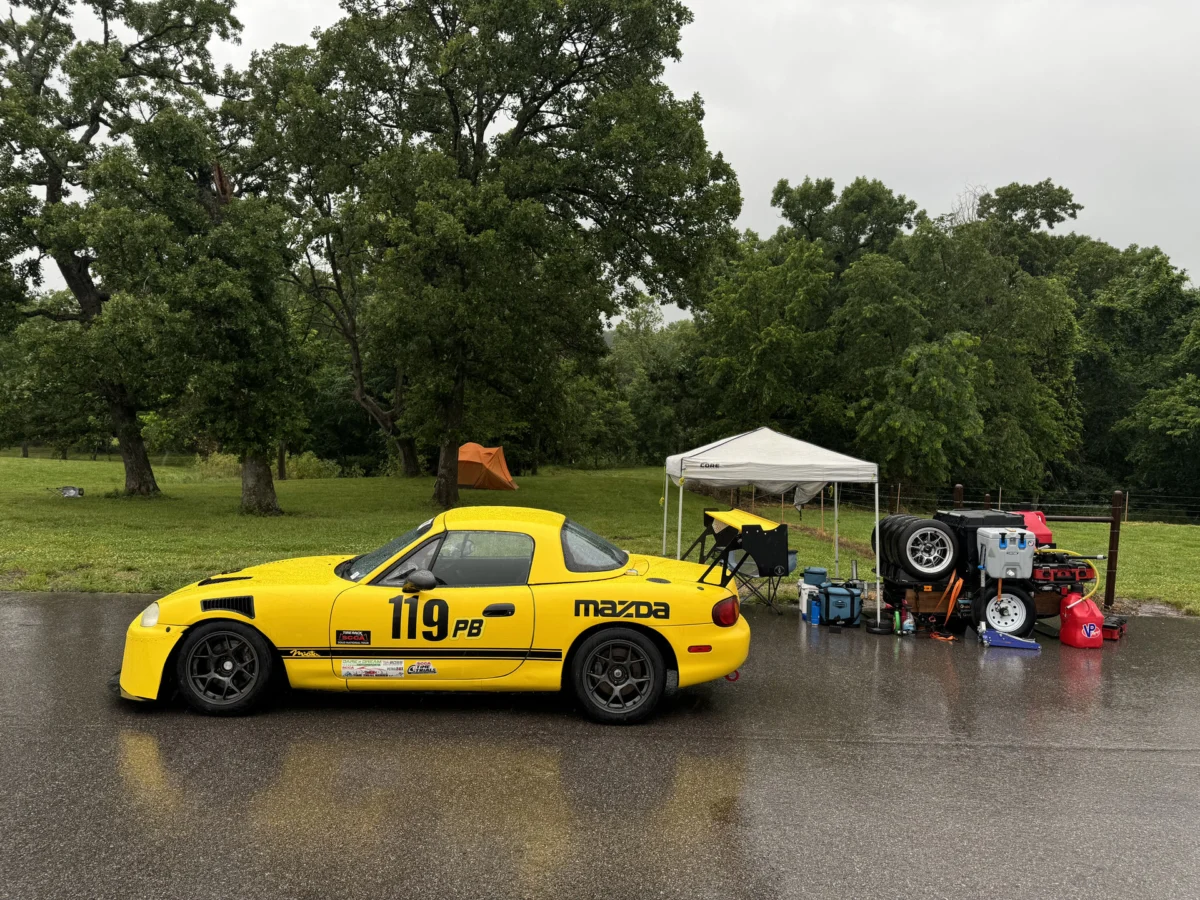
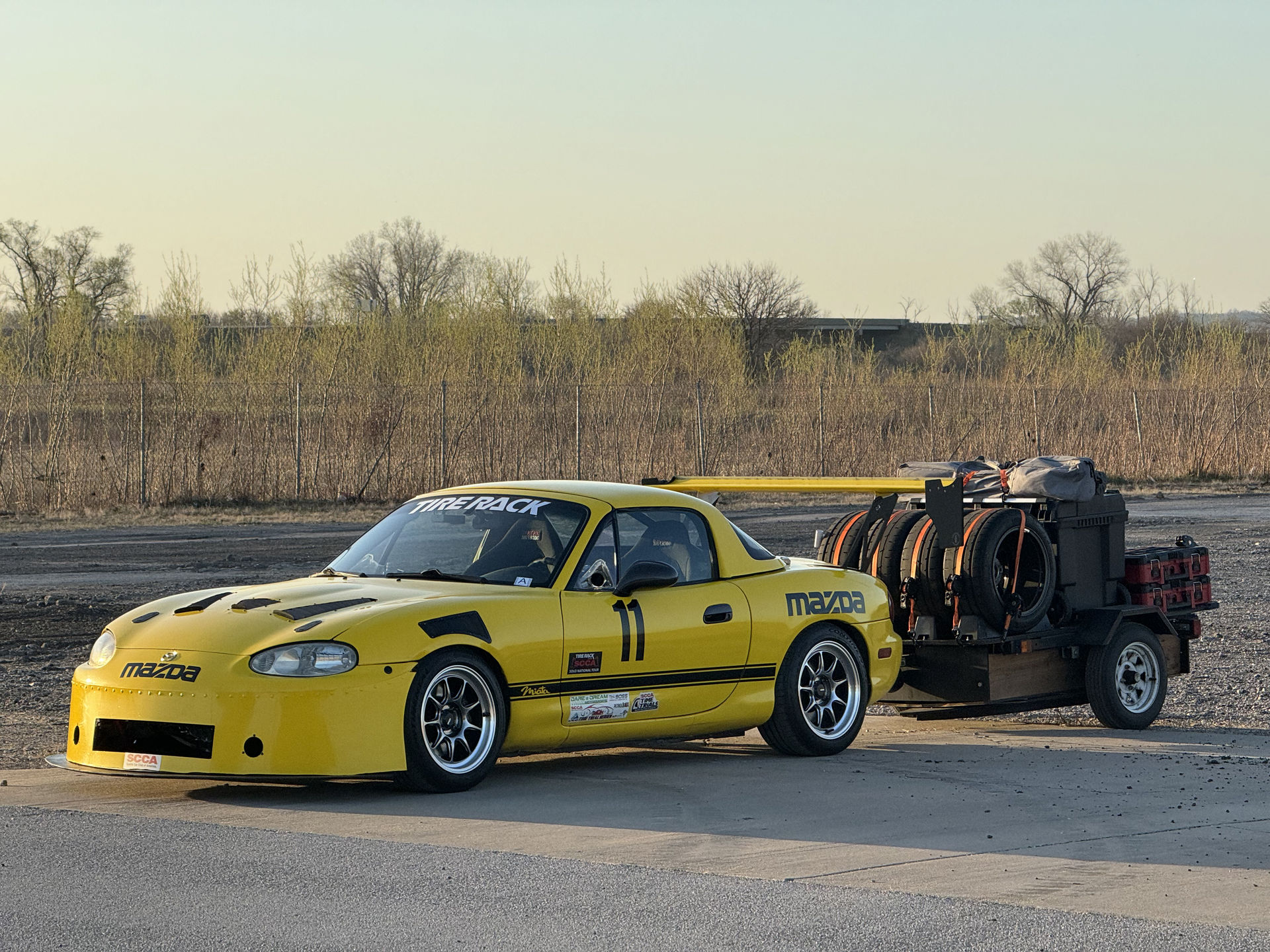
The rising popularity of track days and autocross events has introduced a persistent logistical challenge for automotive enthusiasts who drive compact, lightweight sports cars. While regular street tires are adequate for daily driving, competitive drivers frequently transition to high-performance 200 treadwear (200TW) rubber or dedicated race compounds to maximize grip, reduce lap times, and withstand the extreme thermal loads associated with closed-circuit driving. However, operating these specialized tires on public roads presents significant drawbacks. Unlike owners of sedans, hatchbacks, or large SUVs who can easily stash an extra set of wheels and tires in the trunk or across the rear seats, drivers of ultra-compact vehicles like the Mazda Miata face severe interior space constraints. To circumvent this limitation, a growing segment of the motorsport community is turning to a practical, cost-effective engineering solution: the custom-built utility tire trailer.
The Engineering and Safety Dilemma of Driving Track Tires on Public Roads
While most high-performance tires approved for track day use carry Department of Transportation (DOT) certification and remain technically street legal, utilizing them for daily commuting or transit to race venues is widely discouraged by driving instructors and experienced competitors. This reluctance stems from two primary operational factors: accelerated tread wear and severely compromised safety under suboptimal environmental conditions.
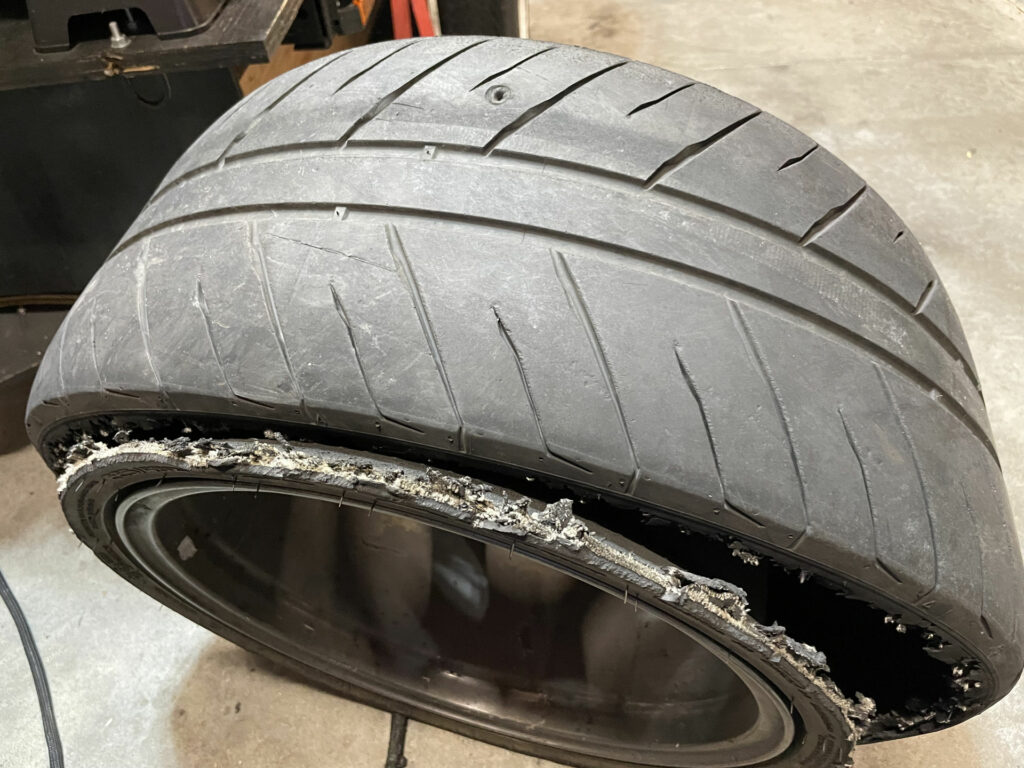
High-performance track tires derive their exceptional grip from soft rubber compounds and specialized carcass constructions designed to operate efficiently within high temperature ranges. Consequently, their lifespan is rarely measured in traditional mileage metrics; instead, mechanics and engineers calculate tire degradation in operating hours and thermal cycles—the process of heating up under load and cooling down. Driving these expensive compounds on abrasive public asphalt unnecessarily depletes valuable heat cycles and reduces remaining tread depth before the tire ever reaches a circuit. Furthermore, high-performance tires are highly susceptible to road debris, and sustaining a puncture from a stray nail during a highway commute can prematurely ruin a set of tires costing well over a thousand dollars.
Safety hazards present an even more compelling argument against street use. Many dedicated track compounds feature minimal tread voids and specialized rubber formulas that lose elasticity and friction when ambient temperatures drop or when encountering standing water. Driving on heat-cycled-out or cold track tires during an unexpected highway downpour drastically increases hydroplaning risks, turning routine transit into a hazardous endeavor. Documented incidents of sudden structural failures, compromises in directional stability, and wet-weather traction losses underscore why transporting a secondary set of wheels has become a necessity for serious competitors.

Anatomy and Evolution of a Custom DIY Tire Trailer
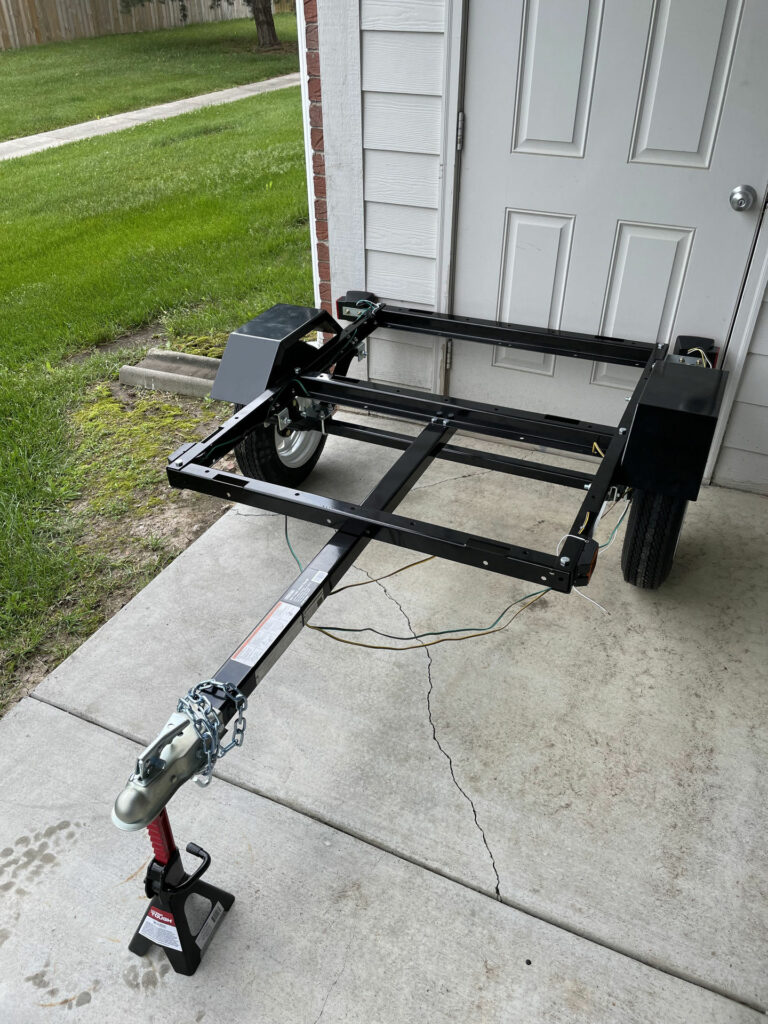
To resolve the spatial limitations of small roadsters, enthusiasts frequently construct lightweight, single-axle utility trailers designed specifically to haul a full set of track wheels, tools, fuel, and paddock infrastructure behind vehicles structurally unrated for heavy towing. The foundation of these builds typically begins with a commercial utility trailer frame measuring approximately 40 by 48 inches or 48 by 96 inches, sourced from manufacturers such as Northern Tool or Harbor Freight. These kits arrive unassembled in shipping cartons, allowing fabricators to construct a personalized platform tailored precisely to their paddock requirements.
Alternative options exist within the marketplace, ranging from specialized motorcycle cargo trailers to high-end, custom-engineered paddock trailers manufactured by specialty firms like Leroy Engineering. While commercial custom solutions offer premium independent suspensions, precision wheel bearings, and integrated storage lockers out of the box, their substantial financial cost often drives enthusiasts toward DIY assembly using standardized steel frames.
In a comprehensive two-year case study documenting the design, assembly, and continuous evolution of a custom Mazda Miata tire trailer, the developmental timeline highlights the iterative nature of paddock logistics management.
Chronology of a Two-Year Trailer Development Project
Phase One: Initial Design and Basic Setup
The initial build commenced with the acquisition of a black-finished 40×48-inch steel utility frame. To maximize cargo capacity without exceeding safe tongue weights for a compact tow vehicle, the builder fabricated a custom wooden deck measuring 62.25 by 40 inches using three-quarter-inch Sande plywood coated in weather-resistant black paint. Carriage bolts, lock washers, and recessed fasteners ensured a completely flush cargo surface.
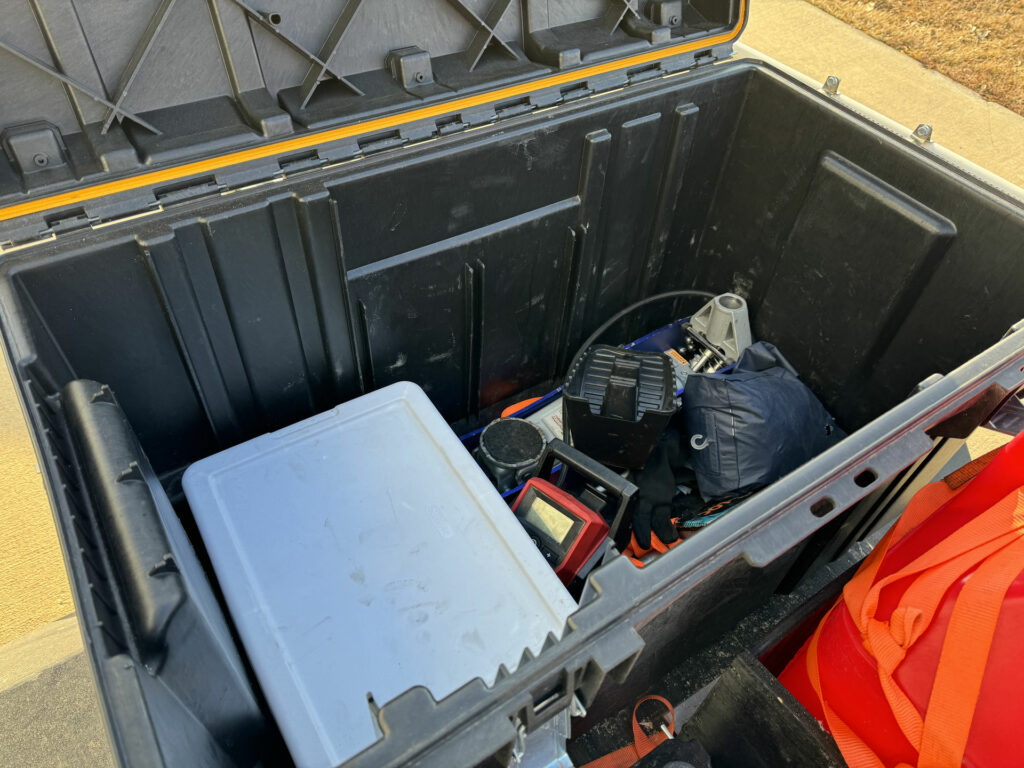
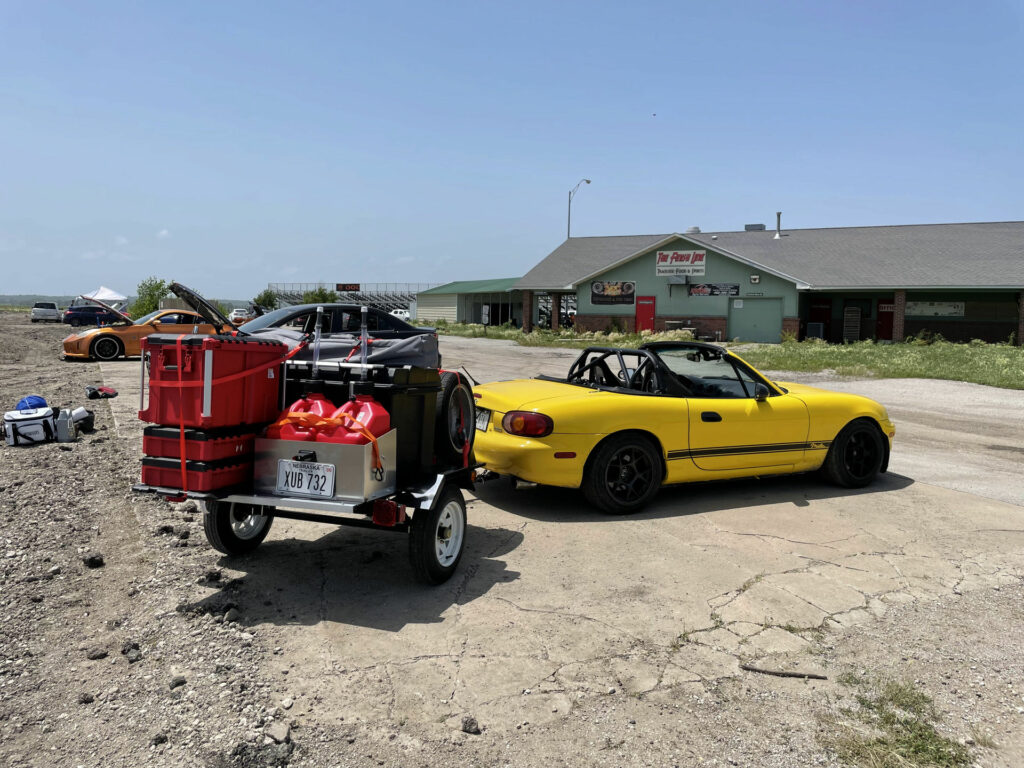
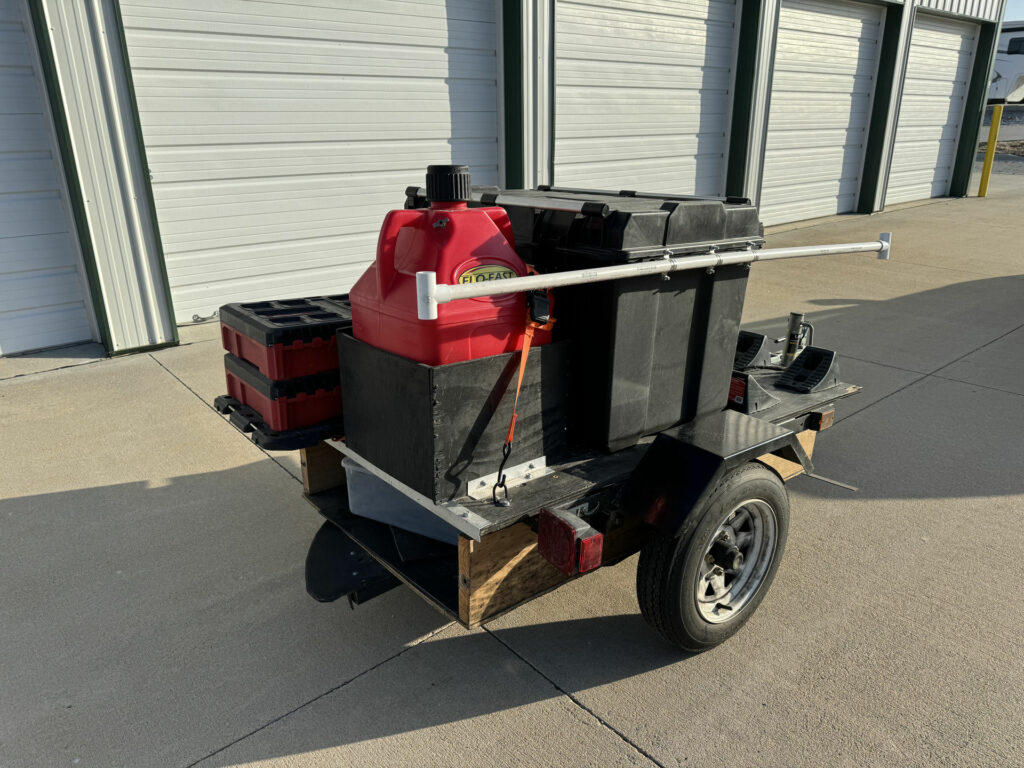
To centralize mass and optimize weight distribution over the single axle, a weather-resistant DeWalt heavy-duty tool chest was bolted directly to the center of the deck, secured via internal aluminum load-distribution plates. This central compartment provided secure storage for essential trackside inventory, including low-profile hydraulic jacks, torque wrenches, digital tire pressure gauges, OBD-II diagnostic scanners, personal safety apparel, and replacement hardware. Exterior aluminum accessory rails mounted atop the toolbox accommodated external long-form gear, such as collapsible aluminum canopy tents, folding spectator chairs, and portable aluminum tables.
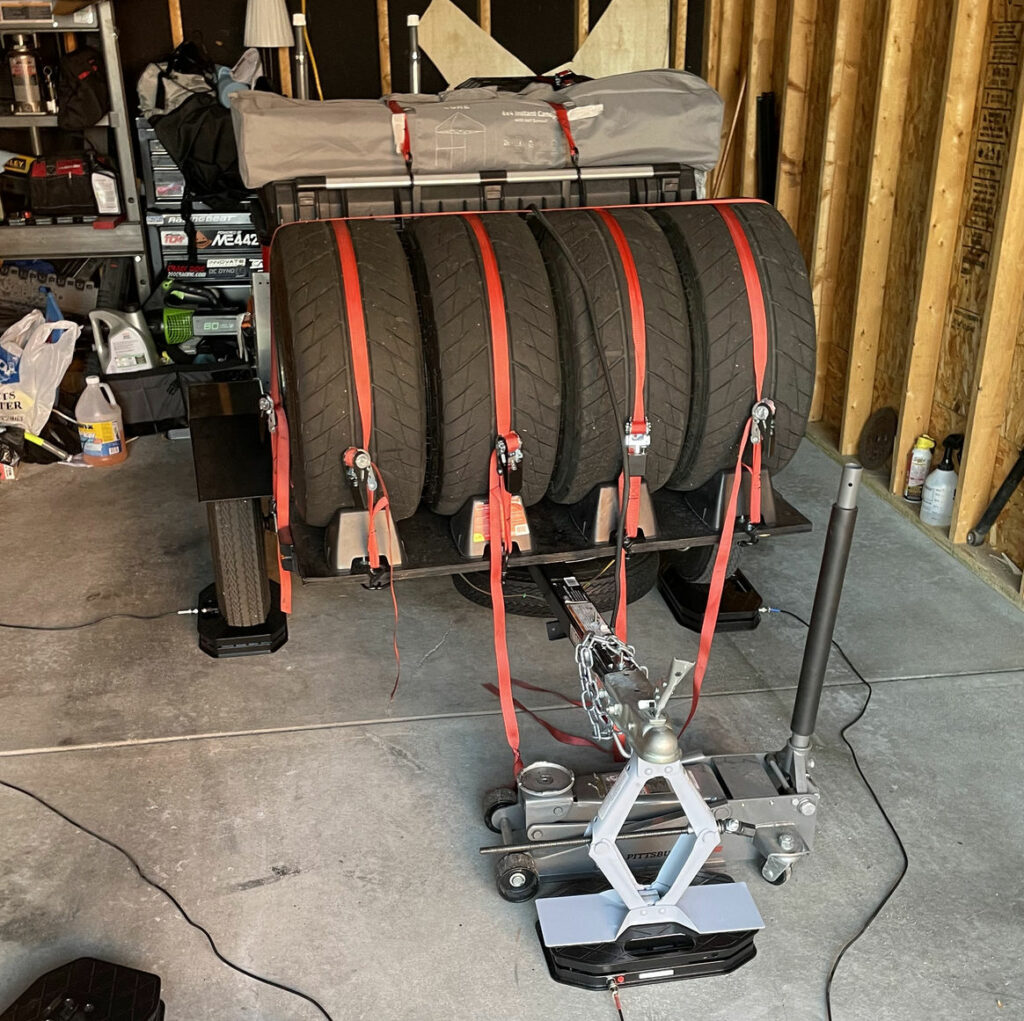
Forward of the central toolbox, a vertical tire rack was constructed to house four dedicated track wheels and tires. Load security was achieved through a triple-redundant fastening system combining threaded center-post mounting brackets, heavy-duty nylon ratchet straps, and supplementary physical safety chains to prevent catastrophic detachment during highway transit. At the rear extremity of the trailer platform, dedicated mounting brackets secured two five-gallon VP Racing fuel containers, ensuring an independent supply of high-octane or alternative race fuels for the weekend. Additional vertical wall-mounting systems derived from modular storage platforms allowed the attachment of secondary hand-tool cases containing specialized track maintenance gear like brake fluid, spare fuses, zip ties, and emergency sensor components.
Phase Two: Structural Upgrades and Enhanced Capacity
Following approximately one year of rigorous service across multiple regional racing venues—spanning thousands of highway miles and numerous multi-day motorsport events—the fabricator implemented a series of functional enhancements to address emerging operational limitations.
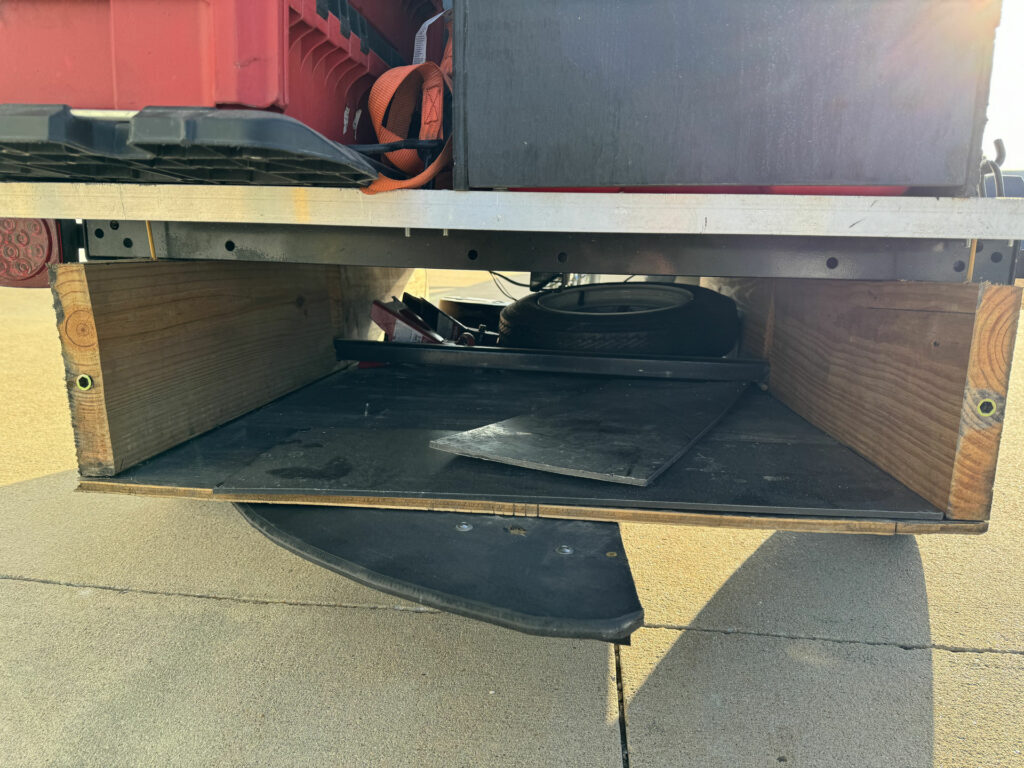
The first major modification involved the fabrication of a suspended lower deck. By cutting two structural 2×10 lumber boards to span the chassis just beneath the axle centerline and mounting half-inch plywood underneath, the builder created a secondary, lower-level storage cavity. This compartment utilized 1×1/8-inch steel cross-braces to prevent structural sagging and was enclosed using threaded wood inserts and locking fasteners. The lower deck provided an ideal storage bay for auxiliary equipment, including trailer spare tires, pop-up canopy ballast weights, heavy-duty jack stands, and a detachable aerodynamic front splitter serving as a direct replacement unit in the event of trackside off-course excursions.
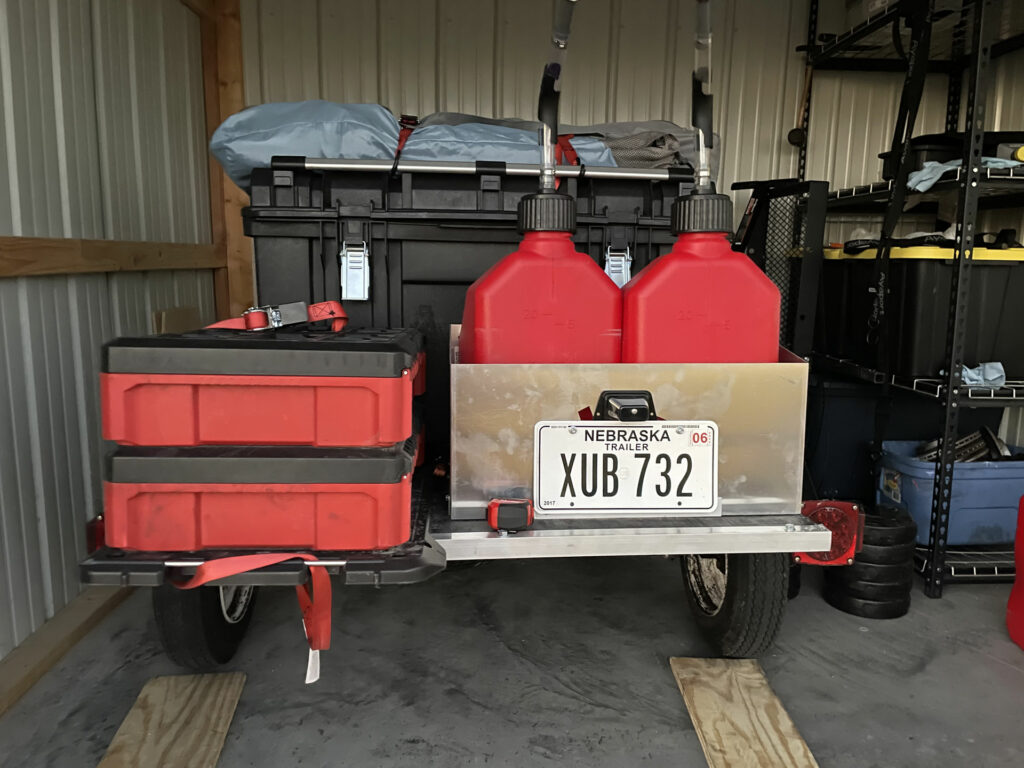
To address fuel autonomy during transit to remote facilities lacking specialized fuel availability, the dual five-gallon jug configuration was supplemented by the integration of a 15-gallon Flo-Fast auxiliary fuel container. Bolted firmly to the front deck via custom-built plywood cradles and heavy-duty steel L-brackets, the expanded fuel supply necessitated the inclusion of a manual rotary transfer pump to safely transition fuel from the primary mobile reservoir into smaller, manageable pouring jugs.
Phase Three: Mechanical Refinement and Tire Upgrades
Operational wear necessitated a critical mechanical upgrade following the accumulation of approximately 3,000 miles on the trailer’s factory-supplied bias-ply tires. Due to accelerated tread depletion and air retention issues, the original equipment was replaced with radial 145R12 commercial-grade trailer tires.

The transition to radial construction yielded immediate performance improvements. The slightly taller and wider profile fit seamlessly within the existing steel fender clearances while significantly reducing rolling resistance. Comparative thermal analysis during long-distance transit demonstrated markedly lower operating temperatures for both the rubber compounds and the wheel bearings, enhancing overall long-term reliability during sustained highway operations at elevated legal speeds.
Broader Industry Impact and Logistical Implications
The widespread adoption of DIY tire trailers among sports car owners highlights a broader economic and practical shift within amateur motorsport participation. As the cost of enclosed car haulers, heavy-duty pickup trucks, and dedicated tow vehicles continues to escalate—compounded by rising fuel prices and urban storage restrictions—enthusiasts increasingly rely on lightweight towing solutions to bridge the gap between street drivability and track-day preparedness.
Automotive market analysts note that lightweight towing accessories provide a vital economic entry point for younger or budget-conscious competitors who refuse to sacrifice daily driving comfort for weekend track performance. By enabling a compact roadster to tow its own paddock infrastructure hundreds of miles to regional circuits, drivers can compete efficiently without investing in expensive truck-and-trailer combinations.
However, industry experts also point out the inherent compromises associated with ultra-light utility towing. Towing a loaded trailer with a lightweight, rear-wheel-drive sports car alters vehicle dynamics, braking distances, and acceleration profiles, requiring increased driver vigilance on public highways. Furthermore, regulatory compliance regarding trailer lighting, safety chains, gross vehicle weight ratings (GVWR), and licensing varies significantly by jurisdiction, necessitating careful adherence to local transportation laws.
Future Outlook for Lightweight Paddock Solutions

As participants continue to refine their paddock logistics, the evolution of modular, lightweight towing equipment remains an active sector of DIY automotive engineering. Whether drivers ultimately transition to heavy-duty transport trucks or maintain minimalist utility trailers, the ingenuity demonstrated in custom tire trailer fabrication underscores the resourcefulness inherent in the grassroots motorsport community. These custom solutions ensure that high-performance driving remains accessible, functional, and efficient for enthusiasts operating outside the bounds of traditional racing support networks.