
 Farhan hamdan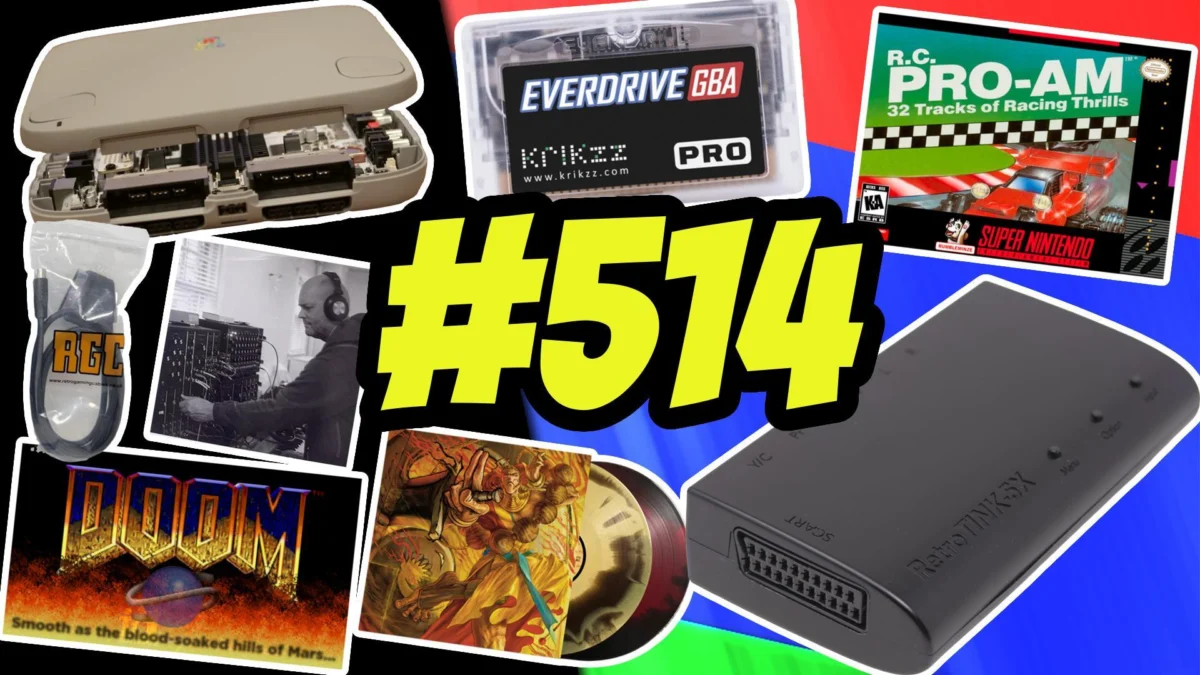
The retro gaming community received a comprehensive update on May 20th, 2026, as the latest "Weekly Roundup #514" highlighted significant advancements in hardware, software, and community projects. This installment, available in both video and audio-only podcast formats across major platforms including iTunes, Google Podcasts, Stitcher, Spotify, and Amazon Music, offered enthusiasts a deep dive into developments ranging from enhanced display solutions and console optimizations to new firmware releases and vinyl soundtrack launches. The diverse array of topics underscores the vibrant and continuously evolving landscape of retro gaming, where innovation meets preservation efforts, catering to both purists and modern players.
Enhancing Visual Fidelity: Cables, Upscalers, and CRT Simulation
A significant focus of the roundup centered on advancements in video output and display technology, crucial for bridging the gap between classic consoles and contemporary televisions. The SuperStation One RGB SCART Cable was prominently featured, signaling a continued demand for high-quality analog video connections. SCART (Syndicate of Constructors of Apparatus for Television and Radiocommunication) remains a preferred interface for many retro gamers, particularly in European regions, due to its ability to transmit RGB (Red, Green, Blue) signals, which offer superior color accuracy and clarity compared to composite or S-Video connections. The SuperStation One cable aims to provide a robust and interference-resistant solution for connecting older consoles to modern upscalers or professional monitors. This development is particularly relevant as the availability of consumer-grade CRT televisions diminishes, pushing enthusiasts towards sophisticated scaling solutions to replicate the authentic visual experience on high-definition displays. The market for premium SCART cables reflects a commitment within the community to achieving the best possible picture quality without resorting to digital emulation, emphasizing hardware integrity.
Further expanding on display enhancements, the RetroTINK 5x Firmware v4.0 introduced substantial upgrades, including refined CRT (Cathode Ray Tube) simulation features. Developed by Mike Chi, the RetroTINK 5x Pro is a leading video upscaler designed to convert analog video signals from retro consoles into digital HDMI output with minimal latency and high fidelity. The latest firmware update, version 4.0, focuses on enhancing the realism of CRT display effects, a critical element for players seeking to recreate the nostalgic visual characteristics of classic gaming. This includes improvements to scanline rendering, aperture grille effects, and potentially geometric correction options, allowing users to fine-tune the simulated CRT appearance to an unprecedented degree. The demand for accurate CRT simulation stems from the unique way games were designed and displayed on these older screens, where elements like dithering and specific pixel rendering relied on the physical properties of CRTs. By providing sophisticated emulation of these visual nuances, the RetroTINK 5x continues to solidify its position as an indispensable tool for retro enthusiasts and content creators, effectively preserving the intended artistic presentation of classic titles on modern flat-panel displays. This ongoing development underscores a broader trend in retro gaming where technological innovation is directed at achieving greater authenticity in the playback experience, not just basic compatibility.
Complementing the initial discussion of the SuperStation One, Ken’s SuperStation One Teardown and NFC Fix provided an in-depth technical analysis. Ken, a respected hardware analyst in the retro gaming community, is known for his detailed dissections of retro hardware and accessories. His teardown likely involved a thorough examination of the cable’s internal components, construction quality, shielding, and signal path integrity. Such analyses are vital for the community, offering transparency and verifying the claims made by manufacturers regarding product performance and durability. The mention of an "NFC Fix" suggests that Ken identified and possibly remedied an issue related to Near Field Communication or a similar embedded technology, or perhaps a minor design flaw that could be addressed for improved performance or reliability. Teardowns like Ken’s provide invaluable insights into the engineering decisions behind retro gaming products, empowering consumers with informed purchasing decisions and fostering a culture of technical understanding within the hobby. This deep dive into the SuperStation One not only validated its design but also contributed to a collective knowledge base regarding optimal retro video solutions.
Firmware Updates and Modern Conveniences for Classic Systems
The realm of flashcarts and FPGA consoles also saw significant updates, bridging the gap between classic hardware and modern player expectations. The EverDrive GBA Pro Firmware Update delivered crucial enhancements for users of this popular Game Boy Advance flash cartridge. Flashcarts, developed by innovators like Krikzz, are devices that allow users to load game ROMs from an SD card onto original console hardware, serving as vital tools for game preservation, playing homebrew titles, and enjoying legal backups. Firmware updates for these devices are essential, typically introducing improved game compatibility, bug fixes, new features, and performance optimizations. For the EverDrive GBA Pro, a recent update would likely address specific game compatibility issues that might have arisen, enhance save functionality, or introduce new menu features that streamline the user experience. The continuous support for flashcarts like the EverDrive series highlights the ongoing commitment of developers to maintain and expand the utility of original hardware long after official support has ceased, ensuring that classic libraries remain accessible and playable for future generations of gamers.
In a similar vein, the upcoming Analogue 3D console announced support for Save States, a highly anticipated feature for modern retro gaming. Analogue Inc. is renowned for its premium FPGA-based consoles, such as the Super Nt (SNES), Mega Sg (Genesis), and Pocket (Game Boy/Game Gear), which aim to replicate original hardware functionality with unparalleled accuracy using Field-Programmable Gate Arrays, rather than software emulation. The Analogue 3D is poised to tackle 3D cartridge-based systems, likely targeting iconic platforms like the Nintendo 64. The integration of save states—a feature common in software emulators that allows players to save and load game progress at any point—is a significant development. While Analogue traditionally emphasizes hardware purity, the inclusion of modern conveniences like save states reflects a strategic move to blend authentic hardware experiences with quality-of-life improvements that contemporary gamers expect. This feature is particularly beneficial for notoriously difficult retro titles or for players with limited time, enhancing accessibility without compromising the core hardware accuracy that Analogue is celebrated for. The addition of save states to the Analogue 3D underscores a growing trend of integrating modern gaming conveniences into highly accurate retro hardware, broadening the appeal of these premium devices.
Community-Driven Innovation and Preservation
The retro gaming community continues to demonstrate remarkable ingenuity through various homebrew projects and optimization efforts. The conversion of R.C. Pro-Am from NES to SNES exemplifies the creative spirit and technical prowess present within the community. R.C. Pro-Am, a classic top-down racing game developed by Rare for the Nintendo Entertainment System, is beloved for its addictive gameplay and innovative mechanics for its era. The ambitious project to port this 8-bit title to the Super Nintendo Entertainment System would involve significant reverse engineering, reprogramming, and asset conversion. Such a conversion could potentially leverage the SNES’s superior graphical capabilities, expanded color palette, and enhanced sound chip to create a visually and audibly richer version of the classic game, or even introduce new features. These fan-driven ports are not merely technical exercises but acts of preservation and artistic reimagining, demonstrating the enduring appeal of certain titles and the community’s desire to explore their potential beyond original hardware limitations. It highlights the talent pool within the retro gaming scene, capable of transforming and enhancing beloved classics.

Another testament to community dedication is the ongoing optimization of the Saturn Doom port, with "Fafling optimizing Saturn Doom even more." The Sega Saturn version of Doom is historically recognized as one of the game’s weaker ports, suffering from significant performance issues, lower resolution, and graphical compromises compared to its PC and PlayStation counterparts. Despite its flaws, it remains a unique entry in the Doom franchise’s history. Community members like Fafling have undertaken painstaking efforts to reverse-engineer and patch the original game code, aiming to improve frame rates, resolution, texture quality, and overall playability. These optimization projects often involve deep dives into assembly language and intimate knowledge of the Saturn’s complex hardware architecture. The continuous improvements to Saturn Doom not only enhance the experience for those who wish to play this specific version but also contribute to the broader understanding of the Saturn’s capabilities and its programming intricacies. It underscores the community’s commitment to salvaging and improving historically challenged ports, ensuring that every iteration of a classic game receives its due attention and, where possible, a more refined playing experience.
Soundscapes and Cultural Preservation: Vinyl Soundtracks and Audio Hardware
The cultural impact of video game music continues to grow, as evidenced by the release of Blender Bros Vinyl Soundtrack and the pre-order announcement for Darkstalkers’ Revenge Vinyl Soundtrack. The resurgence of vinyl records has extended significantly into the video game industry, with classic game soundtracks finding new life as high-quality, collectible physical media. The Blender Bros soundtrack, likely from a cult classic or niche retro title, represents the dedication to preserving and celebrating the musical heritage of less mainstream games. For titles like Blender Bros, a vinyl release serves not only as a collector’s item but also as a way to introduce the game’s unique auditory experience to a wider audience, transcending its original platform.
Similarly, the announcement of the Night Warriors: Darkstalkers’ Revenge Vinyl Soundtrack pre-order is particularly noteworthy. Darkstalkers’ Revenge, known in Japan as Vampire Hunter, is a beloved 2D fighting game from Capcom with a distinctive gothic horror aesthetic and a memorable musical score. The appeal of its soundtrack on vinyl extends beyond mere nostalgia; it caters to collectors who appreciate the high-fidelity audio experience and the tangible nature of physical media. Publishers specializing in video game vinyl, such as Ship to Shore PhonoCo., Mondo, and Laced Records, have cultivated a thriving market, offering meticulously designed album art and colored vinyl variants that appeal to both music enthusiasts and video game fans. These releases contribute significantly to the cultural recognition of video game music as an art form, preserving iconic scores in a format cherished by audiophiles and collectors alike. They also highlight the increasing mainstream acceptance and appreciation of gaming’s rich auditory history.
Further delving into audio hardware, the roundup featured a Q&A Interview with PicoGus Creator, Polpo. PicoGus is a modern hardware project that likely aims to recreate or emulate the functionality of the Gravis Ultrasound, a legendary PC sound card from the early 1990s. The Gravis Ultrasound revolutionized PC audio with its advanced wavetable synthesis capabilities, offering a distinct and rich sound profile that became iconic for a generation of DOS games. Unlike other sound cards of its time, the GUS featured on-board RAM for storing instrument samples, allowing for more complex and dynamic music. An interview with Polpo, the creator of PicoGus, would provide invaluable insights into the technical challenges of modernizing such a complex piece of hardware, the design philosophy behind the project, and its potential impact on the retro PC gaming community. Projects like PicoGus are crucial for preserving the authentic audio experience of classic PC games, as original Gravis Ultrasound cards are increasingly rare and difficult to maintain. By offering a modern, accessible alternative, PicoGus ensures that the unique soundscapes of DOS-era gaming can continue to be enjoyed by enthusiasts on contemporary hardware setups, bridging a critical gap in retro PC preservation.
Broader Implications and Community Support
The array of topics covered in Weekly Roundup #514 paints a comprehensive picture of a retro gaming community that is not only dedicated to preserving the past but also actively innovating for the future. The continuous development of display solutions like the SuperStation One cable and RetroTINK 5x firmware ensures that classic games can be enjoyed with optimal fidelity on modern screens, while Ken’s teardowns provide essential transparency and technical insight. Firmware updates for flashcarts like the EverDrive GBA Pro and the integration of modern features such as save states in upcoming FPGA consoles like the Analogue 3D demonstrate a commitment to enhancing accessibility and user experience without compromising authenticity.
Furthermore, the vibrant homebrew scene, exemplified by projects like the R.C. Pro-Am SNES conversion and the ongoing optimization of Saturn Doom, showcases the community’s technical prowess and passion for breathing new life into beloved titles. The growing market for vinyl soundtracks for games like Blender Bros and Darkstalkers’ Revenge underscores the increasing cultural recognition of video game music as an art form, while projects like PicoGus ensure the preservation of unique audio hardware experiences for retro PC enthusiasts.
This continuous cycle of innovation, preservation, and community engagement is sustained by the active support of its members. The RetroRGB platform, which hosts the Weekly Roundup, relies on monthly support services, tips, and affiliate link purchases to fund its content creation and research. This model of community-driven support is vital for independent retro gaming media outlets, enabling them to continue providing valuable information, reviews, and technical analyses that enrich the entire ecosystem. The passion and dedication of developers, analysts, and enthusiasts alike ensure that the world of retro gaming remains dynamic, accessible, and deeply engaging for years to come.








