 Ganda Hendra Perkasa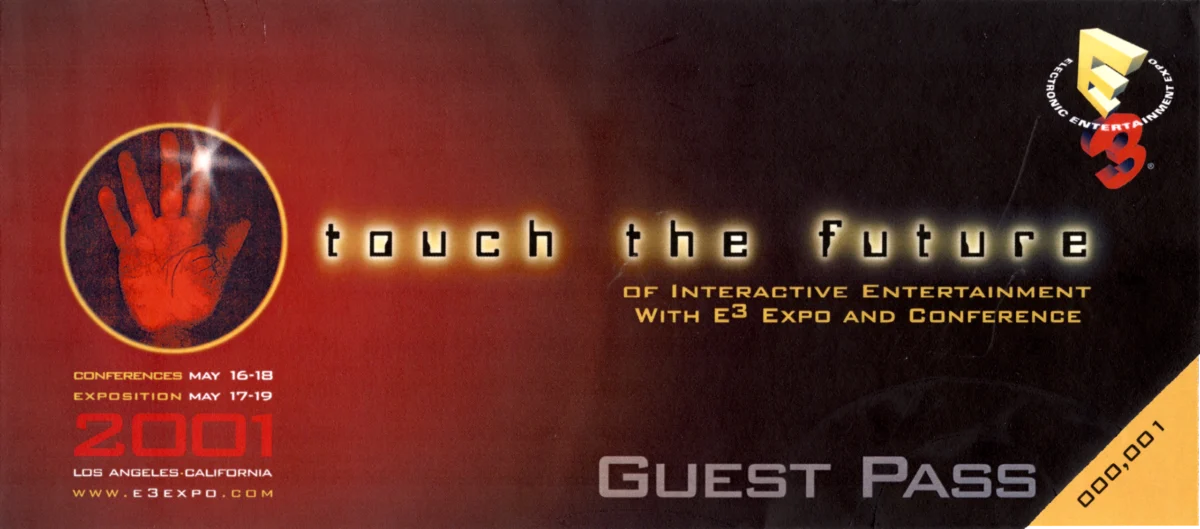
The Video Game History Foundation has officially launched a comprehensive digital archive initiative dedicated to preserving the history of the Electronic Entertainment Expo (E3), a convention that defined the global video game industry for over two decades. The newly available repository features thousands of pages of previously unreleased historical documents, rare event ephemera, and nearly twelve hours of digitized video footage spanning the formative years of the trade show. This extensive collection aims to provide researchers, historians, and enthusiasts with unprecedented access to the operational, cultural, and commercial realities of an event that transformed interactive entertainment from a niche hobby into a dominant global media titan.
Before the establishment of E3 in 1995, the American video game industry lacked a dedicated platform of its own. Game publishers and developers typically showcased upcoming hardware and software at the Consumer Electronics Show (CES). However, video games frequently found themselves relegated to the periphery, sharing floor space with consumer electronics, household appliances, and unrelated novelties. Frustrated by low-key, underwhelming showcases and recognizing the explosive cultural and financial growth of the medium, the Interactive Digital Software Association—now known as the Entertainment Software Association—partnered with Infotainment World to conceptualize an exclusive trade exposition. Founded with the explicit mission of placing video games center stage, E3 quickly evolved from a standard industry trade convention into an international spectacle characterized by multi-million dollar booths, theatrical press briefings, and massive media saturation.

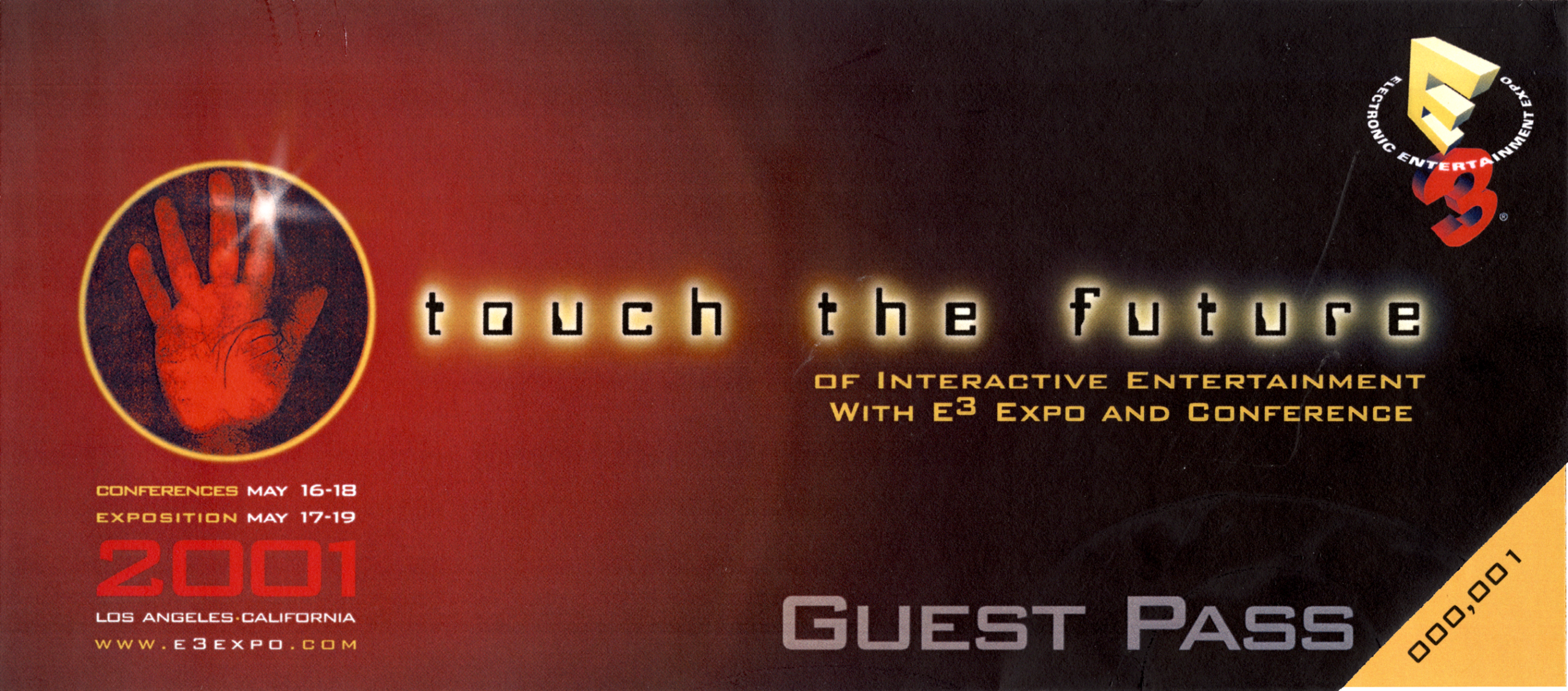
The newly introduced archive is anchored by significant donations from individuals who shaped the convention from its inception. Among the most prominent additions is the Carolyn Rauch event ephemera collection. Rauch, who served as the senior vice president of the IDSA and oversaw E3’s operations for nearly its entire run, contributed over 1,000 pages of internal documentation, promotional flyers, press kits, guest passes, panel transcripts, and industry reports spanning from 1996 to 2011. This collection offers a rare look at the logistical balancing act required to manage intense public enthusiasm alongside professional business demands. Furthermore, the archive includes specialized materials from the exclusive E3 Media and Business Summit held in 2007 and 2008—smaller, invitation-only iterations of the convention that attempted to pivot the event away from consumer spectacle and back toward private industry networking.
Complementing the textual archives is a vast collection of digitized audiovisual media donated by early attendees and media organizations. Anthony Parisi, who attended the first four E3 expositions with a personal camcorder, has officially donated the copyrights to his extensive library of convention footage to the foundation. Nearly twelve hours of Parisi’s tapes have been meticulously redigitized, capturing early development builds of legendary titles such as Super Mario 64 and Castlevania: Symphony of the Night. These tapes also preserve landmark industry moments that reshaped the console wars of the 1990s, including the surprise launch of the Sega Saturn and Sony’s iconic announcement establishing a $299 price point for the original PlayStation.
Additional audiovisual contributions from defunct media outlets such as Subspace Publishers, Tronix Multimedia, and Atari Explorer Online further expand the archive’s scope. These recordings provide raw, direct-feed gameplay captures and candid show-floor interviews, including a rare 1995 dialogue with cult developer Jeff Minter regarding Defender 2000. Additionally, the foundation has published pristine high-quality digital transfers of promotional B-roll distributed by Nintendo and Sony to the press between 1995 and 1998. Notably, a Nintendo 64 press tape from E3 1997 features one and a half minutes of high-grade gameplay footage from Rareware’s famously unreleased project, Conker’s Quest, offering the clearest look at the title to date.
The archival expansion also completes the digitization of every official E3 directory book published between 1995 and 2006. Comprising approximately 2,500 pages, these reference guides contain comprehensive floor plans, exhibitor lists, and presentation schedules, providing an exhaustive blueprint of the convention floor across twelve pivotal years. Alongside these directories, the foundation has introduced new scans of the E3 Show Daily, the official daily newspaper distributed during the convention. Covering roughly 1,500 pages, these publications documented breaking announcements, exhibitor profiles, and after-hours corporate events that typically escaped mainstream gaming journalism.
To contextualize these historical additions, the Video Game History Foundation featured foundational figures Carolyn Rauch and former IDSA president Doug Lowenstein on an episode of the Video Game History Hour podcast, marking what is believed to be the first joint interview regarding the genesis of E3. Expanding on the operational realities behind the scenes, Mary Dolaher, the long-standing event director of E3 and eventual CEO of IDG World Expo, provided detailed reflections on managing the massive convention. Dolaher oversaw the day-to-day execution of the event from its creation to its eventual wind-down, balancing complex logistical feats such as managing convention center capacity limits, orchestrating high-profile celebrity appearances, and directing charitable partnerships like the Make-A-Wish Foundation integration. Dolaher also highlighted the Into the Pixel initiative, a groundbreaking E3-hosted program that successfully positioned video game concept art as a legitimate, gallery-worthy artistic medium to counter cultural stereotypes of the era.
The systematic preservation of E3’s history arrives at a crucial juncture for the video game industry. Following years of declining participation, shifting marketing strategies by major publishers toward digital-first presentations like Nintendo Direct, and the disruptions of the global COVID-19 pandemic, the Entertainment Software Association officially announced the permanent cancellation of E3 in late 2023. Without a centralized physical convention, the collective memory of the industry risks fragmentation. By centralizing physical artifacts, internal governance documents, promotional ephemera, and raw broadcast media into a publicly accessible digital repository, the Video Game History Foundation ensures that researchers, journalists, and historians can accurately analyze the cultural and economic trajectory of interactive entertainment.

The foundation has indicated that the rollout of these collections represents an ongoing initiative. Additional highlights, archival documents, and retrospective analyses from industry veterans are scheduled for publication across the organization’s official blog and digital channels in the coming weeks, ensuring that the legacy of the world’s most prominent gaming exposition remains preserved for future generations.