 Retno Hari Mulyono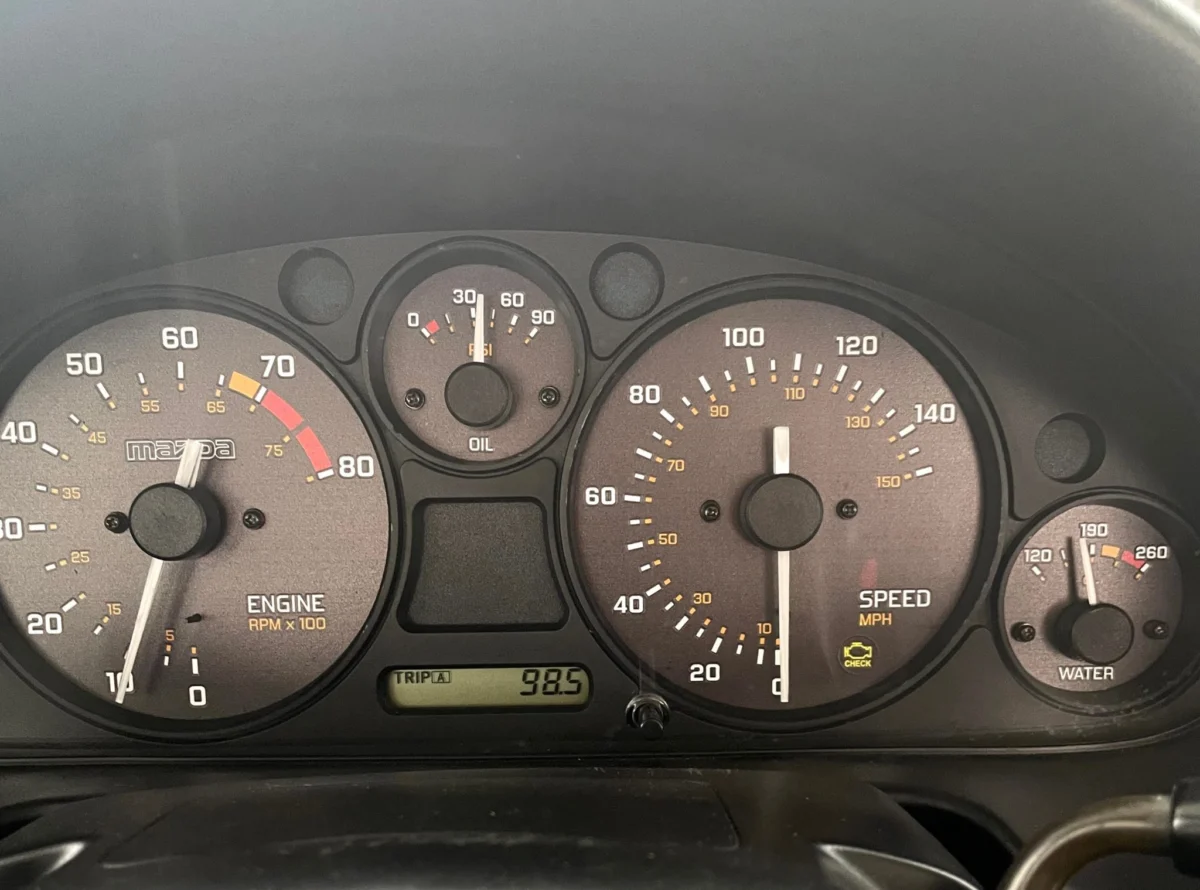
The evolution of automotive interior modification has consistently balanced aesthetic enhancement with functional utility, a challenge particularly pronounced in compact sports cars like the second-generation Mazda MX-5 (NB Miata). Produced from 1998 through 2005, the NB platform has long enjoyed a dedicated enthusiast following and a robust aftermarket support ecosystem. However, factory instrumentation within these vehicles presents inherent limitations regarding precision and real-time data delivery. Recent modifications undertaken by automotive enthusiasts highlight a growing shift toward integrated digital dashboards, exemplified by the adoption of the CANchecked Multifunctional Display (MFA) and custom RevLimiter gauge faces. This technical review examines the motivations, implementation processes, and broader implications of replacing legacy analog monitoring systems with modern digital alternatives.
Limitations of Factory Instrumentation in the NB Miata
To understand the necessity of aftermarket gauge integration, one must examine the baseline performance of the stock NB Miata instrument cluster. The factory layout features a central tachometer and speedometer flanked by auxiliary indicators: a fuel level gauge on the left, a coolant temperature gauge on the right, and an oil pressure gauge situated in the upper middle section. While adequate for standard daily driving operations, these factory instruments—particularly the oil pressure and coolant temperature gauges—fail to provide the granular, real-time metrics required during high-performance driving or track-day events.
Industry analysts and veteran technicians frequently note the deceptive nature of the factory oil pressure indicator in NB-generation Miatas. Rather than operating as a true linear transducer, the stock sending unit functions essentially as a binary switch. Once the engine achieves a nominal operating pressure upon startup, the needle remains fixed in a central position regardless of actual pressure fluctuations. It only drops to zero when pressure is entirely lost or the engine is deactivated. Consequently, drivers receive no advance warning of declining oil pressure due to thermal breakdown, pump wear, or oil starvation, rendering the factory gauge virtually useless for preventative mechanical management.
Similarly, the factory coolant temperature gauge utilizes a heavily buffered signal circuit. The needle rises to a normal operating position during the warm-up cycle and remains anchored across a wide thermal spectrum. It only deviates upward when the engine has already crossed the threshold into severe overheating. This masking of minor thermal spikes prevents drivers from identifying cooling system inefficiencies before catastrophic damage occurs. While earlier NA6-generation Miatas featured functional mechanical oil pressure gauges, and various aftermarket modifications can recalibrate NB stock units, many builders consider these fixes insufficient for aggressive driving applications.
Evolution of Monitoring Solutions: From A-Pillar Pods to Digital Integration
Historically, automotive enthusiasts seeking accurate sensor readings turned to physical auxiliary gauges mounted externally to the dashboard or interior trim. A prevalent configuration involved installing a multi-gauge pod along the driver-side A-pillar. This setup typically housed specialized analog or digital stepper-motor gauges—such as those manufactured by Innovate Motorsports—monitoring critical metrics including boost or vacuum pressure, oil temperature, oil pressure, coolant temperature, and battery voltage, supplemented by air-fuel ratio (AFR) displays integrated into climate control vents.
Despite their functional efficacy in delivering precise data, A-pillar gauge pods introduced several ergonomic and aesthetic drawbacks. Industry feedback from autocross and track drivers consistently highlighted that multi-gauge A-pillar configurations create significant forward-visibility blind spots, a critical safety and performance hindrance during tight technical maneuvers. Furthermore, the physical installation often necessitated splicing factory trim components, resulting in compromised fitment and a cluttered harness of wires running through the chassis into the cabin.
Faced with these spatial and ergonomic constraints, automotive modifiers began exploring alternative integration locations within the restricted cabin dimensions of the Mazda MX-5. Potential mounting zones evaluated across the enthusiast community include steering column cowls, center console radio delete plates, glove box inserts, and specialized sub-dash gauge cups. However, each of these alternatives presented compromises regarding driver line-of-sight, passenger comfort, or the overall clean aesthetic demanded by modern car builders.
Integration of the CANchecked Multifunctional LCD Display
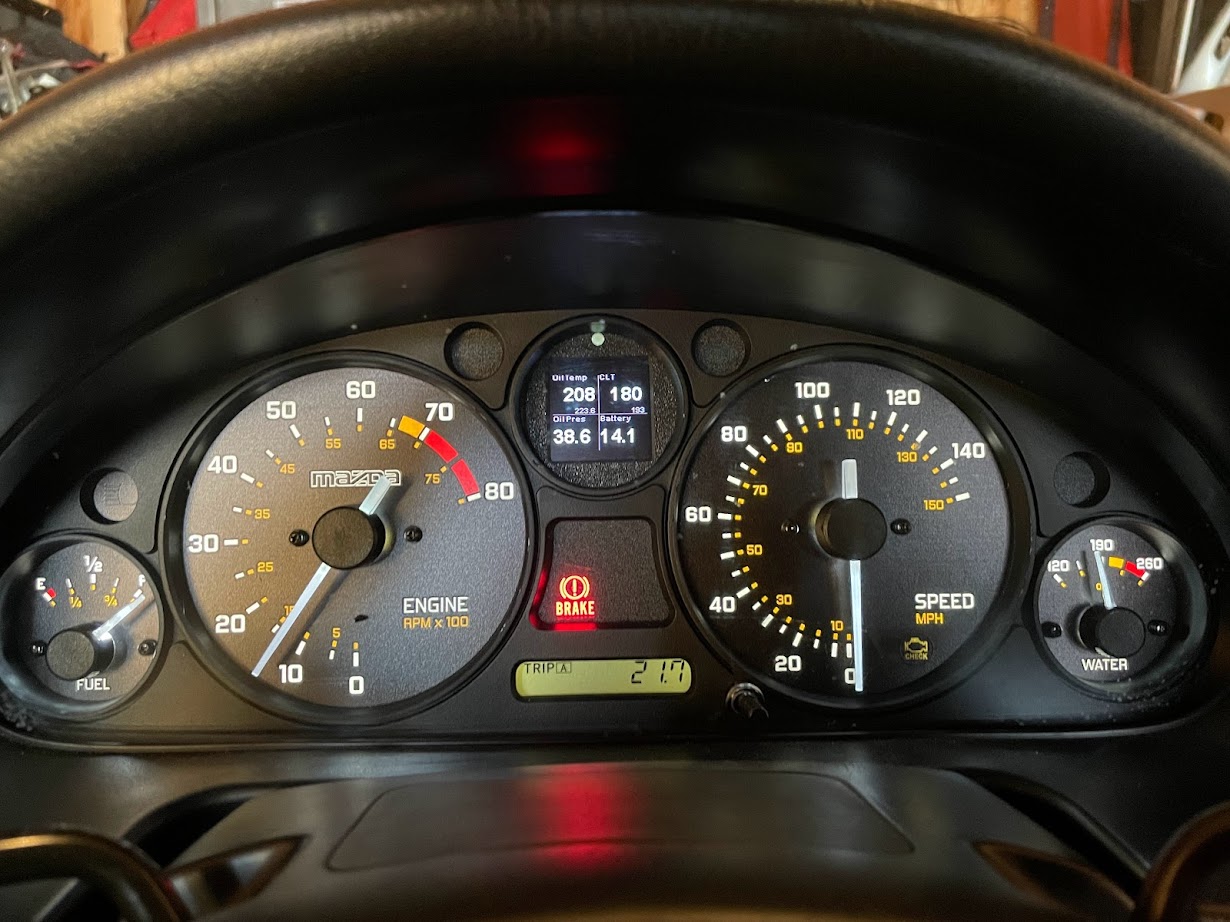
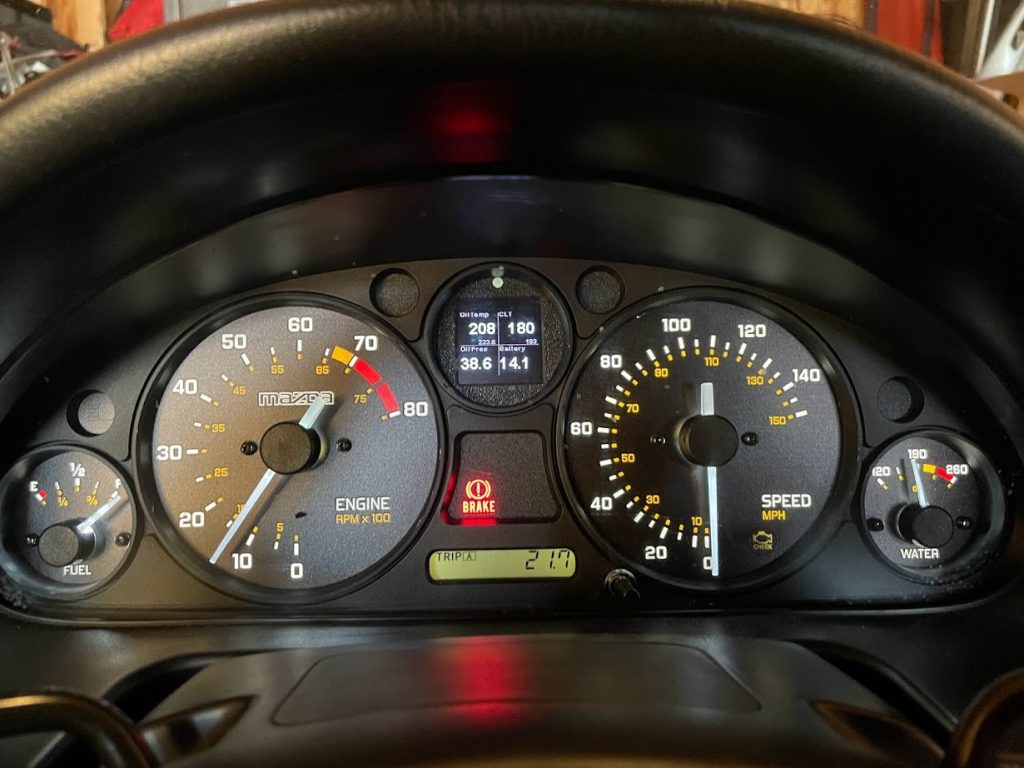
The introduction of the CANchecked MFA 2.0 multifunction display, distributed by performance specialists such as Bofi Racing, represented a significant technological advancement for the platform. Designed specifically to occupy the physical space of the factory oil pressure gauge within the stock instrument cluster housing, this high-resolution LCD unit merges modern digital telemetry with OEM-style placement.
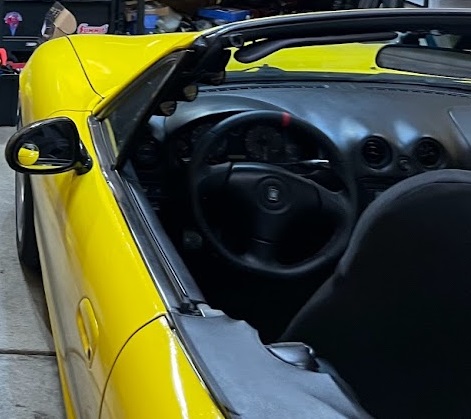
The technical architecture of the CANchecked display allows it to process data through two primary pathways. First, it interfaces directly with a Controller Area Network (CAN) bus protocol emitted by a programmable engine management system. Because factory NA and NB Miatas lack a native CAN-enabled electronic control unit (ECU), implementation requires upgrading to a standalone aftermarket ECU—such as a Megasquirt system—configured to broadcast engine parameters over the CAN protocol. Alternatively, custom microcontroller setups, like Arduino interfaces, can translate legacy sensor data into compatible CAN signals.
Second, the unit features multiple analog input channels capable of directly reading dedicated physical sensors. Installers frequently utilize these analog inputs to wire precision sending units for oil pressure, oil temperature, and external coolant temperature directly into the display module. The resulting system permits operators to configure custom screen layouts displaying up to six discrete parameters simultaneously, organized across multiple user-selectable dashboards tailored to specific driving conditions, whether street cruising or track racing.
Despite its high adoption rate and positive reception for build cleanliness, quantitative feedback from users notes certain operational limitations. Most notably, liquid crystal display visibility under direct, intense sunlight can occasionally be impaired, prompting adjustments in brightness settings or screen contrast configurations to maintain legibility during daytime operation.
Aesthetic Enhancement via RevLimiter Gauge Faces
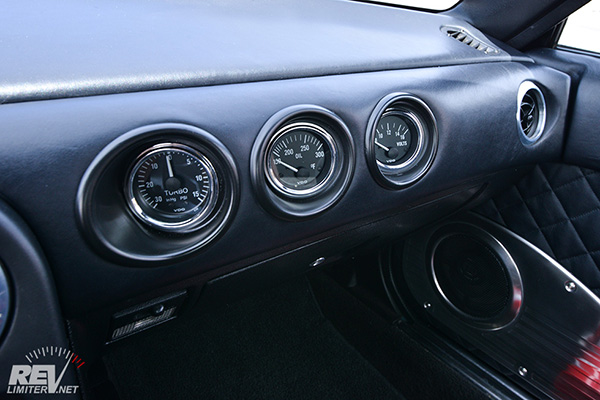
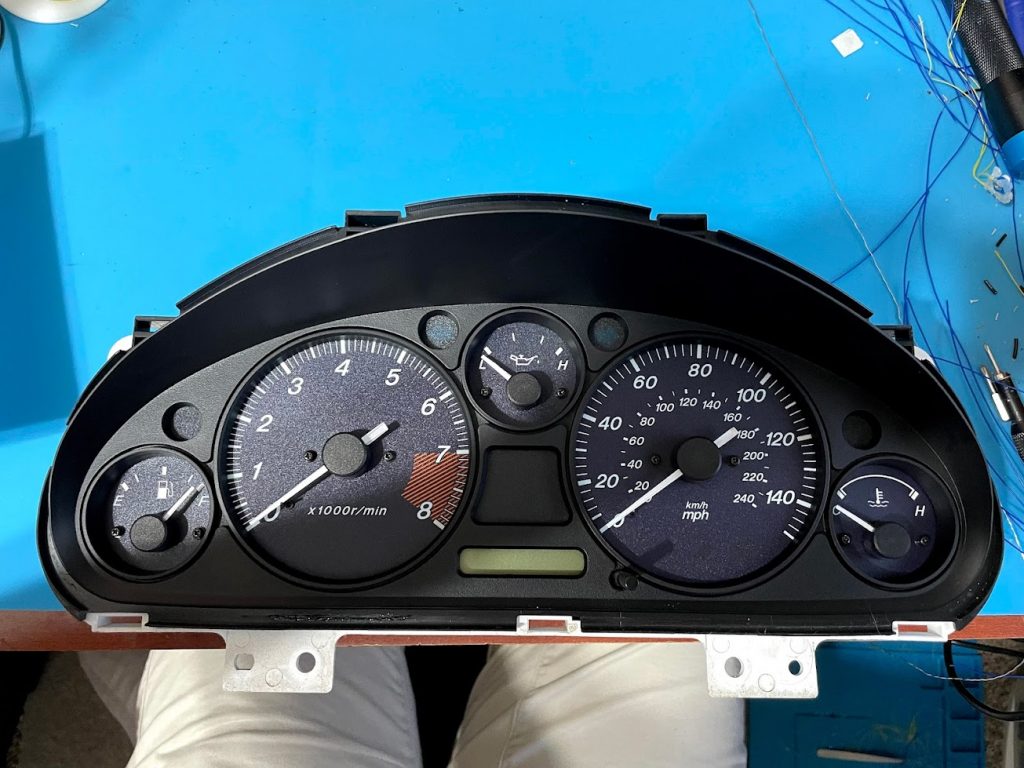
Complementing technological instrumentation upgrades, aesthetic modifications to the primary instrument cluster have become a staple of modern Miata interior restoration. Products developed by RevLimiter offer custom gauge faces manufactured to strict tolerances that often match or exceed original equipment manufacturer (OEM) standards.
Available in a wide array of historical and contemporary designs—including the popular JNC layout inspired by classic Japanese automotive instrumentation—these aftermarket faces provide high-contrast typography, refined scaling, and specialized illumination options. Installation procedures typically pair these custom faces with upgraded white LED backlighting components, replacing the dull, green-tinted incandescent bulbs standard in factory clusters. While the installation process requires meticulous attention to needle calibration and delicate disassembly of the gauge housing, the resulting visual transformation modernizes the cockpit without sacrificing the classic analog charm of the roadster’s interior architecture.
Broader Implications and Future Telemetry Trends
The integration of advanced digital displays and custom aesthetic components within legacy sports cars reflects a broader aftermarket trend toward smart vehicle telemetry. Enthusiasts are increasingly unwilling to compromise vehicle structural integrity or driver ergonomics for the sake of mechanical monitoring. By consolidating multiple sensor readings into a single, programmable LCD cluster unit, drivers achieve high-density data visualization while preserving factory sightlines and cabin minimalism.
Industry observers project that future developments in amateur motorsports telemetry will lean heavily toward integrated data logging systems that interface seamlessly with existing CAN networks. Projected upgrades within the platform under discussion include the implementation of high-frequency GPS data loggers, internal accelerometers, and supplementary sensors monitoring real-time vehicle dynamics such as brake line pressure, throttle position percentage, individual wheel speeds, and active suspension ride height.
As these technologies become more accessible, the boundary between street-driven sports cars and professional-grade track instruments continues to blur. The successful deployment of units like the CANchecked display alongside customized gauge faces demonstrates that older enthusiast platforms can successfully embrace contemporary digital engineering, ensuring their continued relevance and mechanical preservation in an increasingly software-driven automotive landscape.