 Cecilia Chamidah Nur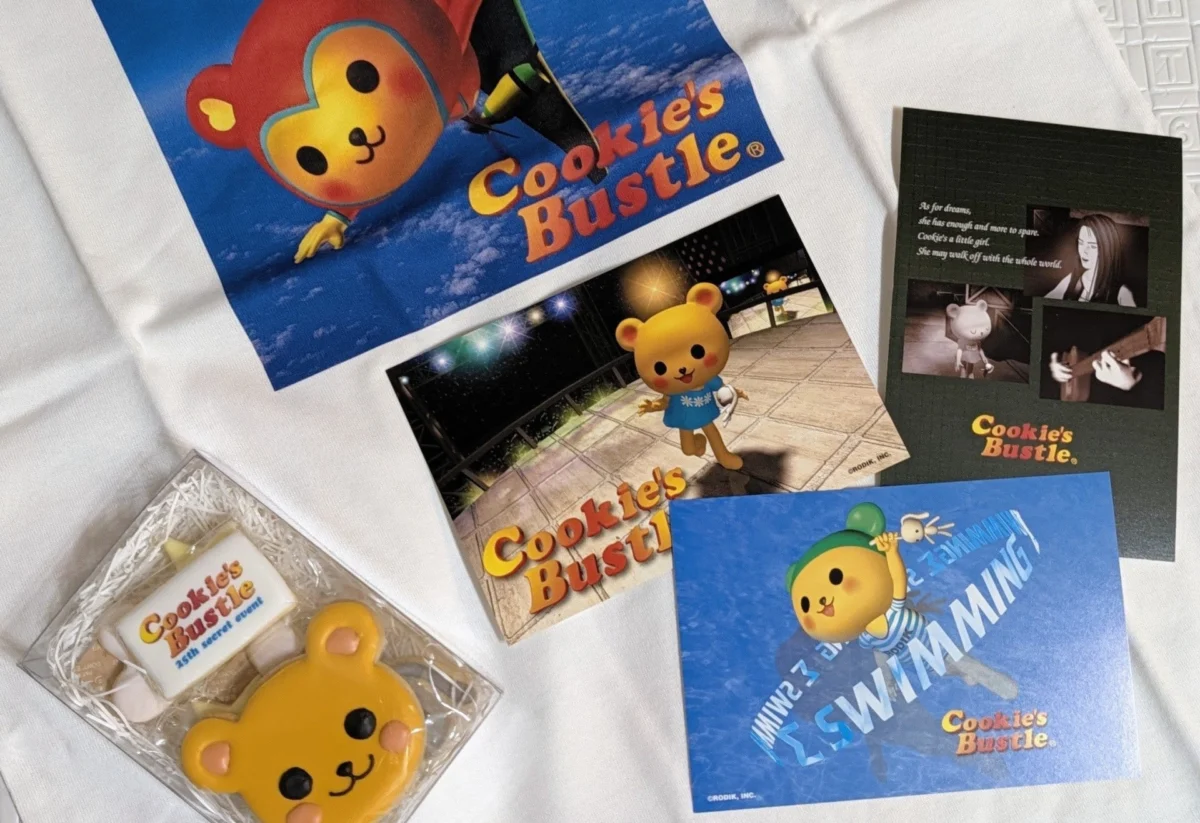
In a development that has captured the attention of both video game historians and legal scholars, a clandestine 25th-anniversary celebration for the 1999 PC adventure title Cookie’s Bustle: Mysterious Bombo World took place this week. The event, which drew a small group of original mail-order purchasers to a private location, serves as the latest chapter in the history of a game that has spent the last two decades at the center of copyright disputes, corporate intimidation, and internet folklore. The gathering was facilitated by Rodik, the game’s original developer, which utilized long-dormant customer databases to issue invitations, effectively re-emerging into the public consciousness after years of corporate silence.
The Origins and Narrative Complexity of Cookie’s Bustle
Developed by the Japanese studio Rodik, Cookie’s Bustle: Mysterious Bombo World was released during the transition into the new millennium. The game is categorized as a point-and-click adventure, though its mechanics are notably idiosyncratic. The narrative follows Cookie Blair, a five-year-old protagonist with a complex internal psychology who identifies as a bear. Her journey begins in New Jersey and concludes on the Pacific island of Bombo World, a setting currently depicted as undergoing an intergalactic political uprising.
The core gameplay loop is defined by a rigorous resource-management system. While the primary objective is for the player to guide Cookie to gold medals in various Olympic-style sporting events, the character requires constant maintenance. Players must regulate Cookie’s physiological and emotional states, including nutritional intake, physical training, and hygiene, while also providing consistent psychological validation. Failure to manage these variables results in the immediate termination of the game, as the protagonist abandons her athletic ambitions. This high-maintenance simulation, paired with the incongruous backdrop of a terrorist-led alien coup, has cemented the game’s reputation as one of the most eccentric titles in late-90s PC gaming.
A Chronology of Legal Contention
The notoriety of Cookie’s Bustle expanded significantly in the early 2000s, not due to its gameplay, but due to a protracted legal campaign led by a corporate entity known as Graceware. Between 2022 and 2023, the situation escalated into a formal series of nuisance lawsuits and DMCA takedowns.
- 1999: Rodik releases Cookie’s Bustle: Mysterious Bombo World via mail order, capturing a small but dedicated audience.
- 2022: Graceware initiates an aggressive intellectual property enforcement campaign, targeting fan-created content, including YouTube archives, community forums, and fan art, alleging copyright infringement.
- 2023: The Video Game History Foundation (VGHF) becomes a primary target of Graceware’s efforts. Through the Association for UK Interactive Entertainment (Ukie), legal notices are served to the Foundation, demanding the removal of archival materials related to the game.
- 2023 (Late): The VGHF successfully challenges the enforcement notices. Legal findings indicate that Graceware failed to provide sufficient documentation proving ownership of the Cookie’s Bustle assets, rendering their claims invalid.
- 2026: Following the resolution of the legal disputes, the original developers, Rodik, resurface to organize the 25th-anniversary event.
Analysis of the Anniversary Gathering
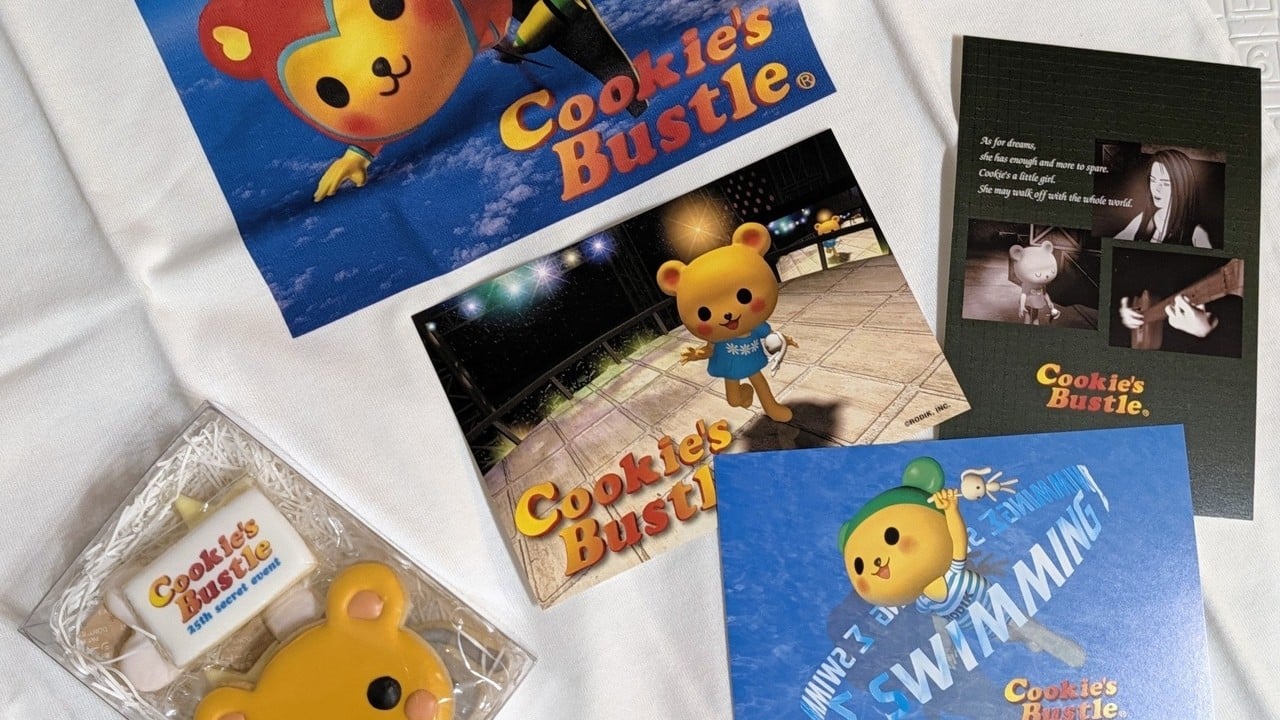
The event itself was notable for its lack of public marketing, relying instead on direct mail correspondence sent to addresses recorded at the time of the game’s original 1999 sale. Images circulating from the gathering depict a carefully curated experience, including themed merchandise and an appearance by a performer portraying the character of Cookie Blair.
From a logistical standpoint, the event represents a rare instance of a dormant software company re-engaging with its legacy user base after a quarter-century. While the gathering remained small and localized, its occurrence raises questions regarding the extent of the data retained by Rodik and the motivations behind the surprise reunion. The fact that the organizers chose to bypass digital channels in favor of traditional postal services suggests a desire to maintain the "mysterious" aura that has surrounded the game since its inception.
Implications for Digital Preservation and Copyright
The case of Cookie’s Bustle serves as a significant case study for the Video Game History Foundation and similar archival organizations. The aggressive, and ultimately unsubstantiated, legal actions taken by Graceware underscore the vulnerability of niche, older software to "copyright trolling."
Legal experts point out that the inability of entities like Graceware to prove ownership creates a dangerous precedent, where companies may attempt to suppress digital history through intimidation rather than legal merit. The success of the VGHF in resisting these claims provided a roadmap for other organizations to defend the preservation of cultural artifacts. The anniversary event, while seemingly lighthearted, highlights the persistence of fan communities in the face of such suppression. It demonstrates that even the most obscure titles can foster a sense of loyalty that spans generations, complicating the ability of external actors to simply "erase" a title from public record.
Industry Impact and Future Outlook
While no formal announcements regarding a modern remaster, sequel, or digital storefront release were made during the anniversary festivities, the event confirms that the intellectual property remains under the control of its original architects at Rodik. This is a critical distinction, as it prevents further predatory claims from third parties seeking to exploit the confusion surrounding the game’s ownership.
The persistence of Cookie’s Bustle in the modern era is a testament to the unpredictable nature of internet culture. What began as a obscure Japanese PC title has, through a combination of bizarre gameplay design and high-stakes legal drama, evolved into an object of intense curiosity.
The event concluded without incident, with attendees reporting a standard, albeit eccentric, commemorative experience. As the video game industry continues to grapple with the complexities of digital rights management and the loss of historical software, the story of Cookie’s Bustle remains a potent reminder of the importance of clear, documented ownership. Whether the developers intend to leverage this renewed interest for a commercial re-release remains speculative, but given the trajectory of the game’s history, observers should not discount the possibility of further activity from the developers.
As the industry looks forward, the legacy of Cookie’s Bustle continues to serve as both a cautionary tale regarding copyright enforcement and a tribute to the resilience of software preservation. The "Gold Medal" quest of Cookie Blair appears to be far from over, as the community surrounding the game prepares for whatever unexpected development may follow the conclusion of this long-running saga. Whether through official channels or the continued dedication of the preservationist community, the Mysterious Bombo World is likely to remain a topic of discussion for the foreseeable future.