 Vera Clarissa
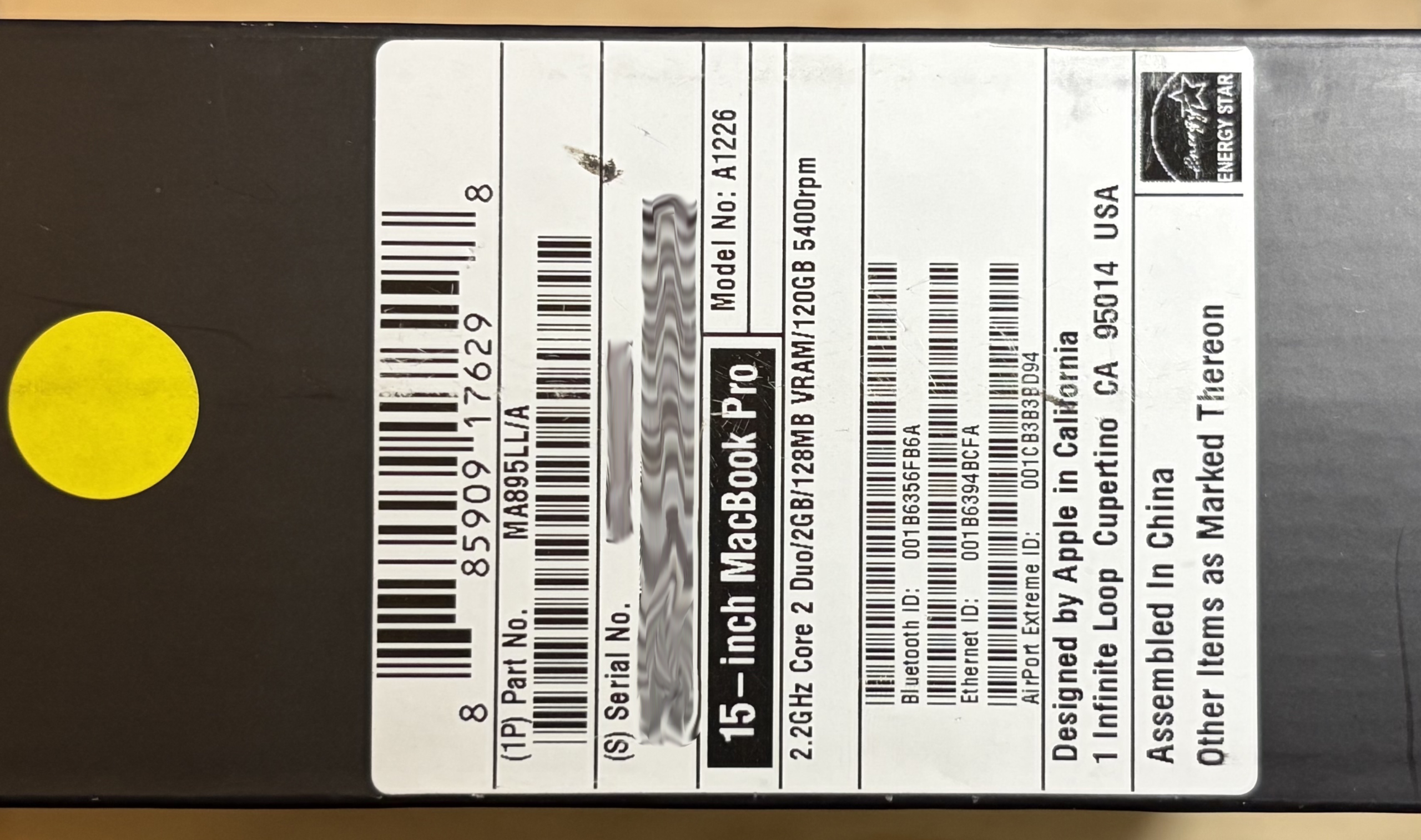
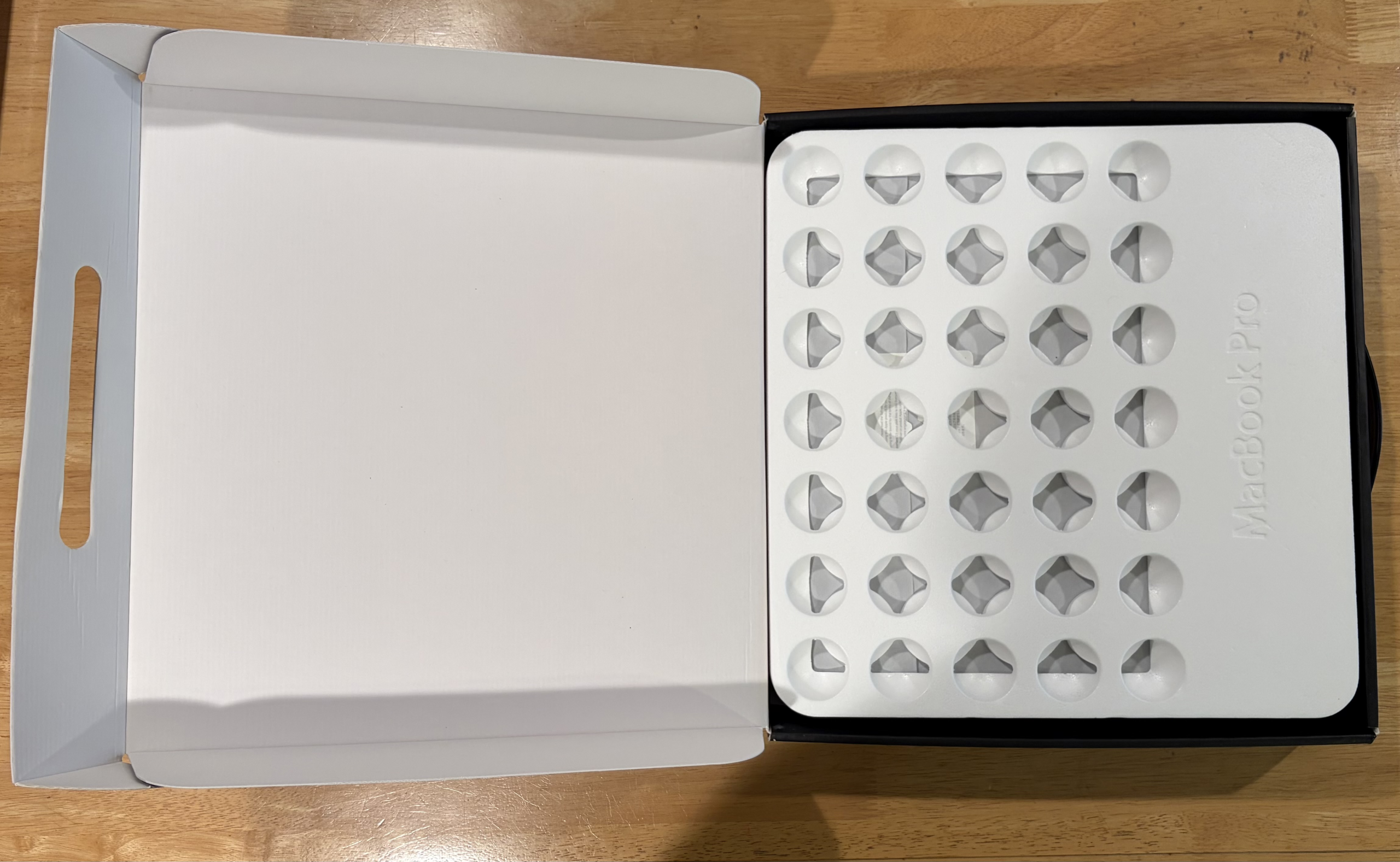
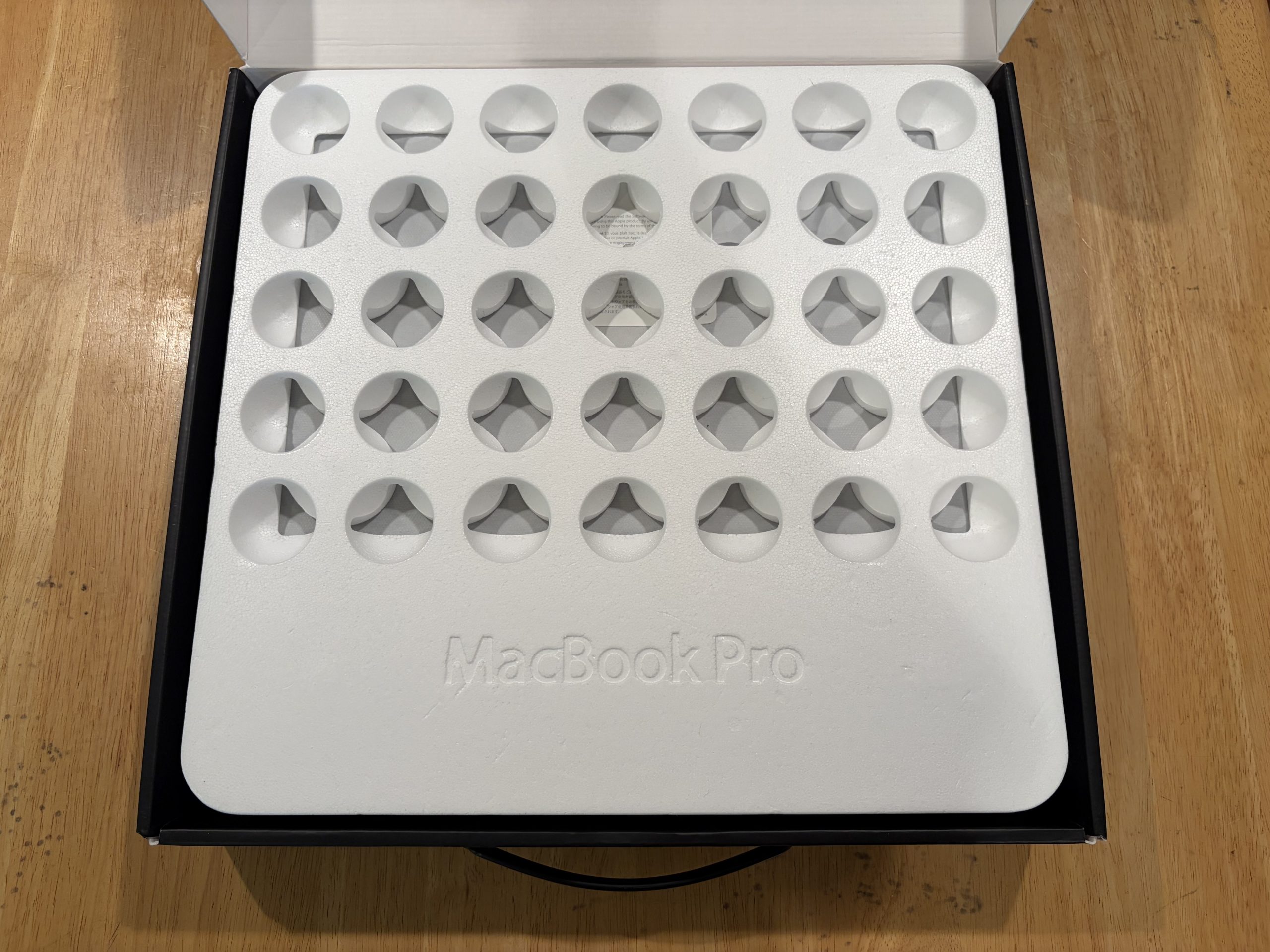
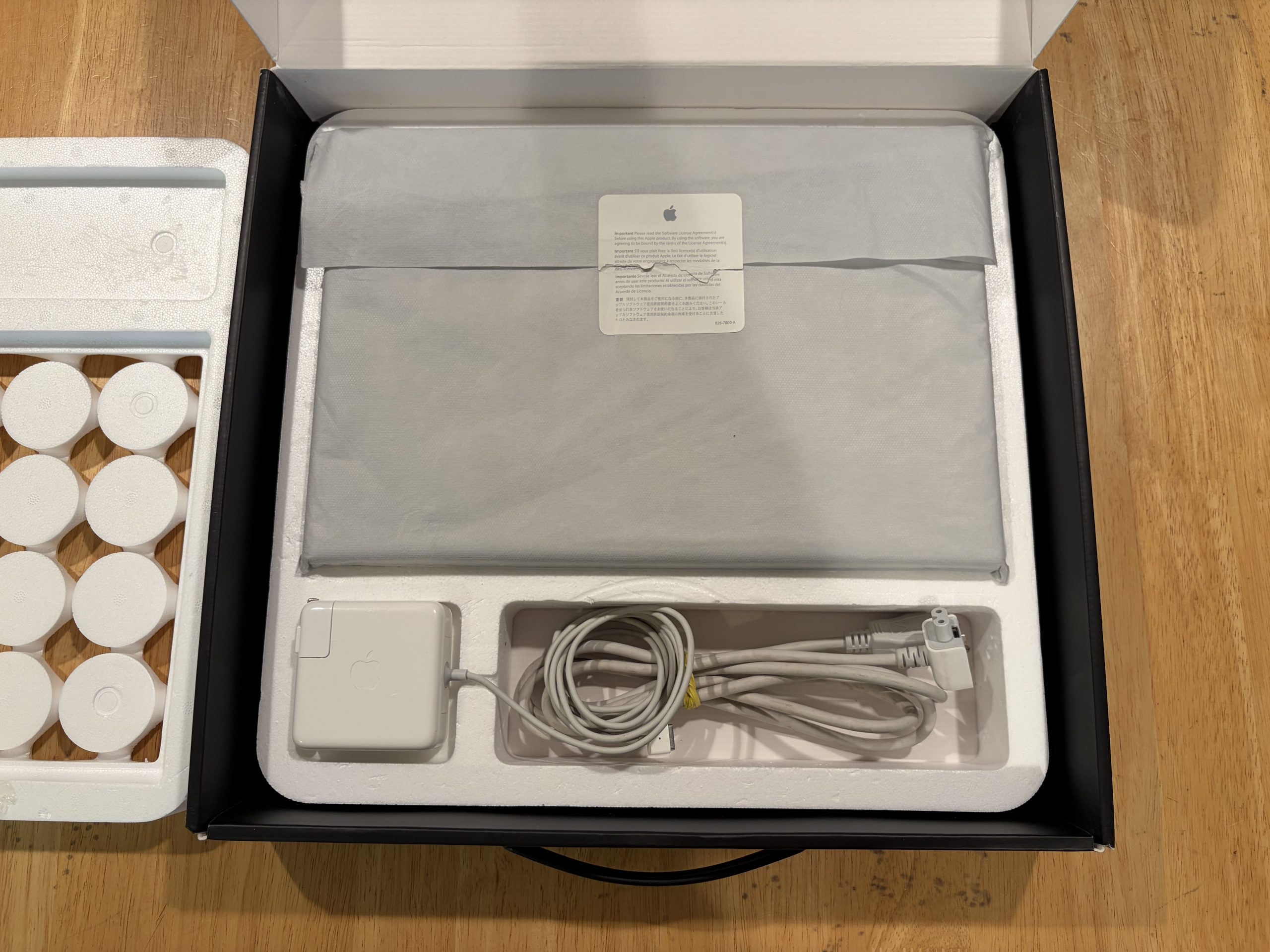
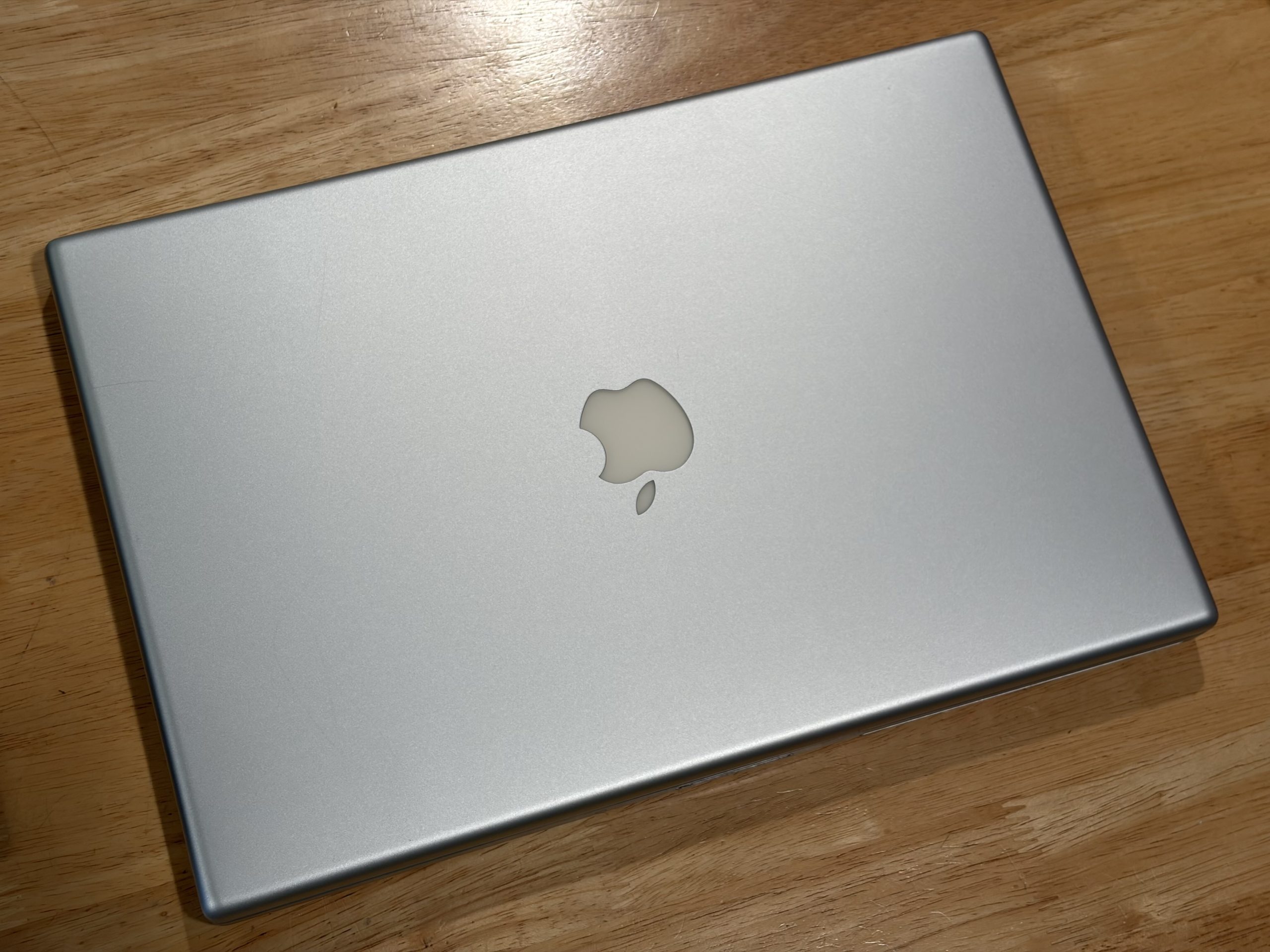
The recent discovery of a remarkably well-preserved Mid-2007 15-inch MacBook Pro at the Vintage Computer Festival (VCF) Midwest has provided a rare, tactile window into one of Apple’s most significant transitional eras. This particular unit, model A1226, represents a pivotal moment in mobile computing, bridging the aesthetic legacy of the PowerBook G4 with the burgeoning potential of the Intel Core 2 Duo architecture. Its near-pristine condition, complete with original protective packaging, offers collectors and historians a baseline for evaluating the longevity and material degradation of consumer electronics from the late 2000s.

The Significance of the VCF Midwest Find
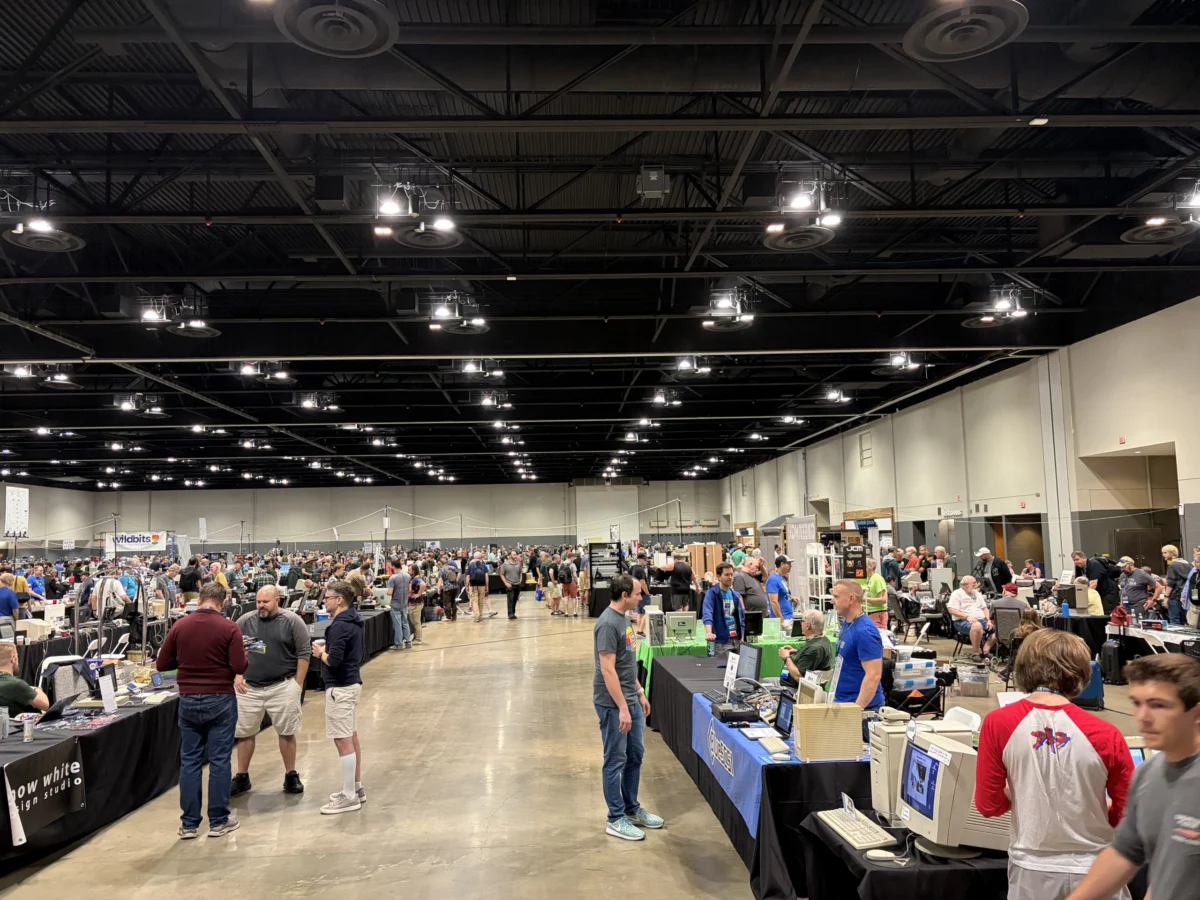
VCF Midwest has long served as a primary gathering point for historians, preservationists, and collectors dedicated to the evolution of computing. The event acts as a repository for hardware that would otherwise be lost to e-waste streams. The acquisition of this specific MacBook Pro highlights a growing trend in the retro-computing community: the pursuit of "mint" condition hardware that serves as a high-fidelity reference point. Unlike many devices from this period, which often suffered from the "sticky" degradation of rubberized finishes or the failure of proprietary batteries, this unit maintains its original structural integrity, providing an anomaly that challenges common perceptions of 19-year-old hardware shelf-life.
Chronology and Technical Evolution
The Mid-2007 MacBook Pro arrived during a period of rapid iteration for Apple. Launched on June 5, 2007, the A1226 was the first "Santa Rosa" platform MacBook Pro, featuring an Intel Core 2 Duo processor and an NVIDIA GeForce 8600M GT graphics card. This period is historically significant for several reasons:
- The Intel Transition: By mid-2007, Apple had largely completed its migration from the PowerPC architecture to x86. The stability of the Rosetta translation layer and the refinement of Mac OS X "Tiger" (10.4) and "Leopard" (10.5) allowed these machines to remain productive for nearly a decade.
- GPU Reliability Issues: The NVIDIA GeForce 8600M GT utilized in this model became notorious in the late 2000s for high failure rates due to thermal fatigue and under-fill issues in the chip packaging. The discovery of this unit in working order, coupled with the application of modern thermal interface materials like Arctic MX-4, provides a compelling case study in how proactive maintenance can mitigate systemic design flaws.
- OS Support Window: This machine shipped with Mac OS X 10.4.10, but its architecture allowed for upgrades through OS X 10.11 "El Capitan." This broad software compatibility window is a hallmark of the era’s hardware, distinguishing it from the increasingly walled gardens of modern ARM-based silicon.
Restoration and Technical Analysis
The restoration process required for this device offers insight into the "wear and tear" items of the 2007 era. While the chassis remained in museum-quality condition, the internal components necessitated immediate attention. The primary concern with these legacy Intel machines is thermal management. As noted by technical enthusiasts who work with the A1226, the factory-applied thermal compound has, in many cases, desiccated into a non-conductive powder after nearly two decades of temperature cycling.
Replacing the thermal interface material on the CPU and the heat-sensitive NVIDIA GPU is an essential intervention for any long-term preservation project. Furthermore, the reliance on third-party batteries highlights the shift in the supply chain; original Apple-branded batteries for these models have long since reached the end of their chemical shelf-life. The use of modern, third-party cells is now a requirement for any functional testing, though these rarely match the original fit and finish of the OEM components.
Market Context and Cultural Implications
The aesthetic design of the A1226 is widely considered the pinnacle of the "PowerBook-style" industrial design language. Before the shift to the unibody construction introduced in late 2008, Apple utilized a segmented, multi-part aluminum casing that exuded a specific mechanical precision. For many, this model represents the last of the "accessible" high-end laptops, featuring a user-replaceable battery, easily accessible RAM slots, and a modular hard drive bay.
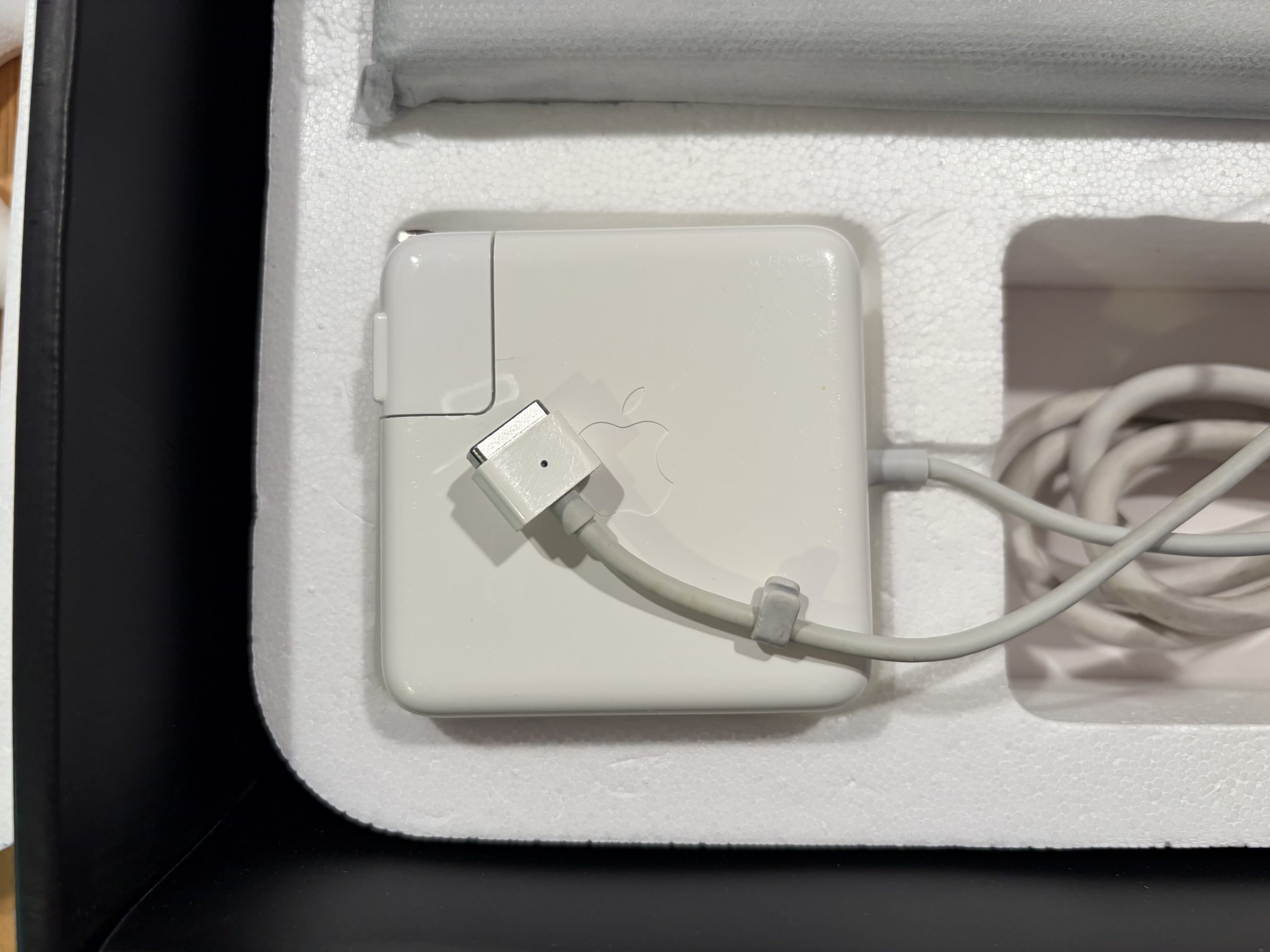
The fact that this unit was found with original documentation and packaging suggests that it was treated as a luxury item by its original owner. In the secondary market, such "boxed" examples are increasingly scarce, with values appreciating as they cross the threshold from "obsolete hardware" to "vintage collectible."
The Future of Legacy Hardware
The ongoing interest in legacy systems like the 2007 MacBook Pro is not merely a nostalgic exercise. It is driven by the development of modern software patches, such as the Momiji browser or custom versions of PowerFox, which allow these machines to remain connected to the modern web. These community-led initiatives demonstrate that the bottleneck for old computers is often software, not hardware capability.
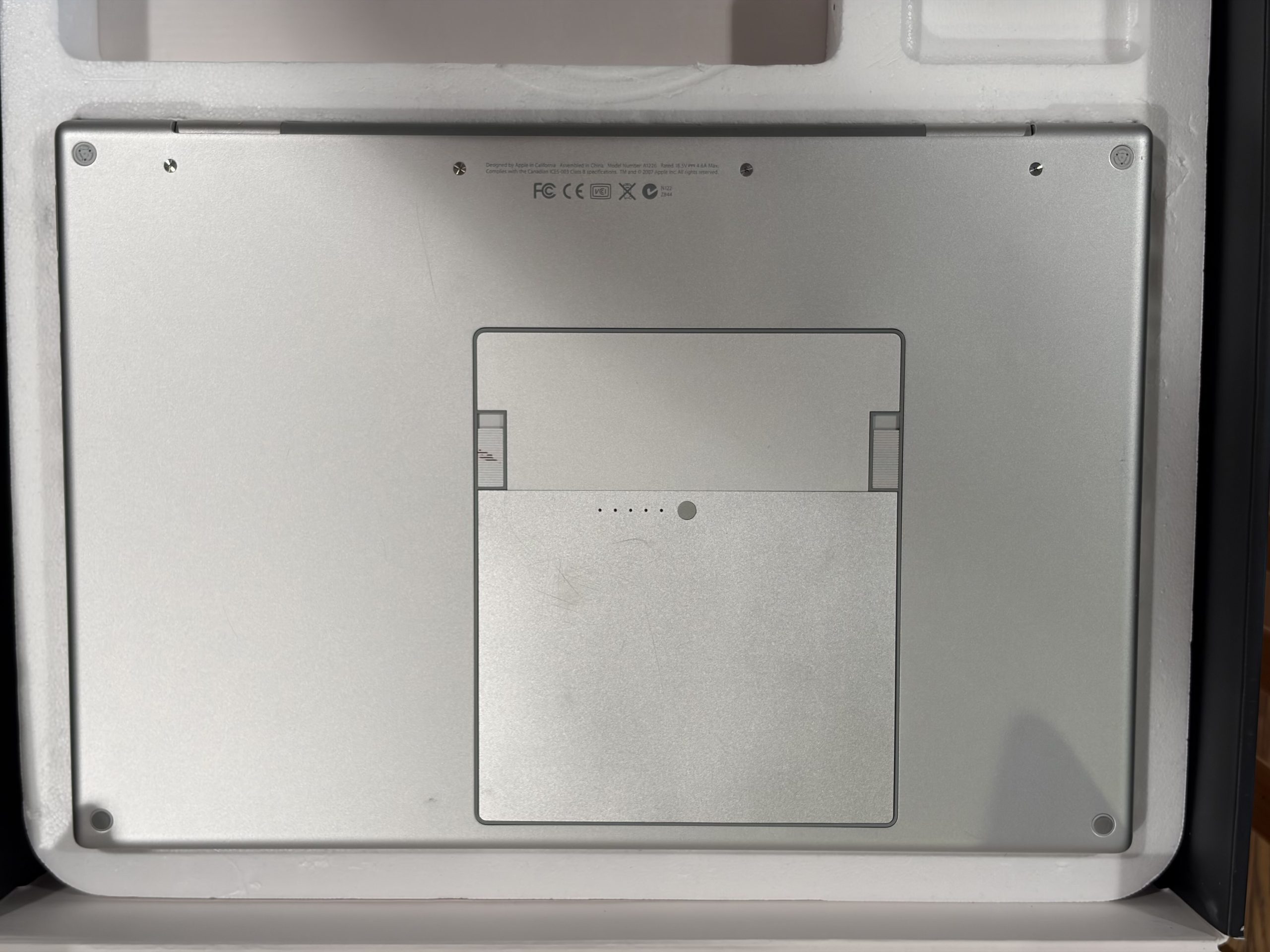
The broader implication of this finding is the necessity of documentation in the digital age. As modern Apple Silicon devices are increasingly soldered and integrated, the ability to perform basic maintenance—like replacing thermal paste—becomes restricted. The 2007 MacBook Pro stands as a monument to a brief period where user-serviceability and high-end industrial design were not mutually exclusive.

Conclusion: A Legacy Preserved
The recovery of this machine serves as a reminder of the transient nature of modern technology. While the device is currently "cozied up" in a protected state, its existence confirms that with proper environmental control and maintenance, the hardware of the late 2000s can continue to operate indefinitely. As the industry moves toward a future defined by cloud-based computing and non-repairable hardware, devices like the A1226 remain essential references for understanding the evolution of the portable computer.

Experts in computer history emphasize that the preservation of such units is critical. As the original manuals, packaging, and even the "scent" of the era fade, these artifacts provide the only tangible evidence of a time when the personal computer was a physical tool that the owner truly possessed and controlled. For the current owner, the goal is clear: ensure the machine survives for another decade, proving that "obsolescence" is often a choice, not a technical inevitability.