 Retno Hari Mulyono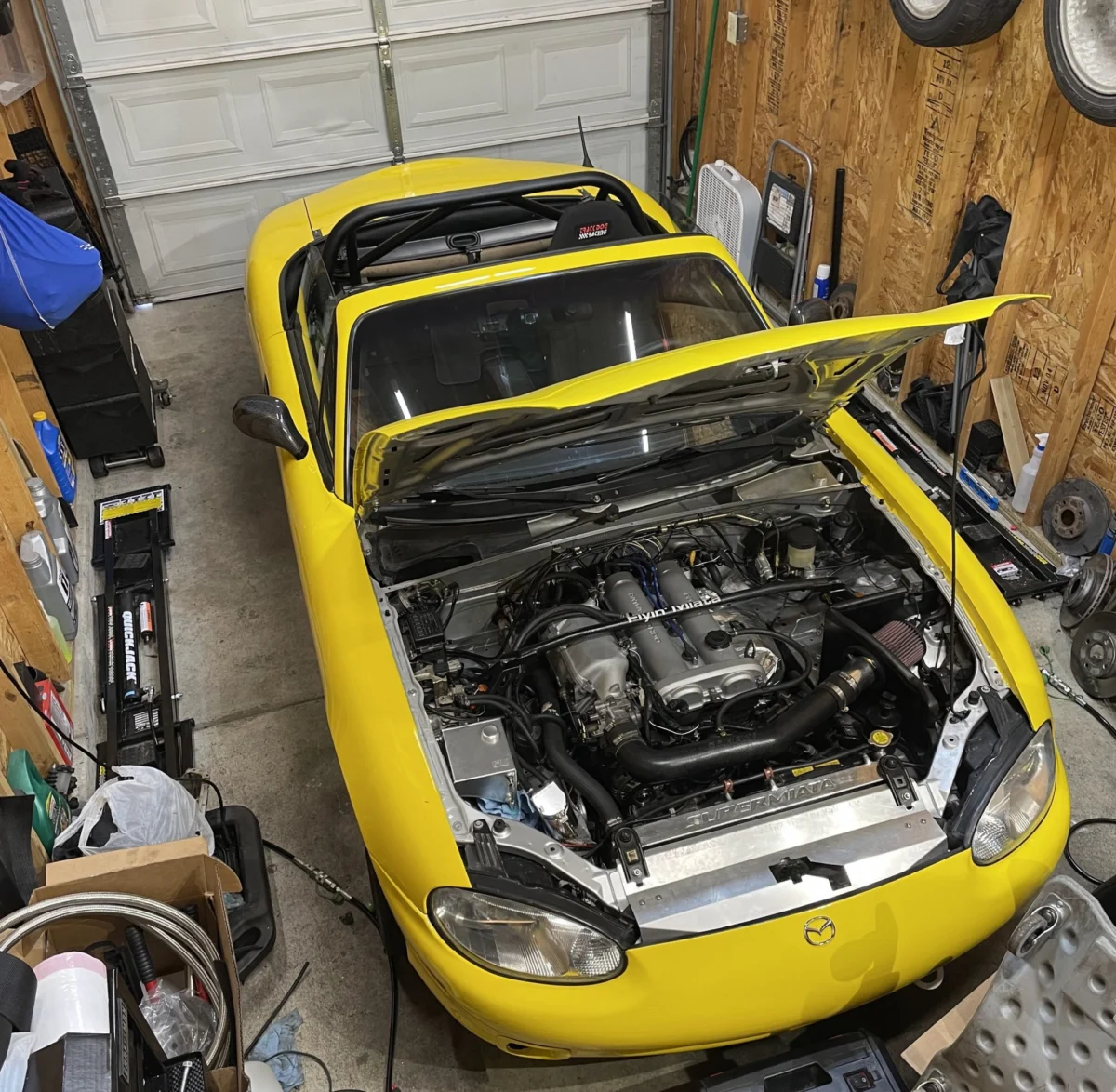
The transformation of a project vehicle often demands a meticulous, methodical approach, particularly when addressing foundational components that dictate vehicle dynamics. For one automotive enthusiast tackling the winter off-season, a stock 2000s-era Mazda MX-5 Miata—commonly designated as the NB generation—underwent a comprehensive, multi-stage chassis and drivetrain overhaul. The project, designed to bridge the gap between a compliant daily driver and a capable track-day machine, encompassed the complete replacement of aging factory hardware with high-performance aftermarket upgrades.
Project Scope and Chronology of the Winter Build
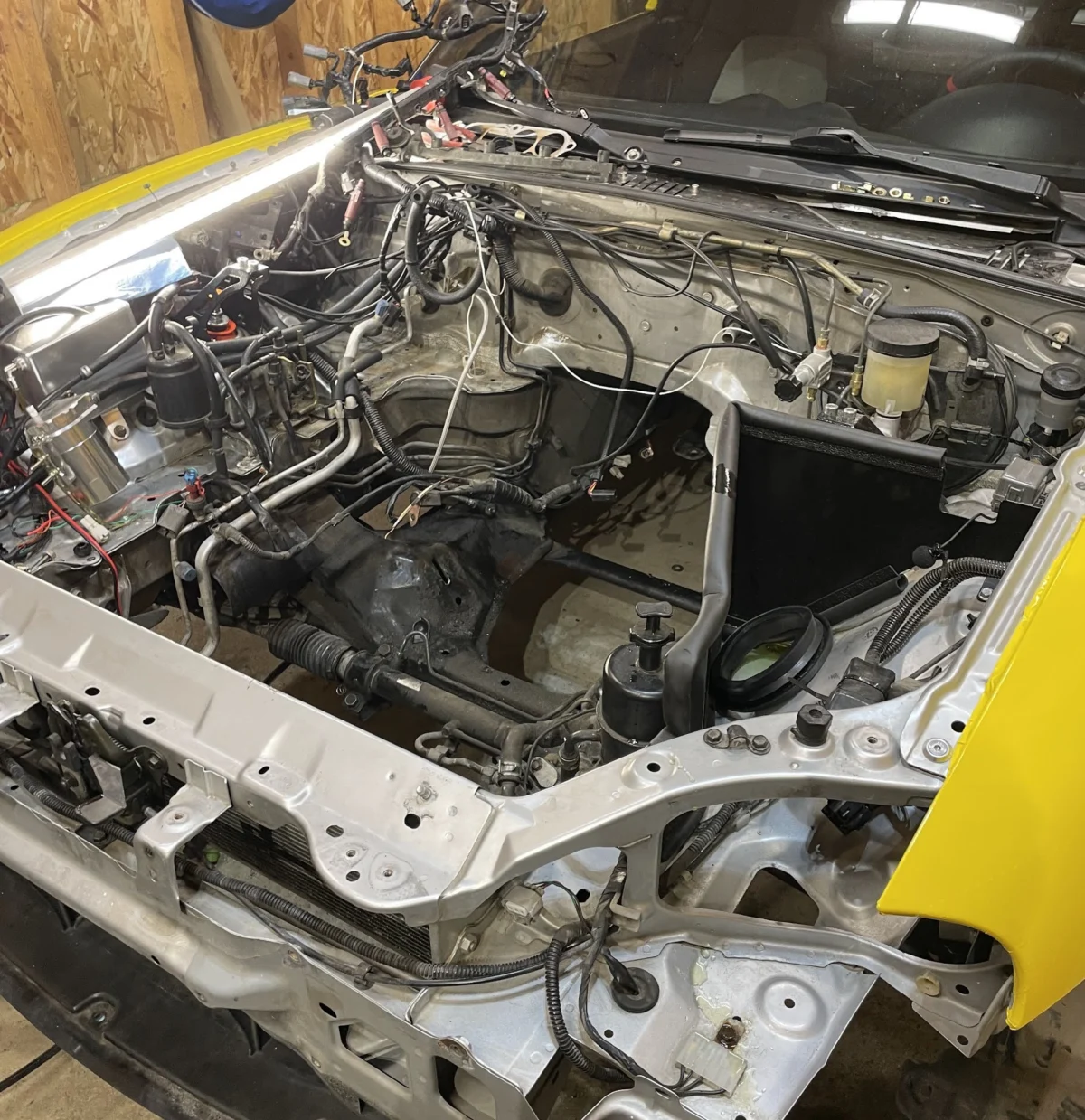
Entering the winter storage period with a clear roadmap, the objective was to systematically eliminate the unknowns associated with a vehicle boasting a largely undocumented maintenance history. Factory suspension components, many of which had degraded over decades of thermal cycles and environmental exposure, were slated for total removal. The upgrade schedule was front-loaded into the early winter months to mitigate potential setbacks caused by seized hardware and oxidized fasteners common in rust-belt regions—a crucial strategic decision given the mechanical hurdles encountered later in the process.
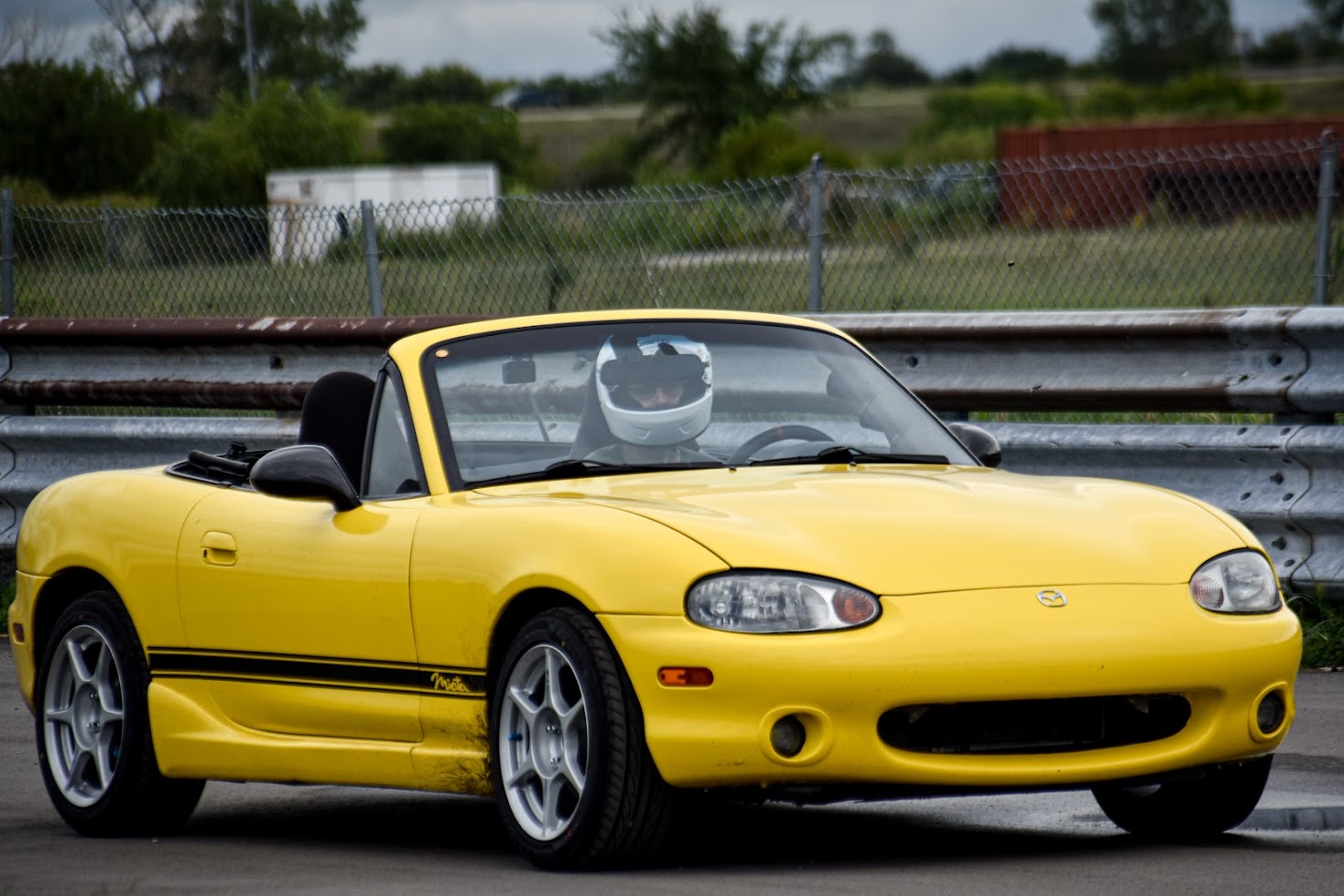
The comprehensive parts list targeted five primary areas of the chassis and drivetrain: control arm bushings, wheel hubs and bearings, ball joints and steering linkage, damping and spring rates via premium coilovers, and differential performance. By executing this overhaul concurrently, the builder ensured a synchronized baseline for future track alignment and corner-weighting procedures.
Upgrading Compliance: Bushings and Steering Geometry
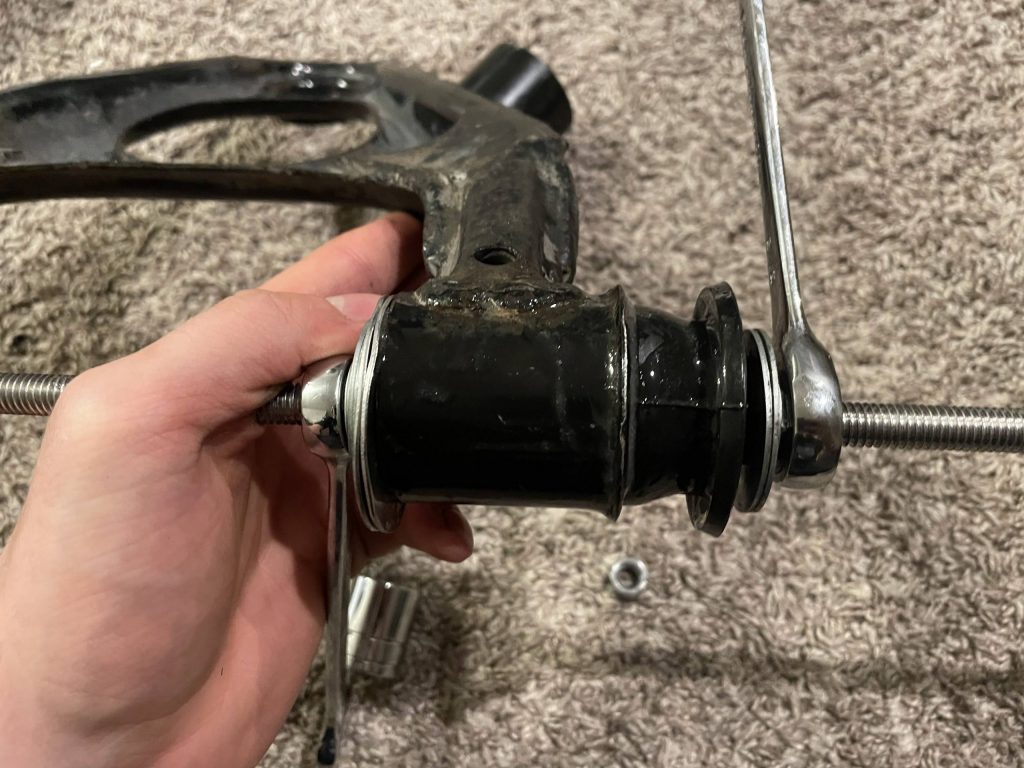
Addressing the rubber compliance of the chassis began with the installation of IL Motorsports performance rubber control arm bushings. Opting for stiffer rubber compounds over traditional polyurethane alternatives was a deliberate choice aimed at avoiding the periodic re-greasing maintenance schedule associated with poly bushings, while preserving a degree of vibration absorption suited for street use. These components mimic the durometer ratings of factory Mazdaspeed parts but offer a more accessible price point.
The installation phase, however, underscored the perils of working with legacy suspension components. An early operational error—utilizing a hydraulic press on the rear upper control arms—resulted in structural deformation, necessitating immediate replacement parts. Industry best practices dictate the use of threaded rod assemblies, washers, and nuts as a mechanical puller to press bushings safely without exerting transverse loads that compromise arm integrity.

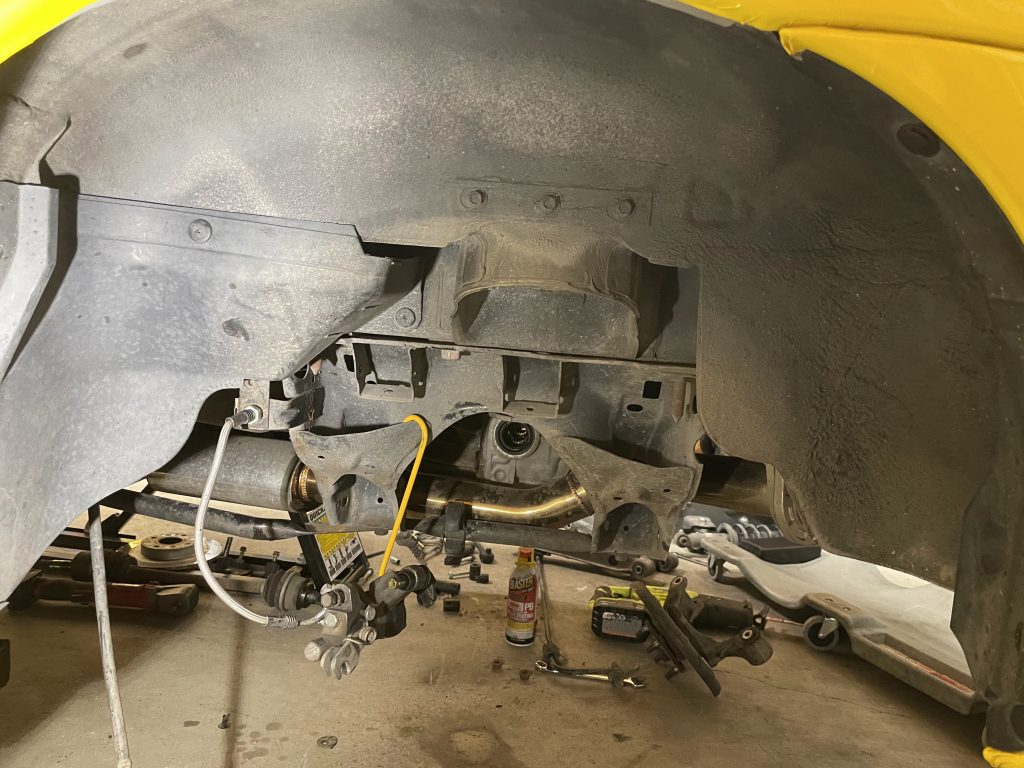
Further complications arose from seized lower control arm-to-knuckle fasteners. Thermal expansion tactics and impact force proved insufficient, ultimately requiring the complete removal of the upright assembly followed by targeted rotational manipulation and striking to extract the compromised alignment bolts. New hardware and alignment bolts were subsequently integrated across the front and rear subframes to ensure precise future geometry adjustments.
To complement the bushing refresh, a Supermiata front-end service kit was introduced. While original ball joints and tie rods exhibited no catastrophic failure indicators, preventive replacement was prioritized given the accessibility afforded by the dismantled control arms. The kit integrated heavy-duty outer tie rods and robust ball joints, utilizing a hydraulic press exclusively where structural backing prevented deformation.
Drivetrain Evolution: Torsen Differential and Thermal Dynamics
A major performance bottleneck of the base-model NB Miata variant was its factory open differential paired with a 4.3 gear ratio. While the short final drive ratio maximizes the subjective acceleration feel of the low-displacement inline-four engine, an open differential severely limits traction during aggressive cornering and low-traction scenarios.
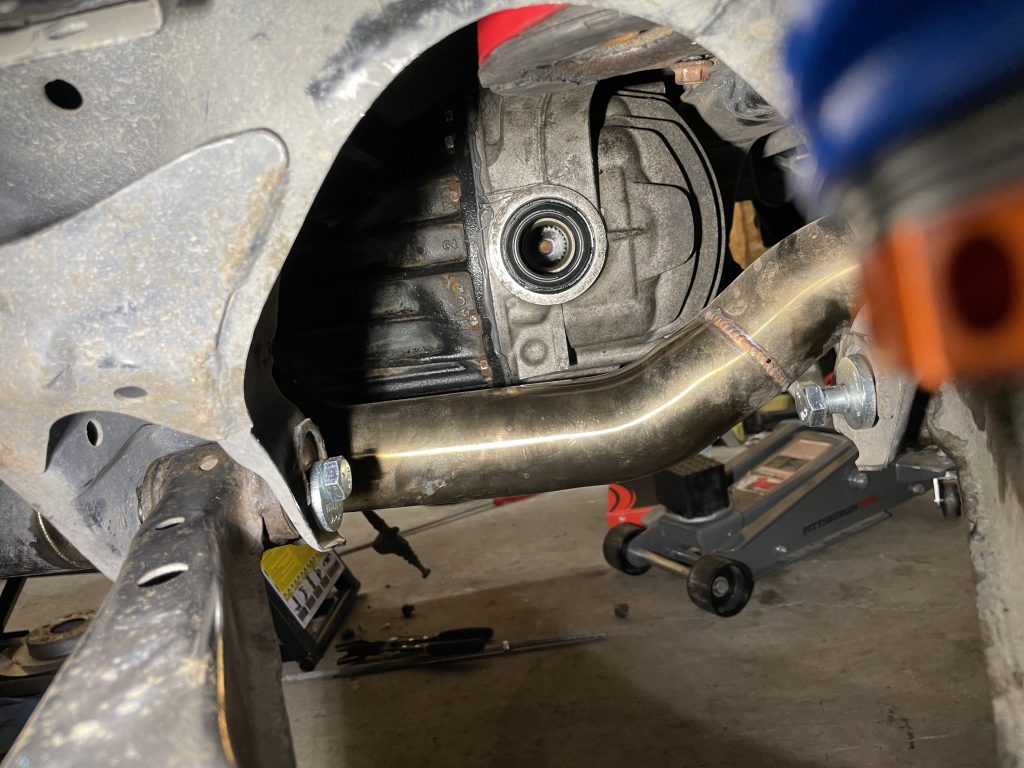
The market for factory-equipped Torsen type-B limited-slip differentials—particularly in the 4.3 ratio required by competitive racing categories such as Spec Miata—frequently commands premium pricing exceeding $1,000 on the secondhand market. Following an extended period of market surveillance, a core Torsen unit was acquired and integrated into the existing aluminum carrier housing.
This mechanical upgrade was paired with polyurethane differential bushings. Unlike factory rubber bushings, which require specialized press tooling for extraction and installation, the polyurethane variants utilize a slip-fit design that simplifies servicing. The removal of the legacy rubber bushings demanded destructive extraction methods, including core drilling to relieve rubber tension followed by manual punch-driven extraction of the outer metal sleeves, as pneumatic air hammers were unavailable.
Additionally, the integration of new Power Plant Frame (PPF) mounting hardware addressed the structural spine connecting the transmission to the differential housing, a critical structural element unique to the Mazda MX-5 architecture.
Suspension Dampening: Supermiata Xida Race Integration
Suspension tuning for dual-purpose vehicles—those navigating both public tarmac and dedicated race circuits—historically requires a compromise between ride comfort and roll stiffness. Budget-oriented coilover systems often suffer from poor damping characteristics, while ultra-high-end race dampers demand frequent, costly rebuild intervals.
The selected configuration utilized Supermiata Xida Race coilovers featuring an 800 lb/in front and 500 lb/in rear spring rate distribution, augmented by helper springs to maintain proper preload at extended droop travel. This high spring-rate philosophy diverges significantly from traditional soft-setup theories, relying instead on advanced digressive valving to control chassis movements without inducing harshness over high-frequency road imperfections.
Installation of the coilovers benefited from the pre-existing removal of all factory control arms and uprights. Upon completion, the ride height settled approximately 0.5 to 0.75 inches below factory specifications, positioning the dampers near the upper limit of their physical adjustment range to prevent ground clearance deficits.
Subjective evaluations of the newly installed Xida dampers on public roadways revealed immediate improvements in vehicle dynamics. High-speed stability, previously compromised by the floaty behavior of worn OEM shocks, improved markedly. Furthermore, cornering posture remained remarkably level, as the elevated spring rates suppressed lateral body roll without sacrificing independent wheel articulation.
Sway Bar Philosophy: The Case for Retaining Factory Bars
A common modification pathway for Mazda MX-5 platforms involves the immediate installation of oversized aftermarket anti-roll bars. However, following the integration of stiffened spring rates via the Xida coilovers, a deliberate decision was made to retain the factory front and rear sway bars.
From an engineering perspective, excessively stiff sway bars can diminish the independence of a double-wishbone suspension system, transferring vertical loads across the axle and potentially reducing mechanical grip on uneven surfaces. By relying on high spring rates to control roll rather than massive anti-roll bars, the vehicle maintains optimal tire contact patch management. While adjustable aftermarket sway bars offer tuning latitude to combat understeer or oversteer characteristics through leverage point modification, the baseline neutrality provided by the current spring-and-damper synergy was deemed sufficient for initial testing phases.

Implications and Future Outlook
The comprehensive overhaul of the NB Miata suspension and drivetrain highlights the nuanced impact of automotive restoration. Components with subtle degradation—such as standard rubber bushings, wheel hubs, and ball joints—offer limited subjective feedback to the driver post-replacement if the original units had not suffered catastrophic failure. Conversely, structural modifications such as limited-slip differential integration and advanced coilover installation yield immediate, quantifiable enhancements to dynamic capability and driver confidence.
As the vehicle prepares for its inaugural track and autocross events of the upcoming season, the structural integrity of the chassis has been effectively reset to zero hours. By combining methodical mechanical execution with premium-tier aftermarket component selection, the project successfully bridges the functional divide between a commuter roadster and a precision track instrument. Further data collection following professional alignment and circuit testing will ultimately validate the long-term efficacy of these engineering choices.