Hartono Sudibyo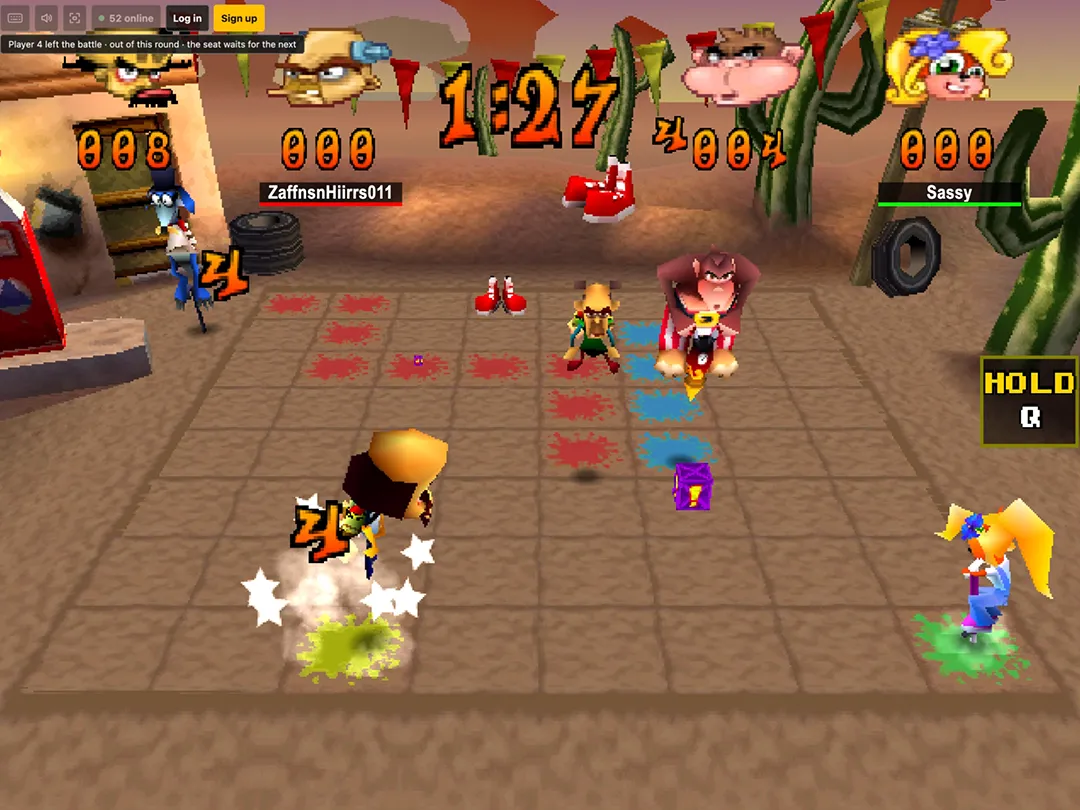
The landscape of retro video game preservation and accessibility has expanded with the unprompted release of Crash Bash Online, an unofficial web browser port of Eurocom’s 2000 party game originally developed for the Sony PlayStation 1. Published by an independent developer known as the Crash Bash App team, the newly launched platform allows users to access multiplayer rooms and engage in classic minigames directly through modern web browsers without requiring local software installation, hardware emulation setups, or original console media. While the project has garnered immediate attention from nostalgic gamers and retro gaming communities, its reliance on copyrighted intellectual property alongside proposed commercial features raises questions regarding its long-term viability under intellectual property law.
Main Facts and Technical Overview
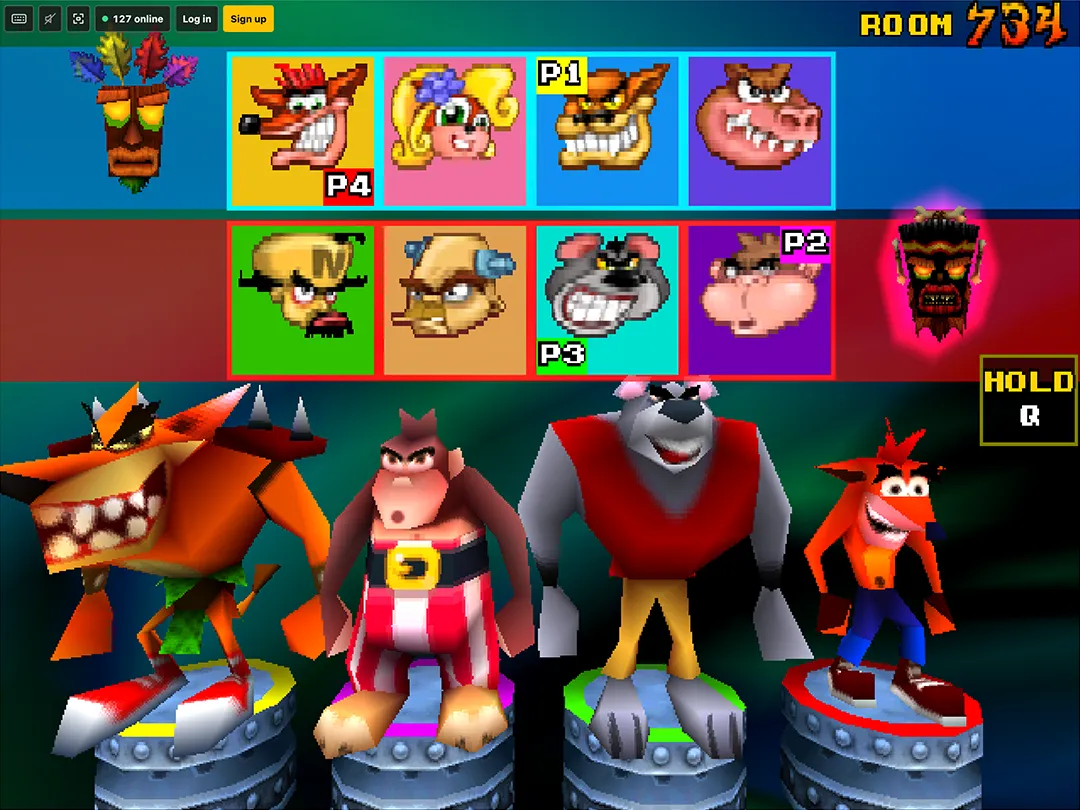
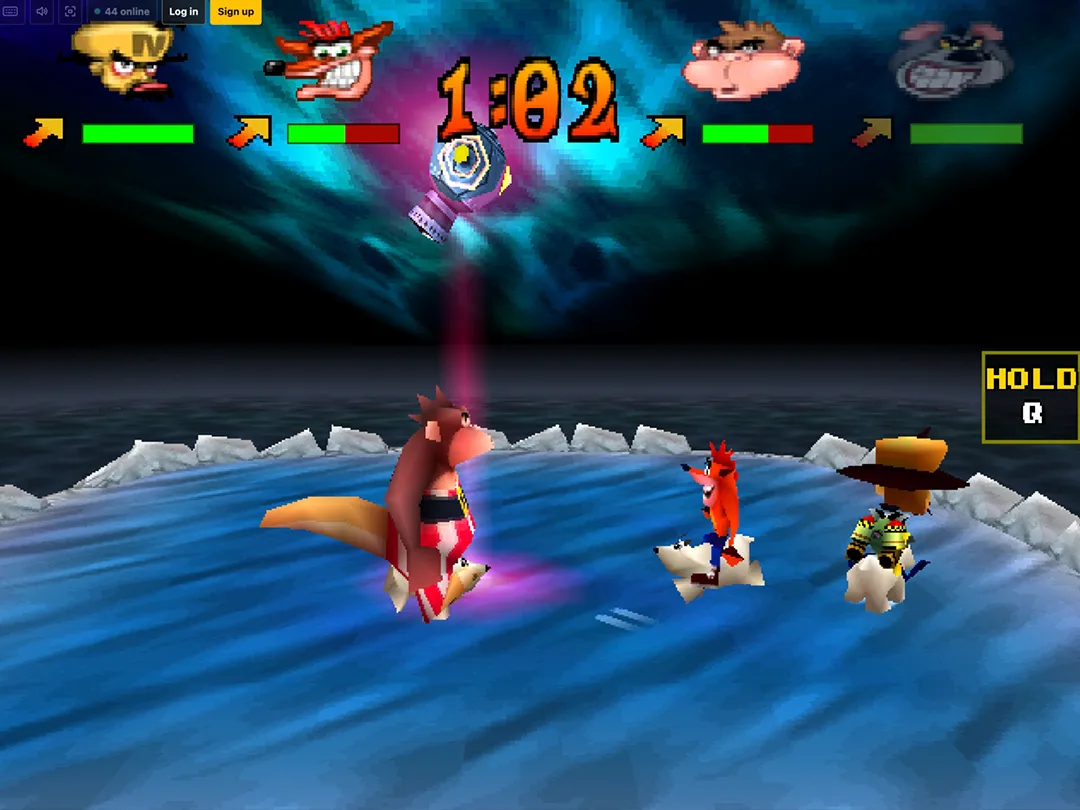
Crash Bash Online delivers a browser-native implementation of several core minigames from the original PlayStation title. Players can currently access up to four-player rooms featuring notable variants such as Jungle Bash, Space Bash, Snow Bash, Polar Panic, Tilt Panic, Melt Panic, Pogo Painter, Pogo-a-Gogo, El Pogo Loco, Crashball, Beach Ball, and N. Ballism.
Unlike traditional software emulation—which requires system BIOS files, ISO ROM images, and heavy processor loads to simulate legacy hardware architectures—the browser port functions as a standalone web application. This method allows for optimized resource management, leading to stable frame rates, clean visual rendering without graphical artifacts, and minimal input latency across standard desktop web browsers. Furthermore, the platform integrates a lobby system equipped with text-chat functionality and direct room-invitation links, permitting users to orchestrate private sessions or join public matchmaking lobbies instantly.
Current accessibility remains free for general public participation, with foundational modes, public matchmaking, and spectator functions operating without cost barriers. However, practical navigation of the service requires patience; active lobby participation depends on user readiness, and open servers occasionally contain inactive or away-from-keyboard (AFK) players, necessitating session hopping to find active matches.
Background and Historical Context of Crash Bash
To understand the cultural significance of the port, one must examine the legacy of the original software. Released in North America in November 2000 and subsequently in Europe and Japan, Crash Bash was developed by Eurocom and published by Sony Computer Entertainment in Japan and Universal Interactive Studios elsewhere. As the first party-style video game in the globally recognized Crash Bandicoot franchise, the title departed from traditional platforming mechanics to focus on competitive, arena-based multiplayer minigames.
The game featured a roster of playable characters from the franchise—including Crash Bandicoot, Coco Bandicoot, Dr. Neo Cortex, Dingodile, and Tiny Tiger—pitting them against one another in various vehicular combat, puzzle, and survival scenarios. While critically received with mixed-to-positive reviews upon release, the title achieved commercial success and cultivated a dedicated cult following among the PlayStation 1 demographic, frequently cited alongside contemporaries like Mario Party as a foundational couch co-op experience of the sixth-generation console era.
Over the past two decades, experiencing Crash Bash has been limited to original PlayStation hardware, backward-compatible PlayStation 3 consoles, or software emulators like DuckStation and ePSeX. The introduction of Crash Bash Online represents a modern shift toward cloud-accessible, friction-free retro gaming, removing technical barriers that typically deter casual players from engaging with legacy titles.
Development Timeline and Planned Monetization
Development on the Crash Bash App project appears to be moving at a rapid pace. According to platform updates, the development team introduced four new maps shortly after the initial soft launch, indicating active maintenance and frequent content expansion.
Concurrently, the developers have outlined plans to introduce a tiered access model titled the Arena Pass. According to platform documentation, the Arena Pass is intended to unlock four additional specialized arenas, facilitate private battle rooms, and remove platform advertisements. While standard public matchmaking, spectator modes, and basic rooms are slated to remain free, the introduction of a paid tier directly tied to copyrighted material creates a distinct legal and operational paradox.
Intellectual Property Implications and Legal Precedents
The launch of Crash Bash Online highlights the ongoing legal and ethical tensions inherent in the video game preservation community, particularly concerning unauthorized uses of commercial properties.
Crash Bandicoot and all associated characters, assets, and audiovisual materials remain the legal property of Activision Publishing, Inc., a subsidiary of Microsoft Gaming. Historically, major entertainment and video game conglomerates maintain strict intellectual property enforcement policies to protect their portfolios from unauthorized commercial exploitation or brand dilution.
Legal analysts note that unauthorized ports of commercial video games generally fall into a precarious legal gray area, if not outright copyright infringement. While non-commercial, fan-made preservation projects occasionally operate under the radar of corporate legal departments—especially when distributed freely as acts of preservation—the introduction of monetization mechanisms significantly alters the legal assessment. The inclusion of on-site advertisements and plans for a paid Arena Pass means the developer is generating potential revenue utilizing trademarked characters, assets, and game designs owned by Activision.
Industry observers frequently caution that monetization models attached to unauthorized IP ports drastically reduce the lifespan of such projects. Corporate legal teams are statistically more inclined to issue formal cease-and-desist notices or digital copyright takedown requests when a third party derives financial gain from protected assets, compared to strictly non-profit preservation efforts. Consequently, while the platform currently operates without immediate disruption, its long-term availability remains uncertain.
Community Impact and Industry Reception
Despite potential legal vulnerabilities, the release has been met with enthusiasm across retro gaming forums and social media channels. The appeal lies primarily in the elimination of friction; modern users can coordinate online multiplayer sessions with friends worldwide simply by sharing a uniform resource locator (URL), bypassing the complex network configurations historically required to play legacy PlayStation titles via netplay emulators like Parsec or Kaillera.
Furthermore, the project reflects a broader consumer appetite for web-based, instant-play adaptations of classic video games. In recent years, browser ports of reverse-engineered classics—such as native browser decompilations of Super Mario 64 and The Legend of Zelda: Ocarina of Time—have demonstrated significant technical capability and widespread public demand for frictionless accessibility.
However, the intersection of rapid hobbyist development, proprietary IP utilization, and prospective monetization continues to divide observers. While preservationists advocate for maximum accessibility to cultural artifacts that would otherwise remain stranded on legacy hardware, copyright holders maintain statutory rights to control the commercial distribution and adaptation of their properties.
Outlook and Future Accessibility
As of this report, Crash Bash Online remains operational, with the development team continuing to issue minor patches, map updates, and UI optimizations. Prospective players can access the service via standard web browsers on personal computers.
Whether the project will withstand potential legal scrutiny from the rights holder remains to be seen. Industry experts suggest that the trajectory of Crash Bash Online will depend heavily on the developer’s execution of the proposed Arena Pass and the corporate response from Activision’s legal division. In the interim, players and preservationists alike continue to access the platform, reflecting the enduring appeal of turn-of-the-millennium party gaming adapted for the modern web ecosystem.