Hartono Sudibyo
The landscape of Pokémon ROM hacking has long been defined by creative ingenuity, pushing the technical boundaries of classic Game Boy Advance hardware to deliver unprecedented gameplay loops. Among the most discussed recent entries in this expansive fan-made ecosystem is Pokémon Emerald Arena, a radical modification that introduces real-time combat mechanics into the beloved, turn-based framework of the third-generation classic, Pokémon Emerald. Originally launched to widespread curiosity, the project has entered a rigorous development phase, with its solo developer implementing critical quality-of-life updates, expansive feature additions, and mechanical refinements to bridge the gap between traditional role-playing elements and fast-paced action combat.
Chronology and Development Evolution
The genesis of Pokémon Emerald Arena traces back to early September 2026, when developer German Burgardt first showcased a proof-of-concept build integrating real-time battles into the legendary Hoenn region adventure. Utilizing AI-assisted programming tools to accelerate the complex assembly of custom assembly code and graphic pipelines, the initial release captured the attention of the retro gaming community. However, the debut version was heavily scrutinized for its rough execution, erratic AI behaviors, and glaring oversights in user interface integration.
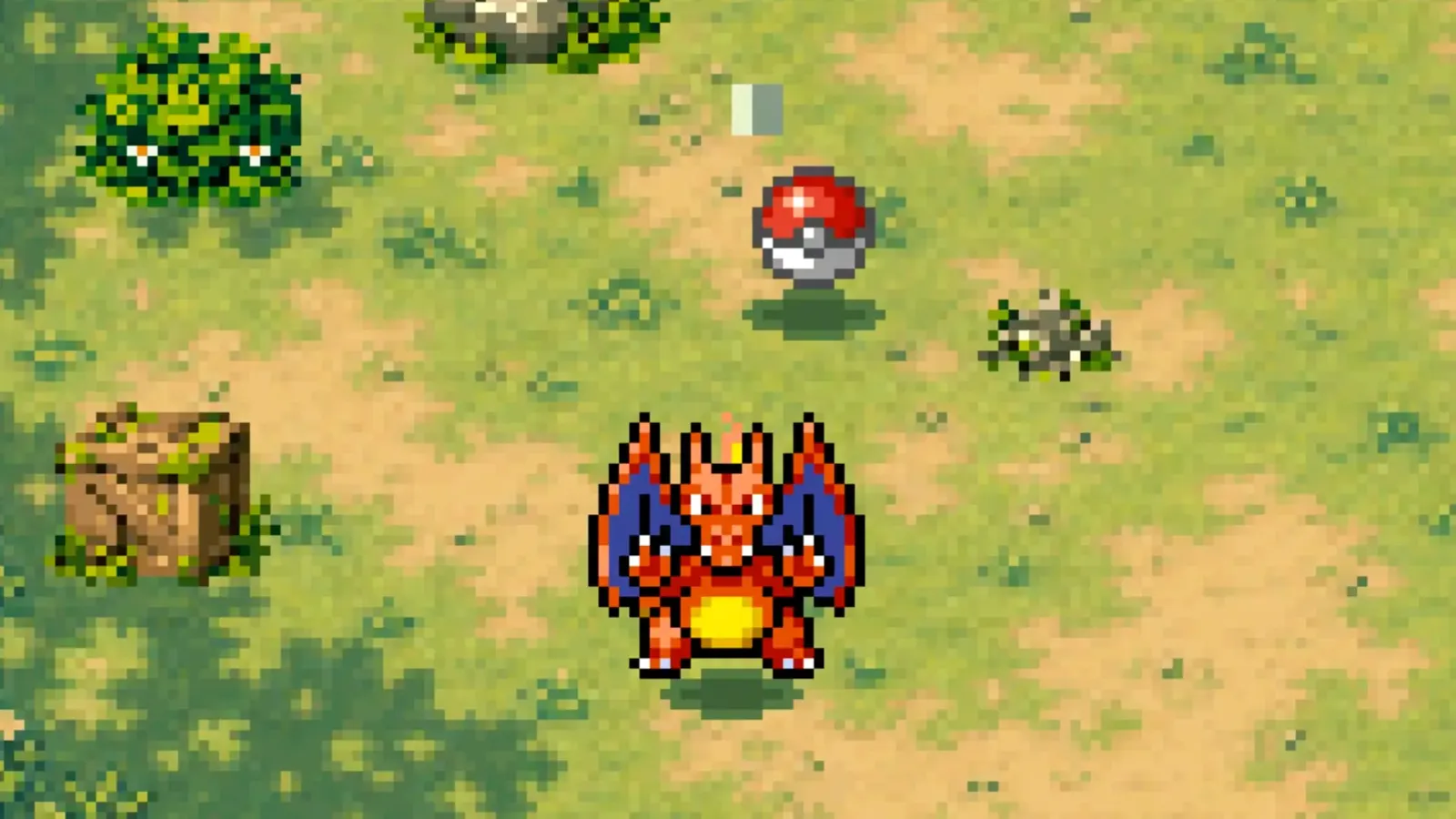
Recognizing these technical hurdles, Burgardt initiated a rapid succession of patches. By mid-September 2026, a secondary milestone update was deployed, introducing foundational changes that addressed community feedback. Most notably, the update integrated functional Pokéball mechanics directly within the real-time arena environment, alongside an expanded roster of compatible creatures and tactical menu adjustments. This rapid iteration cycle highlights the agility inherent in modern ROM hacking, where community sentiment directly dictates patch deployment timelines.
Mechanical Innovations and Roster Expansion
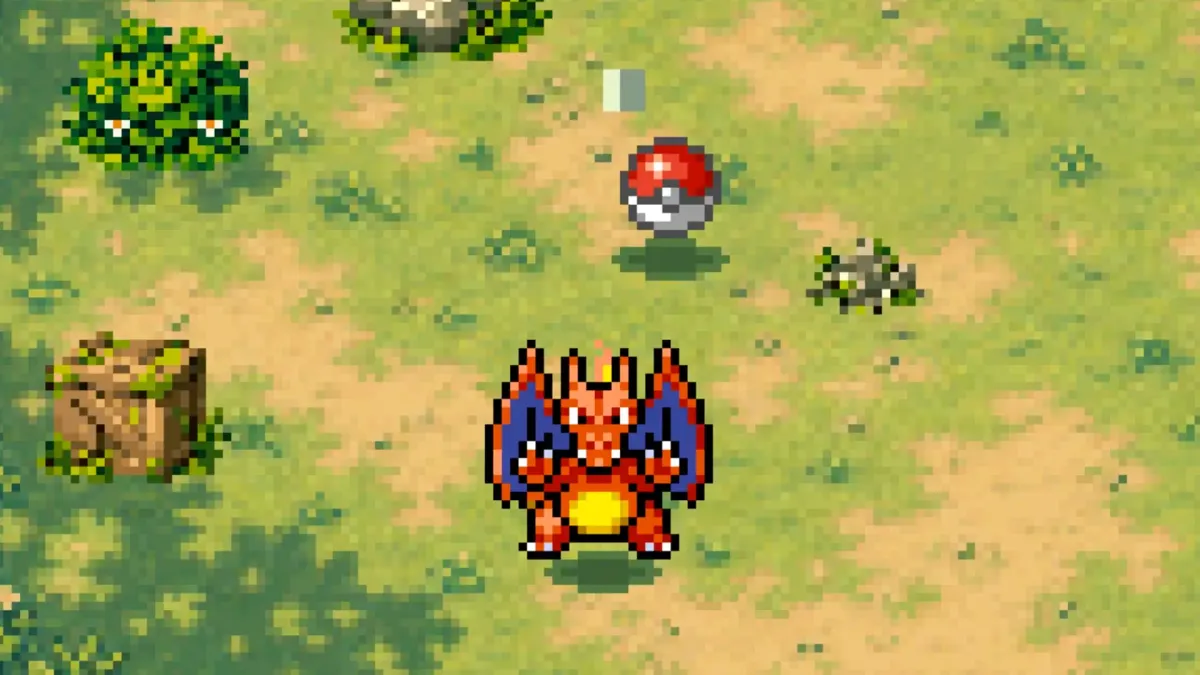
At its core, Pokémon Emerald Arena seeks to subvert nearly three decades of established convention by replacing the franchise’s hallmark turn-based battle system with a dynamic, movement-oriented real-time combat model. In the latest iteration of the hack, these systems have received substantial depth.
The most significant gameplay addition is the integration of direct Pokéball deployment inside the arena space. Previously, capturing wild Pokémon required transitioning back to standard legacy battle sequences, creating a jarring disconnect in pacing. The updated build allows players to hurl Pokéballs dynamically during real-time engagements, seamlessly capturing creatures and directly integrating them into active party rosters upon successful completion.
Furthermore, the roster of fully supported arena-compatible Pokémon has grown. While the total number of combat-ready species hovers around twenty, the developer continues to introduce new additions incrementally. When players deploy a Pokémon that lacks a dedicated real-time control set, the game automatically reverts to the classic turn-based interface, maintaining structural compatibility with the rest of the unedited Pokémon Emerald campaign.
To accommodate the frantic pace of real-time encounters, Burgardt has also implemented an on-the-fly move-switching system. By accessing a newly integrated pause menu, players can rapidly reconfigure their active offensive capabilities mid-battle. This feature directly addresses initial player complaints regarding rigid move pools, offering a layer of tactical flexibility previously unattainable under the strict parameters of the original Game Boy Advance engine.

Controversy Surrounding Generative Asset Integration
Despite technical achievements, Pokémon Emerald Arena remains at the center of an ongoing ethical debate within the retro development community regarding the use of generative artificial intelligence. The hack’s visual identity heavily relies on AI-generated assets, encompassing character sprites, environment textures, and dynamic battle interface elements.
This reliance has drawn criticism from digital artists, retro gaming journalists, and purists alike, who argue that the utilization of automated asset generation undermines the traditional craftsmanship that has historically characterized the ROM hacking scene. Critics emphasize that many foundational sprite-artists and modders spend years mastering the pixel art aesthetics of the 16-bit and 32-bit eras, making the integration of synthetic imagery a contentious point of discussion.
When queried regarding the potential transition toward human-created art assets, developer German Burgardt acknowledged the feedback, indicating a willingness to review the project’s visual pipeline. However, as of the current release cycle, the AI-generated assets remain fully integrated. Industry observers note that this tension reflects a broader, industry-wide dilemma as independent developers weigh the development speed offered by artificial intelligence against the cultural value of human-crafted creative work.
Broader Impact and Implications for the ROM Hacking Community
The evolution of Pokémon Emerald Arena serves as a case study in the modern intersection of legacy hardware emulation and cutting-edge software assistance tools. By demonstrating that real-time action mechanics can be successfully mapped onto the structural architecture of a 2004 Game Boy Advance title, the project broadens the horizons for what fan developers can achieve using decompilation projects like pokeemerald.
As projects increasingly leverage AI-assisted coding and asset generation, the community faces fundamental questions regarding authorship, aesthetic standards, and intellectual property boundaries. Nintendo and The Pokémon Company maintain a strict stance against unauthorized derivative works, often issuing cease-and-desist orders against high-profile ROM hacks that commercialize or closely mimic proprietary intellectual property. While Pokémon Emerald Arena is distributed freely as a non-commercial patch requiring a legally obtained base ROM, the incorporation of controversial development pipelines places it under heightened scrutiny.
Looking forward, the trajectory of Pokémon Emerald Arena will likely depend on the developer’s ability to balance technical innovation with community standards. Whether future updates will phase out generative art assets in favor of traditional pixel artistry remains to be seen. Nevertheless, the project has permanently expanded the imaginative boundaries of the Pokémon Emerald hacking scene, proving that even twenty-year-old software can be radically reimagined for contemporary audiences.