Ganda Hendra Perkasa
The landscape of the modern video game industry, a multi-billion dollar global phenomenon, owes a significant debt to its nascent beginnings. While the recent 2026 Game Developers Conference (GDC) just concluded, attention is now being drawn to a pivotal moment in the industry’s past: the 1989 Computer Game Developers Conference (CGDC). A remarkable collection of digitized audio recordings from this foundational event, held in May of 1989 at the Sunnyvale Hilton Hotel, has been made publicly available, offering an unprecedented glimpse into the formative years of computer game development. This release, meticulously preserved and digitized, provides invaluable historical context for the evolution of interactive entertainment.
The Genesis of a Community: CGDC 1989
The 1989 Computer Game Developers Conference marked the third iteration of an event that would grow to become the preeminent gathering for game creators worldwide. In an era when the American computer game development community was a relatively small and tightly-knit group, CGDC 1989 served as a crucial nexus for idea exchange, networking, and the nascent professionalization of the field. Estimates suggest that approximately 300 individuals attended this particular conference, a stark contrast to the thousands who now descend upon GDC annually. This intimate scale is reflected in the recordings themselves, where speakers can be heard addressing audience members by name, underscoring the personal relationships and collaborative spirit that characterized the early industry.
The significance of these recordings extends beyond their historical novelty. They capture a period when the computer game industry was on the cusp of explosive growth, yet still grappling with fundamental questions about its identity, market, and future. The survival of these audio tapes, manually dubbed by GDC co-founder Tim Brengle, is a testament to the foresight of those involved in preserving this history. The recordings offer a unique window into the challenges, innovations, and aspirations of developers at a time when the very definition of a "major industry" was still being forged.
A Pantheon of Pioneers: Speakers and Their Insights
The roster of speakers at CGDC 1989 reads like a who’s who of early computer game luminaries, many of whom would go on to shape the industry for decades to come. The newly released collection features talks from influential figures such as Danielle Bunten Berry, Bing Gordon, Chris Crawford, Richard Garriott, and Steve Cartwright, among others. Their contributions at this early conference provide a foundational understanding of their philosophies and the creative currents that defined their work.
Key Sessions Unveiled
Among the most compelling recordings are several sessions that highlight the pressing concerns and optimistic outlook of developers in 1989:
-
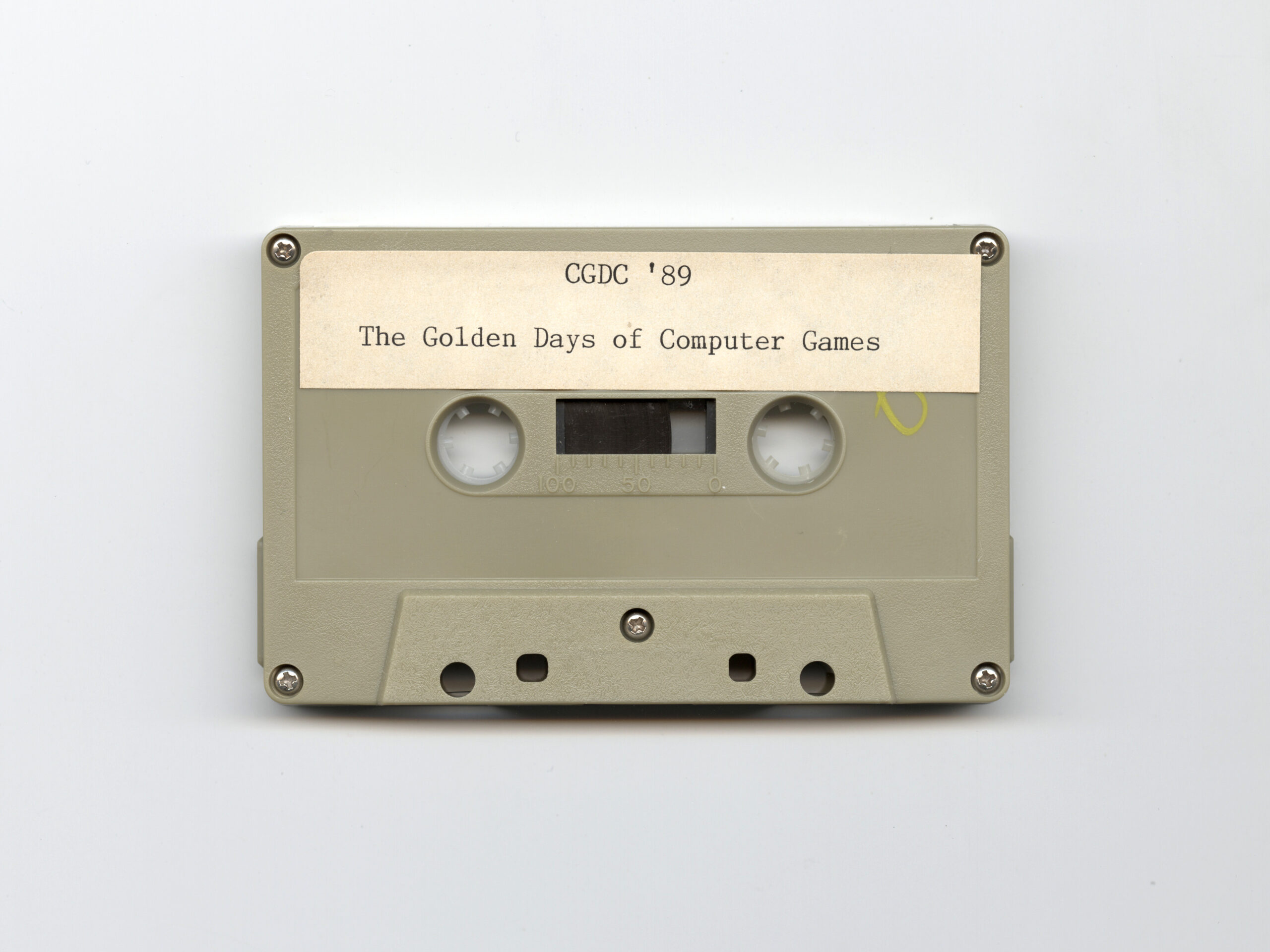
The Golden Days of Computer Games: This panel, featuring luminaries like Dani Bunten, Steve Cartwright, Chris Crawford, Jon Freeman, and Richard Garriott, offers a fascinating look at how developers already perceived the "early days" of the 1980s as a nostalgic era. The discussions touch upon a time when game development was often a more personal endeavor, with creators handling tasks like packaging their own games, and the widespread recognition of the industry’s potential was far from assured. This retrospective sentiment, present even in 1989, underscores the rapid pace of change within the industry.
-
Movies and Games: Living with a License: This session delves into the complex relationship between game development and intellectual property derived from other media. Game producers discussed the challenges and opportunities inherent in working with licensed properties, offering insights into the development of titles like the Three Stooges computer game. The recordings also allude to industry gossip surrounding other significant licensed projects, such as the Barbie game for the Commodore 64, indicating that the complexities of IP management were a concern even in the late 1980s.
-
The Press and Games: A critical examination of the symbiotic, and sometimes contentious, relationship between game publishers and the media is presented in this panel. Featuring an editor from Computer Gaming World and the public relations manager of Accolade, the discussion highlights the strategic considerations involved in managing press relations. The fact that such a panel was deemed necessary in 1989 demonstrates a sophisticated understanding of public perception and marketing even at this early stage.
-
Interactive Storytelling: Dave Albert of Electronic Arts led a session that explored the evolving narrative potential of computer games. Beginning with a lecture on storytelling principles, the talk transitioned into a dynamic, Socratic dialogue with the audience. The recordings offer tantalizing glimpses into audience participation, with Albert engaging individuals like "Brenda," who could potentially be identified as Brenda Laurel or Brenda (Garno) Romero, illustrating the interconnectedness of the development community.
-
The Publishers’ Panel: The closing session of CGDC 1989 provided a platform for major American computer game executives to discuss the state of the industry from their perspective. A significant portion of this panel focused on what was termed "the slump" in the US computer game market. The recordings capture a particularly fiery exchange with Trip Hawkins, who articulated strong criticisms of Nintendo’s closed ecosystem practices, famously predicting that the NES "is not gonna go on forever." This discussion offers critical insights into the economic anxieties and strategic debates shaping the industry’s trajectory.
Preserving a Legacy: The Archival Process
The preservation of these recordings was a significant undertaking. The collection is reportedly missing only two talks from CGDC 1989, and it is uncertain if these were ever recorded. Furthermore, 22 roundtable discussions, including one reportedly featuring counterculture icon Timothy Leary, are believed not to have been captured on tape. The availability of these digitized recordings has been facilitated by the Department of Special Collections at Stanford University Libraries, which provided a copy of the CGDC 1989 program from the Steve Meretzky papers for reference.
The Game Developers Conference has granted permission for these invaluable recordings to be shared, and the project was made possible through the dedicated efforts of GDC co-founder Tim Brengle, who personally dubbed the original tapes. This initiative, 37 years in the making, underscores a profound commitment to historical preservation.
Broader Impact and Future of Game History Archiving
These historical recordings are now freely accessible as part of a growing digital library dedicated to video game history research materials. Projects of this nature are vital for understanding the technological, creative, and business evolution of the interactive entertainment sector. The investment in new audio digitization equipment for this project signals a commitment to ongoing archival efforts, ensuring that future historical discoveries can be similarly preserved and shared.
The implications of this release are far-reaching. For game historians, researchers, and enthusiasts, these recordings offer primary source material that can illuminate the foundational principles, creative processes, and business strategies that propelled the computer game industry from a niche hobby to a global cultural force. For contemporary game developers, these historical insights can provide valuable context for current industry trends, technological advancements, and the enduring challenges of game creation.
The accessibility of these 1989 CGDC recordings represents a significant contribution to the public record of digital culture. By making these voices from the past available, the project not only honors the pioneers of the industry but also provides a richer, more nuanced understanding of how the games we play today came to be. It serves as a powerful reminder that innovation is often built upon the foundations laid by those who dared to dream and create in the early days of a nascent art form. The continued support for such archival endeavors is crucial for ensuring that the rich history of video games is not lost to time, but is instead a living resource for generations to come.