Chalid Lutfie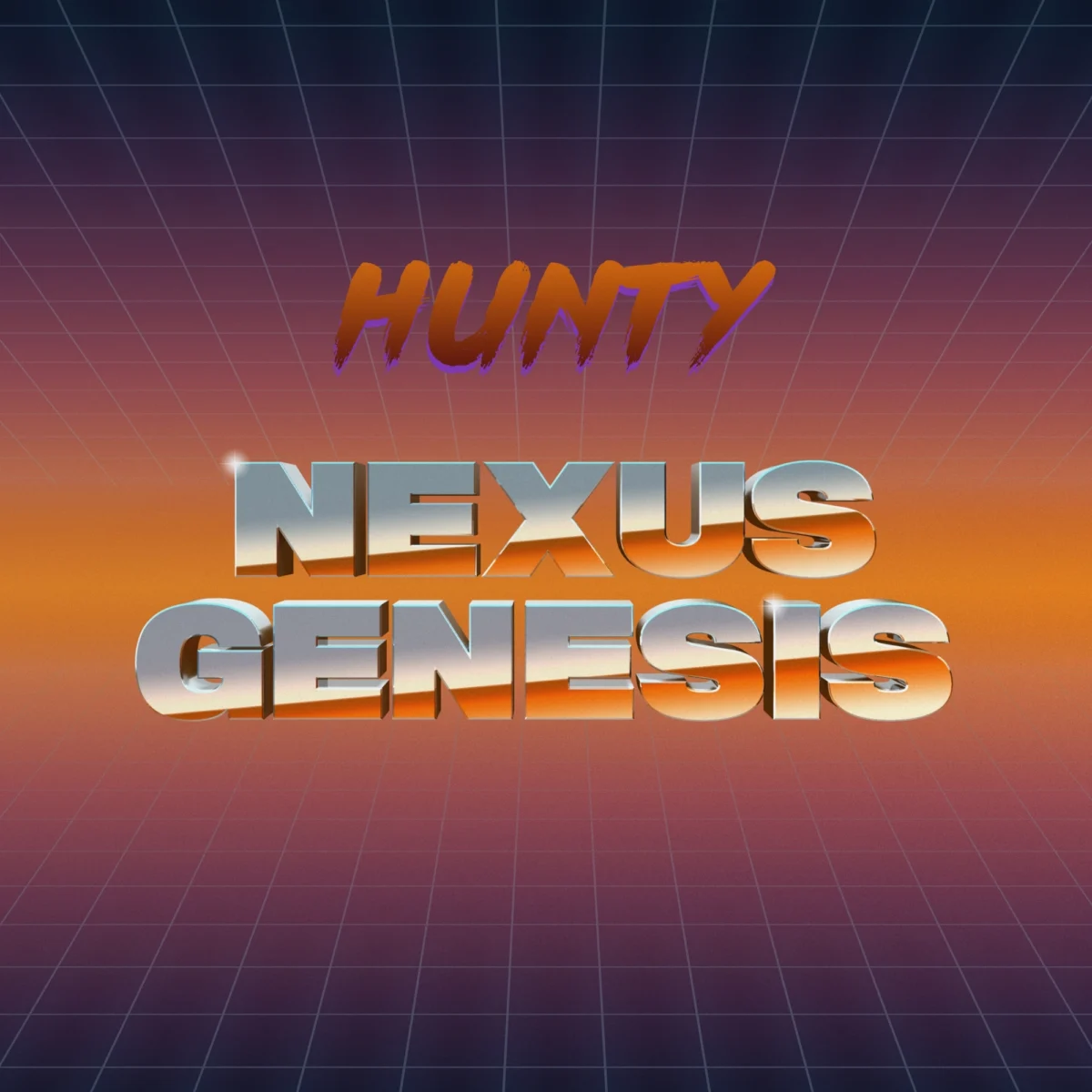
The independent record label Ubiktune has officially announced the release of Nexus Genesis, the debut studio album from composer Hunter Bridges, professionally known as Hunty. This release marks a significant milestone in the history of the video game fan-development community, serving as the definitive auditory realization of a project that spanned nearly a decade. Nexus Genesis is not merely a collection of synthesized tracks; it is the official soundtrack for Sonic Nexus, a highly anticipated fan-made game that was ultimately discontinued following the professional recruitment of its lead developer by SEGA. By bridging the gap between amateur fan-work and professional production, Bridges has provided a concluding chapter to a narrative that began in the mid-2000s, offering a meticulously crafted homage to the 16-bit era of the Sega Genesis.
The Formative Influences of an Alabama Composer
The creative trajectory of Hunter Bridges was established early in his life in Alabama, where he was immersed in a domestic environment defined by musical exploration. His father was an active member of several bands, and their home served as a frequent rehearsal space. This proximity to professional-grade equipment allowed a young Bridges to experiment with various instruments during band intervals. While many children might have been drawn to the melodic potential of the guitar or keyboard, Bridges found himself captivated by the mechanical complexity of the drum set. This early fascination with percussion and rhythm would later become a hallmark of his compositional style, characterized by the driving, syncopated beats prevalent in high-speed platformer soundtracks.

Following his initial forays into percussion, Bridges’ parents facilitated his formal education in music, providing him with a "fun size" drum kit and enrolling him in lessons at the age of seven. However, his musical development was inextricably linked to the technological landscape of the 1990s. Growing up during the peak of the 8-bit and 16-bit console wars, Bridges was deeply influenced by the soundscapes of the Nintendo Entertainment System (NES), the Sega Genesis, and the Super Nintendo Entertainment System (SNES). He spent significant time utilizing "Sound Check" menus in games such as Super Mario Bros. 3, Street Fighter II, and Gauntlet IV, effectively using these tools as early primers for music theory and arrangement.
The most profound influence on Bridges’ artistic identity, however, was Sonic the Hedgehog 3. The soundtrack to this 1994 classic, known for its complex FM synthesis and urban-influenced rhythms, set the standard for what Bridges believed video game music could achieve. This admiration would eventually evolve into a lifelong pursuit of technical mastery over the hardware that defined the Sega Genesis sound.
The Digital Frontier: VGMusic and the SFGHQ Community
By the early 2000s, the rise of the internet provided a platform for amateur arrangers and developers to congregate. During his sixth-grade year, Bridges discovered VGMusic.com, a pivotal repository for MIDI transcriptions of video game themes. In an era characterized by dial-up connections and limited bandwidth, MIDI files were the primary medium for sharing musical ideas due to their small file sizes. Bridges began contributing his own transcriptions to the site, a process that required him to reverse-engineer complex compositions and understand the nuances of digital instrumentation.

His involvement deepened in approximately 2002 when he joined Sonic Fan Games HQ (SFGHQ). This community was a hub for aspiring developers, artists, and musicians dedicated to expanding the Sonic the Hedgehog universe. SFGHQ provided a collaborative environment where Bridges could hone his skills by contributing MIDI tracks to various amateur projects. This period served as a digital apprenticeship, allowing him to learn the fundamentals of game development and community-driven production while navigating the constraints of early web technology.
The Development and Evolution of Sonic Nexus
In the summer of 2006, the landscape of the fan-game community shifted with the announcement of Sonic Nexus. The project was led by Brad Flick, known online as Slingerland, and aimed to capture the authentic physics and aesthetic of the original Sega Genesis titles. Recognizing Bridges’ growing reputation as a capable composer, Flick invited him to join the Nexus Team. Unlike previous projects that relied on MIDI, Sonic Nexus intended to utilize full-resolution waveform audio, a transition made possible by the increasing prevalence of broadband internet.
Bridges initially utilized Fruity Loops 4 for his compositions before migrating to Cubase to achieve a higher level of production quality. The development of Sonic Nexus was characterized by an iterative process of refinement; as the game’s visuals and engine improved, so did the music. The project garnered critical acclaim within the community and was a standout feature at the Sonic Amateur Games Expo (SAGE). Tech blogs and enthusiasts praised the game for its "Pristine Palisade" level, which featured art by Hector Barreiro (Damizean) and Brad Flick, noting that the project felt less like a fan-game and more like a lost official sequel.

Technical Migration and the Influence of Christian Whitehead
By 2008, the Sonic Nexus team faced significant technical hurdles. The game was being built on the Sonic Worlds engine within Multimedia Fusion, a platform that presented limitations for the team’s ambitious goals. To resolve these issues, they sought to migrate the project to the "Retro Engine," a proprietary game engine developed by Christian Whitehead, also known as The Taxman. Whitehead had achieved legendary status in the community for reverse-engineering the original Sonic games to create an engine that allowed for pixel-perfect recreation of classic gameplay on modern hardware.
In 2010, in an effort to consolidate resources and talent, Sonic Nexus merged with Whitehead’s Retro Sonic and another project, Sonic XG. This merger promised to create the ultimate tribute to the 16-bit era. However, the trajectory of these projects changed permanently when Whitehead produced a proof-of-concept video showing Sonic CD running flawlessly on an iPhone using his Retro Engine. The video caught the attention of SEGA, leading the company to hire Whitehead to develop official mobile ports of Sonic CD, Sonic the Hedgehog, and Sonic the Hedgehog 2.
The professionalization of Whitehead’s work created a complex legal and ethical situation for the fan-game developers. To protect Whitehead’s burgeoning business relationship with SEGA and to respect the company’s intellectual property rights, the decision was made to cease development on Sonic Nexus. The project was effectively shelved, leaving years of creative work—including Flick’s graphics and Bridges’ music—unreleased to the general public.

The Road to Nexus Genesis: Mastery of FM Synthesis
The cancellation of Sonic Nexus left Hunter Bridges with a sense of unfinished business. While he had written a substantial volume of music for the game, he felt that his earlier work had not yet reached the level of authenticity he desired. He was particularly focused on mastering Frequency Modulation (FM) synthesis, the specific method of sound generation used by the Yamaha YM2612 chip found in the Sega Genesis.
During his senior year of college, Bridges dedicated himself to the study of FM synthesis. He found traditional trackers and modern digital audio workstations (DAWs) often fell short of replicating the gritty, punchy textures of the original hardware. In 2013, he released the Sonic 3 & Knuckles FM8 Patch Collection, a set of digital instruments designed for the FM8 software synthesizer that allowed producers to accurately recreate the sounds of the 1994 classic. This technical deep-dive provided Bridges with the tools necessary to revisit his Sonic Nexus compositions with a professional ear.
Nexus Genesis is the culmination of this nine-year journey. Bridges has re-recorded and refined his original themes, ensuring they adhere to the "spirit" of the Sega Genesis while benefiting from modern production standards. The album features cover art by Daniel Warner Smith and stands as a "love letter" to the original composers of the Sonic series and a tribute to the collaborative efforts of Brad Flick and Christian Whitehead.

Analysis of Implications: Fan Creators and the Industry
The release of Nexus Genesis highlights a broader trend within the video game industry regarding the relationship between fan creators and corporate entities. While some companies have historically taken a litigious approach to fan-made content, the case of Sonic Nexus and Christian Whitehead demonstrates a more collaborative potential. SEGA’s decision to hire Whitehead rather than issue a cease-and-desist order is often cited as a landmark moment that validated the skills of the fan-development community.
Furthermore, the release of this album via Ubiktune underscores the growing market for "chiptune" and retro-inspired music. Labels like Ubiktune provide a professional platform for artists who specialize in hardware-limited synthesis, treating game-inspired compositions as a legitimate genre of contemporary electronic music. For Bridges, the album represents a transition from an amateur enthusiast to a professional artist capable of navigating the complexities of music theory, sound design, and project management.
Chronology of Events
- 1990s: Hunter Bridges is influenced by Sega Genesis and SNES soundtracks in Alabama.
- 2002: Bridges joins the SFGHQ community and begins contributing MIDI tracks to fan projects.
- Summer 2006: Development of Sonic Nexus begins under the leadership of Brad Flick.
- 2008: The Nexus team begins migrating the project to Christian Whitehead’s Retro Engine.
- 2010: Sonic Nexus merges with Retro Sonic and Sonic XG; Whitehead is subsequently hired by SEGA, leading to the cancellation of the fan projects.
- 2013: Bridges releases the Sonic 3 & Knuckles FM8 Patch Collection.
- August 16, 2015: Ubiktune officially releases Nexus Genesis, the completed soundtrack of the cancelled Sonic Nexus project.
Nexus Genesis serves as a historical record of a specific era in internet culture, capturing the ambition of a team of volunteers who sought to honor their childhood inspirations. For Hunter Bridges, the album is the fulfillment of a decade-old promise to himself and his peers, ensuring that the musical legacy of Sonic Nexus is preserved for audiences beyond the niche confines of the fan-game community.