
 Farhan hamdan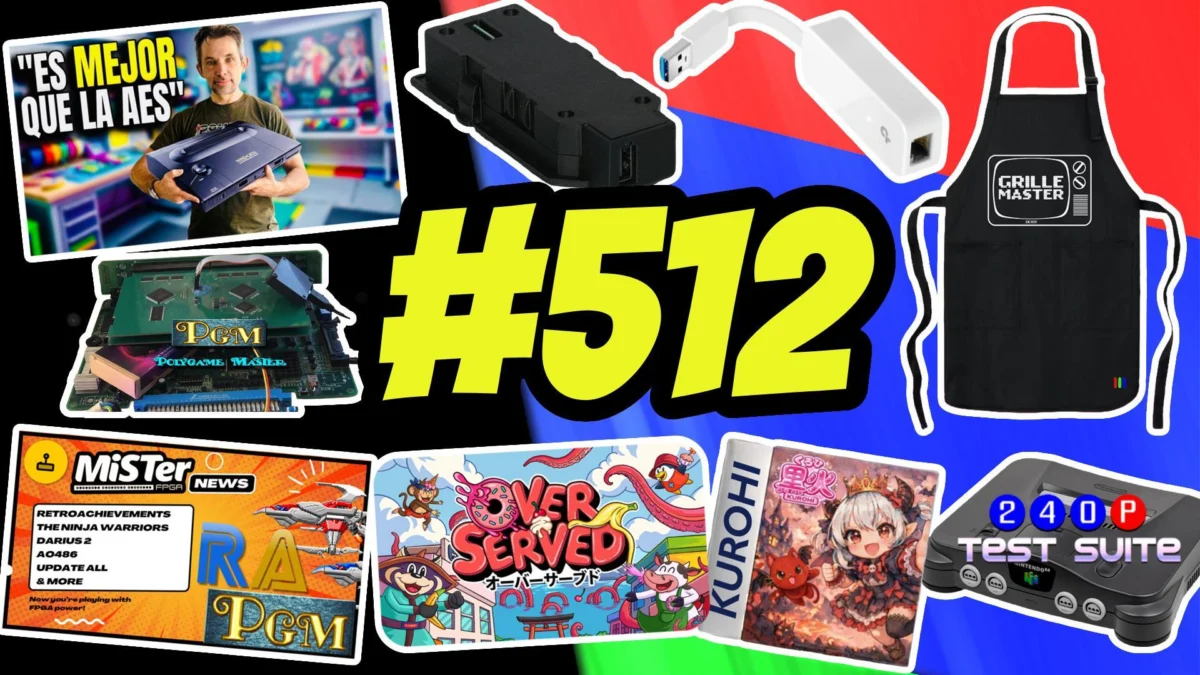
The retro gaming community is buzzing with significant advancements across hardware, software, and preservation efforts, as highlighted in the latest weekly roundup for May 6th, 2026. This edition showcases a diverse array of projects, from highly anticipated FPGA core enhancements and crucial diagnostic tools to innovative hardware adaptations and a surge of new game releases for classic consoles, underscoring the vibrant and ever-evolving landscape of digital heritage preservation and enthusiast innovation. The continued dedication of developers, modders, and community contributors is clearly evident, pushing the boundaries of what is possible in reliving and enhancing gaming history.
FPGA Emulation Reaches New Heights: Jotego Confirms Advanced Neo Geo AES Features
One of the most anticipated announcements comes from prominent MiSTer FPGA core developer Jotego, who has confirmed the integration of advanced AES+ features for the Neo Geo AES core. This development represents a significant leap forward for enthusiasts seeking unparalleled accuracy and expanded functionality for the legendary SNK console on the MiSTer platform. The Neo Geo AES, known for its exorbitant cost and arcade-perfect home conversions, holds a hallowed place in gaming history. Originally released in 1990, the Advanced Entertainment System (AES) was a direct port of SNK’s MVS arcade system, allowing consumers to experience arcade titles in their homes without compromise, albeit at a premium price point.
Jotego’s work on the MiSTer FPGA aims to replicate the original hardware’s behavior with meticulous precision. The "AES+" designation typically implies not just faithful replication but also the potential for quality-of-life improvements or additional features that enhance the user experience beyond what the original hardware offered, without compromising authenticity. This could include aspects like improved audio fidelity, reduced input latency, or enhanced display options, all while maintaining the core functionality that made the Neo Geo a powerhouse. The confirmation of these features is a testament to the continuous drive within the MiSTer community to refine and perfect FPGA implementations, ensuring that iconic systems like the Neo Geo AES are preserved and enjoyed with the highest possible fidelity for generations to come. Developers like Jotego are widely lauded for their deep technical expertise and commitment to open-source development, allowing for collaborative improvements and community-driven verification of core accuracy.
N64 240p Test Suite Released for NTSC Systems
A crucial new tool has emerged for Nintendo 64 enthusiasts and video modders: a dedicated 240p Test Suite for NTSC systems. This release is a significant asset for anyone looking to optimize their N64’s video output, particularly when connecting to modern displays via upscalers or directly to CRT televisions. The NTSC (National Television System Committee) standard was prevalent in North America and Japan, delivering a 480i interlaced signal for most N64 games. However, many classic consoles natively output 240p, a progressive scan signal that is often misinterpreted by modern displays, leading to deinterlacing artifacts, input lag, and a generally softer image.
The 240p Test Suite, a concept popularized by platforms like the Sega Genesis and Super Nintendo, provides a comprehensive set of patterns and diagnostics to accurately assess and calibrate video output. For the N64, which often presented unique challenges due to its complex video scaler and varying output resolutions, this suite is invaluable. Users can now precisely test aspects such as color reproduction, geometry, overscan, pixel aspect ratios, and sync timing. This allows for meticulous adjustment of capture cards, external scalers (like the OSSC or RetroTINK), and even internal console mods, ensuring that the N64’s visuals are presented as intended, or even enhanced, without the common pitfalls of modern display incompatibility. The development of such a tool underscores the community’s commitment to achieving pixel-perfect output and preserving the visual integrity of beloved retro titles. Its release is anticipated to standardize troubleshooting and optimization processes for N64 video setups, saving enthusiasts countless hours of trial and error.
Progress Continues on PolyGame Master (PGM) ROM Cart
Enthusiasts of the relatively niche but highly regarded IGS PolyGame Master (PGM) arcade system have received an encouraging update on the development of a dedicated ROM cart. The PGM system, primarily known for its vibrant 2D fighting games and shoot ’em ups like Oriental Legend and Knights of Valour, gained a loyal following in the early 2000s, particularly in Asian markets. Its modular design, utilizing game ROMs on cartridges, made it somewhat accessible, but obtaining and preserving its extensive library has been a challenge due to hardware scarcity and the ephemeral nature of arcade boards.
A ROM cart for the PGM system would dramatically improve accessibility and preservation efforts. Such a device typically allows users to load game ROMs from an SD card or similar storage medium, effectively transforming a single PGM motherboard into a multi-game platform. The ongoing progress indicates that developers are overcoming significant technical hurdles related to hardware compatibility, memory mapping, and ensuring stable performance across the diverse PGM game library. This initiative is crucial for game preservation, as it makes these titles more readily available to a broader audience, fostering renewed interest and ensuring that the unique contributions of the PGM system to arcade gaming history are not lost. The community’s response has been overwhelmingly positive, recognizing the dedication required to develop such specialized hardware for a less mainstream, but deeply cherished, arcade platform.
5X-Y-Z SCART Adapter Design Open Sourced
In a move set to empower hardware enthusiasts and DIY modders, the design for the 5X-Y-Z SCART adapter has been officially open-sourced. This decision marks a significant milestone in the retro gaming hardware community, promoting greater accessibility and fostering innovation. SCART (Syndicat des Constructeurs d’Appareils Radiorécepteurs et Téléviseurs) is a 21-pin connector standard widely used in Europe for connecting video equipment, revered by retro gamers for its ability to carry high-quality RGB (Red, Green, Blue) video signals, which offer superior clarity and color accuracy compared to composite or S-Video.
The "5X-Y-Z" designation typically refers to an advanced SCART adapter that can handle various signal types (e.g., RGB, YPbPr component, S-Video) and potentially offer signal processing capabilities or multiple inputs/outputs. Open-sourcing the design means that schematics, board layouts, and potentially firmware are made publicly available, allowing anyone with the necessary technical skills to build, modify, or even improve upon the original design. This approach aligns perfectly with the collaborative spirit of the retro gaming community, where knowledge sharing and mutual support are paramount. The implications are far-reaching: it democratizes access to high-quality video solutions, reduces reliance on commercial manufacturers, encourages educational opportunities for aspiring engineers, and ensures the long-term availability and adaptability of such crucial components for retro setups. This move is expected to inspire a new wave of custom-built adapters and innovative modifications, further solidifying SCART’s place as a cornerstone of premium retro video connectivity.
Affordable Magnetically Shielded Speakers from Cyber Acoustics
Addressing a common, yet often overlooked, challenge for retro gaming setups involving CRT (Cathode Ray Tube) displays, a new recommendation highlights cheap, magnetically shielded speakers from Cyber Acoustics. CRT televisions and monitors, beloved for their native display of 240p signals and zero input lag, are susceptible to magnetic interference from unshielded speakers. This interference manifests as noticeable color distortions, wavy lines, or discoloration on the screen, particularly at the edges or corners where the speaker’s magnetic fields interact with the CRT’s electron beam.

Magnetically shielded speakers are designed with internal shielding to contain their magnetic fields, preventing them from affecting nearby electronic devices. The availability of affordable options from brands like Cyber Acoustics is a welcome development for enthusiasts who prioritize both visual fidelity on CRTs and clear audio without breaking the bank. Historically, finding quality shielded speakers has either meant paying a premium or settling for suboptimal audio. This particular recommendation suggests that a balance can be struck, offering a practical and cost-effective solution for creating an optimal retro gaming environment. The implications are significant for casual and dedicated retro gamers alike, allowing them to enjoy their classic consoles on authentic displays without visual compromise due to speaker placement, enhancing the immersive experience without requiring extensive hardware knowledge or significant investment.
USB GameCube Adapter with Ethernet Support: The USB Dolphin
A groundbreaking new peripheral, the USB Dolphin adapter, has been unveiled, bringing modern Ethernet connectivity to the Nintendo GameCube. This adapter allows GameCube owners to utilize USB controllers and, more notably, integrate Ethernet support, significantly enhancing the console’s capabilities for online play and data transfer. The original GameCube offered limited online functionality through its official Broadband Adapter (BBA) and Modem Adapter, which are now scarce and expensive. The USB Dolphin seeks to revitalize and expand upon this legacy by leveraging modern USB standards.
The adapter’s primary function is to provide a robust solution for connecting a wide range of USB controllers, offering more flexibility and potentially lower latency than traditional GameCube controller ports, especially for competitive play. However, the inclusion of Ethernet support is particularly transformative. It allows GameCube systems to connect to modern networks, potentially enabling revived online multiplayer for classic titles that once supported it, or facilitating new homebrew applications that require network access. This is achieved by converting USB-to-Ethernet signals into a format compatible with the GameCube’s internal architecture, bypassing the need for the rare original BBA. This innovation opens doors for community-driven initiatives to restore online servers for games like Phantasy Star Online or Mario Kart: Double Dash!!, and offers exciting prospects for homebrew developers to create new online experiences or streamline data management for the console. The development of a compatible Ethernet adapter specifically designed to work seamlessly with the USB Dolphin further solidifies this ecosystem, providing a complete and robust solution for modernizing the GameCube’s connectivity options.
Luâ’s MiSTer FPGA Updates: RetroAchievements, PGM Core, and Darius 2
The MiSTer FPGA platform continues its rapid evolution, with developer Luâ delivering a fresh wave of updates that significantly expand its capabilities and game library. These updates touch upon several key areas, including integration with RetroAchievements, advancements in the PolyGame Master (PGM) core, and the addition of the classic shooter Darius 2. Luâ is a highly respected figure in the MiSTer community, known for consistent contributions and meticulous attention to detail in core development.
The integration of RetroAchievements is a major enhancement, allowing MiSTer users to unlock achievements and track their progress in a vast library of retro games, adding a modern meta-gaming layer to classic titles. This feature not only provides a new incentive for players to revisit old favorites but also fosters a global community of achievement hunters. The ongoing work on the PGM core, mentioned in conjunction with the dedicated ROM cart update, signifies a concerted effort within the MiSTer ecosystem to bring this arcade platform to a broader audience. As MiSTer cores often aim for cycle-accurate emulation, this PGM core promises a highly authentic experience. Furthermore, the addition of the Darius 2 core expands MiSTer’s impressive arcade library. Darius 2, known for its unique multi-screen setup and iconic aquatic-themed bosses, is a challenging horizontal shooter that will now be accessible with FPGA accuracy, offering an experience as close to the original arcade cabinet as possible. These updates collectively underscore the MiSTer FPGA’s position as a premier platform for retro gaming, continually growing its library and feature set through dedicated community efforts.
New Game Releases for Classic Consoles: Neo Geo, Saturn, Dreamcast, and Game Boy Color
The retro gaming scene is not solely focused on preservation and hardware enhancements; it’s also a thriving hub for new game development on classic platforms. This week sees the announcement of several exciting new titles, demonstrating the enduring creative potential and commercial viability of these beloved consoles.
Overserved: Food Fighters is now available for pre-order on both the Neo Geo AES and Sega Saturn. This signifies a notable achievement, as developing for these platforms, especially the Neo Geo with its powerful but complex architecture, requires specialized skills and significant investment. The game’s title suggests a fast-paced, perhaps humorous, combat experience, tapping into the strengths of these 2D-focused systems. The Neo Geo AES, despite its age, still commands a premium for new releases due to its dedicated collector base and the high quality expected from its library. The Sega Saturn, with its unique dual-CPU architecture, also presents a development challenge but rewards players with distinct visual and gameplay styles. The release of Overserved: Food Fighters on both platforms caters to a diverse group of collectors and players, proving that the market for new games on legacy systems remains robust.
In related news, Project Neon has been announced for the Sega Dreamcast and Sega Saturn. While details are still emerging, the mention of both systems suggests a multi-platform release that aims to capture the essence of late 90s/early 2000s console gaming. The Dreamcast, known for its innovative online capabilities and forward-thinking design, continues to inspire developers, while the Saturn’s unique 2D prowess remains a draw. New releases for these systems often garner significant attention from collectors and fans eager to expand their console libraries with fresh experiences.
Finally, the Game Boy Color (GBC) is also receiving a new title, KUROHI, developed by Sergio Elisondo. The GBC, celebrated for its vibrant color palette and extensive library of portable classics, continues to attract indie developers who appreciate its limitations and potential for creative pixel art and engaging gameplay. KUROHI represents a continuation of the GBC’s legacy, offering a new adventure for fans of the handheld system. The development of new games for platforms like the GBC is a testament to the passion of independent creators and the enduring appeal of retro aesthetics and gameplay mechanics. These new releases collectively highlight a vibrant segment of the retro gaming community dedicated not just to looking back, but to actively contributing to the future of classic console gaming.
Supporting the Future of Retro Gaming
The continuous stream of innovations, from complex FPGA core development and crucial diagnostic tools to sophisticated hardware adaptations and brand-new game releases for vintage consoles, relies heavily on community support. Projects like those featured in this roundup often originate from independent developers and small teams driven by passion rather than large commercial backing. Financial contributions through monthly support services, one-time tips, or even utilizing affiliate links to purchase related equipment directly fund research, development, and the significant time investment required to bring these advancements to fruition. Platforms like Patreon, exemplified by Bob’s Patreon page, serve as vital conduits for this support, enabling creators to dedicate themselves to projects that might otherwise never see the light of day. This collaborative model, where enthusiasts directly empower creators, is fundamental to the sustained growth and ongoing vibrancy of the retro gaming ecosystem, ensuring that the legacy of classic gaming is not only preserved but continuously enriched and expanded upon for future generations.








