Chalid Lutfie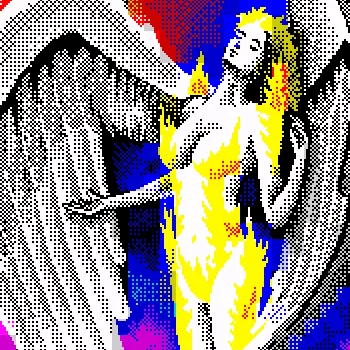
The release of Still Flying by the acclaimed chiptune composer C-Jeff represents a significant archival and artistic moment for the global demoscene and retro-computing communities. Originally composed in 2002, the album serves as a definitive exploration of the technical and emotive capabilities of the ZX Spectrum, a 8-bit home computer that became a cornerstone of European computing culture in the 1980s and 1990s. Still Flying is not merely a collection of tracks but is framed by the artist as a series of "lyric music novels," a tagline that suggests a narrative depth and structural complexity rarely seen in the early tracker music of the era. By utilizing real hardware and period-accurate software, C-Jeff, also known as Dmitry Zhemkov, solidified his position as a leading figure in the evolution of the AY-3-8910 sound chip’s aesthetic.
Technical Architecture and Compositional Framework
The production of Still Flying was characterized by its strict adherence to the hardware constraints of the ZX Spectrum. Unlike modern chiptune production, which often utilizes digital audio workstations (DAWs) and software emulations, C-Jeff composed the entirety of the album using Pro Tracker 3. This music editor was a staple of the ZX Spectrum demoscene, allowing composers to manipulate the AY-3-8912 programmable sound generator (PSG). The PSG provides three channels of square-wave synthesis and a single white-noise generator, forcing the composer to employ sophisticated techniques such as rapid arpeggios, pulse-width modulation simulations, and intricate envelope manipulation to create the illusion of a full orchestral or electronic ensemble.
The choice of "lyric music novels" as a subtitle reflects a shift in the chiptune philosophy of the early 2000s. While much of the tracker music produced for demoparties focused on high-energy, technical demonstrations of speed and complexity, Still Flying emphasized melodic progression and atmospheric storytelling. The album’s mastering was handled by MmcM (Sergey Reshetnikov), another titan of the ZX Spectrum music scene, whose involvement ensured that the frequency response and dynamic range of the 8-bit compositions were optimized for both original hardware and modern playback systems.
Chronology of Development and Release
The timeline of Still Flying spans a pivotal period in the post-Soviet demoscene, moving from individual competitive entries to a cohesive multimedia package. The primary composition phase occurred throughout 2002, a year during which C-Jeff was actively participating in international demoparties—events where computer programmers, artists, and musicians compete to push hardware to its absolute limits.
In mid-2002, the track "My Mind is Free" was submitted to the CAFe 2002 demoparty. Due to a self-acknowledged limited proficiency in English at the time, the track was originally titled "My mind free." Despite the linguistic error, the composition resonated with the audience and judges, securing 13th place in the ZX Spectrum AY Music competition. Following the event, C-Jeff integrated the track into the developing album, viewing it as a core component of the "Still Flying" narrative.
Later that same year, the track "Lonely Soul" was composed. Although it was not part of the initial album tracklist, its stylistic alignment with the "Still Flying" project was undeniable. "Lonely Soul" was entered into the Paradox 2002 demoparty, where it achieved a prestigious 2nd place in the ZX Spectrum AY Music category. This success bolstered the album’s reputation before its full completion, establishing C-Jeff as a top-tier tracker musician within the competitive circuit.
The transition from a collection of music files to a formal "musicdisk" occurred approximately 18 months after the initial compositions were finalized. In 2004, the album was released as an executable software package for the ZX Spectrum. This release was a collaborative effort involving several prominent figures in the scene:
- Vortex: Responsible for the software coding of the musicdisk interface.
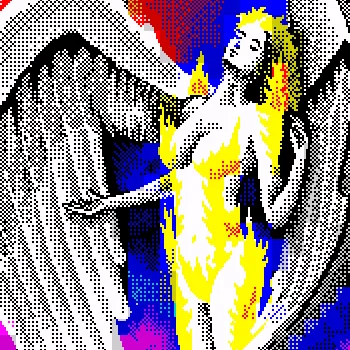
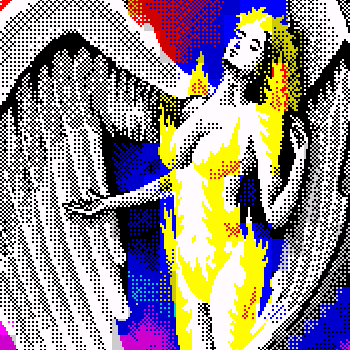
- Schafft: Provided the visual artwork and graphics, ensuring the aesthetic of the software matched the "lyric music novel" theme.
- Poisoned CyberJack: Handled the data packing and compression, a critical task for ensuring the entire project could fit within the limited memory constraints of the ZX Spectrum (typically 128KB for these types of productions).
Competitive Performance and Supporting Data
The success of Still Flying can be measured through its performance in the highly scrutinized demoparty competitions of 2002. These events were the primary proving grounds for digital artists before the ubiquity of high-speed internet and social media.
| Track Title | Event | Category | Result |
|---|---|---|---|
| My Mind is Free | CAFe 2002 | ZX Spectrum AY Music | 13th Place |
| Lonely Soul | Paradox 2002 | ZX Spectrum AY Music | 2nd Place |
The Paradox 2002 result, in particular, is noted by historians of the demoscene as a high point for C-Jeff. The 2nd place finish at Paradox—a major event in the scene’s calendar—demonstrated that the melodic and "novel-like" approach of Still Flying had significant competitive viability against more traditional, high-tempo tracker compositions. Data from the Demozoo and Pouet archives indicate that the executable version of the musicdisk remains a highly-regarded "prod" (production) within the community, cited for its clean interface and cohesive artistic direction.
Collaborative Influence and Official Roles
The production credits for Still Flying read as a "who’s who" of the early 21st-century ZX Spectrum community. C-Jeff acted as both the primary composer and the producer, overseeing the thematic consistency of the project. The involvement of Schafft in the artwork was crucial, as the visual component of a musicdisk is what elevates it from a directory of files to a curated experience.
MmcM’s role in mastering is particularly noteworthy. In the world of 8-bit music, mastering involves balancing the harshness of the square waves and ensuring that the internal volume levels of the tracker software do not cause clipping when played back on real hardware. MmcM’s expertise allowed Still Flying to maintain a "warm" sound profile, which complemented the lyrical and melancholic themes of the tracks.
While official statements from the 2002 period are largely confined to readme files and BBS (Bulletin Board System) posts, the retrospective consensus among related parties is one of reverence for the album’s longevity. On platforms like Bandcamp, where the album was later made available for digital download and streaming, C-Jeff has maintained the original 2002 copyright, signaling the album’s status as a protected historical work rather than a modern remix.
Broader Impact and Implications for the Chiptune Genre
Still Flying arrived at a crossroads for the chiptune genre. By 2002, the ZX Spectrum was long obsolete as a commercial gaming platform, but it was entering a second life as a dedicated musical instrument. C-Jeff’s work helped bridge the gap between the "hobbyist" tracker music of the 1990s and the "professional" chiptune movement of the 2010s.
The album’s influence is seen in several key areas:
- Genre Definition: By labeling the tracks as "music novels," C-Jeff encouraged a more sophisticated approach to structure in 8-bit music, moving away from repetitive loops toward linear, evolving compositions.
- Hardware Preservation: The insistence on using a "real ZX Spectrum" and Pro Tracker 3 contributed to the ongoing interest in maintaining original hardware. This helped fuel the current retro-computing boom, where original machines are prized for their unique sonic characteristics.
- Cross-Platform Migration: The eventual release of Still Flying on modern platforms like Bandcamp demonstrates the transition of demoscene art from ephemeral software to permanent digital assets. It allows new generations of listeners, who may have never seen a ZX Spectrum, to appreciate the technical mastery required to create complex music within such narrow constraints.
The legacy of Still Flying is also found in its role as a precursor to C-Jeff’s later, even more ambitious works. The techniques honed on the AY chip in 2002 laid the groundwork for his future explorations in progressive rock and chiptune fusion. For the demoscene, the album remains a primary example of how technical limitations do not hinder artistic expression but rather act as a catalyst for innovation.
Conclusion and Historical Significance
Still Flying stands as a testament to a specific era of digital creativity. It captures a moment when the limitations of 1980s technology were being met with the burgeoning musical ambitions of the 21st century. Through its competitive success at CAFe and Paradox, its collaborative production involving Vortex and MmcM, and its enduring presence in digital archives, the album remains a cornerstone of the chiptune canon. As the demoscene continues to evolve, works like Still Flying provide a necessary blueprint for how to honor the past while pushing the boundaries of what is possible with a handful of bits and a creative vision.