Farhan hamdan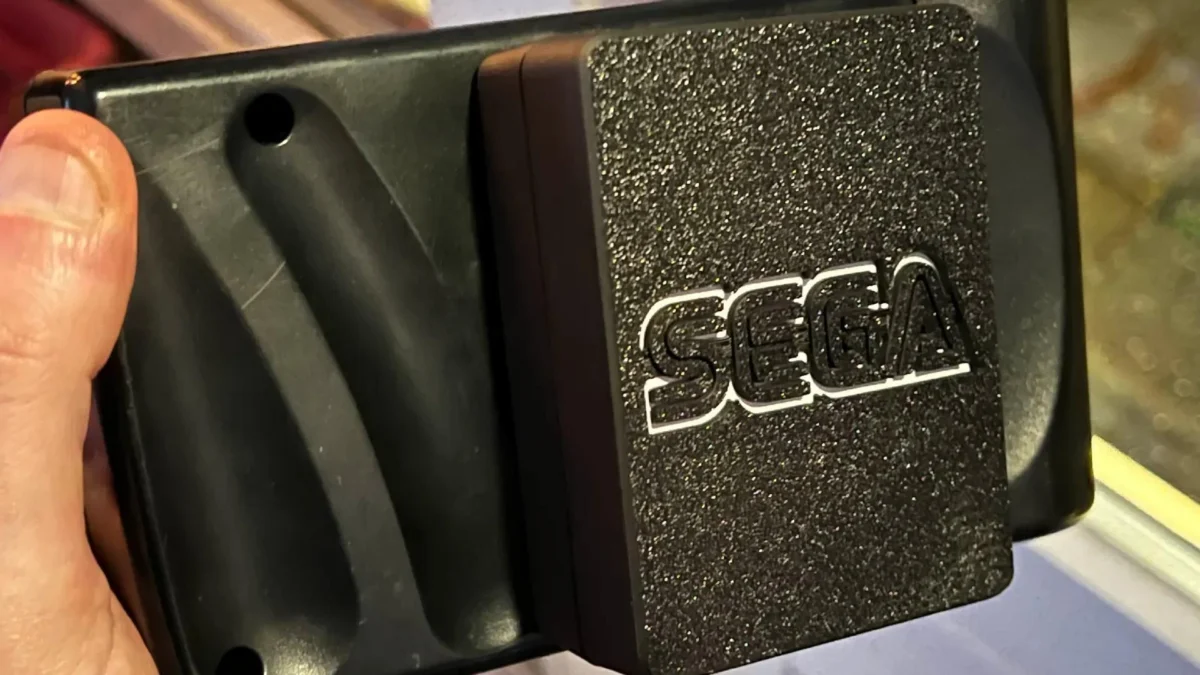
Dennis van den Broek, known within the retro gaming community as Pointer Function, has officially released an innovative open-source battery pack solution for the iconic Sega Nomad portable console. Distributed under the permissive Creative Commons 4.0 License, this new hardware initiative provides a contemporary and sustainable method to power the classic handheld, addressing one of its most persistent historical drawbacks. The design leverages readily available rechargeable 18650 lithium-ion batteries and integrates modern USB-C charging capabilities, offering a significant upgrade for enthusiasts seeking to untether their Nomads from wall outlets.
The newly unveiled battery pack features multiple configurations to suit varying user preferences and technical setups. Enthusiasts can choose between versions equipped with or without an integrated power switch, as well as options designed to draw power either directly via the Nomad’s rear expansion connections or through an external cable. This flexibility caters to a broad spectrum of users, from those seeking a clean, integrated look to those who prefer external power management. Full build instructions, component lists, and necessary files are hosted on the Printables.com platform, making the project accessible to anyone with basic soldering skills and access to a 3D printer.
The Sega Nomad’s Enduring Legacy and Its Power Predicament
The Sega Nomad, launched in North America in October 1995, represented an ambitious attempt by Sega to bring its popular 16-bit Genesis (Mega Drive) console experience into a portable format. Priced at approximately $180 upon release, it was a technological marvel for its time, capable of playing almost the entire Genesis cartridge library on a vibrant 3.25-inch backlit LCD screen. However, despite its innovative concept and impressive capabilities, the Nomad faced significant commercial hurdles, chief among them its exorbitant power consumption.
The original design required six AA batteries, which, even with premium alkaline cells, typically provided a meager two to three hours of gameplay. This severe limitation severely hampered its utility as a truly portable device, often relegating it to use with an AC adapter. This issue, coupled with its relatively high price and competition from more battery-efficient handhelds like Nintendo’s Game Boy, contributed to its limited sales and eventual discontinuation. Despite its commercial struggles, the Nomad has cultivated a dedicated cult following in the decades since its release. Retro gaming enthusiasts cherish its ability to play authentic Genesis cartridges on the go, often undertaking extensive modifications to enhance its display, audio, and, most critically, its power efficiency.
A Chronology of Community-Driven Power Solutions
The quest to extend the Sega Nomad’s battery life is as old as the console itself. Early attempts by dedicated modders often involved bulky external battery packs, custom-wired solutions using various rechargeable battery chemistries (such as NiMH or lead-acid), or even repurposing camcorder batteries. These early efforts, while functional, were often cumbersome, aesthetically unrefined, and lacked standardized design.
The retro gaming modding scene experienced a significant boom in the late 2000s and 2010s, driven by advancements in miniaturized electronics, 3D printing technology, and the widespread availability of high-capacity lithium-ion cells. This era saw the emergence of more refined solutions. One notable commercial offering, Greg’s Nomad Pak, gained considerable traction. The latest iteration, the Nomad Pak MkII, released approximately two and a half years ago, provided a reliable, plug-and-play external battery solution. It offered a convenient option for users who preferred a pre-built, tested unit without the need for DIY assembly. The Nomad Pak MkII has been lauded for its robust performance and ease of use, serving as a benchmark for commercial Nomad power solutions.
Pointer Function’s new open-source project marks a pivotal evolution in this timeline. While commercial solutions like Greg’s Pak fulfill the demand for convenience, the open-source release taps into the growing maker culture within retro gaming. It democratizes the process, making advanced power solutions accessible to those willing to assemble their own, potentially at a lower cost and with greater customization options. This approach aligns with the broader open-source hardware movement, where community collaboration and knowledge sharing drive innovation.
Technical Innovation and Open-Source Philosophy
The core of Pointer Function’s design lies in its utilization of 18650 lithium-ion batteries. These cylindrical cells are ubiquitous in modern electronics, known for their high energy density, excellent cycle life, and relatively low cost. A typical high-quality 18650 cell can store between 2500mAh and 3500mAh of charge, significantly outperforming the original AA battery setup. The open-source design typically allows for multiple 18650 cells to be wired in series and/or parallel, depending on the desired voltage and capacity, thus providing extended playtime far exceeding the Nomad’s original capabilities.
The integration of USB-C for charging is another critical modern feature. USB-C has become the de facto standard for power delivery and data transfer across a vast array of devices, offering reversible connectors, faster charging speeds, and broader compatibility with existing chargers. This eliminates the need for proprietary charging cables or adapters, simplifying the user experience and reducing cable clutter for retro gamers who often manage numerous console-specific power supplies.

The project’s adherence to the Creative Commons Attribution 4.0 International (CC BY 4.0) License is fundamental to its open-source ethos. This license permits anyone to share, copy, and redistribute the material in any medium or format, and to adapt, remix, transform, and build upon the material for any purpose, even commercially. The only condition is that appropriate credit is given to the original creator. This fosters a vibrant ecosystem of collaboration, allowing community members to improve upon the design, troubleshoot issues, and even create derivative works, ensuring the project can evolve beyond its initial release. This collaborative model is a cornerstone of the modern maker movement, where shared knowledge accelerates innovation.
Supporting the Retro Gaming and Maker Ecosystems
The release of projects like Pointer Function’s battery pack underscores the robust health and continuous growth of the retro gaming market. While official support for consoles like the Sega Nomad ceased decades ago, the community’s passion has fueled a thriving ecosystem of modders, restorers, and accessory developers. Industry reports and market analyses consistently show a rising demand for vintage consoles and the means to keep them operational and modernized. The global retro gaming market size was valued at several billion dollars in recent years and is projected to continue expanding, driven by nostalgia, collectibility, and the desire to experience gaming history.
The open-source nature of this project also highlights the increasing influence of the DIY and maker cultures. With the accessibility of 3D printers and online resources, individuals are empowered to create, customize, and repair their own electronics. This movement not only offers cost-effective alternatives to commercial products but also promotes a deeper understanding of technology and encourages problem-solving skills. By providing detailed schematics and build guides, Pointer Function contributes directly to this knowledge-sharing paradigm, empowering individuals to take control of their hardware.
Statements, Reactions, and Broader Implications
While Dennis van den Broek has not issued a formal press statement beyond his project documentation, his actions speak volumes about his commitment to the retro gaming community. The decision to release the design as open source under a Creative Commons license is a clear indication of a desire to empower users and foster collaborative innovation rather than seeking exclusive commercial gain. The immediate reaction from social media platforms, dedicated retro gaming forums, and enthusiast blogs has been overwhelmingly positive, with users expressing excitement for a cost-effective, modern, and customizable power solution for their beloved Nomads. Many have already begun planning their builds, sharing component sourcing tips and discussing potential enhancements.
The implications of such open-source hardware releases extend beyond mere convenience. Firstly, they contribute to the longevity and preservation of gaming history. By providing modern power solutions, these projects ensure that vintage consoles remain playable and accessible for future generations, preventing them from becoming obsolete due to lack of compatible accessories. Secondly, they promote sustainability. The use of rechargeable 18650 batteries drastically reduces the environmental impact compared to disposable AA cells, aligning with global efforts to reduce electronic waste. Furthermore, the open-source, repairable nature of the design encourages a "right to repair" philosophy, enabling users to maintain and upgrade their devices rather than discarding them.
This initiative also sets a precedent and inspires further innovation within the retro modding community. The success of open-source projects often encourages other developers to share their creations, leading to a proliferation of user-driven hardware improvements for various classic consoles. This collaborative model has the potential to transform how retro hardware is maintained and evolved, shifting power from traditional manufacturers to a dynamic, engaged community.
Crucial Considerations: Battery Safety and Sourcing
Despite the numerous advantages, the use of 18650 batteries comes with critical safety considerations, a point explicitly highlighted by Dennis van den Broek himself. Counterfeit or low-quality 18650 cells are prevalent in the market, particularly from less reputable online vendors. These fake batteries often fail to meet their advertised capacity ratings and, more dangerously, can lack essential safety features such as overcharge, over-discharge, and short-circuit protection. Such deficiencies can lead to overheating, thermal runaway, and even fire or explosion.
To mitigate these risks, both Pointer Function and experienced modders strongly advise against purchasing 18650 batteries from unknown or overly cheap sources. A key indicator of a potentially fake battery is an advertised capacity exceeding 3500mAh, as commercially available, reputable cells rarely surpass this threshold without significant cost implications. Reputable brands like Panasonic, Samsung, LG, and Sony are recommended, and purchasing from established electronics distributors or specialized battery retailers is crucial. Furthermore, users should opt for "protected" 18650 cells, which include a small circuit board to prevent common electrical faults. While the open-source design provides the framework, individual users are responsible for sourcing quality components and exercising caution during assembly and use.
In conclusion, Pointer Function’s open-source battery pack for the Sega Nomad represents a significant leap forward in the ongoing effort to modernize and preserve classic gaming hardware. By combining the power of the open-source movement with practical, contemporary electronics, it offers retro gaming enthusiasts an empowering, sustainable, and cost-effective solution to a decades-old problem. This project not only enhances the playability of the Sega Nomad but also reinforces the vibrant, innovative spirit of the retro gaming and maker communities, ensuring that the legacy of these iconic consoles continues to thrive in the modern era.