Retno Hari Mulyono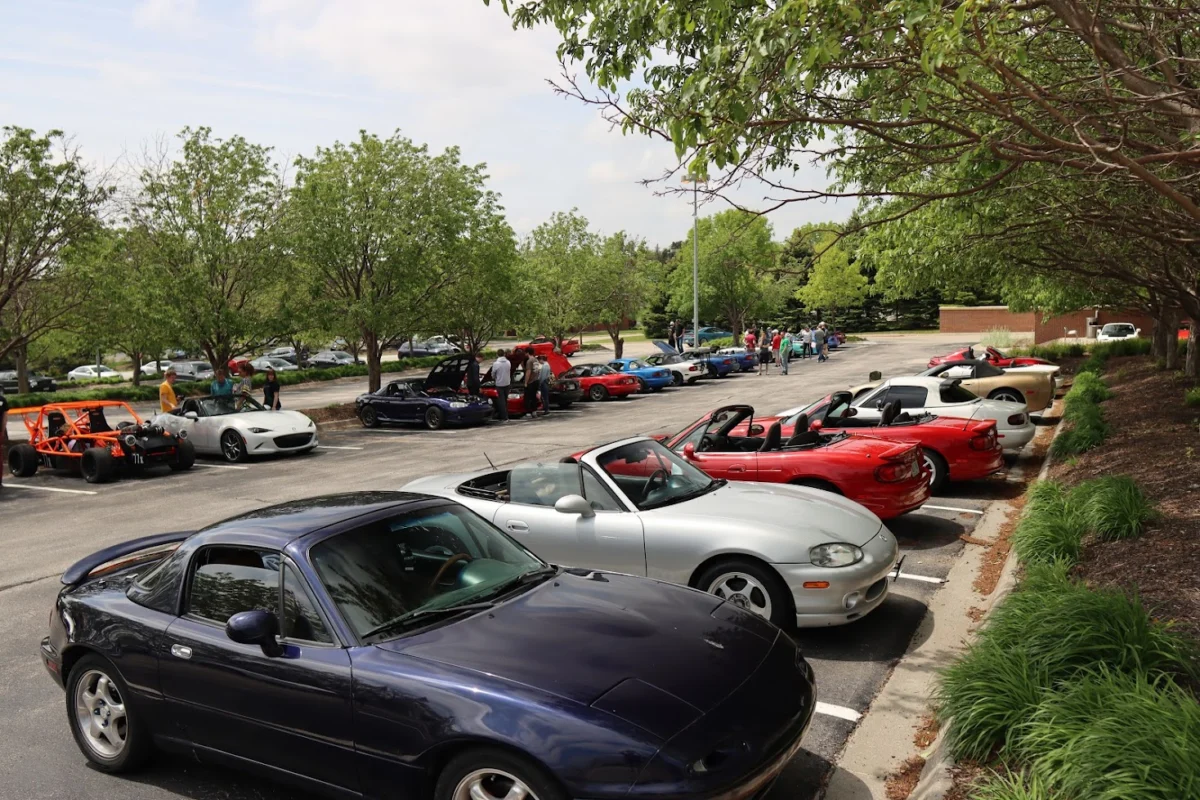
The automotive enthusiast community continues to see a sustained interest in the second-generation Mazda MX-5, commonly referred to as the NB Miata, as a primary platform for both daily driving and grassroots motorsports. This interest is driven by the vehicle’s lightweight chassis, rear-wheel-drive configuration, and the mechanical accessibility of its 1.8-liter BP4W engine. A comprehensive 12-month longitudinal study of a 2000 Mazda Miata ownership cycle, beginning in March 2021 and concluding in February 2022, provides a detailed look into the lifecycle of vehicle acquisition, preventative maintenance, performance modification, and competitive application in a midwestern United States climate.
Acquisition and Initial Technical Assessment
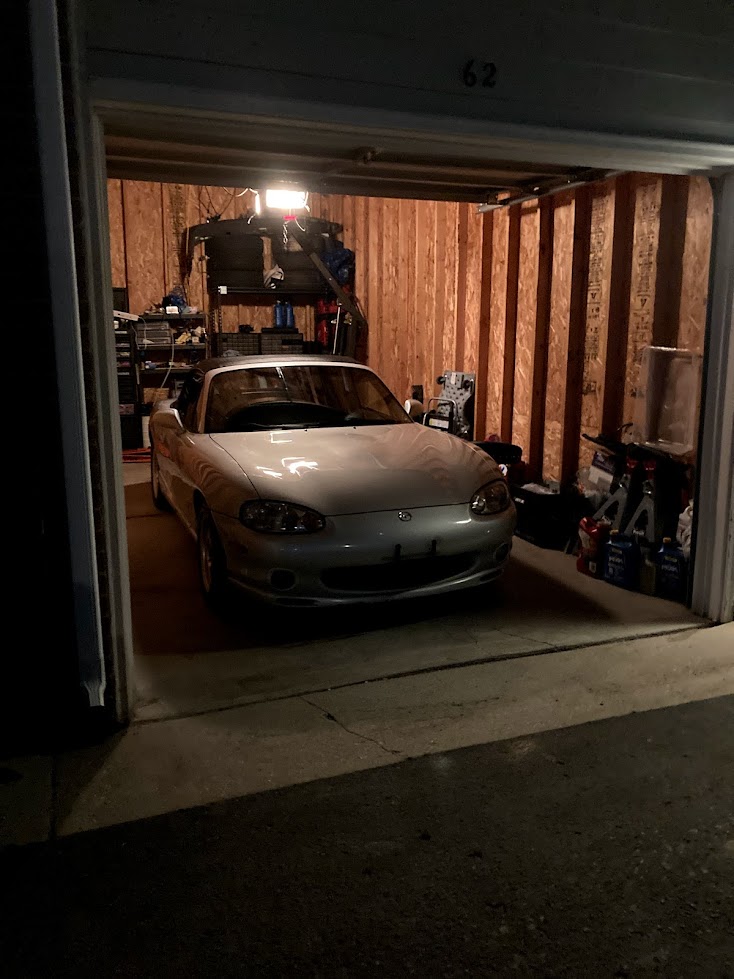
The ownership period commenced on March 19, 2021, with the purchase of a 2000 model year NB Miata. The second-generation MX-5, produced between 1998 and 2005, is often favored by enthusiasts for its structural rigidity and improved suspension geometry over the preceding NA generation, while maintaining a curb weight of approximately 2,300 pounds. Upon acquisition, the vehicle was noted for its "raw" driving characteristics, a hallmark of late-1990s sports cars that lack the intrusive electronic driver aids common in contemporary vehicles.
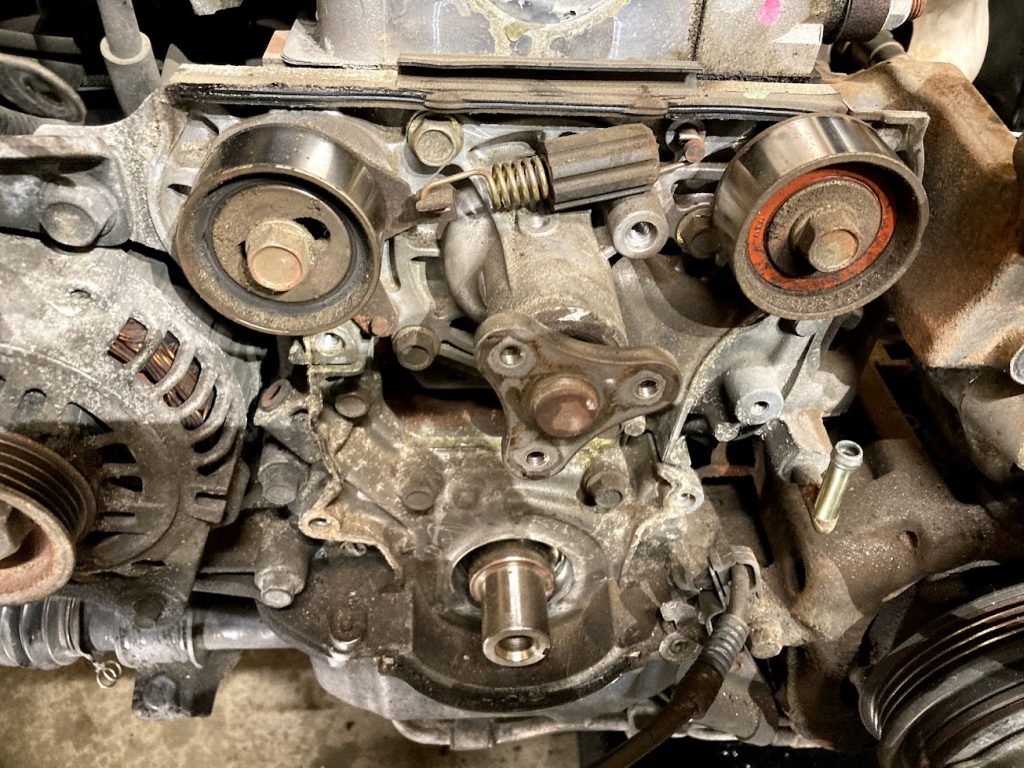
A critical first step in the ownership cycle involved a comprehensive mechanical audit. Because the vehicle lacked a verifiable maintenance history, the priority shifted to "baseline" maintenance to ensure long-term reliability. The BP4W engine is a non-interference design, meaning that a timing belt failure would not typically result in catastrophic valve-to-piston contact; however, to prevent roadside failures, a full timing belt and water pump service was performed in April 2021. This proactive approach is standard protocol in the enthusiast community to transition a high-mileage vehicle into a "known good" state before subjecting it to the stresses of high-performance driving.
Phase I: Community Integration and Exhaust Optimization
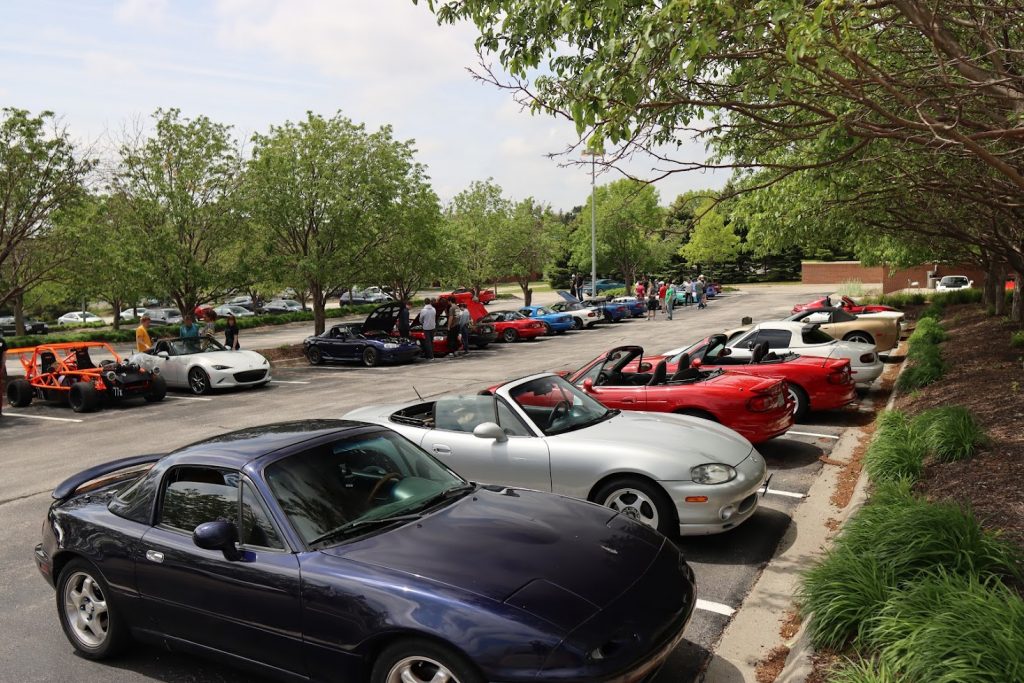
By May 2021, the vehicle served as a conduit for social and professional networking within the regional automotive community. Participation in local Miata-specific events revealed a diverse range of builds, from stock restorations to highly modified variants featuring forced induction (turbochargers and superchargers) and even V8 engine swaps. This community engagement serves as a vital knowledge exchange for owners regarding parts compatibility and regional tuning resources.
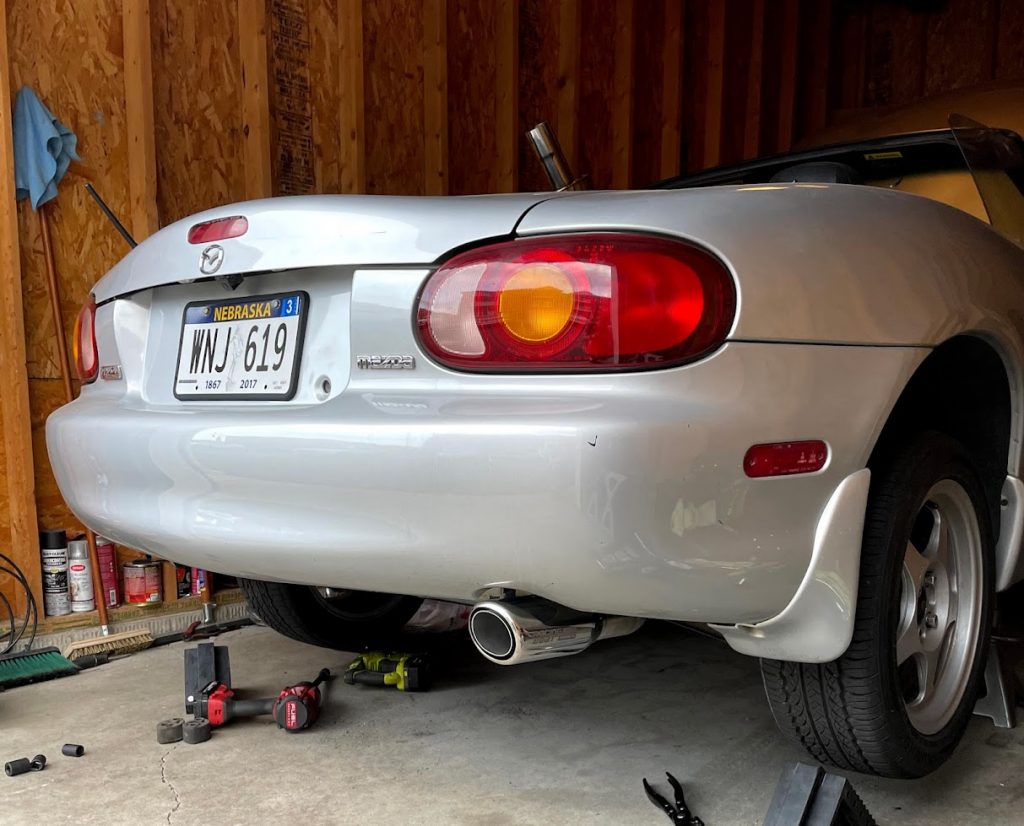
In June 2021, the focus shifted to the vehicle’s respiratory and acoustic performance. The owner addressed lingering diagnostic trouble codes (DTCs) related to the catalytic converter and mitigated issues with corroded hardware. The stock exhaust system was replaced with a tiered aftermarket setup consisting of a Raceland header, a Cobalt midpipe, and a Racing Beat Power Pulse muffler. This configuration was selected to achieve a balance between increased exhaust flow and manageable decibel levels. However, the installation process highlighted the complexities of aftermarket integration, as an un-reconnected Exhaust Gas Recirculation (EGR) pipe initially triggered additional engine fault codes, necessitating further technical calibration.
Phase II: Aesthetic Transformation and Aerodynamic Stability
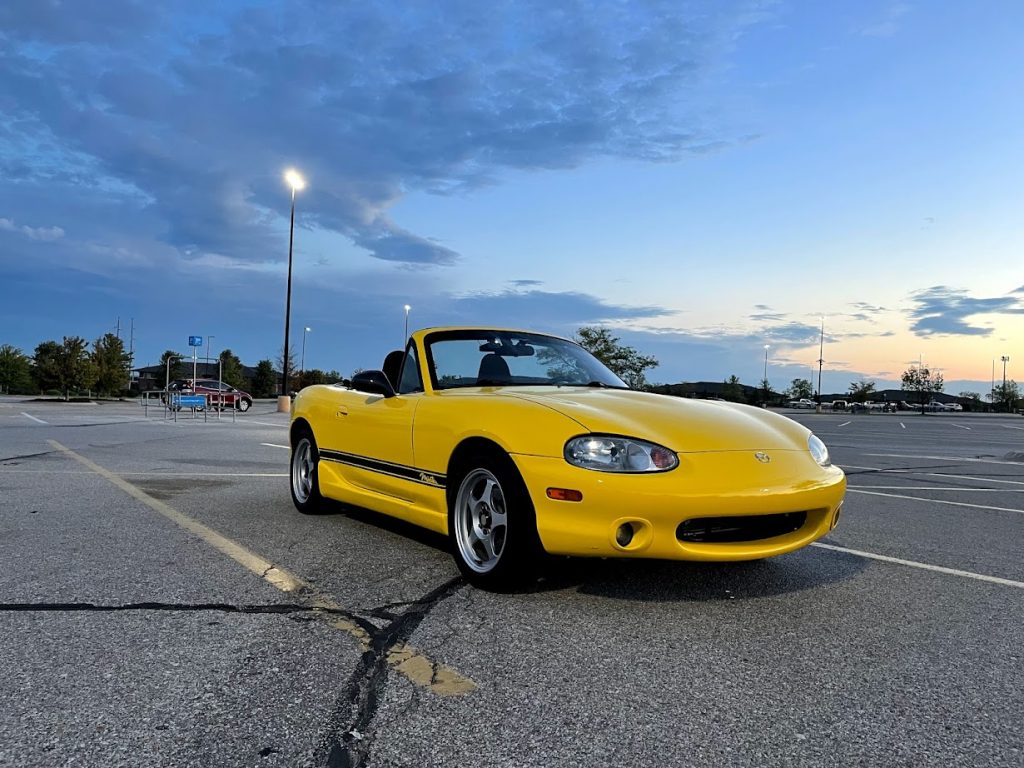
The mid-summer months of 2021 were dedicated to the vehicle’s external presentation and structural utility. In July, a damaged front fender was replaced with a component prepared via a "rattle can" paint method to provide a smooth substrate for future modifications. By August, the vehicle underwent a full aesthetic overhaul through the application of a yellow vinyl wrap. This modification serves a dual purpose: protecting the original silver paint from environmental degradation and enhancing the vehicle’s visibility on the road and track.
The introduction of a factory hardtop during this period significantly altered the vehicle’s profile. Beyond the aesthetic change, the hardtop increases the structural rigidity of the chassis and improves the aerodynamic drag coefficient, which is beneficial for both highway fuel efficiency and high-speed stability during competitive events.
Phase III: Competitive Application in Motorsports
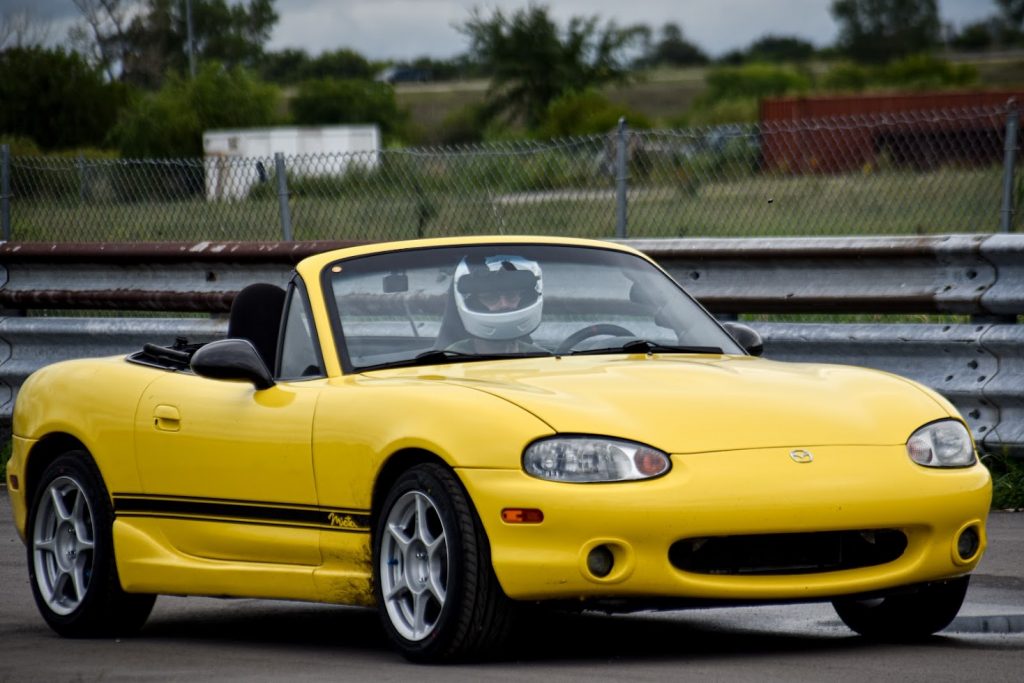
The transition from a street-tuned vehicle to a dual-purpose performance machine was solidified in late 2021 through participation in organized motorsports. In September, the vehicle was entered into a track day event at Raceway Park of the Midlands (RPM). Track days provide a controlled environment for testing the limits of the vehicle’s cooling system, braking capacity, and tire adhesion.
Following the track event, the vehicle participated in Autocross (Solo) competitions in October. Autocross, which emphasizes low-speed agility and precise handling over high-speed power, is a cost-effective entry point for drivers to hone their technical skills. Data gathered from these events indicated that while the stock 1.8-liter engine was sufficient for entry-level competition, the suspension and safety systems required further upgrades to meet higher-tier technical inspections.
Phase IV: Seasonal Preservation and Structural Integrity
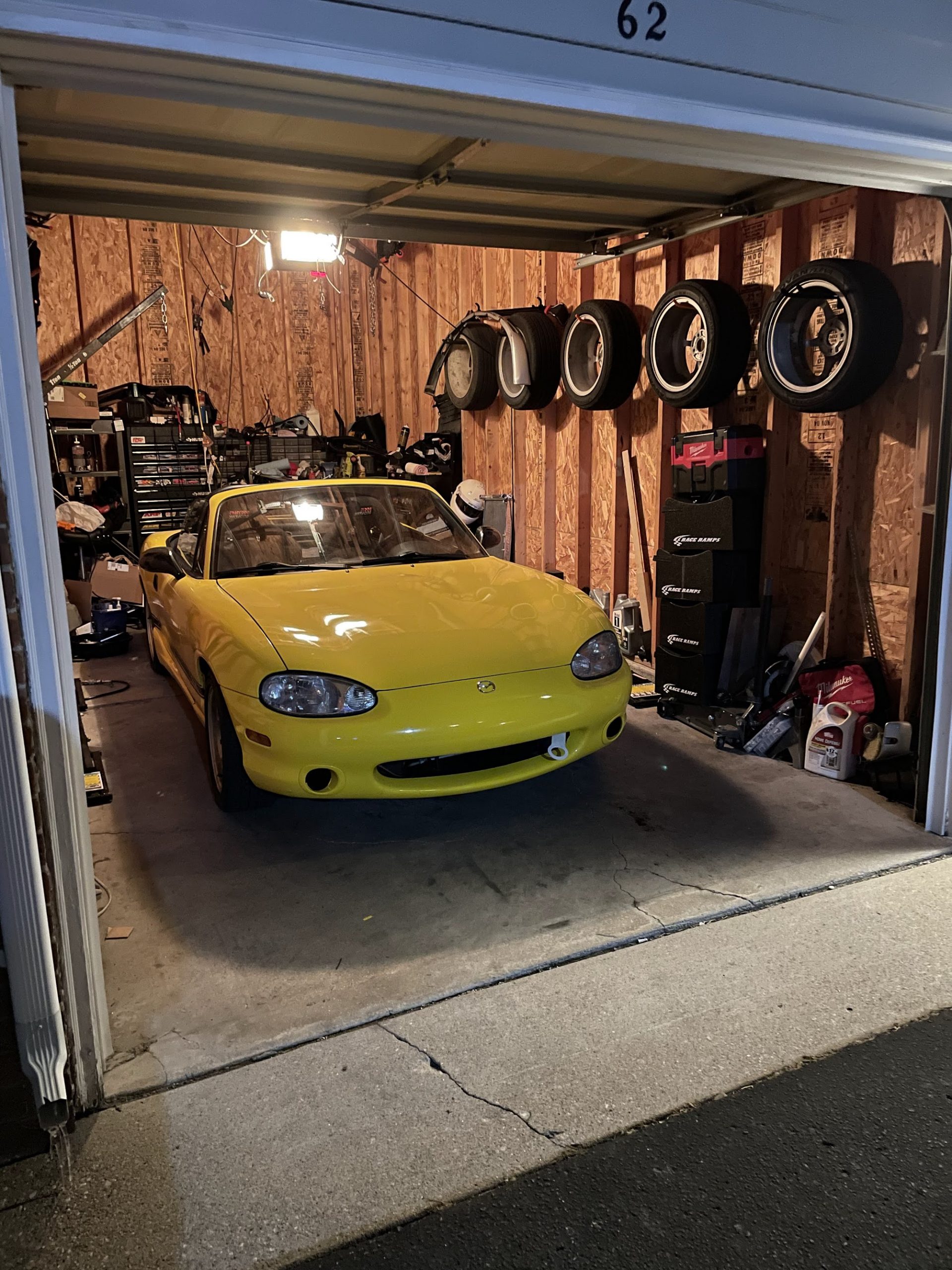
As the winter season approached in Nebraska, the owner implemented a preservation strategy to mitigate the risks of chassis oxidation. The NB Miata is documented to be particularly susceptible to rust in the frame rails and rocker panels when exposed to road salt. Consequently, the vehicle was transitioned to indoor storage during periods of inclement weather and snow.
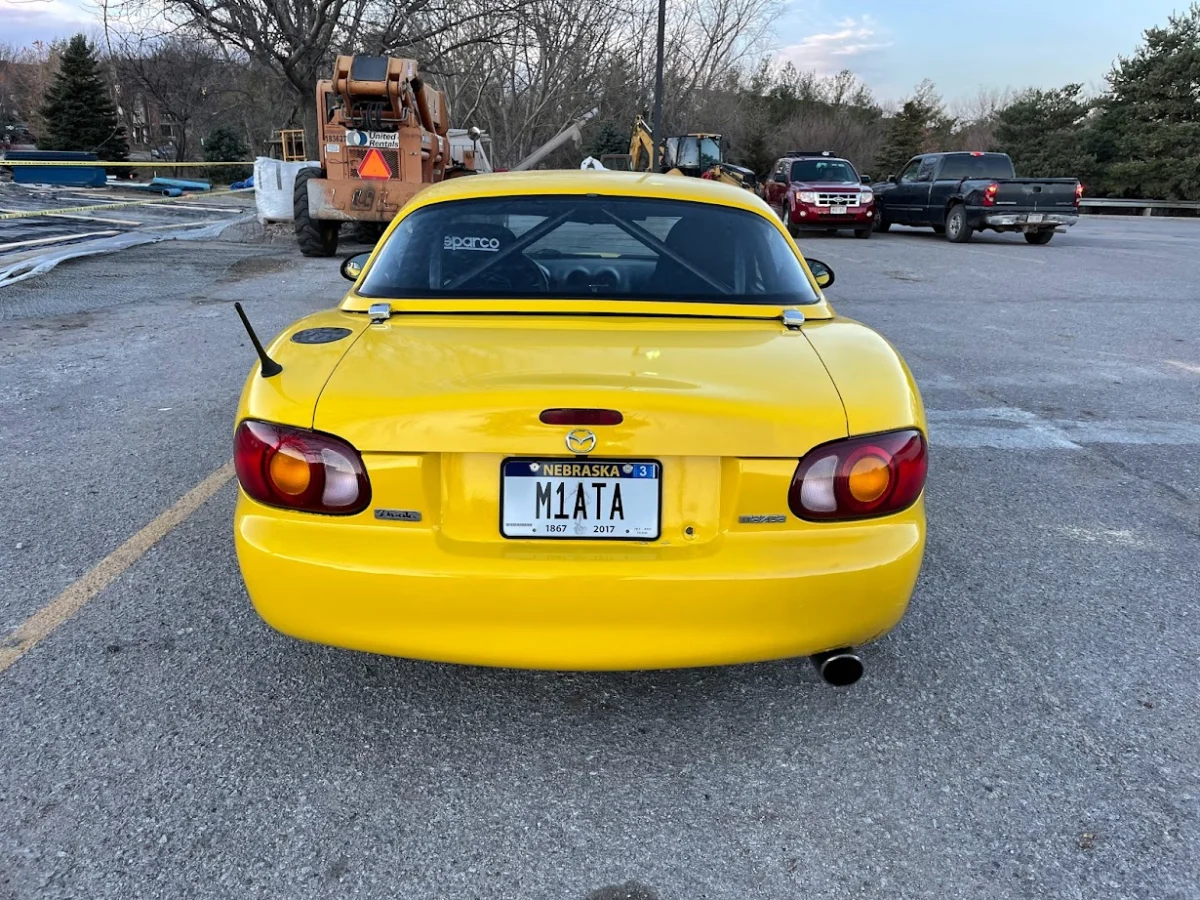
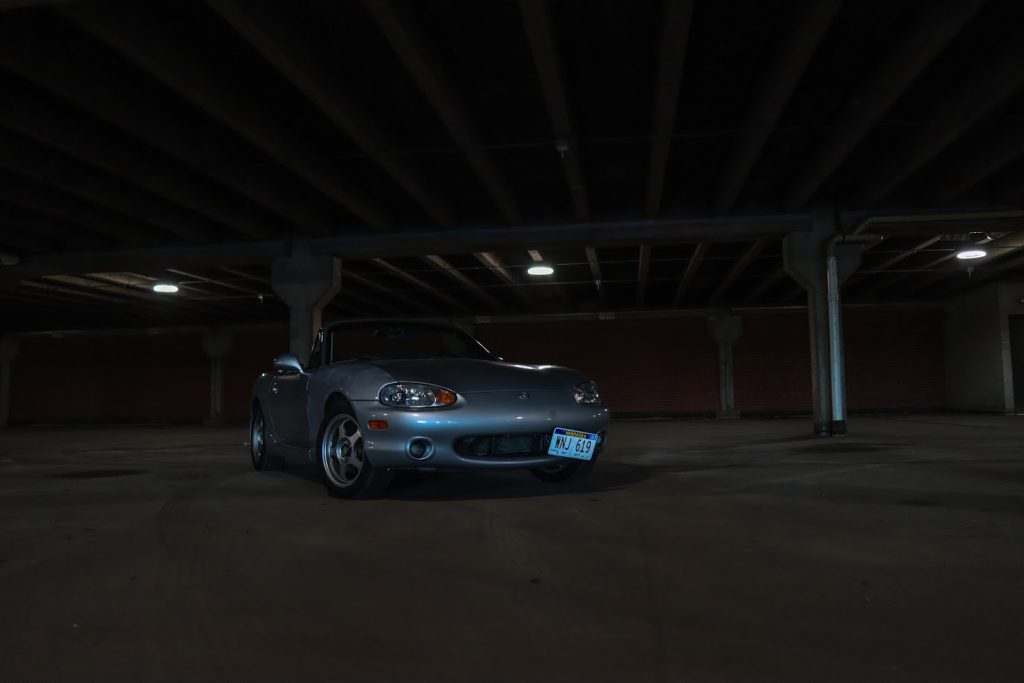
During the dormant months of November and December, the vehicle underwent a significant suspension overhaul. This involved the installation of upgraded components to replace aging bushings and dampers, aimed at reducing body roll and improving turn-in response. The owner also utilized this period to finalize administrative requirements, such as the acquisition of personalized "M1ATA" registration plates, further cementing the vehicle’s identity as a dedicated project car.
Phase V: Advanced Mechanical Overhaul and Safety Compliance
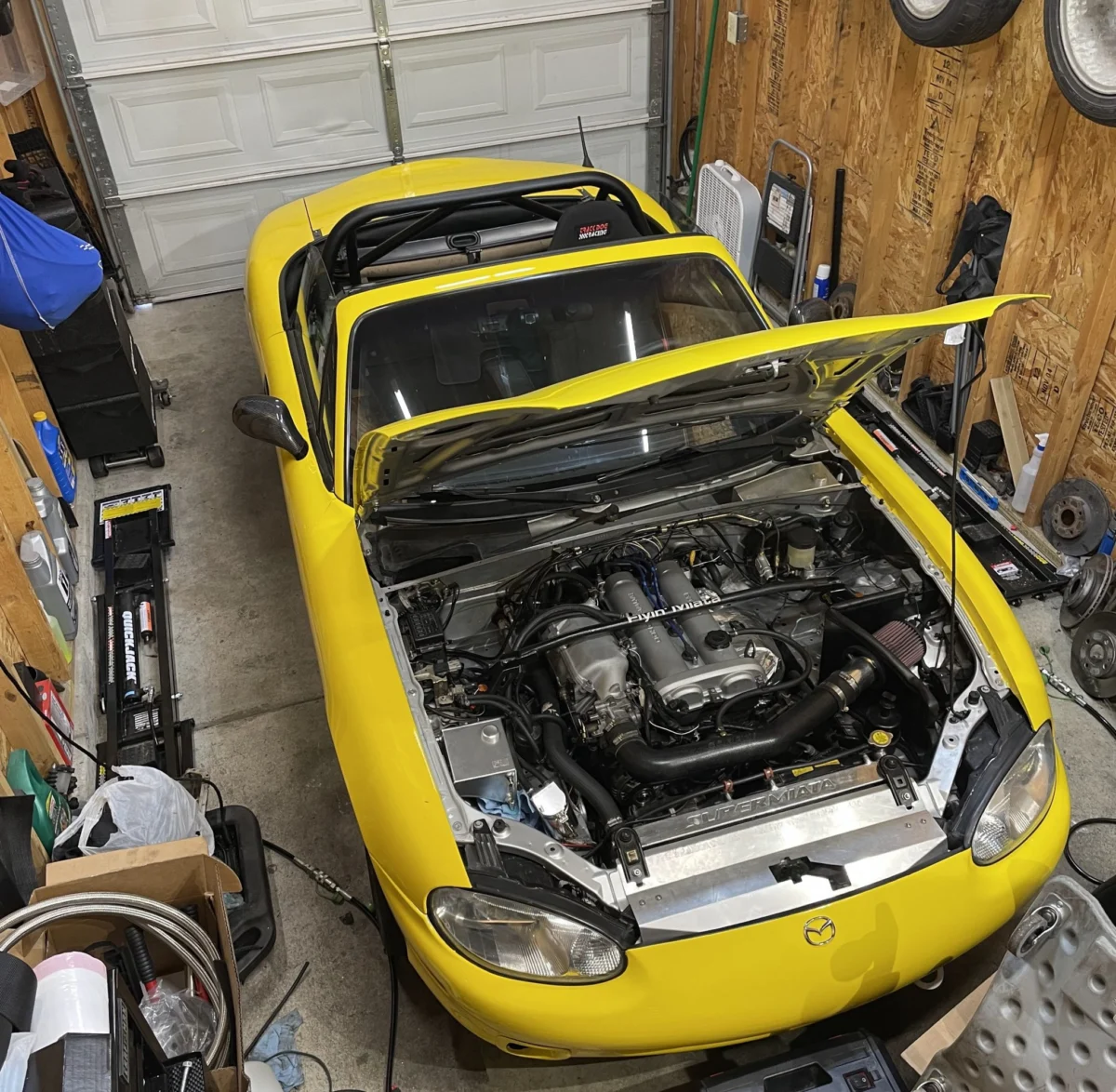
The beginning of 2022 saw the most intensive mechanical phase of the project: an "engine-out" service. While the engine was removed from the bay, the owner addressed several critical points of failure:
- Rear Main Seal: Replacement of the leaking seal to prevent oil loss and clutch contamination.
- Oil Pan Maintenance: Rectifying a stripped oil drain plug.
- Coolant Reroute: Installation of a cooling system modification designed to improve thermal management for the fourth cylinder, a known weak point in the BP engine series.
- Hose Replacement: Proactive replacement of difficult-to-reach coolant hoses located under the intake manifold.
In February 2022, the focus shifted toward driver safety and ergonomic compliance in preparation for the upcoming racing season. The factory seats were replaced with Track Dog Racing UltraShield Rally Sport seats, paired with 6-point racing harnesses. A critical safety metric in convertible racing is the "broomstick test," which requires that a driver’s helmet sit below a line drawn from the roll bar to the windshield frame. To achieve this, the owner utilized specialized seat mounts to lower the center of gravity. Additionally, a fire extinguisher was securely mounted within the cabin, and the owner acquired a Head and Neck Support (HANS) device to mitigate the risk of basilar skull fractures during high-impact collisions.
The 12-month cycle concluded with a DIY alignment. Using manual measurement tools, the owner calibrated the toe, camber, and caster settings to optimize the vehicle’s footprint for performance driving, demonstrating the feasibility of home-based technical maintenance for the Miata platform.
Broader Impact and Market Implications
The documentation of this 12-month ownership cycle reflects a broader trend in the automotive secondary market. As modern vehicles become increasingly complex and reliant on proprietary software, the demand for analog, mechanically transparent vehicles like the NB Miata has seen a steady rise.
Market data from automotive valuation sources indicates that well-maintained NB Miatas have begun to appreciate in value, moving from "used car" status to "modern classic." The ability for an owner to perform an engine-out service and a DIY alignment within a standard garage setting highlights why this platform remains a staple for mechanical education and grassroots racing.
Furthermore, the project underscores the importance of the "ecosystem" surrounding specific vehicle models. The availability of aftermarket parts (headers, seats, coolant reroutes) and the existence of regional racing bodies (SCCA, NASA) provide the necessary infrastructure for these projects to flourish. As this specific NB Miata enters its second year of ownership, it stands as a testament to the enduring viability of the MX-5 as a tool for technical development and automotive sport. The project remains ongoing, with future developments likely to focus on forced induction or further weight reduction to enhance the power-to-weight ratio for competitive environments.