Cecilia Chamidah Nur
Shinyuden and Ratalaika Games have officially announced the impending multi-platform digital re-release of Telenet Japan’s 1991 Genesis role-playing game, Traysia. This classic 16-bit title is slated to launch across a wide array of contemporary platforms, including PlayStation 5, PlayStation 4, Xbox Series X|S, Xbox One, Nintendo Switch, and PC via Steam, with a confirmed release date of April 24th, 2026. This announcement, initially highlighted by Gematsu, signifies a continued commitment from publishers to unearth and reintroduce vintage gaming experiences to a new generation of players, while also providing enhanced accessibility for long-time enthusiasts.
The Re-release Details: Bridging Eras with Modern Conveniences
The forthcoming digital version of Traysia is not merely a direct port of its original Genesis iteration. It arrives equipped with a suite of modern emulation-based features designed to mitigate some of the challenges inherent in older titles and enhance the overall player experience. Among the key additions are a rewind/turbo function, allowing players to correct mistakes or speed up repetitive gameplay segments, and persistent save states, offering greater flexibility than the original game’s save system. Screen filters will provide various display options, including CRT emulation, catering to different aesthetic preferences. Beyond gameplay enhancements, the re-issue will also feature a gallery of artwork, offering a deeper dive into the game’s visual development, and cheat functions for those seeking a less challenging journey. A particularly noteworthy inclusion is a jukebox, enabling players to enjoy the game’s soundtrack, composed by the acclaimed Shinobu Ogawa, known for his work on the Valis series. Ogawa’s musical contributions were often cited as one of the few redeeming qualities of the original Traysia, making this feature a welcome addition for fans and newcomers alike.
Languages confirmed for this digital re-release include English, Japanese, and Spanish, strongly suggesting that this version will leverage the improved localization efforts previously seen in the 2025 physical cartridge release. That earlier physical edition, a collaboration between Shinyuden, Ratalaika Games, and Edia, notably featured a redone English translation and an entirely new Spanish language option, addressing a common desire for more accurate and accessible translations of vintage Japanese RPGs.
A Look Back at Traysia’s Original Release: Genesis Era Context
Traysia originally launched in 1991 for the Sega Mega Drive/Genesis, a console renowned for its diverse library, including a significant number of pioneering role-playing games. Developed by Telenet Japan, a company known for its varied portfolio spanning action, platforming, and RPG genres, and published in North America by Renovation Products (Telenet’s U.S. subsidiary), Traysia entered a competitive market. The early 1990s were a golden age for 16-bit RPGs, with the Genesis hosting iconic series such as Phantasy Star and Shining Force, which set high benchmarks for narrative depth, graphical presentation, and strategic gameplay. Traysia was positioned to offer its own take on the fantasy adventure genre, aiming to capture the imagination of players hungry for expansive worlds and compelling storylines.
Telenet Japan, established in 1983, had a track record of producing titles that, while sometimes experimental, often garnered mixed reviews. Renovation Products, operating as their North American distribution arm, was responsible for localizing many of these games for Western audiences. The act of bringing Japanese RPGs to the West during this era involved not just translation but often significant cultural adaptation, a process that could sometimes alter the original intent or inadvertently introduce new issues. The sheer volume of RPGs available on the Genesis, coupled with the console’s distinct identity in the console wars against Nintendo’s Super Nintendo Entertainment System, meant that only the most polished and innovative titles truly stood out.
Critical Reception: A Challenging Debut for Traysia
Upon its initial release, Traysia faced a rather lukewarm, if not outright critical, reception from both Japanese and Western gaming publications. This contrasts sharply with the enduring legacy of many of its contemporaries on the Genesis. For instance, the highly influential Japanese magazine Famitsu awarded the original Japanese version of Traysia a score of just 13/40, indicating a significant lack of critical acclaim. Similarly, Beep! Mega Drive Magazine, another prominent Japanese publication, gave it a 5.25 out of 10. These scores placed Traysia firmly in the lower echelons of the Genesis RPG library, suggesting it failed to meet the expectations of Japanese critics.
The North American localization by Renovation Products fared little better. Overseas reviews mirrored the sentiment, with publications like the UK’s Sega Pro in a 1993 import review, critiquing its "unacceptable graphics and lacking gameplay." This was a damning indictment in an era where visual fidelity and engaging mechanics were rapidly evolving. The Genesis, capable of producing vibrant sprites and complex environments, saw Traysia‘s presentation fall short. German magazine Video Games went further, drawing direct, unfavorable comparisons to established Mega Drive RPGs of the time, such as the critically acclaimed Phantasy Star series and the innovative Shining in the Darkness. These titles were lauded for their immersive worlds, intricate combat systems, and compelling narratives, setting a high bar that Traysia reportedly struggled to reach. Common criticisms revolved around generic visuals, rudimentary gameplay mechanics, a slow pace, and a narrative that, while aiming for a "definitive fantasy romance," often failed to fully engage players. The battle system, often a core component of RPG enjoyment, was perceived as simplistic or repetitive, contributing to the overall sense of underdevelopment.
The Road to Revival: Modern Re-evaluations and Preservation Efforts
Despite its initially disappointing reception, Traysia has experienced something of a quiet resurgence in recent years, emblematic of a broader trend in retro gaming preservation and the re-evaluation of overlooked titles. This renewed interest began with its inclusion in Evercade’s Renovation Collection 1, released in 2022. Evercade, a retro gaming platform known for its physical cartridge collections, made Traysia accessible to a new audience interested in exploring the lesser-known corners of gaming history. This marked a pivotal moment, shifting the game from obscurity to a curated collection, suggesting that even critically panned games hold historical value.
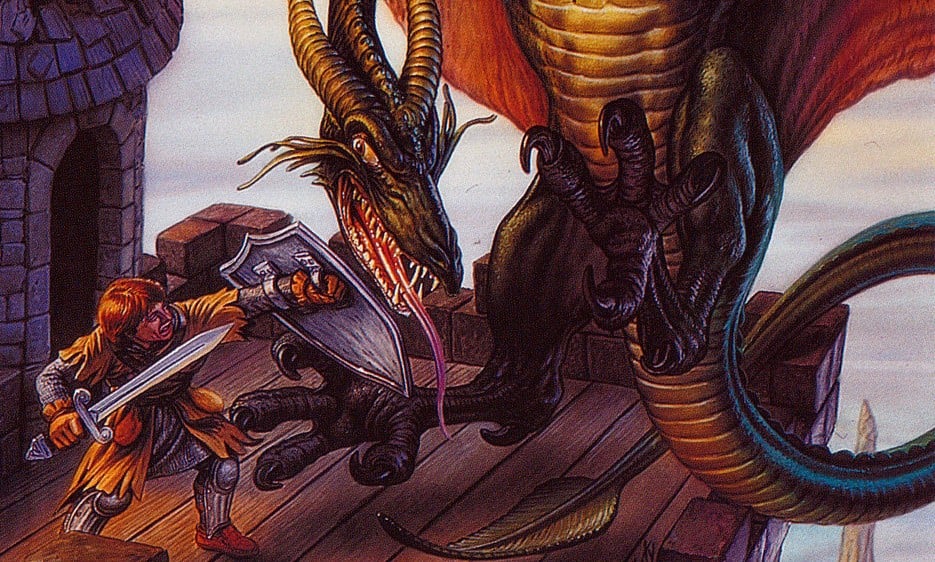
Building on this, 2025 saw a dedicated new physical cartridge release for Traysia, spearheaded by Shinyuden, Ratalaika Games, and Edia. This edition was notable for featuring a redone English translation and an all-new Spanish language option, directly addressing one of the common frustrations with older localized games—the quality and accuracy of their translations. This initiative underscored a commitment to not just re-release the game, but to improve its accessibility and playability for a modern, global audience. The upcoming 2026 digital multi-platform release is a direct continuation of these efforts, leveraging the improved localization and adding a comprehensive suite of quality-of-life features. This phased approach to reintroduction highlights a strategic effort to incrementally raise the profile and improve the experience of the game for modern players.
Narrative Core: Roy’s Quest and Traysia’s Wait
At its heart, Traysia tells a classic tale of adventure and burgeoning romance, steeped in the tropes of early Japanese role-playing games. The game’s narrative centers on a young protagonist named Roy, who harbors a deep-seated dream of becoming a world-traveling adventurer. Driven by this ambition, Roy departs from his quaint hometown, embarking on a journey into the unknown. His initial travels take him through challenging landscapes of mountains and forests, culminating in his arrival at a small, enigmatic region known as the Kingdom of Salon.
Central to Roy’s motivation and the game’s emotional core is Traysia, a young girl who remains in their port town of Johanna, patiently awaiting Roy’s return. Her presence anchors the story, providing a personal stake for Roy’s grand adventure beyond the typical "save the world" narrative. The developers described Traysia as "a full-scale role-playing game made up of five scenarios, offering a definitive fantasy romance of love and adventure." This structure suggests a branching or episodic narrative, guiding Roy through distinct challenges and encounters that presumably build towards a climactic reunion or resolution involving Traysia. While the original execution may have been criticized, the premise itself taps into timeless themes of exploration, personal growth, and the enduring power of connection. The game’s setting and character dynamics were designed to evoke a sense of classic fantasy, a genre that held immense appeal in the early 90s RPG landscape.
The Business of Retro Reissues: A Growing Niche and its Implications
The decision by Shinyuden and Ratalaika Games to invest in the re-release of Traysia, a title with a historically challenging critical reception, underscores a significant and growing trend within the video game industry: the robust market for retro reissues. This phenomenon is driven by several factors, including nostalgia among older players who wish to revisit games from their youth, and a burgeoning interest from newer generations curious about gaming history. Publishers like Ratalaika Games have carved out a significant niche by specializing in porting and enhancing a wide array of vintage titles, often focusing on making them accessible across modern consoles.
This business model is not without its complexities. While iconic titles like those from the Phantasy Star or Shining series often guarantee a certain level of interest, re-releasing lesser-known or critically panned games like Traysia requires a different calculus. It suggests a belief in the inherent value of gaming history, a desire to offer a complete picture of a console’s library, and perhaps a hope that modern quality-of-life improvements can allow players to appreciate elements that were overshadowed by original shortcomings. The relatively low development cost of porting older titles, especially when utilizing established emulation frameworks, can make such projects viable even for games with a smaller, more niche audience.
Furthermore, the involvement of companies like Edia, who collaborated on the physical release, points to a multi-faceted strategy for retro content. Physical releases cater to collectors and enthusiasts who value tangible media, while digital releases ensure broad accessibility and convenience. The consistent effort to update translations and add modern features like rewind and save states also highlights a recognition that simply emulating an old ROM is often not enough for contemporary players who expect a certain level of polish and convenience.
Implications for Gaming History and Preservation
The re-release of Traysia holds broader implications for video game history and preservation. While major, critically acclaimed titles are often preserved and celebrated, the fate of more obscure or less-loved games is frequently precarious. Many are lost to time, inaccessible due to outdated hardware or lack of official reissues. By bringing Traysia back into the spotlight, Shinyuden and Ratalaika Games contribute to a more comprehensive understanding of the Genesis era and the broader evolution of RPGs. It allows historians, critics, and players to examine the full spectrum of creative output from the period, including titles that might represent developmental challenges or experimental approaches that didn’t quite land.
Moreover, the inclusion of robust emulation features fundamentally alters the experience of playing a vintage game. It democratizes access, removing barriers like hardware compatibility and the difficulty of acquiring original cartridges. The ability to rewind past frustrating segments or use save states to experiment without fear of irreversible mistakes can transform a previously challenging or tedious experience into something more approachable. This allows modern players to engage with Traysia on its own terms, perhaps even fostering a re-evaluation of its merits beyond the initial critical consensus. While it may not transform Traysia into a universally beloved classic, it certainly offers it a second chance to find its audience and contribute to the ongoing narrative of video game history.
The anticipation for Traysia‘s multi-platform digital release on April 24th, 2026, is therefore not just about a single game, but about the ongoing dialogue between gaming’s past and present, facilitated by dedicated publishers and evolving technologies. Players interested in experiencing this slice of 16-bit RPG history can already wishlist the game on Steam, preparing for its digital debut.