Hartono Sudibyo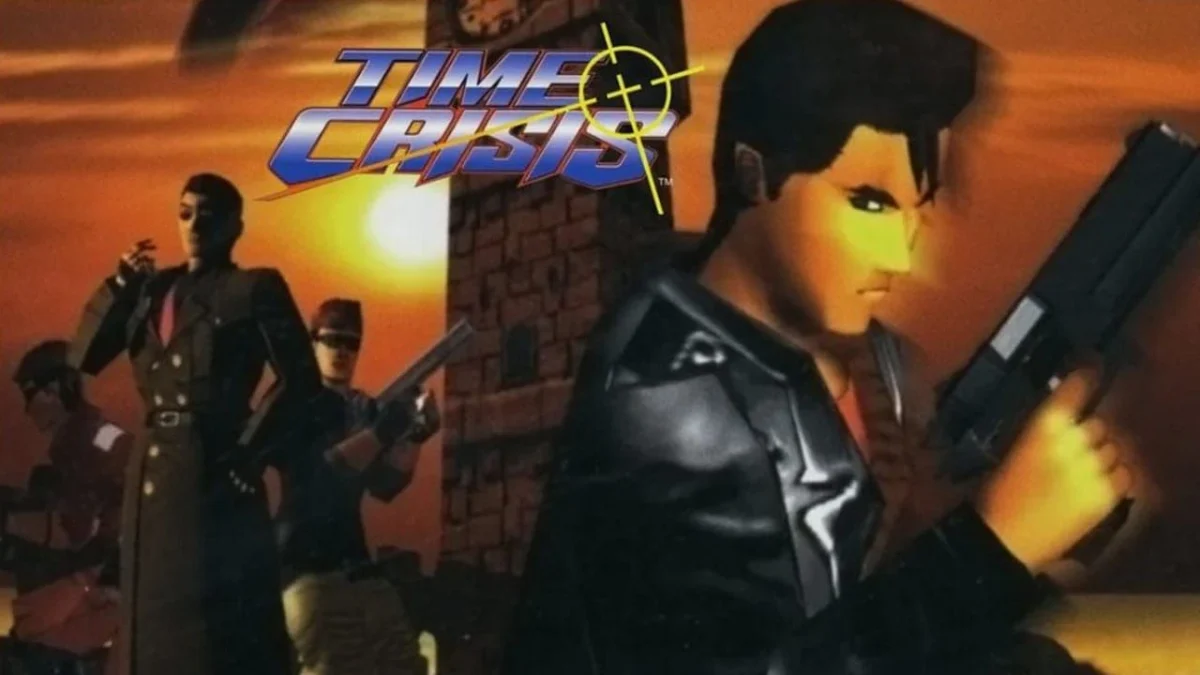
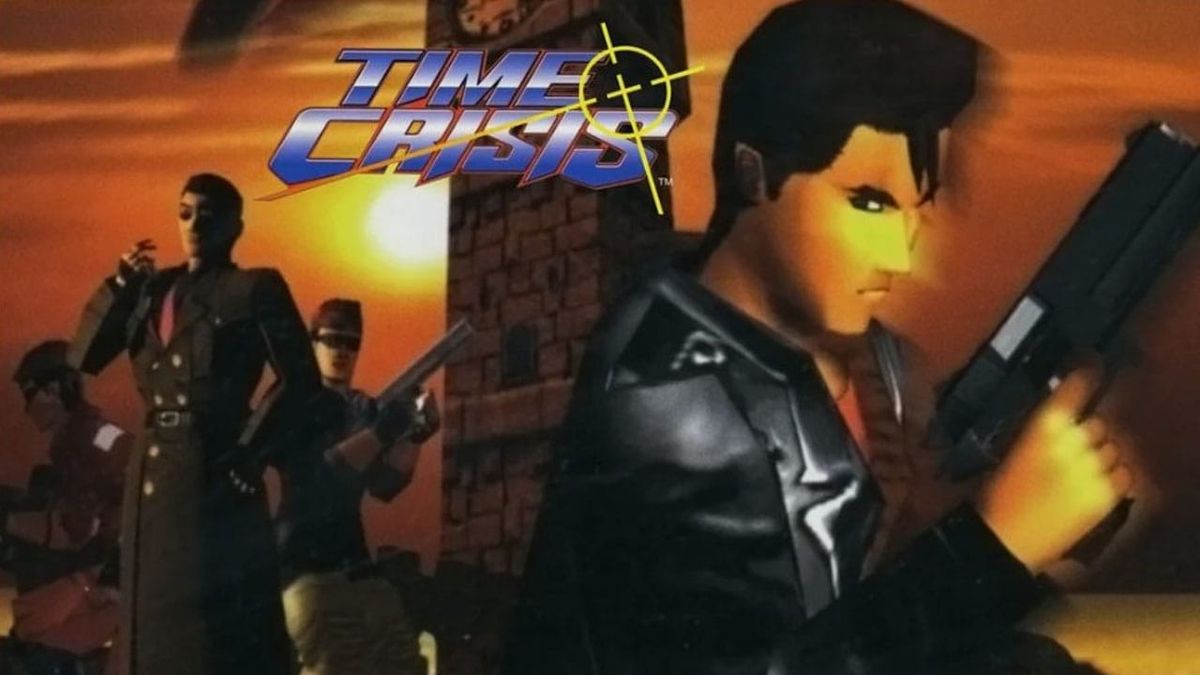
PlayStation Plus Premium subscribers are about to embark on a nostalgic journey back to the golden age of arcade gaming, as the iconic light-gun shooter, Time Crisis, makes its return to modern consoles. The classic title, originally a staple of arcades and home entertainment systems in the late 1990s, will be available on both PlayStation 4 and PlayStation 5, offering players a familiar yet updated experience. A significant new feature poised to redefine the gameplay for a new generation of gamers is the implementation of advanced gyro aiming technology, allowing for more intuitive and immersive control. This strategic re-release by Sony aims to leverage the enduring appeal of classic gaming experiences within its premium subscription tier, further solidifying the value proposition of PlayStation Plus Premium.
A Legacy of Light-Gun Dominance
Time Crisis, first released by Namco in 1995, revolutionized the light-gun shooter genre. Its innovative gameplay mechanics, which required players to use a plastic gun peripheral to shoot targets on screen while simultaneously ducking behind cover to reload and evade enemy fire, quickly set it apart from its contemporaries. The game’s cinematic presentation, featuring branching storylines and dramatic boss battles, further cemented its status as an arcade phenomenon. Subsequent installments and home console ports expanded upon the core formula, introducing new weapons, environments, and gameplay refinements. The original PlayStation version of Time Crisis, released in 1996, was particularly successful, bringing the arcade thrill directly into living rooms and becoming a must-have title for fans of the genre. Its success paved the way for a franchise that would span multiple consoles and endure for decades.
The Evolution of Control: Gyro Aiming Takes Center Stage
The most notable enhancement for the PlayStation Plus Premium release of Time Crisis is the integration of gyro aiming. This technology, which utilizes the motion-sensing capabilities of modern PlayStation controllers (such as the DualShock 4 and DualSense), allows players to aim by physically moving their controller. This offers a significant departure from traditional analog stick aiming and aims to replicate the direct, physical interaction of the original light-gun experience. While the exact implementation details are still emerging, it is anticipated that the controller’s motion sensors will translate player movements into on-screen cursor adjustments, providing a more fluid and responsive aiming system.
The potential implications of gyro aiming for Time Crisis are substantial. For players who experienced the original arcade cabinets or home console versions with light-gun peripherals, this new control scheme offers a chance to recapture that visceral feeling. For a new generation of gamers, it presents an accessible and engaging way to interact with a seminal title from gaming history. The success of gyro aiming in other games, particularly on platforms like the Nintendo Switch, suggests that this technology has the potential to significantly enhance player immersion and enjoyment.
However, questions remain regarding the finer points of the control scheme. A key element of the original Time Crisis gameplay was the ability to quickly duck behind cover to reload and avoid damage. It is yet to be confirmed whether the gyro aiming implementation will include a dedicated button or gesture for this critical defensive maneuver, or if it will be integrated into the general controller input. The seamless execution of this duck-and-reload mechanic was crucial to mastering the game, and its successful translation to a controller-based gyro system will be a key factor in the overall reception of this re-release.
A Curated Selection for Premium Subscribers
The inclusion of Time Crisis in the PlayStation Plus Premium library underscores Sony’s strategy to differentiate its highest subscription tier with exclusive content and classic gaming experiences. PlayStation Plus Premium, which offers a tiered subscription model, provides access to a vast catalog of games spanning multiple PlayStation generations, including classic titles, PS4 games, and a selection of PS5 titles. The addition of Time Crisis, a beloved arcade and console classic, aligns perfectly with the Premium tier’s promise of delivering a comprehensive and diverse gaming library.
The decision to offer Time Crisis through PlayStation Plus Premium also reflects a broader trend in the gaming industry towards subscription-based access to content. This model allows publishers and platform holders to monetize their back catalogs effectively while providing consumers with ongoing value. For players, it offers an affordable way to access a wide range of games without the need for individual purchases, fostering a culture of exploration and rediscovery of gaming’s rich history.
Chronology of Time Crisis and its PlayStation Journey
The journey of Time Crisis from its arcade origins to its current PlayStation Plus Premium iteration can be traced through a series of key milestones:
- 1995: Namco releases the original Time Crisis in arcades, introducing the light-gun shooter genre to a wider audience with its innovative gameplay and cinematic presentation.
- 1996: Time Crisis is ported to the original PlayStation, featuring a home-console-specific story mode and becoming a critical and commercial success. This release was instrumental in popularizing the genre beyond arcades.
- Late 1990s – Early 2000s: Subsequent installments, including Time Crisis II (1997) and Time Crisis III (2002), are released on arcade and PlayStation 2, further refining the gameplay and introducing new features.
- Mid-2000s onwards: The franchise continues with titles like Time Crisis 4 (2006) and Time Crisis: Razing Storm (2010) on PlayStation 3, exploring further technological advancements and gameplay variations.
- May 19, 2026: Time Crisis is scheduled for release on PlayStation Plus Premium, featuring enhanced gyro aiming for PS4 and PS5. This marks a significant return of the franchise to PlayStation platforms with modern control capabilities.
The release date of May 19, 2026, positions Time Crisis as a significant addition to the PlayStation Plus Premium library for the latter half of May. This strategic timing aims to capture the attention of subscribers looking for fresh content and nostalgic experiences.
Supporting Data and Industry Context
The re-emergence of classic titles through subscription services is a well-established strategy in the modern gaming landscape. Data from various industry reports indicates a growing consumer appetite for retro gaming and access to extensive game libraries. For instance, a report by Newzoo in 2023 highlighted that over 40% of gamers engage with retro games, either through emulators, remasters, or classic collections. Sony’s PlayStation Plus service, with its tiered structure, directly caters to this demand. The Premium tier, in particular, is designed to attract and retain players who value access to a broad spectrum of gaming history, from the 8-bit era to more recent generations.
The average monthly subscription cost for PlayStation Plus Premium, as indicated by current pricing at approximately £13.49/$17.99, positions it as a premium offering within the gaming subscription market. This price point reflects the extensive benefits, including a large library of downloadable games, cloud streaming, classic titles, and game trials. The addition of a beloved franchise like Time Crisis with enhanced features is intended to justify this cost for dedicated fans and subscribers seeking unique value.

Potential Reactions and Industry Analysis
The announcement of Time Crisis with gyro aiming has been met with considerable enthusiasm from long-time fans of the franchise and players who appreciate innovative control schemes. Social media platforms, particularly gaming-focused communities, have been abuzz with discussions about the potential of the new control system. The popular gaming news aggregator Wario64, for example, shared the news via Twitter, sparking widespread interest.
From an industry perspective, this move by Sony is a shrewd one. It allows them to leverage an existing intellectual property with a proven track record of success without the significant development costs associated with creating an entirely new game from scratch. Furthermore, by enhancing the gameplay with modern technology like gyro aiming, they are not simply offering a port but a re-imagined experience that appeals to both nostalgic players and those seeking new ways to interact with classic games.
The success of this re-release could pave the way for other classic arcade and console titles to receive similar treatment on PlayStation Plus Premium. This not only benefits subscribers by expanding the library but also offers a viable avenue for publishers to generate ongoing revenue from their back catalogs. The analysis suggests that this strategy is likely to continue as subscription services become an increasingly dominant force in game distribution.
Broader Impact and Implications for Gaming
The return of Time Crisis with enhanced gyro aiming has broader implications for the gaming industry and the way we experience classic titles. It demonstrates a commitment from major platform holders to preserve and evolve gaming heritage. By integrating modern technologies with beloved franchises, Sony is bridging the gap between past and present, making these iconic games accessible and engaging for a new generation of players.
This trend also has implications for game preservation. As older hardware becomes obsolete and physical media deteriorates, digital distribution through subscription services offers a crucial method for ensuring that these games remain playable for years to come. The careful curation of classic titles within services like PlayStation Plus Premium ensures that gaming’s rich history is not lost to time.
Furthermore, the focus on gyro aiming highlights the ongoing exploration of alternative control schemes in gaming. As developers continue to innovate, the integration of motion controls and other intuitive input methods will likely play an increasingly significant role in shaping the player experience across various genres. Time Crisis, with its renewed emphasis on precise, motion-based aiming, stands as a testament to this evolving landscape. The anticipation surrounding its release on May 19, 2026, signals a strong consumer interest in experiencing gaming’s past through the lens of its future.