Cecilia Chamidah Nur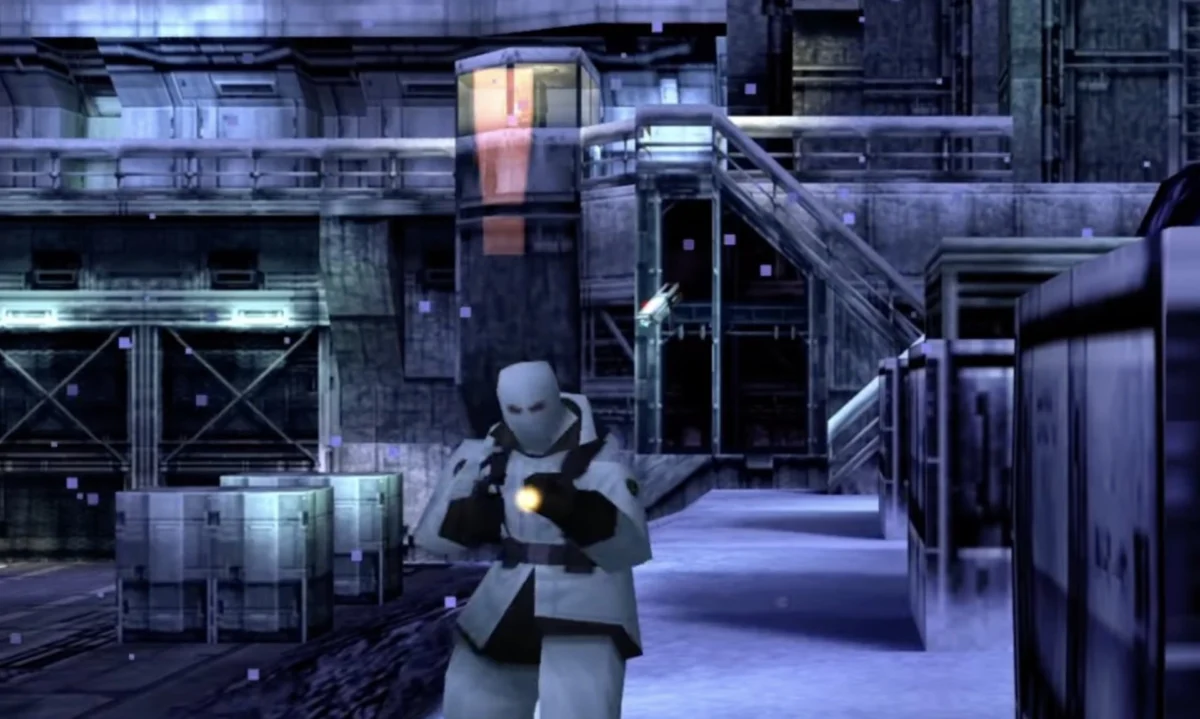
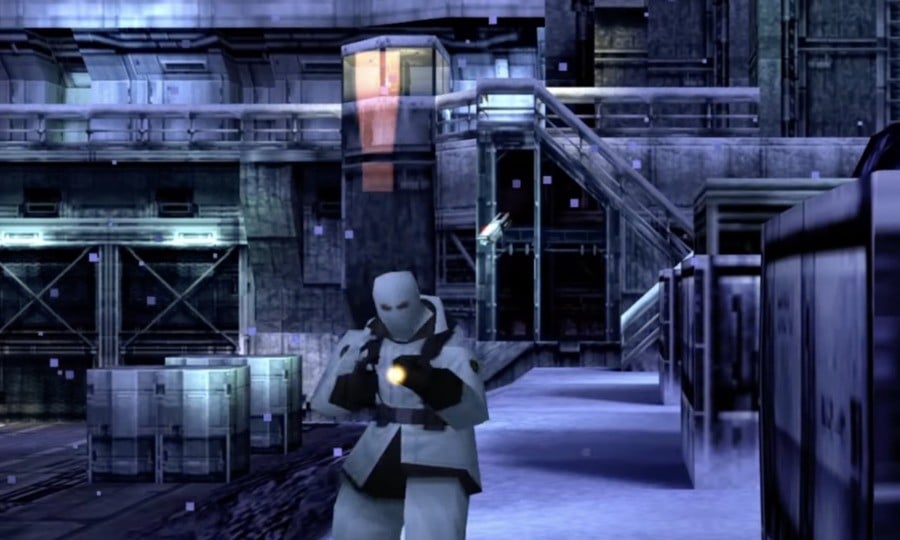
The realm of video game preservation and innovation is on the cusp of a significant leap forward as VRified Games announces the active development of a pioneering PlayStation 1 emulator designed to integrate full Virtual Reality (VR) support into select classic titles. This ambitious project, currently showcased with compelling footage of Hideo Kojima’s seminal 1998 masterpiece, Metal Gear Solid, aims to fundamentally redefine how players experience the 32-bit era. The emulator is set to offer advanced features including both first- and third-person camera modes, true stereoscopic 3D rendering, and six degrees of freedom (6 DOF) head tracking, effectively transporting players into the pixelated worlds of their youth with unprecedented immersion.
The announcement by VRified Games has ignited considerable excitement within both the retro gaming and VR communities. While the project is still in its nascent stages, the demonstrated capabilities suggest a transformative potential for rediscovering the PlayStation’s rich library. The core promise lies in moving beyond traditional flat-screen experiences, allowing players to physically look around environments, perceive depth in ways previously impossible, and engage with game worlds on a visceral level. This initiative represents a significant stride in bridging the gap between historical gaming artifacts and cutting-edge virtual reality technology, opening new avenues for interactive nostalgia and historical game appreciation.
Technical Deep Dive: Bridging Generations of Gaming Technology
At the heart of this project lies the complex technical challenge of adapting a console generation never intended for virtual reality to a fully immersive environment. The PlayStation 1, released in 1994, operated on a fixed-function graphics pipeline and rendered games primarily for a standard television display, typically at resolutions far lower than modern standards and with no inherent depth perception beyond perspective tricks. Integrating features like stereoscopic 3D and 6 DOF head tracking into such an architecture via emulation requires profound understanding of both the PS1 hardware and modern VR principles.
Stereoscopic 3D rendering, a cornerstone of any true VR experience, involves rendering two slightly different images – one for each eye – to create the illusion of depth. For a PS1 game, this means the emulator must effectively interpret the game’s original 3D models and environments, then render them twice from slightly offset camera positions. This process, while seemingly straightforward in modern engines, is considerably more intricate when dealing with the PS1’s unique rendering quirks, such as affine texture mapping issues that can cause distortions when viewed from extreme angles or with altered camera perspectives. The result, however, is a profound transformation, turning flat, two-dimensional backdrops into expansive, tangible spaces, and giving objects a volumetric presence previously only imagined.
The inclusion of 6 DOF head tracking is equally critical for immersion. Unlike 3 DOF (three degrees of freedom) tracking, which only accounts for rotational movements (pitch, yaw, roll), 6 DOF also tracks translational movements (moving forward/backward, up/down, left/right). This allows players to physically lean in, duck, or step around objects within the virtual world, directly correlating their real-world movements to their in-game perspective. This level of physical interaction significantly reduces motion sickness and enhances the sense of presence, making the virtual world feel more real and responsive.
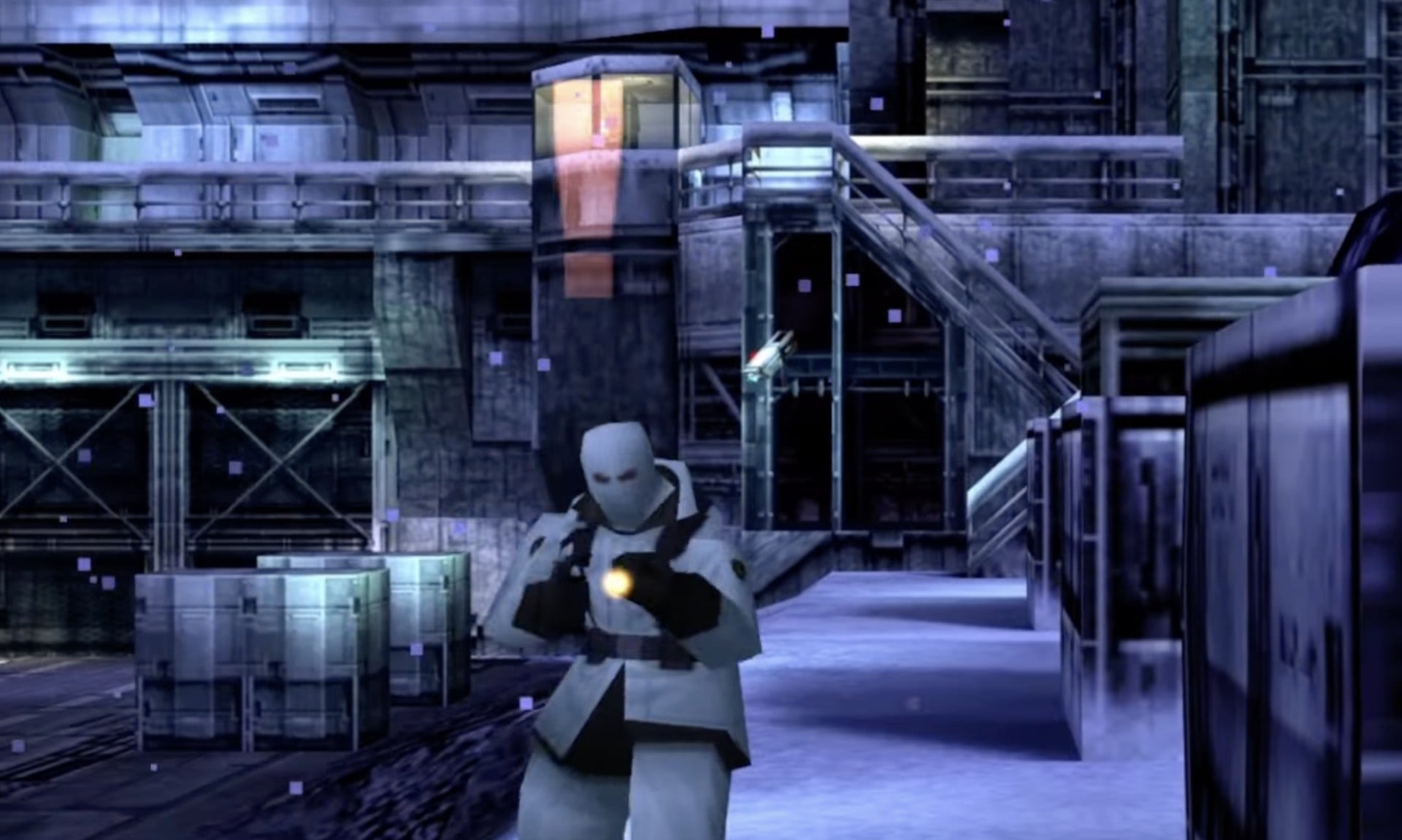
However, the path to seamless VR integration is not without its hurdles. VRified Games has openly acknowledged one of the most significant technical challenges: the disparity between the original game’s frame rate and the desired VR tracking refresh rate. As the developer notes, Metal Gear Solid is locked at 30 frames per second (fps), a common standard for many PS1 titles. In contrast, comfortable VR experiences typically demand much higher refresh rates, ideally 90Hz or even 120Hz, to prevent motion sickness and ensure smooth head tracking. When the head tracking runs at 90fps but the game’s visual updates only occur at 30fps, the result is "jerky" movement – the virtual world doesn’t update smoothly in response to rapid head motions, leading to a disorienting experience.
Overcoming this "nut," as the developer describes it, requires sophisticated technical solutions. Potential avenues include advanced frame interpolation techniques, where the emulator algorithmically generates intermediate frames to smooth out movement, or predictive tracking, which anticipates the player’s head movements. However, these methods introduce their own complexities, potentially adding latency or visual artifacts. The ultimate goal is to achieve a harmonious synchronization where the game’s logic, rendering, and the VR headset’s tracking system all operate in a way that feels natural and fluid to the user, a feat that demands exceptional expertise in both low-level emulation and modern VR development.
Reimagining Classics: The VR Transformation of PlayStation Titles
The potential impact of this emulator on classic PlayStation titles cannot be overstated. By adding a new dimension of immersion, games that once captivated players on CRT screens could be experienced anew, revealing details and atmospheres previously hidden or merely implied.
Metal Gear Solid: A New Perspective on Stealth
Hideo Kojima’s Metal Gear Solid, released in 1998, is renowned for its cinematic storytelling, innovative stealth mechanics, and a gripping narrative set on Shadow Moses Island. The original game utilized fixed, often isometric, camera angles to frame its action, guiding the player’s view and emphasizing environmental design. Introducing VR to this title offers a radical shift in perspective.
In a first-person VR mode, the tension of stealth would be profoundly amplified. Peeking around corners, hiding in lockers, or crawling through air ducts would become tactile experiences, with the player’s physical movements directly influencing their visibility and situational awareness. The fear of discovery, already a core tenet of the game, would intensify as players physically lean out to check for patrolling guards, their virtual eyes scanning the environment for threats. The scale of Shadow Moses Island, from its vast helipad to the claustrophobic corridors of its facilities, would become much more palpable, fostering a deeper sense of presence within its meticulously crafted world. Iconic boss battles, such as the psychological warfare with Psycho Mantis or the intense close-quarters combat with Gray Fox, would take on an entirely new visceral quality, engaging players directly in the action rather than observing it from a detached camera. The challenge for VRified Games will be to integrate these immersive modes while respecting the original artistic intent, especially concerning the game’s carefully composed cutscenes and narrative delivery.
Jumping Flash!: A Natural Fit for Verticality
While Metal Gear Solid presents a fascinating challenge, certain PS1 titles appear almost custom-made for VR, even decades before the technology became widely accessible. Jumping Flash!, a launch title for the PlayStation in 1995, is a prime example. This groundbreaking first-person platformer revolved around an anthropomorphic robot, Robbit, navigating vibrant, vertically oriented levels by performing massive multi-jumps. The original game’s design, with its focus on aerial movement and a clear sense of elevation, makes it an "amazing" candidate for VR, as noted by the developer.

In VR, the sensation of leaping several stories into the air, spinning to survey the landscape below, and precisely landing on distant platforms would be exhilarating. The depth perception offered by stereoscopic 3D would make judging jumps and distances far more intuitive and immersive, transforming a classic 2D-screen experience into a truly spatial adventure. The game’s vibrant, blocky aesthetic, rather than detracting from the VR experience, could enhance its unique charm, making the player feel like they’ve stepped directly into a beloved, stylized world.
Other Potential Candidates for VR Transformation
The PS1 library is vast and diverse, suggesting numerous other titles that could benefit from VR integration:
- Survival Horror (e.g., Resident Evil, Silent Hill): The already terrifying atmosphere of these games would be dramatically amplified in VR, turning every dark corridor and grotesque enemy encounter into a truly heart-pounding experience. The sense of dread and isolation would become almost unbearable.
- Racing Games (e.g., Gran Turismo, Wipeout): Experiencing the high-speed races from a cockpit view in full VR would provide an unparalleled sense of speed and immersion. Players could look into turns, appreciate the intricate track designs, and feel more connected to their vehicles.
- First-Person Shooters (e.g., Doom, Alien Trilogy): While not as common on PS1 as on PC, the few first-person shooters would gain immense tactical depth and visceral feedback in VR, offering a more direct and engaging combat experience.
- Exploration-Focused Games (e.g., Tomb Raider, Legacy of Kain: Soul Reaver): The sense of scale and wonder in ancient ruins, gothic castles, or alien landscapes would be heightened, allowing players to truly explore and appreciate the environmental artistry.
- Flight/Space Simulators (e.g., Ace Combat, Colony Wars): These games are inherently well-suited for VR, offering realistic cockpit views and a heightened sense of aerial combat and maneuverability.
The possibilities are extensive, and the success of VRified Games’ project could pave the way for a new wave of retro VR experiences across various genres, breathing new life into a console library that sold over 102 million units worldwide.
The Evolution of Emulation and VR Modding
The concept of bringing older games to modern platforms is not new. Emulation has existed for decades, serving as a crucial tool for game preservation, allowing classic titles to be played on contemporary hardware and ensuring that gaming history remains accessible. Emulators range from basic software that mimics console functions to highly sophisticated programs that enhance graphics, add save states, and integrate network play.
More recently, the rise of consumer VR headsets has spurred a new frontier in emulation and modding: bringing virtual reality to games never designed for it. Projects like Dolphin VR (for GameCube and Wii games), numerous community-made VR mods for PC titles like Skyrim, Grand Theft Auto V, and Half-Life 2, demonstrate a strong demand for immersive retro experiences. These efforts highlight the passion of independent developers and modders who push the boundaries of what’s possible, often filling gaps where official support from original developers or publishers is non-existent.
VRified Games’ PS1 emulator stands as a significant contribution to this growing trend. While many VR mods target PC games with more accessible engine structures, bringing VR to a console emulator, especially one as distinct as the PS1, presents a unique set of challenges. The PS1’s architecture, its specific rendering techniques, and the lack of readily available modern 3D APIs within its original software make this a more intricate endeavor than simply injecting VR into a modern PC game engine. The project’s success would not only elevate PS1 emulation but also set a new benchmark for how entire console generations can be revitalized through virtual reality.
Developer Insights and Future Prospects
VRified Games, while perhaps a small team, demonstrates a clear vision and technical ambition. Their candid admission regarding the "nut" of frame rate synchronization underscores the transparency and dedication often found in passionate independent development. Solving this issue will likely involve a combination of low-level emulator optimizations and potentially game-specific patches or profiles to ensure the best possible VR experience. The solution might not be a one-size-fits-all, requiring nuanced approaches for different titles within the PS1 library.
The current development focus is on PC, which is a logical starting point. PC VR ecosystems (e.g., SteamVR, Oculus PC) offer unparalleled flexibility in hardware configurations, processing power, and development tools. This allows VRified Games to iterate quickly, test different rendering techniques, and leverage powerful GPUs to handle the demanding task of real-time stereoscopic rendering and high-frequency tracking.
However, the mention of a potential Meta Quest version in the future signals an even broader ambition. Bringing the emulator to standalone VR headsets like the Meta Quest 2 or Quest 3 would dramatically increase its accessibility. These untethered devices, powered by mobile chipsets (such as the Snapdragon XR2), offer a more convenient and affordable entry point into VR for many users, bypassing the need for a high-end gaming PC. The challenge, however, would be optimizing the emulator to run efficiently on less powerful hardware while maintaining a smooth and comfortable VR experience. This would likely necessitate further advancements in rendering efficiency, potentially sacrificing some graphical fidelity or requiring highly optimized game profiles. The commitment to a Meta Quest version reflects a desire to democratize retro VR, making these transformative experiences available to a wider audience.
Broader Impact and Implications for Gaming
The development of this PS1 VR emulator carries significant implications for the future of gaming, particularly in the realms of preservation, accessibility, and the evolving role of virtual reality.
Game Preservation Reimagined: Beyond simply making old games playable, VR offers a completely new lens through which to appreciate historical titles. It allows players to not just observe but to inhabit these vintage worlds, potentially revealing nuances in environmental design, character models, and gameplay mechanics that were previously overlooked on a flat screen. This deep immersion can foster a renewed interest in classic games, drawing in new generations of players who might otherwise be put off by outdated graphics or control schemes. It transforms preservation from merely archiving data into an active, experiential form of historical engagement.
Accessibility and Engagement: By offering novel ways to interact with gaming history, VR retro gaming could attract a diverse audience. Long-time fans can relive cherished memories with a fresh perspective, while newer players can experience the foundational titles of gaming in a more engaging and contemporary format. This increased accessibility helps bridge the generational gap in gaming, fostering a shared appreciation for the industry’s rich past.

The Future of Retro Gaming: If VRified Games succeeds in delivering a stable and comfortable experience, this project could set a new standard for advanced retro emulation. Future emulators for other console generations (N64, Dreamcast, PS2) might follow suit, integrating VR support as a core feature. This could fundamentally alter expectations for how classic games are presented and experienced in the digital age, moving beyond simple upscaling to full experiential transformation.
Contribution to VR Adoption: While niche, projects like this add compelling, unique content to the VR ecosystem. For retro gaming enthusiasts who have yet to embrace VR, the promise of revisiting beloved classics in a fully immersive environment could be a significant incentive to invest in a headset. This diverse content offering contributes to the overall growth and mainstream adoption of virtual reality technology.
Challenges and Ethical Considerations: Despite the immense potential, certain challenges and ethical considerations remain. Motion sickness is a perpetual concern in VR, especially when dealing with games not originally designed for head-mounted displays. The developer’s focus on smooth tracking and high frame rates is paramount to mitigate this. Furthermore, the question of artistic intent often arises: does altering the original camera perspective or adding a first-person view fundamentally change the creators’ vision? While some argue it does, others view it as a legitimate and exciting new way to interact with existing art, much like a director’s cut or a remastered film. Finally, the broader legal and ethical landscape surrounding emulation, particularly concerning the acquisition of game ROMs, continues to be a complex area that players must navigate responsibly.
In conclusion, VRified Games’ PS1 VR emulator represents a bold and exciting venture at the intersection of gaming history and cutting-edge technology. By striving to bring full virtual reality support to the beloved PlayStation 1 library, they are not only preserving classic titles but actively reimagining them for a new era of immersive interactive entertainment. The project, while facing significant technical hurdles, promises to offer a truly revolutionary way to experience the pixelated wonders of the 32-bit generation, solidifying the role of independent developers and communities in shaping the future of gaming.