Cecilia Chamidah Nur
The OpenGoal project, a dedicated open-source decompilation and porting initiative, has achieved a significant milestone by releasing a beta version of its native PC port for Jak 3, the final installment in Naughty Dog’s beloved PlayStation 2 trilogy. This release signifies that all three primary Jak & Daxter titles—Jak & Daxter: The Precursor Legacy, Jak II, and Jak 3—are now "feature complete and fully completable" on PC, marking a monumental achievement for game preservation and the fan community. This development allows players to experience the iconic platforming and action-adventure series on modern computing platforms, including Windows, Linux, and Mac, with substantial quality-of-life improvements over traditional emulation methods.
The Genesis of OpenGoal: A Quest for Preservation and Performance
The OpenGoal project emerged from a collective desire within the gaming community to preserve classic titles by migrating them from their original, often proprietary, hardware and software environments to modern, open platforms. The limitations of console emulation, while providing a degree of access, often fall short in delivering a truly native and optimized experience. Emulators can introduce input lag, graphical inaccuracies, and performance inconsistencies, particularly with demanding titles from the PlayStation 2 era. OpenGoal’s approach, rooted in decompilation, aims to reconstruct the original game’s source code, allowing for a direct port that bypasses these limitations.
Central to the Jak & Daxter series’ technical foundation is Game Oriented Assembly Lisp (GOAL), a custom programming language developed by Naughty Dog specifically for their PS2 titles. This unique language presented both a challenge and an opportunity for the OpenGoal team. Decompiling GOAL code into a human-readable and compilable form requires immense technical expertise and dedication. The project’s success underscores the power of collaborative open-source development in tackling complex reverse-engineering tasks. By understanding and rebuilding the game’s logic at a fundamental level, OpenGoal can ensure greater accuracy to the original gameplay while simultaneously integrating contemporary enhancements.
The core motivation behind OpenGoal is not merely to make the games playable, but to elevate the experience. Native ports allow for direct hardware access, enabling optimizations that are impossible with emulation. This includes seamless integration of modern display technologies, improved frame rates, and robust support for community-driven modifications, thereby extending the life and appeal of these classic titles for a new generation of players and long-time fans alike.
A Phased Release: Chronology of the Jak Trilogy Ports
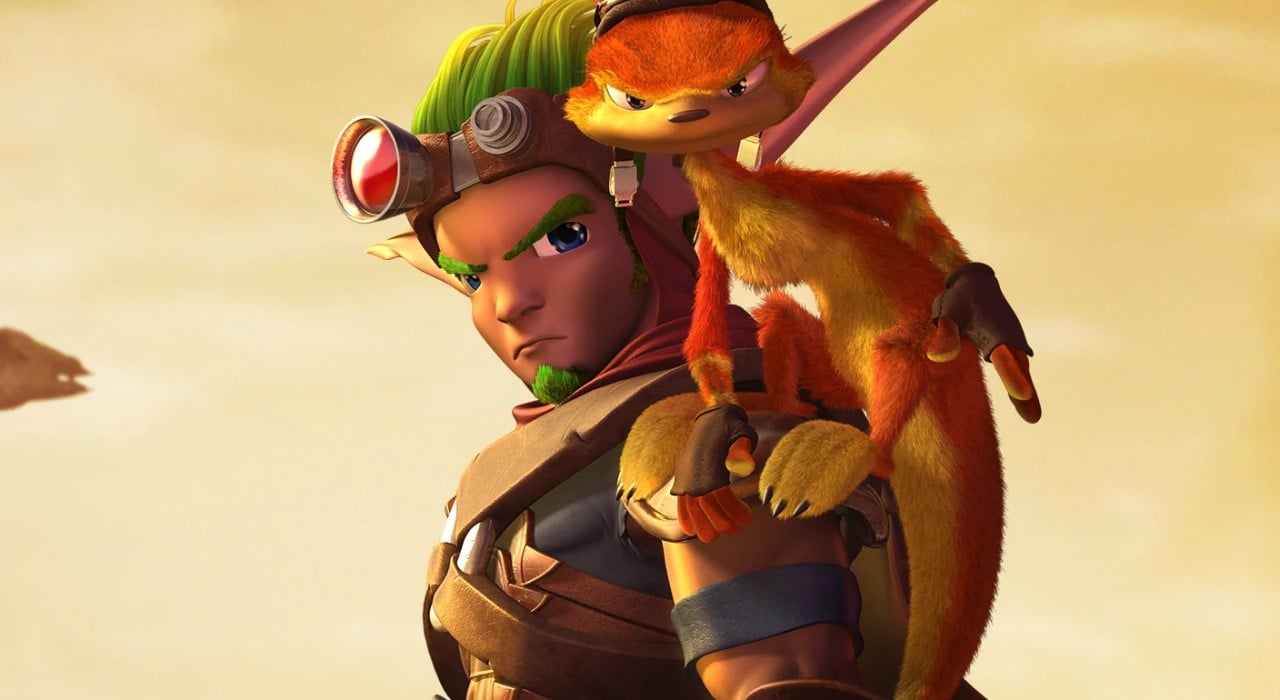
The journey to port the entire Jak & Daxter trilogy to PC has been a meticulously phased effort, reflecting the complexity of each game and the iterative nature of open-source development. The project began with the foundational title, Jak & Daxter: The Precursor Legacy, which, as per the developers, is currently the most stable and polished of the three, no longer considered to be in a "beta" state. Its relatively simpler design compared to its sequels, which introduced more complex mechanics, open-world elements, and narrative depth, likely made it an ideal starting point for refining the decompilation and porting pipeline.
Following the success with The Precursor Legacy, the OpenGoal team progressed to Jak II. This sequel marked a significant departure for Naughty Dog, shifting from the vibrant, linear platforming of the first game to a darker, more mature narrative with open-world elements and vehicular combat. Porting Jak II introduced new layers of complexity, from handling its larger environments to integrating its diverse gameplay systems. While the PC port of Jak II is fully completable, it is currently in a beta phase, with the development team actively working to address identified audio bugs and graphical inconsistencies.
The culmination of this ambitious endeavor arrived with the beta release of Jak 3 earlier this week. The announcement was strategically timed on April 1st, leading to initial skepticism among some fans who feared it might be an elaborate April Fool’s prank. However, subsequent clarifications and the immediate availability of the beta quickly confirmed its legitimacy. Jak 3 built upon the foundations of Jak II, expanding the open world, introducing new vehicle types, and refining combat mechanics. Similar to Jak II, its PC port is currently in beta, with developers acknowledging the presence of minor audio and graphical issues that are slated for future patches and refinements. The YouTube trailer announcing the Jak 3 port served as a powerful demonstration of the project’s progress and the quality of the native PC experience.
Unlocking Modern Potential: Technical Enhancements and Player Experience
The native PC ports delivered by the OpenGoal project offer a suite of technical enhancements that significantly upgrade the player experience beyond what was possible on the original PlayStation 2 hardware or through typical emulation. These improvements are not merely cosmetic; they fundamentally alter how the games are played and perceived on modern systems.
One of the most notable enhancements is widescreen support. The original PS2 games were designed for 4:3 aspect ratio televisions. The OpenGoal ports natively adapt to modern 16:9, 21:9, and even wider monitors, providing a more immersive and expansive view of the games’ meticulously crafted environments. This isn’t achieved through simple stretching, which distorts the image, but through a proper rendering of additional screen real estate, preserving the artistic integrity of the original design.
Coupled with widescreen is support for 4K Ultra HD resolution. This dramatically increases the visual fidelity, making textures sharper, models more detailed, and environmental elements more crisp. The vibrant art direction of Jak & Daxter truly shines in 4K, revealing details that were previously obscured by the limitations of standard definition. The difference is akin to seeing a classic painting restored and displayed with perfect lighting.

Perhaps the most impactful improvement for gameplay is the ability to run the games at a consistent 60 frames per second (FPS), and even higher for those with capable hardware and monitors. The original PS2 versions often struggled to maintain a stable 30 FPS, particularly in busy areas or during intense combat sequences. A higher frame rate translates directly into smoother animations, more responsive controls, and a more fluid overall gameplay experience. For fast-paced platformers and action games like Jak & Daxter, this responsiveness is crucial and significantly elevates the player’s engagement and precision.
Beyond visual and performance upgrades, the native ports offer greater support for online modding. Open-source projects inherently foster community involvement, and the ability to easily create and implement mods can drastically extend a game’s lifespan. From cosmetic changes and new character skins to custom levels, gameplay tweaks, and even entirely new content, modding empowers players to personalize their experience and contribute to the game’s evolving legacy. This robust modding framework ensures that the Jak & Daxter trilogy will continue to be explored and enjoyed in innovative ways for years to come.
Furthermore, the cross-platform compatibility with Windows, Linux, and Mac operating systems ensures that a broad spectrum of PC users can access these titles without resorting to virtual machines or complex compatibility layers. This broad accessibility is a testament to the open-source philosophy and the team’s commitment to making the games available to as many fans as possible.
Addressing Remaining Challenges and Future Development Paths
While the OpenGoal project has made remarkable strides, the development team remains transparent about the current state of the Jak II and Jak 3 ports. Both titles are officially in beta, meaning that while they are fully completable, they are not entirely without imperfections. The developers have specifically cited the presence of "some audio bugs and graphical issues" that they intend to "iron out first before considering things done and dusted." This commitment to refinement underscores their dedication to delivering a truly polished and definitive experience for players. Inferred statements from the team would likely emphasize their ongoing efforts in community feedback integration, iterative patching, and meticulous debugging to resolve these known issues and bring both sequels to the same level of stability as Jak & Daxter: The Precursor Legacy.
Looking beyond the core trilogy, the question of whether other Jak & Daxter titles might receive similar treatment has been a frequent point of discussion within the community. The OpenGoal team has directly addressed this in their FAQ, providing clear guidelines for their project scope. The PlayStation Portable (PSP) spin-off titles, Daxter (developed by Ready At Dawn) and Jak and Daxter: The Lost Frontier (developed by High Impact Games), are currently not being considered for porting. The primary reason for this exclusion is technical: these games run on completely different engines and were not developed by Naughty Dog. This distinction is crucial, as the OpenGoal project’s expertise and tooling are specifically tailored to Naughty Dog’s GOAL engine. Porting these PSP titles would effectively require building entirely new decompilation and porting pipelines from scratch, a task that falls outside the current scope and resources of the team.
However, the situation for the PlayStation 2 racing spin-off, Jak X: Combat Racing, is more ambiguous. This title is unique in that it also utilizes Naughty Dog’s Game Oriented Assembly Lisp (GOAL) as its primary programming language. This shared technical foundation makes it a potential candidate for decompilation and porting by the OpenGoal team. Despite this compatibility, the team has stated that they have "yet to decide whether it will be decompiled." The reasons for this indecision could stem from several factors. Jak X is a racing game, a genre with distinct technical requirements, physics engines, and online multiplayer components that differ significantly from the platforming and action-adventure mechanics of the main trilogy. Adapting the existing tools and processes for a racing game might present a new set of complex challenges that the team needs to evaluate before committing resources. Nevertheless, its shared engine makes it the most likely candidate for a future OpenGoal endeavor should the team decide to expand their focus.
Broader Implications: Game Preservation and Community Empowerment
The OpenGoal project’s success with the Jak & Daxter trilogy represents a significant victory not just for the series’ fans, but for the broader field of video game preservation. As technology rapidly evolves, older games often become inaccessible due to decaying original hardware, obsolete operating systems, and a lack of official support from intellectual property holders. Fan-driven decompilation and porting projects like OpenGoal serve as vital safeguards against this digital entropy. By creating native ports, these projects decouple games from their original platforms, ensuring they remain playable and observable for future generations, independent of emulation or reliance on increasingly rare legacy systems. This contrasts sharply with official remasters or re-releases, which often come with a price tag, may introduce new bugs or changes, or simply never materialize for many beloved titles. Open-source initiatives, while requiring users to own the original game for legal reasons, offer a community-driven, often free, path to experiencing classics in their most authentic yet enhanced forms.
Furthermore, the project highlights the immense power of community empowerment in the digital age. Driven by passion, technical skill, and a shared love for a particular game series, volunteers from around the world have collaborated to achieve something that even the original developers might deem a monumental undertaking. This model of open-source development for game preservation demonstrates how collective effort can fill the gaps left by official channels, fostering a vibrant ecosystem of modders, developers, and enthusiasts. The transparent nature of open-source projects also allows for continuous improvement, bug fixes, and feature additions, often at a pace and with a level of dedication unmatched by commercial entities.
While the OpenGoal project operates within a legally ambiguous space, it generally navigates these waters by requiring users to provide their own copies of the original games. This practice typically sidesteps direct copyright infringement claims as no copyrighted game code is distributed directly by the project. Instead, OpenGoal provides the framework and tools to rebuild the game from legitimate assets. This careful approach allows such projects to flourish while respecting intellectual property boundaries.
The success of OpenGoal also sends a clear message to publishers like Sony and developers like Naughty Dog. It demonstrates an undeniable and enduring demand for these classic titles on modern platforms. While Sony has previously released PS2-era Jak & Daxter titles as emulated versions on PlayStation 3, PlayStation 4, and PlayStation 5, these have generally lacked the native performance enhancements and features offered by OpenGoal. The fan project might serve as an inspiration, or perhaps even a challenge, for official efforts to bring these beloved games to a wider audience with the fidelity they deserve. It underscores that players are not just looking for access, but for an optimized, future-proofed experience.
Accessing the OpenGoal Ports and Contributing to the Project
For Jak & Daxter enthusiasts eager to dive into these enhanced PC versions, the process involves a few key steps. First and foremost, players must own a legitimate copy of the original PlayStation 2 games. This is a crucial legal and ethical requirement for utilizing the OpenGoal project’s tools. Once an original game copy is obtained, users can follow the detailed installation instructions provided on the official OpenGoal website. The website serves as the central hub for all information, including documentation, downloads, and community forums.

The installation process typically involves using the OpenGoal tools to extract assets from the original game disc or ISO image, and then compiling the decompiled code into a native PC executable. The website provides comprehensive guides tailored for Windows, Linux, and Mac users, ensuring accessibility for a wide range of technical proficiencies.
Beyond simply playing the games, the OpenGoal project actively encourages community participation. Players encountering bugs are urged to report them, providing valuable feedback that helps the development team refine the ports. Those with programming expertise may even contribute directly to the project’s codebase, aiding in bug fixes, feature development, or exploring new avenues like the Jak X port. This collaborative spirit is what drives open-source projects and ensures their continued growth and success.
In conclusion, the OpenGoal project’s completion of native PC ports for the entire Jak & Daxter trilogy stands as a monumental achievement in game preservation and fan-driven development. By offering superior performance, modern graphical enhancements, and robust modding support, it breathes new life into Naughty Dog’s iconic series. As the team continues to refine Jak II and Jak 3 and potentially contemplates future expansions, the legacy of Jak and Daxter is firmly secured for a new era of gaming.