Hartono Sudibyo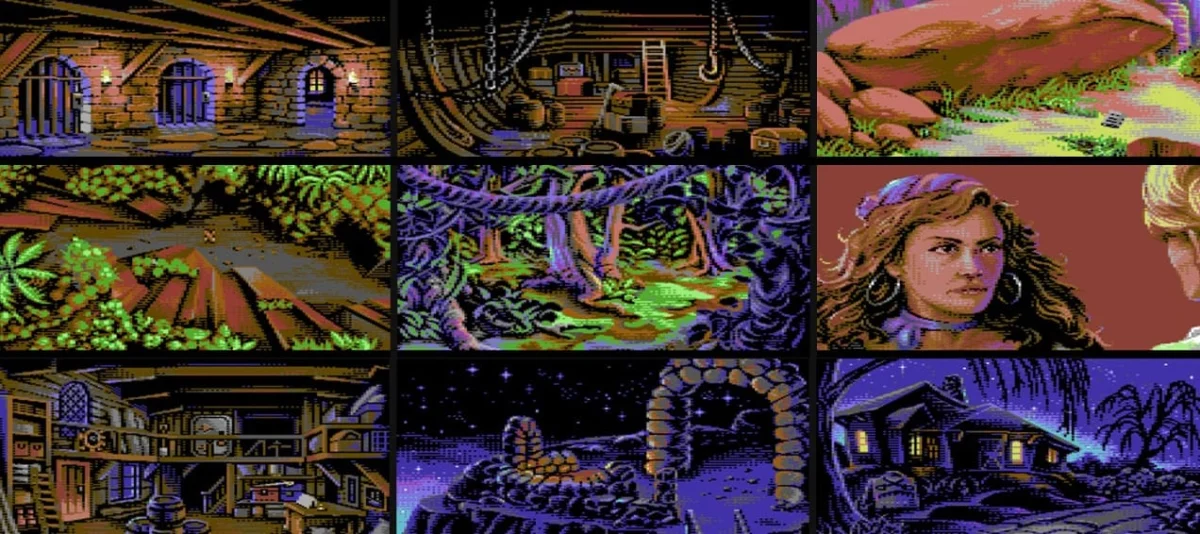
The enduring legacy of The Secret of Monkey Island, a groundbreaking graphic adventure game released in 1990 by Lucasfilm Games, continues to captivate audiences over three and a half decades after its initial debut. Its compelling narrative, witty dialogue, and innovative point-and-click interface cemented its place in gaming history. Now, in a remarkable testament to the game’s lasting appeal and the dedication of retro gaming enthusiasts, a new project is underway to bring the complete Secret of Monkey Island experience to the venerable Commodore 64. This ambitious undertaking, spearheaded by artist Andreas Larsson, aims to meticulously recreate every scene, character, and animation for the iconic 8-bit platform, offering a fresh perspective on a beloved classic.
A Labor of Love: The Genesis of The Monkey Island Project for C64
The decision to port The Secret of Monkey Island to the Commodore 64, a platform that predates the original game by nearly a decade, is a testament to the passion driving this project. The Commodore 64, released in 1982, was renowned for its impressive graphics and sound capabilities for its era, but it operated within significantly more constrained technical limitations compared to the 16-bit and 32-bit systems for which The Secret of Monkey Island was originally developed. The original game utilized the SCUMM (Script Creation Utility for Maniac Mansion) engine, which facilitated complex graphical adventures but was designed for more powerful hardware.

Andreas Larsson, the driving force behind this initiative, is undertaking the monumental task of hand-drawing all visual assets. This includes every background, character sprite, and animation frame. The goal is not merely to adapt the existing game but to create a version that feels authentic to the Commodore 64’s aesthetic while faithfully preserving the spirit and gameplay of the original. This approach signifies a deep respect for both the source material and the target hardware, aiming for a harmonious blend of nostalgia and technical ingenuity.
Technical Challenges and Artistic Solutions
Translating a game designed for systems with significantly more processing power and memory into an 8-bit environment presents formidable technical hurdles. The original Secret of Monkey Island featured a rich color palette, detailed environments, and fluid animations that were state-of-the-art for its time. Replicating this on the Commodore 64, which had a maximum of 16 simultaneous colors on screen and a much more limited memory capacity, requires considerable artistic and technical adaptation.
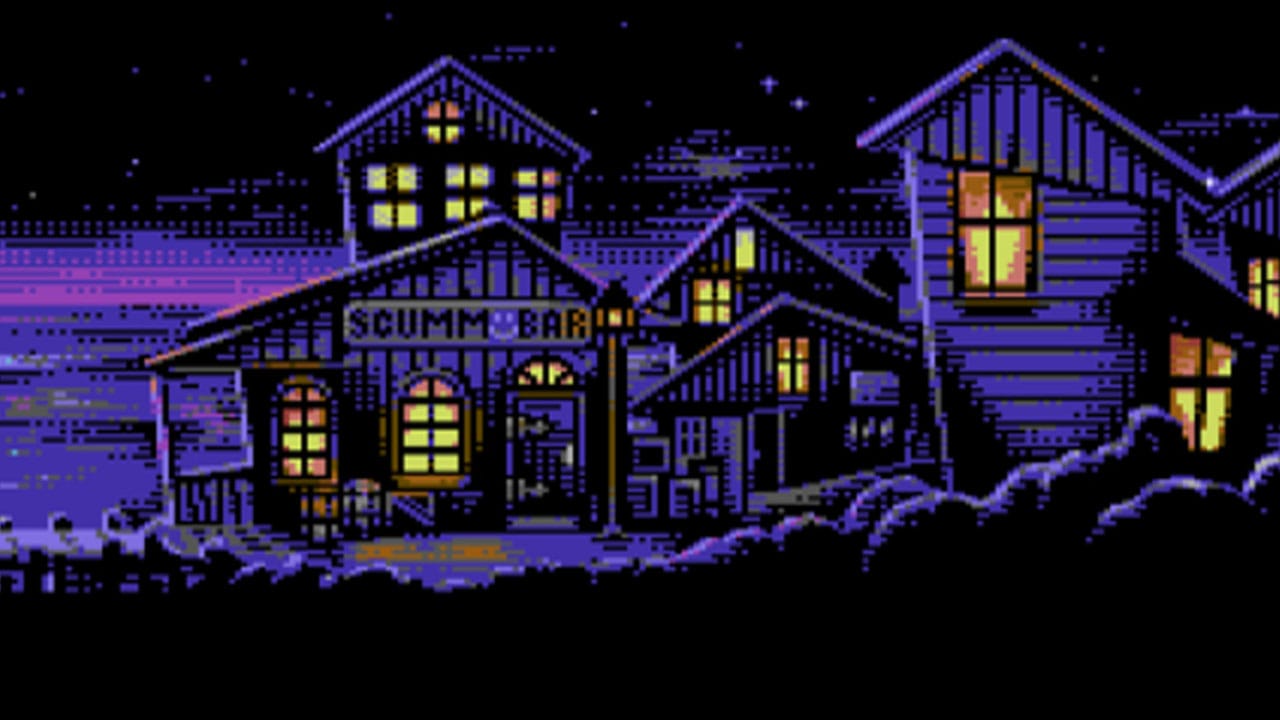
Larsson’s approach of hand-drawing all assets is crucial in overcoming these limitations. By meticulously crafting each element with the C64’s constraints in mind, he can optimize the visuals for the platform. This process involves careful consideration of sprite limitations, color cycling techniques, and efficient data storage, all while ensuring the distinctive visual style of Monkey Island is maintained. The visual output, as demonstrated in early previews, showcases a remarkable achievement, with familiar scenes like the Scumm Bar rendered with a charm and detail that honors the original while clearly belonging to the C64’s graphical vocabulary. This artistic interpretation ensures that the limitations of the hardware become a feature, contributing to a unique aesthetic rather than a detriment.

A Timeline of Dedication and Progress
While a definitive release date for the complete Monkey Island Project on the Commodore 64 has not been officially announced, the ongoing development suggests a project that has been in progress for a considerable period. The nature of hand-drawing and coding for such a platform implies a development cycle measured in years rather than months. Each screenshot and video released offers a glimpse into the painstaking progress being made, detailing specific locations and character interactions.
The development can be broadly contextualized within the broader resurgence of interest in retro gaming and homebrew development. Platforms like the Commodore 64 continue to foster vibrant communities that actively develop new software and hardware. Projects like this represent the pinnacle of that dedication, pushing the boundaries of what was once thought possible on these older machines. The evolution of such projects often follows a pattern: initial concept and proof-of-concept, followed by the meticulous creation of individual assets and game mechanics, culminating in beta testing and eventual release. The current stage of The Monkey Island Project appears to be in a robust phase of asset creation and integration, with significant portions of the game’s visual landscape already realized.
Community Reaction and Support
The announcement and ongoing updates regarding The Monkey Island Project have been met with widespread enthusiasm within the retro gaming community. Forums, social media, and dedicated retro gaming websites have buzzed with discussions and praise for Larsson’s efforts. Many see this project not just as a technical feat but as a heartfelt tribute to a game that holds a special place in their gaming memories.
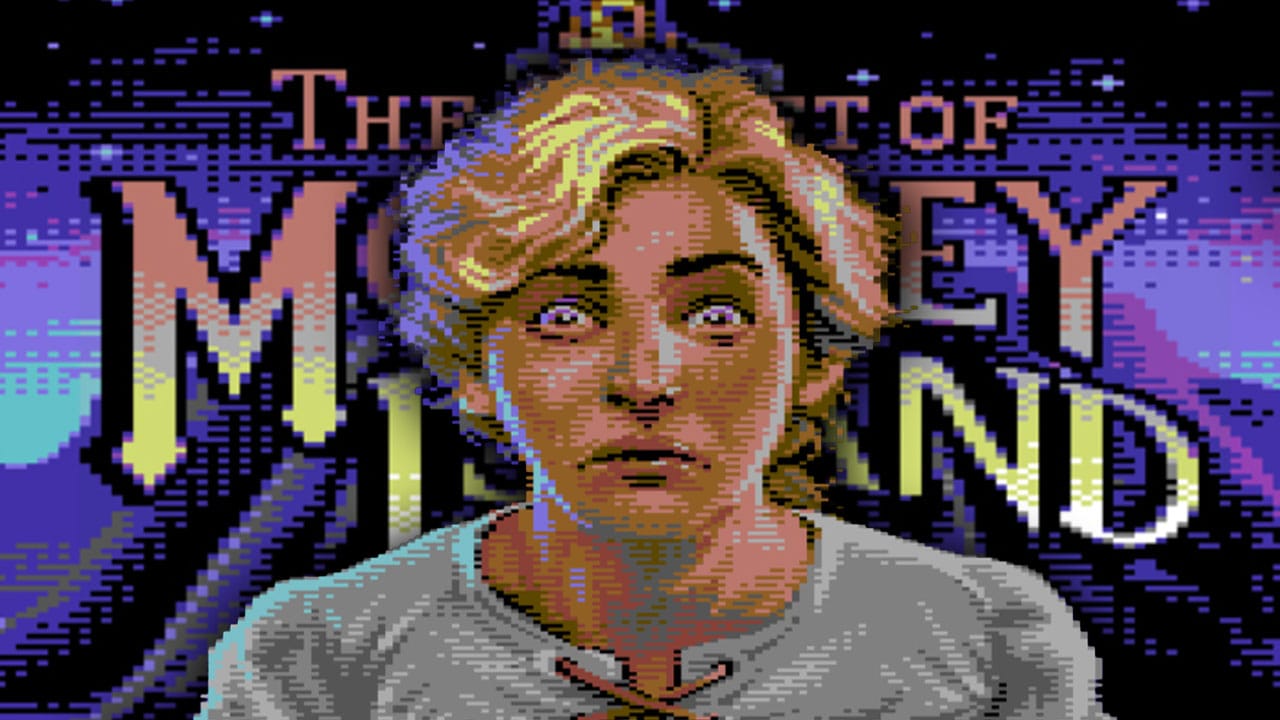
The ability to experience a game of The Secret of Monkey Island‘s complexity on an 8-bit machine evokes a sense of wonder and nostalgia. For many, the Commodore 64 was their gateway into the world of computing and gaming, and the prospect of playing one of the most iconic adventure games of all time on that very hardware is deeply appealing. Support for such projects often comes in various forms, from direct financial contributions to spreading awareness and offering encouragement. The Retro Dodo publication, which has featured updates on the project, also highlights pathways for community support, such as paid memberships and direct tipping, underscoring the independent nature of such endeavors and the reliance on community backing.
The Broader Implications of the Monkey Island C64 Port
The Monkey Island Project for the Commodore 64 has implications that extend beyond mere fan service. It serves as a powerful demonstration of the continued relevance and potential of retro computing platforms. In an era dominated by high-fidelity graphics and complex game engines, projects like this highlight the enduring appeal of gameplay, narrative, and creative problem-solving, regardless of the underlying technology.
Furthermore, such undertakings contribute to the preservation of gaming history. By recreating classic games on their original or even older hardware, developers ensure that these experiences remain accessible and can be appreciated by new generations of gamers and historians. The meticulous detail involved in Larsson’s work also serves as an educational resource, offering insights into the artistic and technical challenges faced by game developers in the 8-bit era.
The success of this project could inspire further ambitious ports and remakes, encouraging developers to explore the creative possibilities of retro platforms. It underscores the fact that innovation in gaming is not solely about pushing the boundaries of graphical fidelity but also about ingenuity, artistic vision, and a deep understanding of what makes a game compelling. The passion project by Andreas Larsson is not just about bringing The Secret of Monkey Island to the C64; it’s about celebrating the art of game development and the timeless power of a well-told story, proving that with enough dedication, even the most seemingly insurmountable technical barriers can be overcome to bring beloved digital worlds to life in new and exciting ways. The future of retro gaming is, in many ways, being written by the dedication and artistry of individuals like Andreas Larsson, ensuring that classics continue to resonate and find new audiences for decades to come.