Hartono Sudibyo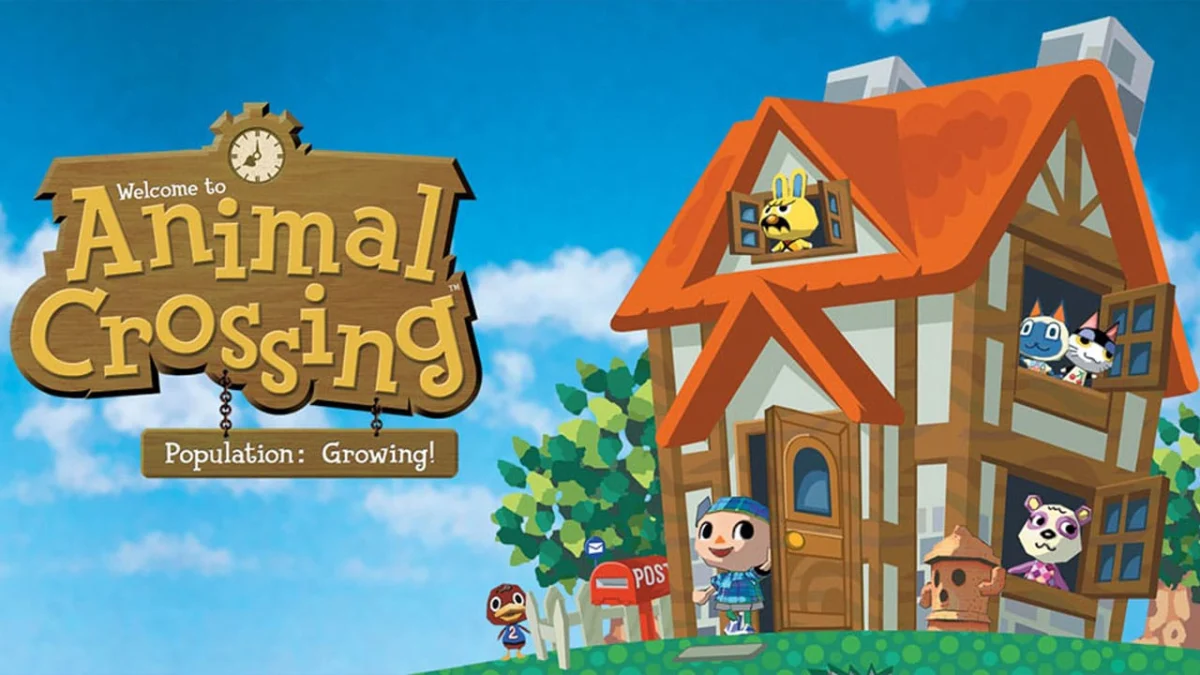
The iconic life-simulation game, Animal Crossing, originally released for the Nintendo 64 as Dōbutsu no Mori in 2001 and later popularized on the GameCube, has now received a native PC port. This development allows fans to experience the charming island life on their computers and Steam Decks, complete with enhanced features and modern control options. The port, made available through GitHub, requires users to possess a legally acquired GameCube ROM of the original game to function, operating within a complex legal framework surrounding ROM hacks and emulation.
A Legacy of Cozy Gaming
Animal Crossing’s journey began over two decades ago, establishing itself as a cornerstone of the life-simulation genre. Its enduring appeal lies in its relaxing gameplay loop, focusing on community building, resource management, and social interaction with anthropomorphic animal villagers. The series gained significant traction during the COVID-19 pandemic, offering a much-needed escape and sense of normalcy for millions of players worldwide. Its ability to foster a sense of accomplishment and provide a peaceful digital sanctuary has cemented its status as a beloved franchise.
The original GameCube release, while foundational, presented certain limitations by today’s standards. The advent of this unofficial PC port addresses many of these by introducing modern conveniences. Players can now utilize both controller and keyboard inputs for seamless gameplay. Furthermore, the port boasts several quality-of-life improvements, mirroring the trend seen in other fan-made PC ports of classic console titles, particularly those originating from the Nintendo 64 era.
Technical Enhancements and Accessibility
This new PC port of Animal Crossing offers a suite of graphical and performance enhancements. Users can adjust display modes, fine-tune render resolutions, and experiment with different texture modes. The ability to modify frame rates further contributes to a smoother and more personalized gaming experience. These features are particularly significant for players utilizing modern high-resolution displays, allowing for a sharper and more immersive presentation of the game’s familiar environments and characters. The potential for 4K resolution on capable hardware represents a substantial visual upgrade from the original GameCube’s output.
The availability of these customizable options reflects a growing demand for retro games to be playable on contemporary systems with modern amenities. While Nintendo has released newer iterations of Animal Crossing, such as the immensely popular Animal Crossing: New Horizons for the Nintendo Switch, this PC port caters to a niche of players seeking to revisit or discover the roots of the series in a format that aligns with their current gaming setups. The inclusion of Steam Deck compatibility further broadens its accessibility, allowing for on-the-go play of this classic title.

The Mechanics of the Port and Legal Considerations
The distribution of the Animal Crossing PC port via GitHub is a testament to the ingenuity and dedication of the retro gaming community. The port itself acts as a wrapper, enabling the GameCube ROM to run natively on a PC architecture. This approach necessitates that individuals provide their own legally obtained game files. The developers have emphasized the importance of adhering to copyright laws, a critical aspect given the legal ambiguities surrounding ROMs and emulators.
Timeline of Animal Crossing’s Evolution:
- 2001: Dōbutsu no Mori released on Nintendo 64 in Japan.
- 2002: Animal Crossing released on Nintendo GameCube in North America, featuring expanded gameplay and multiplayer.
- 2005: Animal Crossing: Wild World released on Nintendo DS, introducing Wi-Fi connectivity for online play.
- 2008: Animal Crossing: City Folk released on Wii, featuring motion controls and the ability to transfer data from the DS version.
- 2012: Animal Crossing: New Leaf released on Nintendo 3DS, offering extensive customization options and town management.
- 2020: Animal Crossing: New Horizons released on Nintendo Switch, achieving massive global success, particularly during the COVID-19 pandemic.
- March 17, 2026 (Update Date): A native PC port of the original GameCube Animal Crossing is made available, allowing play on modern computers and Steam Deck.
The legal disclaimer accompanying the port’s release is crucial. It highlights that ROM hacks and unofficial ports exist in a "complex legal grey area." While the creation and personal use of such modifications might be permissible for individuals who legally own the original game, distributing copyrighted material without authorization is illegal. This places the onus on the user to ensure their actions comply with all applicable copyright laws. The developers have taken a responsible stance by providing the tools and clearly delineating the user’s obligations.
Community Reactions and Future Prospects
The emergence of this PC port has been met with enthusiasm within the retro gaming community. Forums and social media platforms dedicated to emulation and classic gaming have buzzed with discussions about the port’s features and performance. Many express excitement at the prospect of reliving their childhood memories with enhanced visuals and modern controls.
While the current port focuses on the original GameCube experience, the mention of potential mods hints at future possibilities. The article speculates humorously about the integration of pop culture elements, but in a more serious vein, mods could introduce new content, gameplay mechanics, or even cosmetic changes, further extending the life and replayability of this classic title on PC. This mirrors the vibrant modding scenes that have developed around other beloved retro games that have received similar unofficial ports.
The success of this port could also encourage further unofficial preservation and enhancement efforts for other console classics. As official emulation options remain limited for certain older titles, fan-made projects play a vital role in ensuring that these games are accessible to new generations of players.

Broader Impact on Retro Gaming Preservation
The Animal Crossing GameCube PC port is more than just a way to play an old game; it represents a significant development in the ongoing effort to preserve and enhance gaming history. Fan-made ports and emulators have become indispensable tools for keeping older titles alive, especially when official avenues are scarce or nonexistent.
Key Implications:
- Accessibility: The port makes a beloved classic accessible on platforms many gamers already own and use daily.
- Preservation: By creating a native PC version, the port contributes to the long-term preservation of the game’s data and functionality.
- Enhancement: Quality-of-life improvements and graphical options offer a superior experience compared to original hardware or less sophisticated emulators.
- Community Empowerment: Such projects showcase the power of dedicated communities to contribute to the gaming landscape, often filling gaps left by official releases.
- Legal Dialogue: The existence of such ports inevitably fuels discussions about intellectual property, copyright, and the ethics of emulation and ROM sharing.
While Nintendo has a history of protecting its intellectual property, the reality of fan-made preservation projects is that they often operate in a space where official support is lacking. The legal disclaimer accompanying this port is a critical component, aiming to mitigate potential issues by emphasizing user responsibility and legal compliance. The success and continued availability of such projects often depend on a delicate balance between community enthusiasm and legal considerations.
The developers’ choice to distribute through GitHub, a platform known for open-source collaboration, also aligns with the spirit of community-driven development. This allows for transparency and potential contributions from other developers interested in retro gaming preservation.
In conclusion, the native PC port of Animal Crossing for GameCube marks a significant moment for fans of the series and retro gaming enthusiasts alike. It provides a modern gateway to a cherished classic, offering enhanced playability and a glimpse into the enduring appeal of one of gaming’s most comforting franchises. As the digital landscape continues to evolve, projects like these underscore the vital role of the community in ensuring that gaming’s rich history remains accessible and enjoyable for years to come. The legal framework surrounding these endeavors remains a critical point of discussion, but the enthusiasm and technical prowess demonstrated by the developers highlight a passionate commitment to keeping gaming’s past alive and vibrant.