 Hartono Sudibyo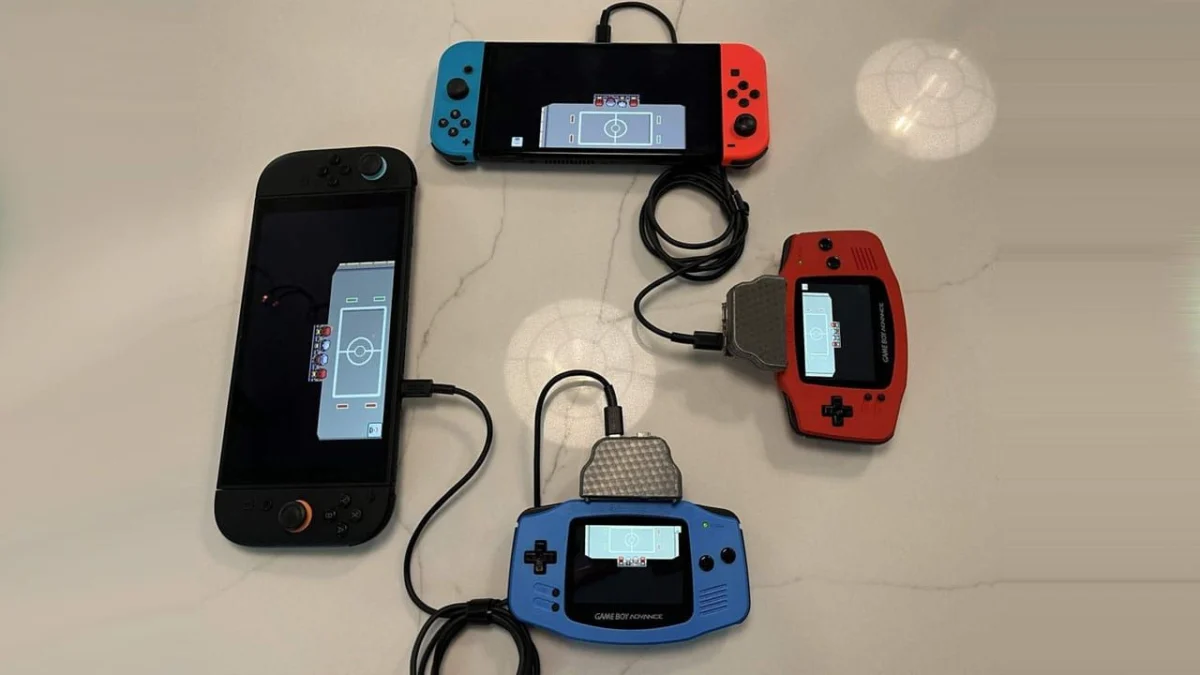
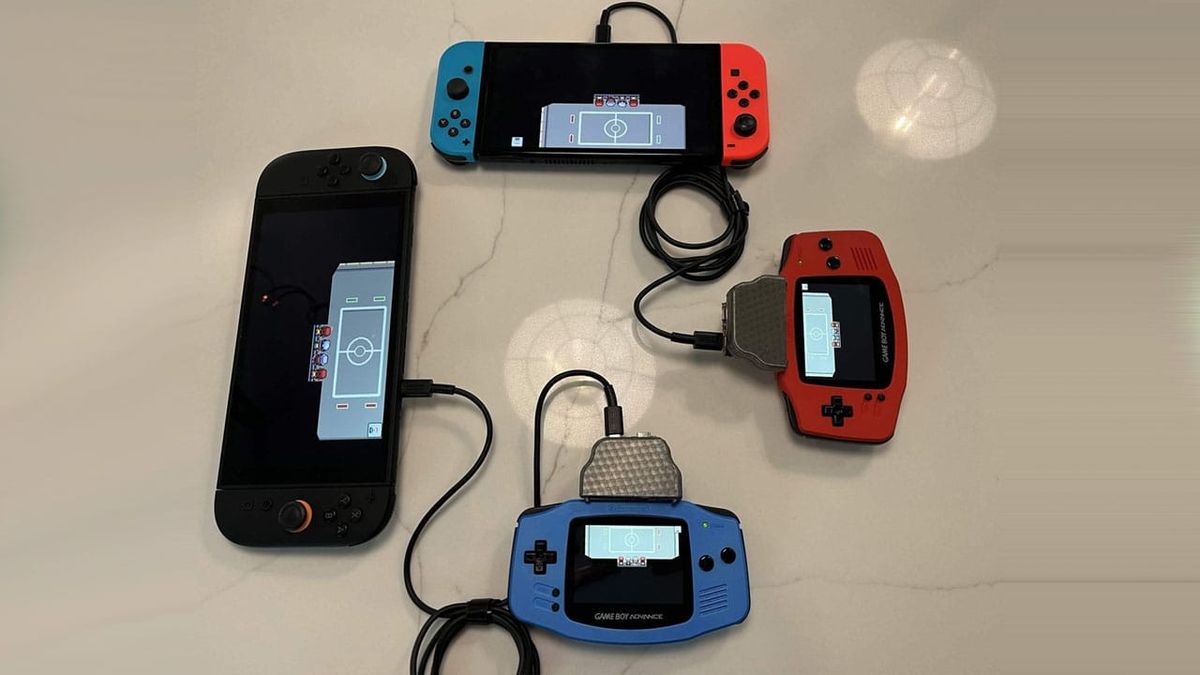
Hardware modification developer DrewWorks has announced the upcoming commercial release of the RetroSync adapter, a specialized hardware interface designed to allow original Game Boy Advance (GBA) and GBA SP handheld consoles to communicate, trade, and battle with modern Nintendo Switch and Switch 2 systems. Scheduled to launch in early December at a retail price of £39, the device represents a significant engineering achievement in bridging legacy gaming hardware with contemporary platforms, specifically targeting titles within the Pokémon franchise.
Main Facts of the Release
The RetroSync adapter eliminates the technological divide separating fifth- and sixth-generation handheld hardware from modern console architectures. Utilizing a physical connection to the original GBA link port on one end and a standard USB-C interface on the other, the device translates legacy serial communication protocols into data streams readable by contemporary Nintendo consoles.
At launch, the hardware supports authentic physical copies of Pokémon FireRed, Pokémon LeafGreen, and Pokémon Emerald, enabling users to join specific multiplayer modes and conduct trades directly from original cartridges. The device operates on a plug-and-play basis, requiring no complex software installation or configuration from the end user. Furthermore, DrewWorks has integrated firmware update capabilities into the hardware architecture, ensuring that the adapter can receive patches for future feature implementations and expanded game compatibility. An interest list is currently active via Shopify, allowing prospective buyers to register for launch notifications ahead of the December release window.
Chronology of Development
The development cycle for the RetroSync adapter progressed at an accelerated pace, catching the retro gaming community by surprise.
Early September 2026: DrewWorks publicly demonstrated the initial proof-of-concept hardware via social media platform X, formerly Twitter. The early prototype consisted of exposed circuit boards, soldered jumper wires, and multiple discrete connectors. At the time of the initial disclosure, the developer noted that substantial engineering challenges remained before the product could be deemed commercially viable, leading industry observers to predict a release window in mid-2027 or later.
Mid-September 2026: Iterative hardware refinements focused on miniaturization, signal stability, and housing design. The developer transitioned from a sprawling breadboard setup to an integrated, self-contained unit capable of interfacing cleanly with both original GBA hardware and the redesigned clamshell GBA SP.
September 30, 2026: DrewWorks officially confirmed that the engineering phase was largely complete, showcasing a sleek, polished production-ready unit. Simultaneously, the developer announced a finalized release date of early December 2026, established the £39 pricing structure, and opened the official interest list for consumers.
Supporting Data and Technical Context
The engineering challenge of connecting a Game Boy Advance to a Nintendo Switch lies fundamentally in protocol translation. Released in 2001, the Game Boy Advance utilizes a proprietary serial communication port operating on legacy timing signals and voltage levels designed for inter-console communication over physical link cables. Conversely, the Nintendo Switch and its successor utilize modern USB-C protocols, operating on vastly different data transfer rates and software frameworks.
DrewWorks engineered the RetroSync adapter to sit between these two disparate ecosystems. By decoding the serial data packets originating from the GBA link port—particularly those generated during Pokémon generation three trading sequences—the adapter converts the signals into a format recognized by modern software environments running on the Switch.
Compatibility is currently restricted to Pokémon FireRed, LeafGreen, and Emerald, which form the cornerstone of third-generation Pokémon titles released between 2004 and 2005. The inclusion of an updatable firmware flash chip indicates that the developer anticipates expanding this compatibility list post-launch, potentially incorporating other multiplayer-compatible GBA titles or adapting to future console firmware updates issued by Nintendo.

Official Responses and Community Reactions
The announcement of the RetroSync adapter has generated substantial engagement within both the retro gaming and modern Nintendo communities. Industry analysts note that hybrid hardware solutions of this nature bridge a persistent gap left by official corporate platforms. While Nintendo has historically offered legacy content through subscription services such as Nintendo Switch Online, these digital emulations rarely support cross-generation connectivity or allow users to utilize physical legacy cartridges and save files.
DrewWorks has positioned the project as a community-driven hardware initiative, emphasizing accessibility through its sub-£40 price point. By maintaining transparency throughout the rapid three-week development cycle, the developer garnered significant technical validation from peers in the hardware modification sector. Consumer response on digital storefronts and social media channels has been overwhelmingly positive, reflected in high volumes of sign-ups for the pre-launch interest list.
Broader Impact and Market Implications
The introduction of the RetroSync adapter highlights the sustained commercial and cultural value of physical retro media. In an era where digital distribution and cloud-based preservation dominate the gaming landscape, hardware modifications that preserve the utility of physical cartridges continue to find a dedicated market.
From an economic perspective, devices like RetroSync breathe new life into the secondary market for original game cartridges and aging hardware. By enabling vintage hardware to interface with modern display and networking technology, developers are creating a symbiotic relationship between past and present gaming ecosystems.
Furthermore, the project demonstrates the viability of independent hardware engineering in solving complex compatibility problems that major corporate entities often deem commercially unviable. As the retro gaming community awaits the official December launch, the success of the RetroSync adapter may pave the way for similar cross-generational peripherals, influencing how enthusiasts preserve and interact with gaming history in the decades to come.