
 Hartono Sudibyo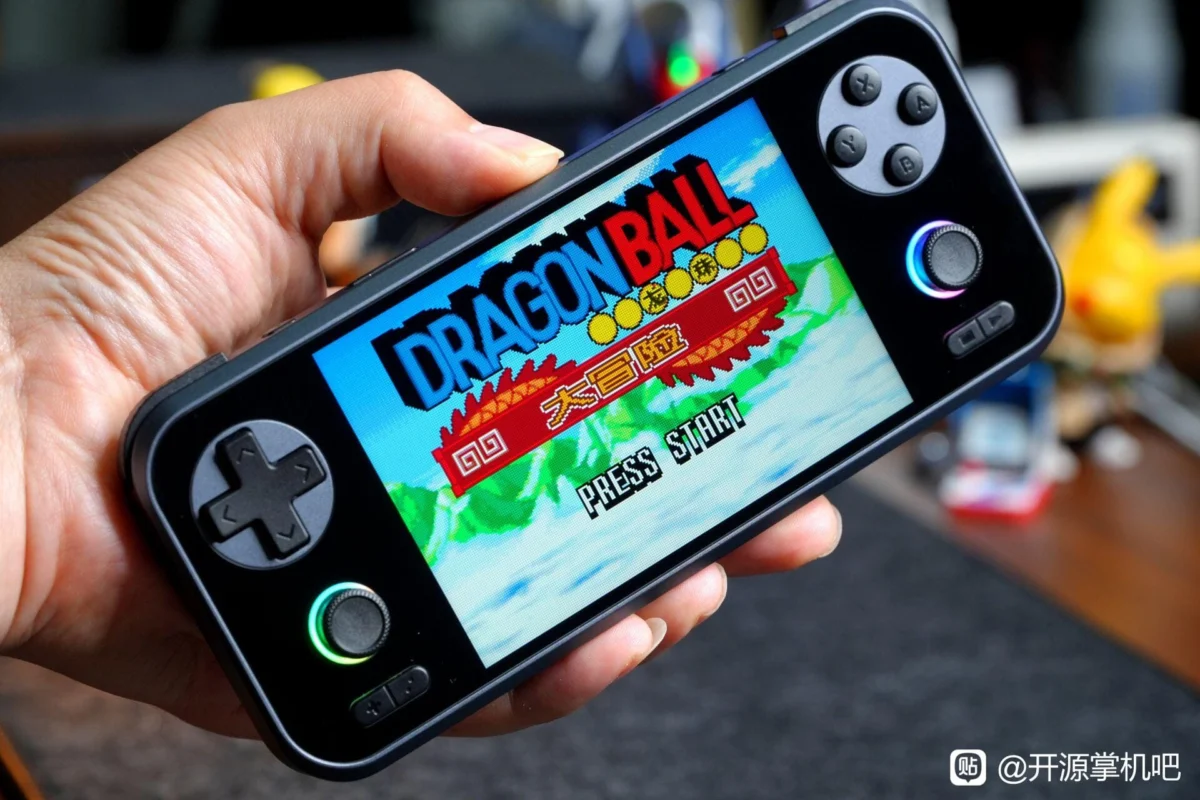
The landscape of retro handheld gaming is experiencing a significant resurgence, marked by a series of upcoming releases and intriguing teases from prominent figures in the industry. This renewed activity suggests a burgeoning interest in portable retro gaming devices, catering to a dedicated community of enthusiasts. Recent developments include the impending launch of the ANBERNIC RG Rotate, the unveiling of a new colorway for the ANBERNIC RG34XXSP, and now, a compelling glimpse into a forthcoming device from Lao Zhang, a respected designer known for his innovative collaborations within the Chinese retro handheld market.
Lao Zhang: A Legacy of Unique Handheld Designs
Lao Zhang has carved a niche for himself in the retro gaming hardware sector through his distinctive design philosophies. His previous work includes a notable collaboration with GKD on the Pixel II, a device that garnered acclaim for its successful integration of miniature handheld technology with a robust metal body, a design characteristic that has proven difficult for other manufacturers to replicate. The Pixel series, in particular, remains a benchmark for its blend of aesthetic appeal and functional engineering, demonstrating Zhang’s ability to conceptualize and bring to market devices that resonate with collectors and gamers alike.
Further cementing his reputation for creative hardware solutions, Zhang was also instrumental in the development of the LG Wing handheld in 2022. This limited-edition device, which utilized the screen and internal components of a repurposed LG Wing smartphone, offered a unique vertical form factor with an ergonomic design. The success and distinctiveness of these past projects have generated considerable anticipation for his latest endeavor.
The Emergence of the Yoo1: A Glimpse into Future Competition
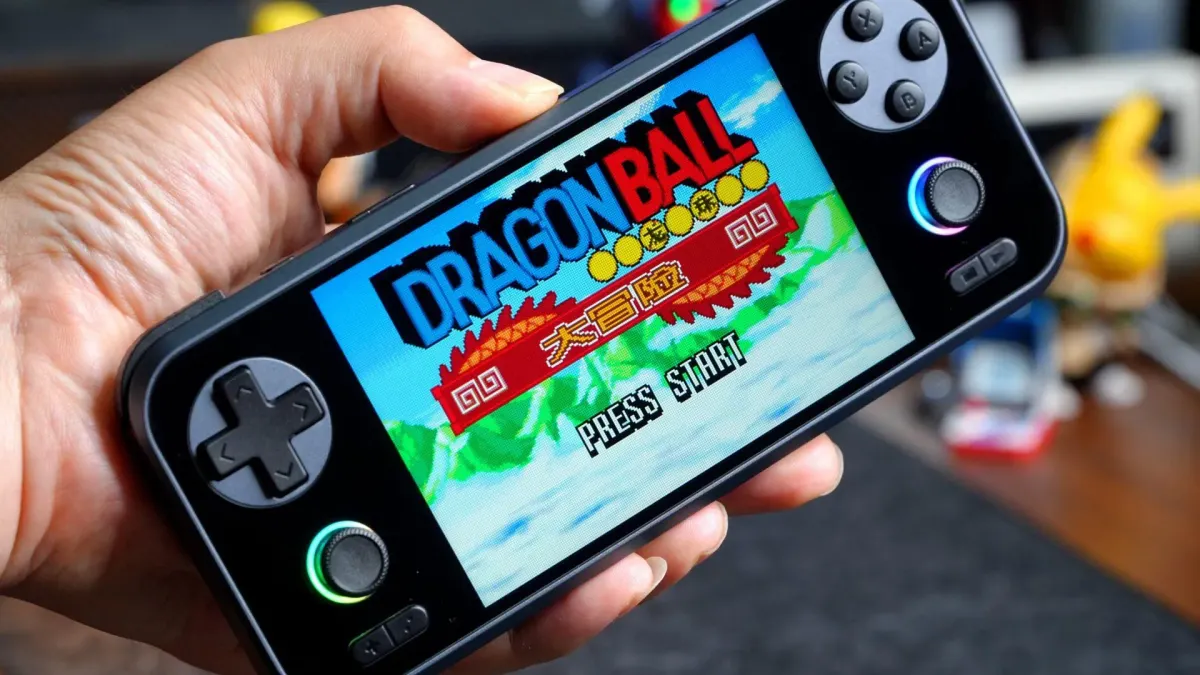
The latest revelation from Lao Zhang is a new horizontal Android handheld, currently codenamed "Yoo1," which was showcased during a livestream on a popular Chinese social platform, Baidu. This event, first brought to wider attention by RetroDeadFred on X (formerly Twitter), offers an early look at a device poised to enter a competitive market. The retro handheld space is not only seeing innovation from established players like ANBERNIC and the emerging GKD with its forthcoming 350H model, but also from high-end manufacturers such as AYANEO, indicating a broad spectrum of offerings for consumers.
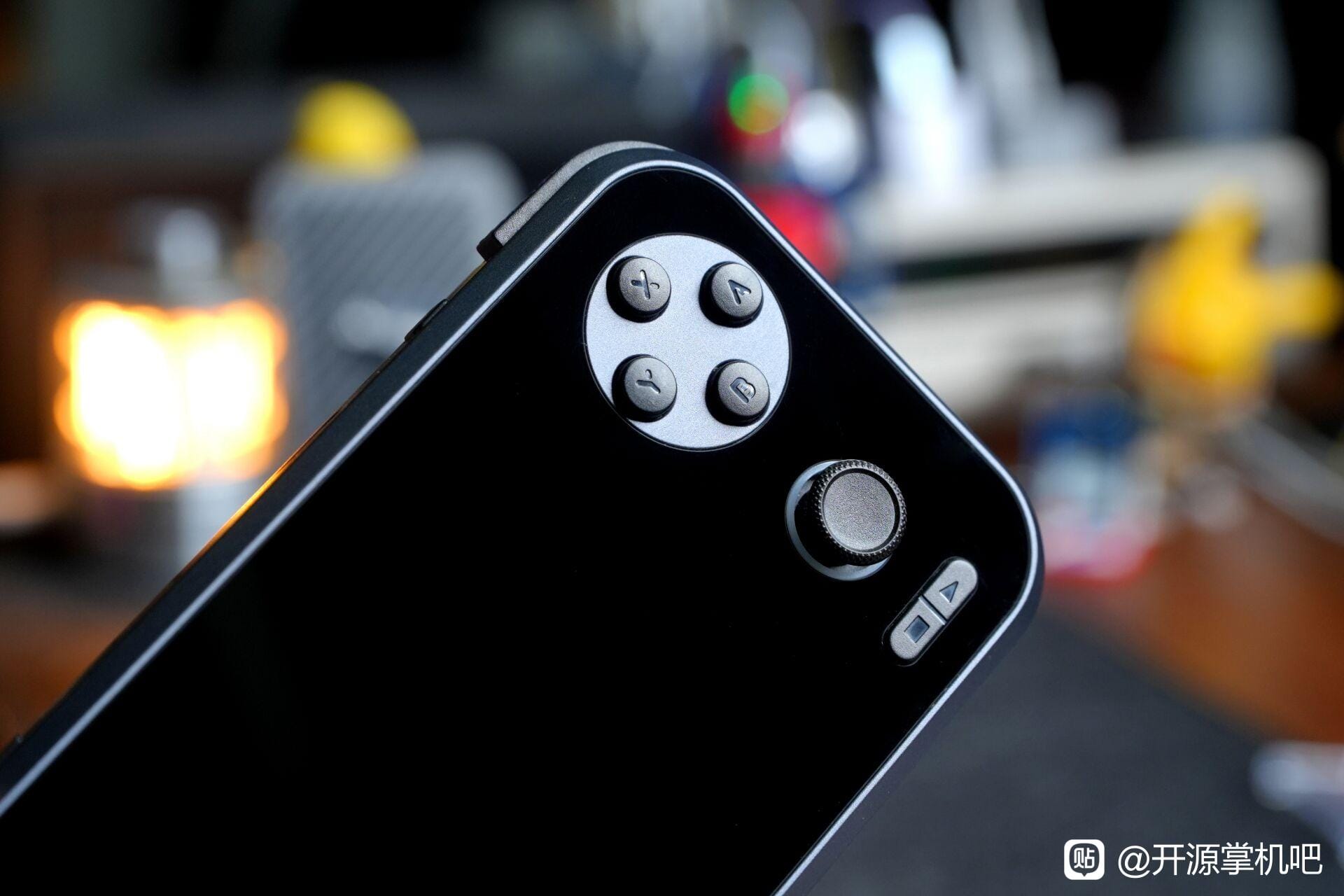
The Yoo1 appears to be a substantial horizontal device, characterized by a minimalist glass front, a dual analog stick configuration, stacked shoulder buttons, and a prominent metal central frame. These design elements echo some of Zhang’s previous aesthetic choices, suggesting a consistent design language across his projects. While the device appears largely complete, details regarding its pricing and official release date remain undisclosed.
Technical Specifications and Market Positioning
Although official specifications are scarce, initial reports, attributed to RetroDeadFred, provide a preliminary outline of the Yoo1’s capabilities. The device is described as a mid-sized horizontal handheld, with a 4.5-inch display. This screen size is particularly noteworthy, as it suggests the hardware is engineered to handle demanding emulation tasks, potentially supporting consoles like the PlayStation Portable (PSP), PlayStation 2 (PS2), and GameCube. The inclusion of a display of this size, coupled with the implications for emulation power, could position the Yoo1 as Lao Zhang’s foray into the premium segment of the retro handheld market, a departure from some of his more compact or repurposed device projects.
This specification places the Yoo1 in direct competition with established devices such as the Retroid Pocket 6, which also targets a similar performance tier for retro gaming emulation. The market for these devices is growing, with consumers seeking handhelds capable of accurately emulating a wide range of classic gaming systems. The success of such devices often hinges on a delicate balance of processing power, screen quality, ergonomic design, and affordability.
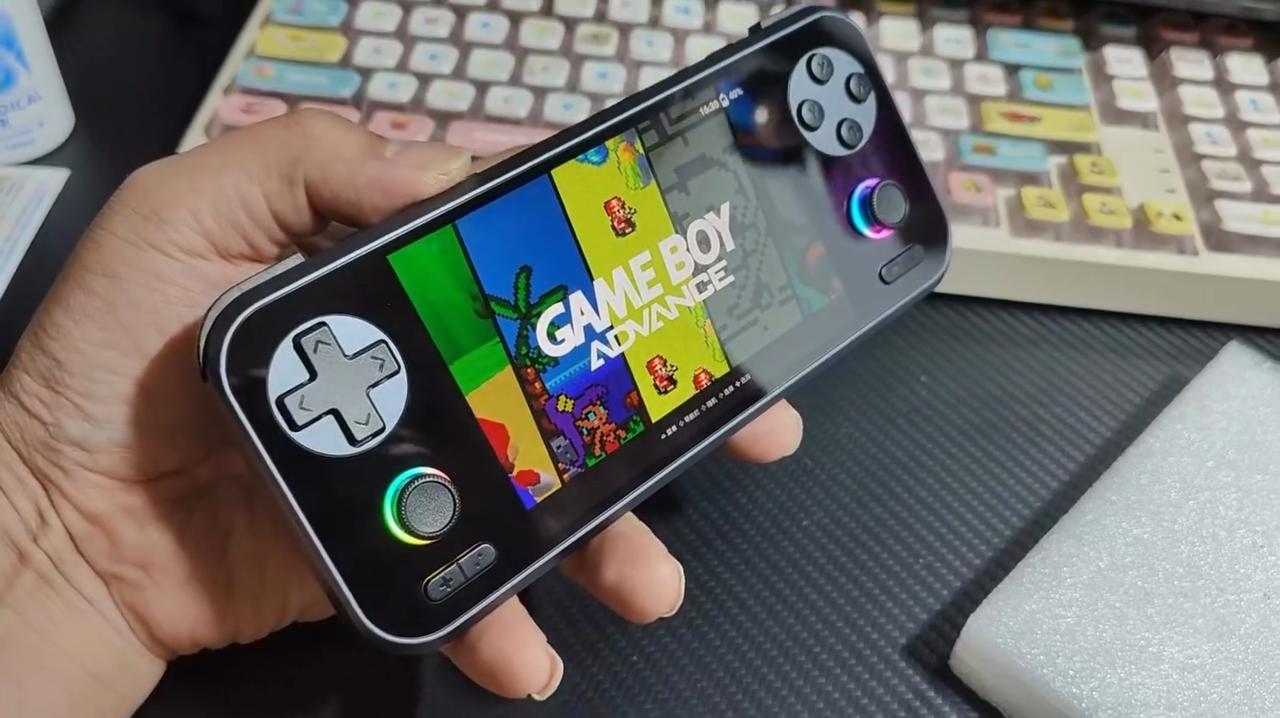
The visual evidence, captured through images and a short video shared on social media, showcases a device that appears to be nearing production readiness. The clean lines and premium materials suggest a focus on build quality and user experience. However, the absence of concrete details on internal specifications, such as the processor, RAM, and battery capacity, leaves many questions unanswered regarding its ultimate performance capabilities and its standing against competitors.
Industry Context: A Flourishing Retro Handheld Market
The current surge in retro handheld innovation is not an isolated phenomenon. Several key developments underscore the vibrancy of this market:
- ANBERNIC’s Continued Expansion: ANBERNIC, a leading manufacturer, has been consistently releasing new devices and variants. The upcoming RG Rotate, with its unique screen rotation feature, signals a push towards novel form factors. Furthermore, the recent announcement of a new colorway for the RG34XXSP indicates a strategy of refreshing existing popular models to maintain consumer interest and cater to diverse aesthetic preferences. ANBERNIC’s approach often involves offering a wide range of devices at various price points, from entry-level options to more powerful mid-range machines.
- GKD’s Upcoming 350H: GKD, another significant player, is also preparing to launch its 350H handheld. This device is expected to further solidify GKD’s position in the market, potentially offering a compelling alternative to other horizontal handhelds. Details on the 350H are still emerging, but its impending release adds to the growing competitive pressure.
- AYANEO’s High-End Offerings: AYANEO continues to focus on the premium end of the market, releasing devices with high-performance specifications, often drawing parallels to full-fledged gaming PCs. Their commitment to pushing the boundaries of what a handheld can achieve sets a benchmark for performance and user experience.
This confluence of activity from multiple manufacturers suggests a healthy and dynamic retro gaming hardware market. Consumers are benefiting from increased choice, with companies vying to offer the best combination of performance, features, and design. The competition is likely to drive further innovation, as each company seeks to differentiate itself and capture a larger share of the market.
Analysis of Implications and Future Prospects
The introduction of a new device from a designer with Lao Zhang’s track record carries significant implications for the retro handheld market. His proven ability to innovate and create unique, well-crafted devices could introduce fresh competition and potentially set new design standards. The Yoo1’s apparent focus on a 4.5-inch display and the implied power for PS2 and GameCube emulation places it in a category of devices that cater to a more demanding segment of the retro gaming audience.
The success of the Yoo1 will depend on several factors. Firstly, its final specifications will need to be competitive, offering sufficient power to run the targeted emulated systems smoothly and reliably. Secondly, the pricing strategy will be crucial; if it is positioned too high, it may struggle to gain traction against established competitors. Conversely, a well-priced device with strong performance could disrupt the market.
Furthermore, the user experience, including the quality of the controls, the ergonomics of the design, and the software optimization, will play a vital role. While the initial images suggest a sleek and modern aesthetic, the long-term appeal will be determined by its functionality and durability.
The retro handheld scene has moved beyond simple emulation of older consoles. Today’s devices are expected to offer a seamless user experience, robust build quality, and the ability to handle more demanding emulation tasks. Lao Zhang’s past successes indicate an understanding of these market demands, and the Yoo1 appears to be a calculated step towards meeting them.
The industry’s current trajectory suggests a sustained interest in portable retro gaming. As technology advances, the capabilities of these handhelds continue to expand, offering consumers increasingly sophisticated ways to relive their favorite gaming memories. The emergence of new devices like the Yoo1 is a testament to this ongoing evolution and promises an exciting future for retro gaming enthusiasts worldwide. The coming months will be critical in observing whether Lao Zhang’s latest creation can indeed make a significant impact and live up to the anticipation it has already generated within the dedicated community. The journey from teaser to a fully realized product will be closely watched by enthusiasts and industry analysts alike.








