Vera Clarissa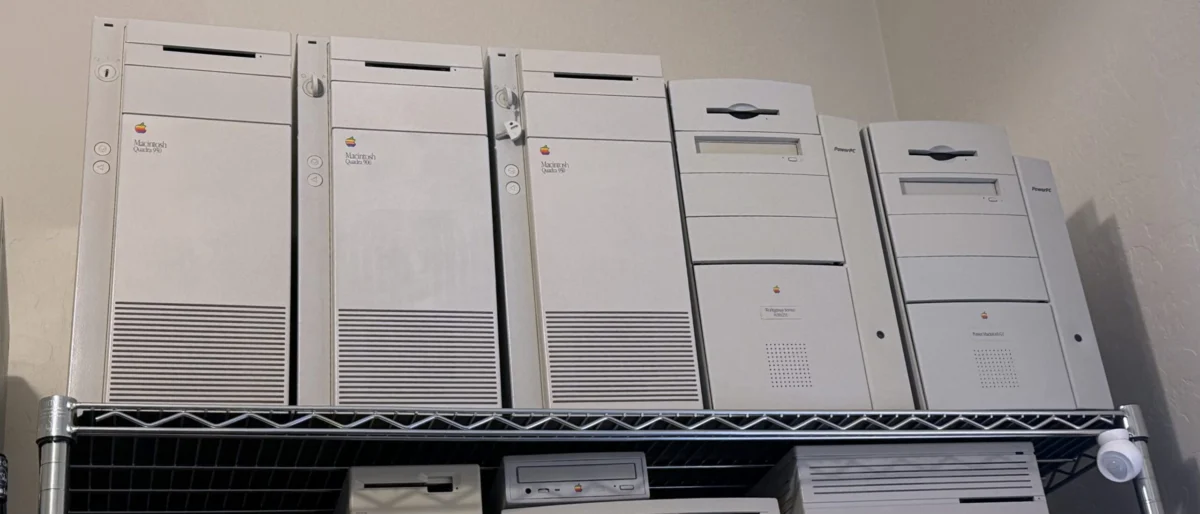
The aesthetic preservation of vintage computing hardware has emerged as a significant sub-sector of the electronics hobbyist market, driven by the desire to maintain the historical integrity of iconic machines from the late 20th century. As these devices cross the three-decade threshold, the degradation of their original housing materials—specifically the ABS plastic used in Apple’s iconic “Platinum” era—has necessitated the development of standardized restoration protocols. While chemical whitening techniques, colloquially known as “retrobrighting,” have become the industry standard for reversing oxidation, they are insufficient for addressing structural damage, missing components, or deep surface pitting. Consequently, collectors and restoration specialists are increasingly turning to industrial paint matching and advanced finishing techniques to return aging Macintosh hardware to factory-original specifications.
The Chemistry of Degradation: Why Vintage Plastics Turn Yellow
The iconic “Platinum” aesthetic that defined Apple’s product line from the late 1980s through the mid-1990s—encompassing machines such as the Macintosh II, Quadra, and early Power Macintosh series—relied on high-impact acrylonitrile butadiene styrene (ABS) plastic. To comply with safety standards regarding fire hazards, these plastics were infused with brominated flame retardants.
While effective at preventing combustion, these additives exhibit a chemical vulnerability over time. Exposure to ultraviolet (UV) radiation and atmospheric oxygen triggers a process known as photo-oxidative degradation. The bromine atoms, intended to suppress fire, react with the polymers under light exposure, leading to the formation of polyconjugated double bonds. This chemical transition shifts the light absorption spectrum of the plastic, resulting in the characteristic yellow-brown discoloration that characterizes neglected vintage hardware. It is a common misconception that this color is the result of tobacco smoke or environmental pollutants; rather, it is a structural chemical breakdown inherent to the material composition of the era.
Restoration Methodologies: From Chemical Baths to Precision Painting
For decades, the restoration community has relied on hydrogen peroxide-based immersion to reverse this yellowing. By subjecting the plastic to high-concentration peroxide and intense UV exposure, technicians can effectively "bleach" the bromine-induced discoloration.

However, this process has reached its practical limitations in the mid-2020s as more complex restoration projects involve 3D-printed replacement parts or cases that have suffered mechanical trauma. When a part is missing or structurally compromised, retrobrighting offers no solution. This has necessitated a shift toward high-fidelity paint matching. Early attempts by hobbyists to use off-the-shelf consumer spray paints often resulted in color discrepancies; colors that appeared identical under artificial hardware store lighting frequently clashed with the subtle, muted tones of Apple’s original injection-molded chassis when viewed under daylight or standard office conditions.
The Standardization of RAL 7044: A Technical Breakthrough
The search for a definitive color match has recently converged on the RAL color space, a European color-matching system used for varnish, powder coating, and plastics. Technical analysis within the 68kMLA (68k Macintosh Liberation Army) and related archival forums has identified RAL 7044, also known as “Silk Grey,” as the closest industrial equivalent to the original Apple Platinum finish.
The transition from trial-and-error home experimentation to a standardized application protocol represents a professionalization of the hobby. Modern restoration workflows now involve:
- Surface Preparation: Mechanical removal of existing degraded paint, followed by fine-grit sanding to ensure adhesion.
- Structural Repair: The use of epoxy-based body fillers to reconstruct damaged drive bezels or cracked housing corners.
- Textural Replication: A critical, often overlooked step. Apple’s original plastic finish features a subtle "orange peel" or light grain texture. Achieving this requires the application of a textured primer—typically a high-build white spray—to mimic the industrial look of the original mold before the final color coat is applied.
- Color Application: Utilizing custom-mixed RAL 7044 in a matte, low-sheen finish to prevent the “plastic-shine” effect that often betrays amateur restorations.
Case Study: The Quadra 950 Restoration
The restoration of the Macintosh Quadra 950—a flagship workstation released in 1992—illustrates the complexity of modern hardware maintenance. Unlike smaller consumer models, the Quadra 950 chassis was engineered with a conductive internal coating designed to provide radio-frequency (RF) shielding, an essential feature for a machine intended for professional creative environments.
Restoring this unit requires a two-fold approach. First, the interior must be stripped and recoated with nickel-based conductive paint, which serves the dual purpose of shielding and reinforcing the chassis. Second, the exterior requires the aforementioned RAL 7044 application. The success of such a project is measured by the ability of the restored components—such as newly 3D-printed floppy drive bezels—to integrate seamlessly with the existing, original plastics of the main case.

Broader Implications for Digital Archaeology
The ability to restore these machines to their original visual state is not merely an exercise in vanity; it is a component of digital archaeology. As these computers are increasingly used to run legacy software environments, the preservation of the physical interface is essential for maintaining the historical context of the user experience.
However, industry experts caution that paint restoration is a non-reversible process. Unlike retrobrighting, which attempts to revert the plastic to its original chemical state, painting involves the application of a new surface layer. Consequently, there is an ongoing debate within the preservation community regarding the "ethics of patina." Some purists argue that yellowing is a natural part of an object’s history and should be preserved, while others contend that the visual decay obscures the intended design language of the late Steve Jobs-era hardware.
Future Outlook and Sustainability
As of 2026, the market for restoration-grade supplies is seeing a modest increase in demand. Small-batch chemical suppliers and specialized aerosol paint mixers, such as Crosslink Paints, have begun to recognize the niche requirements of the vintage computing sector, offering products specifically formulated for the unique texture and sheen requirements of 1990s-era electronics.
The implications for this trend are clear: the lifespan of legacy hardware is no longer limited by the degradation of its outer shell. Through the combination of 3D-printed structural components, conductive shielding, and standardized color matching, these machines are being granted a second lifecycle. As the technology continues to evolve, the focus is likely to shift toward long-term UV-resistant clear coats that can protect these restorations from re-yellowing, potentially allowing these machines to remain in pristine condition for another thirty years.
In summary, the transition from primitive chemical whitening to sophisticated industrial paint matching marks a significant milestone in the preservation of computing history. By adhering to standardized color codes like RAL 7044 and employing professional-grade texturing techniques, collectors are ensuring that the physical legacy of the Macintosh remains as vibrant and accurate as the software it runs. This meticulous attention to detail serves to bridge the gap between the rapid obsolescence of consumer electronics and the growing desire to maintain these artifacts as functional, aesthetic reminders of a transformative era in technology.