Edi Durjana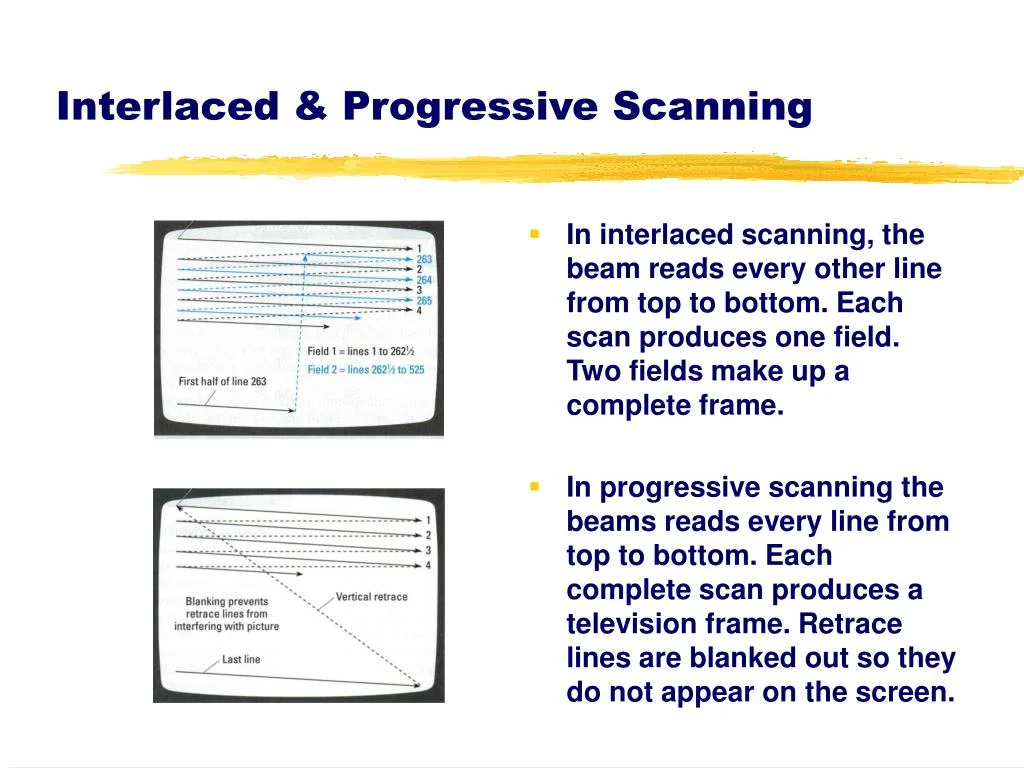
The PlayStation 2 (PS2), launched by Sony Computer Entertainment in 2000, was a console designed almost entirely from the ground up to interface with Cathode Ray Tube (CRT) televisions, the dominant display technology of its era. Unlike modern consoles built around digital pixels and high-definition resolutions, the PS2’s architecture, particularly its analog video output, was optimized for the intricacies of scanlines and precise timing inherent to CRTs. While a VGA monitor could be attached for the official PS2 Linux toolkit, offering some VESA display modes, this functionality was largely an afterthought, rarely utilized by commercial games and underscoring the console’s fundamental analog design.
A Console for its Time: The Analog Foundation
The turn of the millennium marked a pivotal period in consumer electronics, with the PS2 arriving amidst the twilight years of analog video and the nascent stages of digital television. Its core components, including the Graphics Synthesizer (GS) — the console’s GPU — and its integrated Cathode Ray Tube Controller (CRTC), were engineered to exploit the unique characteristics of CRT displays. This meant that game developers prioritized rendering techniques that would appear optimal on an interlaced, scanline-driven screen, rather than the sharp, pixel-perfect output expected on today’s digital flat-panel displays. This foundational design principle profoundly influenced everything from game development workflows to the visual fidelity and performance characteristics of the PS2’s extensive game library.
The Unyielding Pursuit of 60 Frames Per Second
One of the most striking characteristics of the PS2’s launch lineup and much of its subsequent library was the remarkable prevalence of games targeting a consistent 60 frames per second (fps) on NTSC systems (or 50 fps on PAL). This wasn’t merely a testament to developer ambition but a necessity driven by the console’s hardware architecture and its interaction with CRT displays.
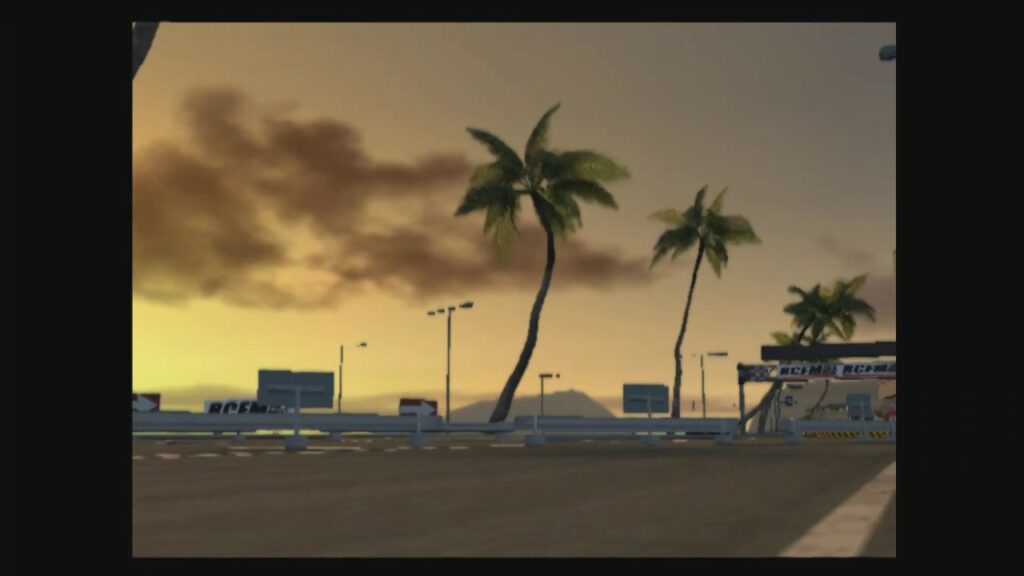
The PS2’s Graphics Synthesizer featured a comparatively modest 4MB of embedded VRAM. While Sony encouraged developers to perceive this as a high-speed scratchpad rather than traditional video memory, its capacity often proved insufficient for storing a full 640×480 framebuffer, let alone larger resolutions. However, the GS compensated with unparalleled memory bandwidth, making operations like alpha blending, multi-pass rendering, and framebuffer copies — typically performance-intensive on other GPUs — remarkably efficient on the PS2. This unique balance of limited VRAM and high bandwidth led to innovative rendering strategies. For instance, games like Driv3r pushed the GS’s strengths in ways that would have crippled contemporary hardware. Furthermore, the PS2’s two Vector Units (VU0 and VU1) offered a fully programmable geometry pipeline, enabling hardware features akin to modern mesh shaders, a technology that would not become mainstream on PC GPUs until the NVIDIA GeForce RTX 20 series, nearly two decades later.
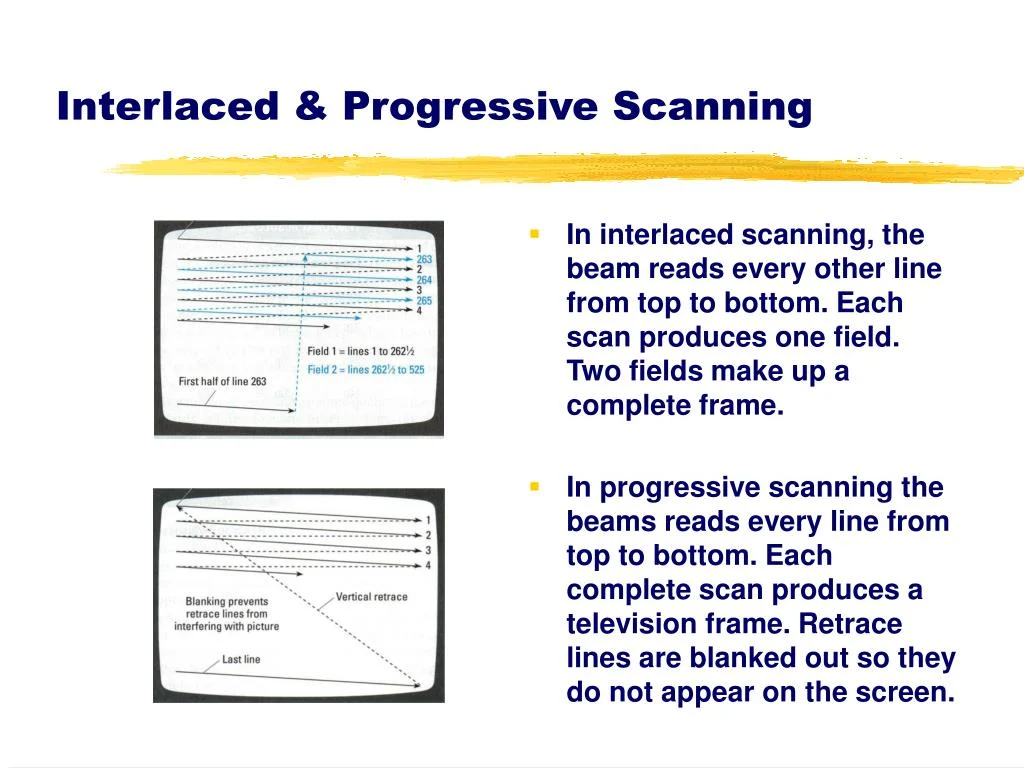
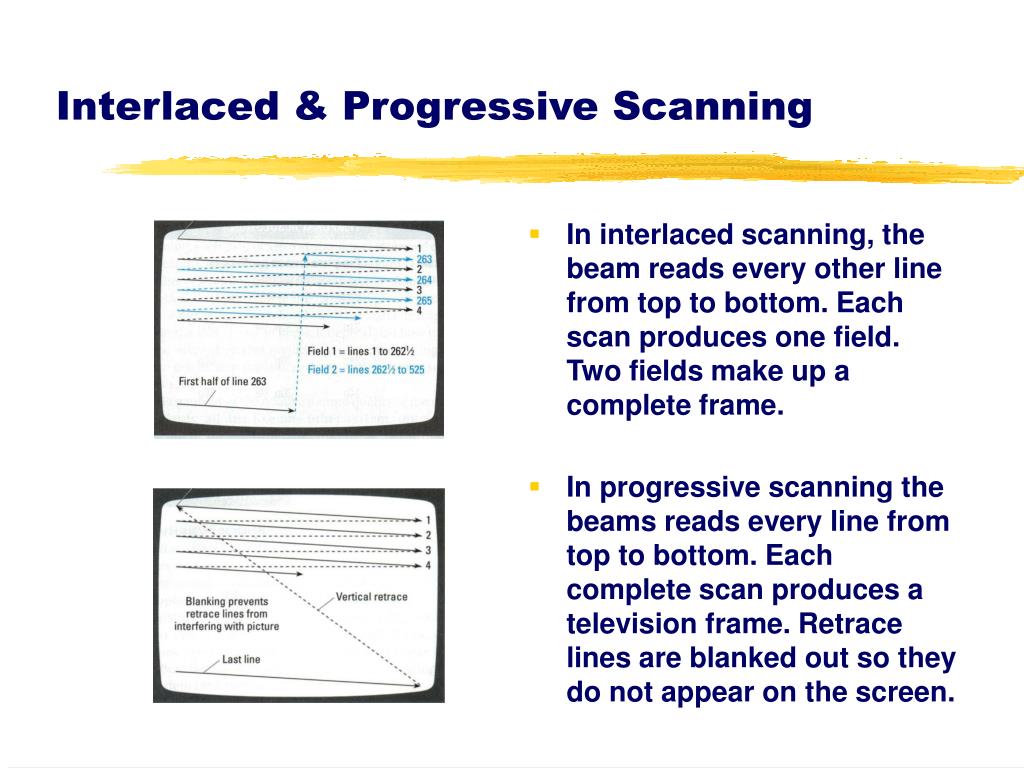
The incentive to maintain a rock-solid 60Hz/60fps (or 50Hz/50fps in PAL regions) was deeply embedded in the display pipeline. Early versions of the PS2’s Software Development Kit (SDK) primarily supported interlaced scanline modes, which required a consistent 60Hz signal to achieve a 640×448 resolution. Developers later gained the option of using "frame mode" (rendering full frames) or "field rendered mode" (interlaced frames).
Field rendering, by its very nature, processed half-frames (e.g., 640×240 or 512×224), effectively halving memory requirements per frame. This was a critical advantage given the 4MB VRAM constraint, as it reduced the demand on framebuffer storage and accelerated render times. For many developers, field rendering appeared to be the optimal path to achieving high performance. However, this mode came with a significant caveat: frame pacing. If a game failed to render a new frame in time, forcing the previous field to be displayed twice, the entire image would visibly shift vertically by one scanline. This jarring visual artifact, often described as a "wobble," made consistent frame rates imperative. Consequently, many PS2 games, such as SSX 3, would internally slow down or strategically skip frames to maintain the 60fps target, even if it meant sacrificing a consistent update rate.
Conversely, "frame mode" rendered full frames (e.g., 640×448 or 512×448), demanding more VRAM and longer render times, making a consistent 60fps more challenging to achieve. However, this mode was more forgiving of dropped frames, as the screen would simply display the second field from the previous full frame without the disruptive vertical shift.
Ultimately, if a game could maintain perfectly paced 60fps, field rendering on a CRT TV would deliver a seamless visual experience, with the interlaced fields blending to create the illusion of a full frame. This technical sleight of hand allowed the PS2 to leverage the CRT’s display characteristics to overcome its lower native rendering resolutions and VRAM limitations, providing a fast, responsive gaming experience that often masked the underlying technical compromises. This underlying pressure explains why the PS2 boasts an exceptionally large catalog of 60fps games, particularly at launch, a fact often noted by enthusiasts. The hardware design effectively "forced developers’ hands," pushing them towards optimal performance on CRTs.
The visual quality of early PS2 games also drew criticism, particularly regarding "jaggies" (aliasing) and a perceived lack of anti-aliasing compared to rivals like the Dreamcast. This issue was compounded by the limitations of single-frame capture technology used by game magazines and journalists, which often only captured half of the interlaced fields. This resulted in screenshots that appeared significantly more aliased in print than the games actually looked on a live CRT, where the blending of scanlines naturally mitigated some of these artifacts.
The Dawn of Widescreen: Adapting to a New Aspect Ratio
While the PlayStation 1 had dabbled in adventurous widescreen modes, the vast majority of console games prior to the PS2 era were designed for the traditional 4:3 aspect ratio. The PS2, however, played a pivotal role in popularizing widescreen gaming, largely due to its dual functionality as a DVD player. The concept of "anamorphic widescreen" became increasingly common, and 16:9 CRT TVs began to gain mainstream traction in the early to mid-2000s.
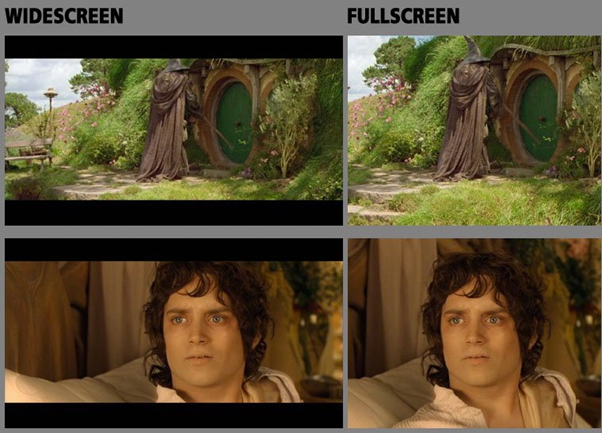
Despite this shift, most PS2 games were still fundamentally designed for 4:3. When widescreen modes were implemented, they typically fell into one of three categories:
- Hor+ (Horizontal Plus): Renders more of the game world horizontally, expanding the field of view without cropping vertical information. This is generally considered the "correct" widescreen implementation.
- Vert- (Vertical Minus): Crops the top and bottom of the 4:3 image to fit the 16:9 aspect ratio, often zooming in slightly. This reduces the vertical field of view.
- Hor+ and Vert-: A combination, where some horizontal content is added, but some vertical content is also cropped.
The majority of PS2 games that offered widescreen options, including popular titles like Tekken 5 and all Ratchet & Clank and Jak and Daxter games, opted for the Vert- approach. This method was often the easiest for developers to implement, as it avoided the increased horizontal resolution demands of Hor+ modes, which would have put further strain on the GS’s limited 4MB VRAM. Cropping and zooming were computationally inexpensive on the GS, ensuring the image still fit within the available memory. While a Hor+ implementation offered a superior viewing experience by genuinely expanding the game world, it required careful resource management, as extending the horizontal resolution directly impacted rendering costs and VRAM usage. The PS2’s reliance on CRT’s scanline blending for visual quality meant that pushing horizontal resolution too far could expose graphical imperfections.
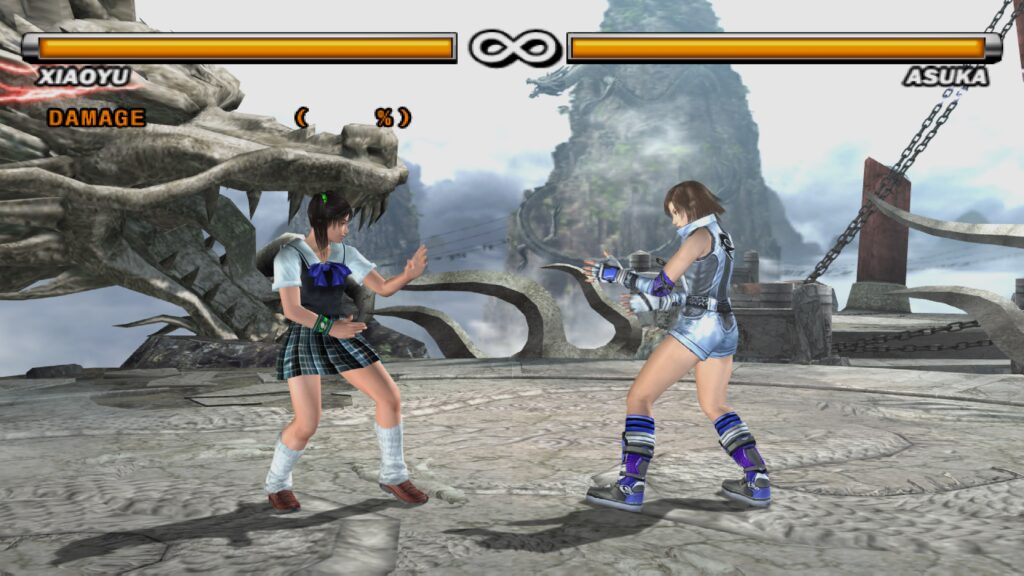
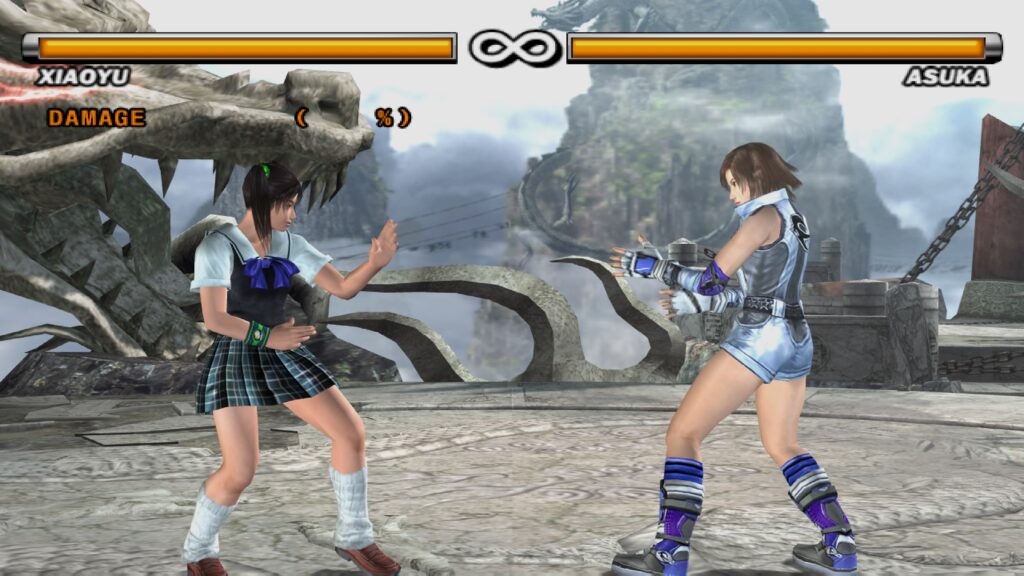
The example of Tekken 5 clearly illustrates the difference: its built-in "widescreen" mode is Vert-, resulting in cropped top and bottom sections and a zoomed-in appearance where characters seem larger. In contrast, a "Hor+" patch, often implemented through emulation or community efforts, reveals a significantly wider field of view without any vertical cropping, offering a more expansive and authentic widescreen experience. This widespread use of Vert- modes often led to frustration for enthusiasts hoping for genuine widescreen enhancements on their 6th generation consoles.
Progressive Scan: A Glimpse into the Future
As the PS2 launched, CRT technology was nearing its peak, with manufacturers attempting to extend its lifespan through innovations like Enhanced-Definition Television (EDTV) or Extended Definition Television. EDTVs were essentially SDTVs capable of displaying 480p and 576p progressive scan signals. Starting around 2001, progressive scan-capable CRT TVs became available, and game developers began to incorporate support for these modes.
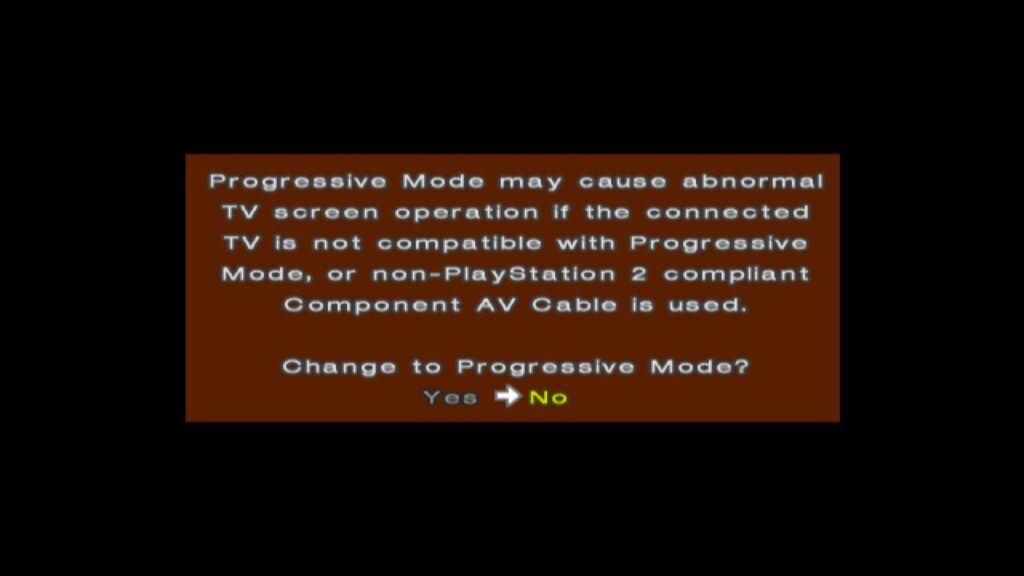
To utilize progressive scan, users typically needed component cables (for NTSC TVs) or RGB SCART cables (for Japanese and European TVs), as composite and RF-AV connections lacked the necessary bandwidth. Games supporting progressive scan often required a specific input sequence, such as holding X and Triangle at startup, to prompt the user to select between normal interlaced and progressive scan modes. Progressive scan offered full, non-interlaced frames, eliminating the flickering and scanline artifacts associated with interlaced modes and providing full-height backbuffers.
However, progressive scan implementations on the PS2 were not without compromise. To fit the larger framebuffers required for non-interlaced output within the GS’s 4MB eDRAM, some games reduced their framebuffer depth to 16 bits per pixel (bpp) or lower. This trade-off meant sacrificing some color fidelity (potentially leading to color banding) in exchange for the benefits of progressive scan. Despite this, most users found the visual improvements of progressive scan, particularly the reduction in interlacing artifacts, to be a worthwhile upgrade.
Some ambitious titles, such as Valkyrie Profile 2 and Gran Turismo 4, even offered "1080i" progressive scan modes. This designation, however, was somewhat deceptive. The PS2 did not natively render at a true 1920×1080 resolution. Instead, it utilized advanced GS CRTC functionalities to magnify a lower internal render resolution. For instance, Gran Turismo 4 internally rendered at 640×540. The GS’s CRTC would then apply a horizontal magnification factor (MAGH) of ‘3’ (640 3 = 1920) and a vertical magnification factor (MAGV) of ‘2’ (540 2 = 1080) or an interlaced framebuffer switch to simulate a 1080i output. While this scaling could appear convincing on a CRT at the time, on modern displays, the true 480p progressive scan mode often provides a clearer image.
The European PAL/NTSC Divide: A Persistent Challenge
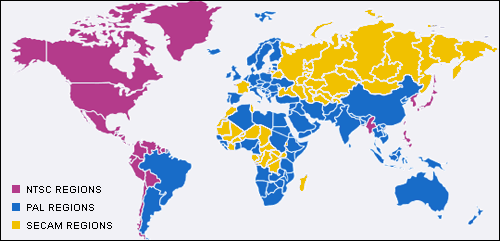
For European gamers, the PS2 era brought additional complexities rooted in regional television standards. Europe primarily used PAL signal CRT TVs, operating at 50Hz, whereas Japan and North America adhered to the NTSC standard, operating at 60Hz. This fundamental difference posed significant challenges for developers and resulted in varying gaming experiences across territories.
By the time the PS2 launched, the Sega Dreamcast had already set a precedent by offering PAL 50Hz and PAL60 modes, with PAL60 providing a 60Hz image on compatible TVs, thus avoiding the 16.9% framerate reduction and additional letterboxing common in many PAL conversions. PAL traditionally boasted a higher vertical resolution than NTSC, but many games failed to capitalize on this, either due to system resource constraints or a perceived lack of market importance for the European region.
The PS2’s situation was more complicated. Sony initially declined to officially support PAL60, considering it a non-standard format. Consequently, most early European PS2 titles were locked to 50Hz, often resulting in slower gameplay and the dreaded letterboxing that shrank the image to compensate for PAL’s higher scanline count. Developers like Psygnosis (e.g., Wipeout), Core Design (Tomb Raider), and Rockstar/DMA Design (Grand Theft Auto) were known for their efforts in PAL optimization, often delivering a 50Hz mode with more rendered scanlines than their NTSC counterparts, potentially offering better image quality but still suffering from the slower framerate. Some attempted to tweak game speeds to compensate, but the experience was almost invariably inferior to the 60Hz NTSC versions.
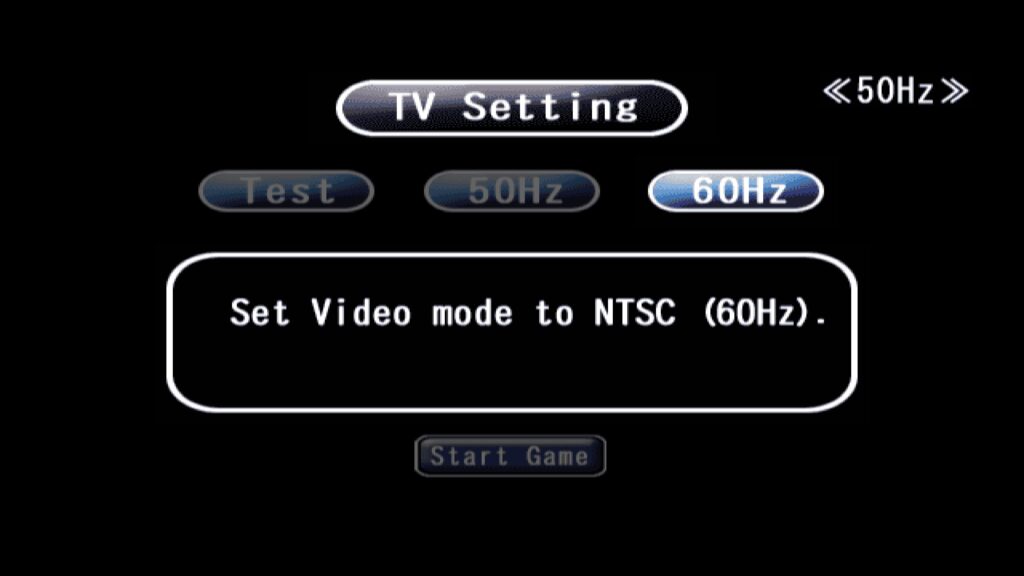
Around 2002, more PS2 games began offering 50Hz/60Hz toggles at startup, as seen in titles like ICO. However, instead of switching to a PAL60 mode, the console would typically switch to NTSC 480i mode. This workaround was generally compatible, as many European TVs from the late 1990s onward supported both PAL and NTSC signals. Games that lacked these selectors, such as Silent Hill 2 and Metal Gear Solid 2, often invested greater effort in their PAL conversions to avoid letterboxing. The implementation of these 50Hz/60Hz options was not trivial; developers like Square cited challenges with fitting both 50Hz and 60Hz versions of high-quality FMV scenes onto a single DVD, leading to games like Final Fantasy X remaining 50Hz despite growing demand for 60Hz. Over time, games without these selectors became the exception rather than the rule.
The Rocky Transition to LCDs and HDTVs
The mid-2000s marked a significant industry-wide shift from bulky CRTs to sleeker Liquid Crystal Display (LCD) and High-Definition Television (HDTV) panels. This transition, which largely coincided with the advent of the 7th generation consoles like the PlayStation 3 and Xbox 360, brought numerous advantages. The PAL/NTSC divide largely disappeared, with HDMI-capable consoles outputting a consistent 60Hz signal globally. Furthermore, non-interlaced high resolutions (480p, 720p, 1080p) became the default, introducing many consumers to true progressive scan for the first time.
However, for legacy consoles like the PS2, the early years of LCD adoption were fraught with compatibility and visual quality issues. Early LCD HD-ready TVs often suffered from high input latency, pronounced ghosting, and poor handling of analog signals designed for CRTs. CRT-based game consoles, particularly the PS2, frequently looked significantly worse on these new displays. Effects like "feedback blur," which created smooth motion blur on a CRT, became smeared and indistinct on early LCDs due to their inherent response time limitations. Some games, like Soul Calibur 3, even included in-game settings like "Software Overdrive" to mitigate the afterimage effects on LCD screens, a testament to the noticeable visual degradation.
The fundamental problems of input latency and motion clarity persisted for years. It is only in recent times, with advancements in display technology like OLED and innovative software solutions such as BlurBusters’ "CRT beam racing simulator" shader, that modern displays can finally emulate the near-instantaneous response and crisp motion clarity of a CRT. When combined with advanced CRT shaders, contemporary screens can now offer an experience that rivals, and in some aspects surpasses, the original visual fidelity of PS2 games on their intended display.
Legacy and Enduring Influence
The PlayStation 2’s design philosophy, deeply rooted in the analog characteristics of CRT televisions, profoundly shaped its development and user experience. Its technical constraints, particularly the limited VRAM, paradoxically drove developers to innovate with high-bandwidth rendering techniques and prioritize consistent framerates to avoid visual artifacts inherent to interlaced output. The console’s role in popularizing widescreen gaming and introducing progressive scan, even with its compromises, served as a crucial bridge to the digital HD era.
While the transition to modern displays initially exposed some of the PS2’s underlying technical concessions, ongoing advancements in emulation and display technology now allow enthusiasts to experience its vast and beloved library with unprecedented clarity and fidelity. The PS2’s story is not just one of a console but a chronicle of a pivotal moment in gaming history, illustrating how hardware design, display technology, and regional standards intricately converged to define an entire generation of interactive entertainment. Its enduring popularity and the ongoing efforts to preserve its visual integrity underscore its status as one of the most influential gaming platforms of all time.