Edi Durjana
The Libretro team has announced the immediate release of RetroArch 1.20.0, a significant update to its popular open-source frontend for emulators, game engines, and media players. This latest iteration introduces two particularly noteworthy features: an advanced CRT beam simulation shader developed in collaboration with display technology experts, and native illuminance sensor support for Linux, promising to elevate the authenticity and immersion of retro gaming experiences. Users can access the new version through the official RetroArch platforms page.
The release underscores RetroArch’s unwavering commitment to its user base, a principle that has guided the project since its inception. Unlike many modern applications, RetroArch maintains a strict policy against in-app advertisements, monetization SDKs, or paywalled features. This dedication to a pure, unencumbered user experience is sustained entirely through community support, including donations, Patreon subscriptions, GitHub Sponsors, and merchandise sales via their Teespring store. This funding model allows the development team to prioritize innovation and user-centric features without external commercial pressures.
Pioneering Visual Authenticity with Shader Subframes
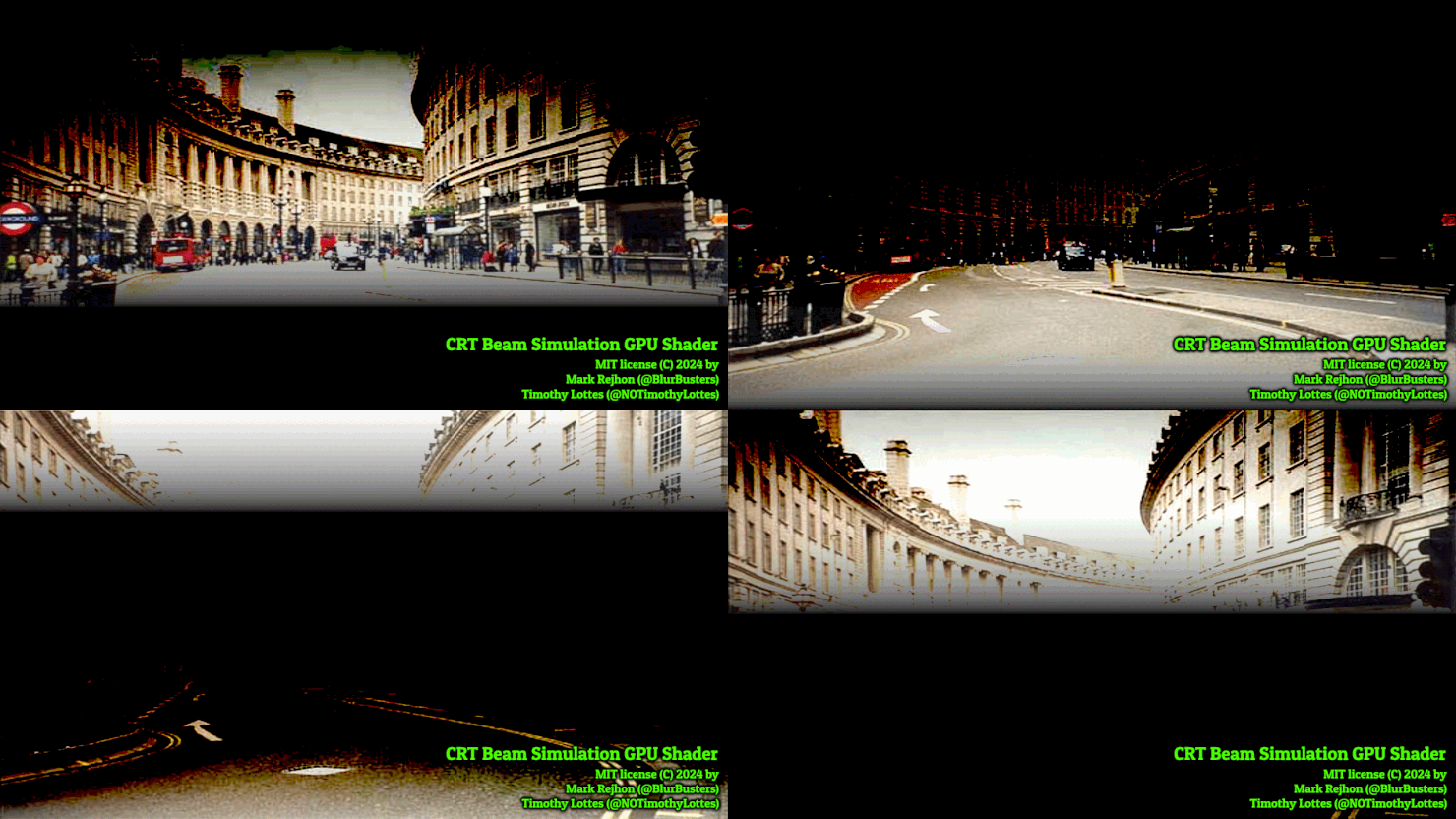
One of the most anticipated additions in RetroArch 1.20.0 is a new CRT beam simulation shader, a collaborative effort involving Mark Rejhon of BlurBusters.com and Timothy Lottes, renowned for the original FXAA shader and the popular crt-lottes shaders. This advanced visual filter leverages RetroArch’s recently implemented "subframe" shader capabilities to deliver significantly improved motion clarity on contemporary displays, addressing a long-standing challenge in retro emulation.
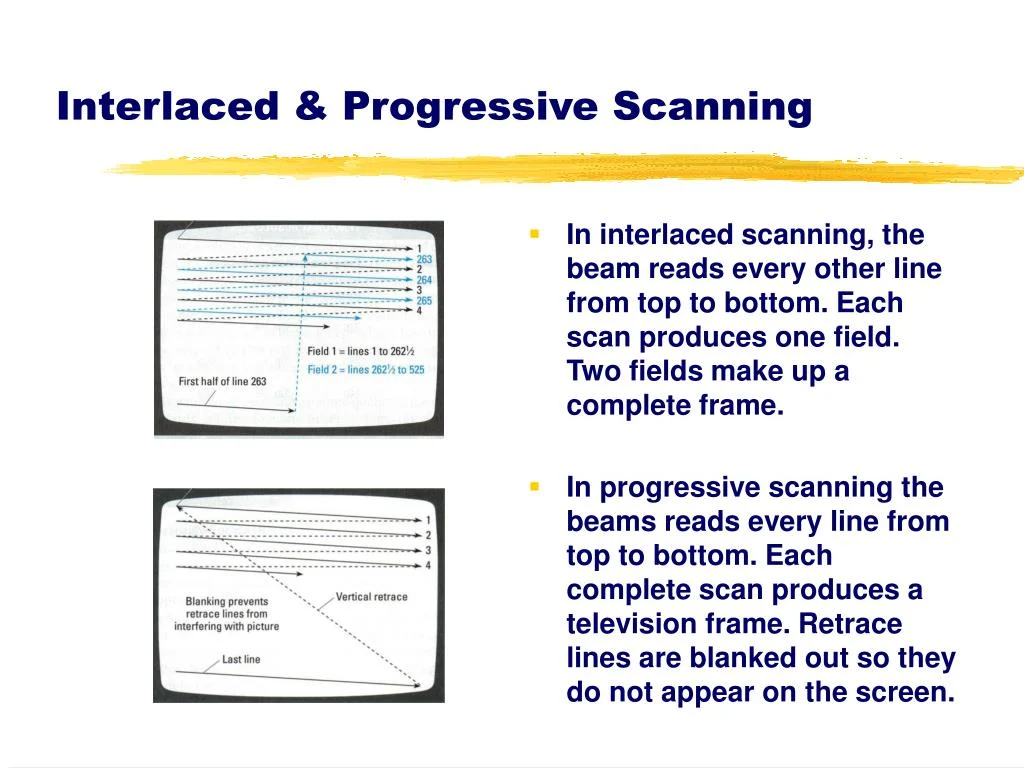
Traditional CRT (Cathode Ray Tube) displays rendered images by rapidly scanning an electron beam across the screen, illuminating phosphors that would then decay. This process inherently created a "sample-and-hold" effect, where each frame was displayed for a very brief moment, followed by a dark interval, before the next frame was drawn. This rapid illumination and decay cycle, combined with the interlaced scanning typical of many retro consoles, significantly reduced perceived motion blur, contributing to the distinctive "feel" of classic games. Modern LCD, LED, and OLED displays, in contrast, typically operate on a "sample-and-hold" principle where pixels remain illuminated for the entire frame duration, leading to a phenomenon known as motion blur, particularly noticeable during fast-panning scenes or rapid character movement.
Previous attempts to mitigate motion blur in emulation, such as Black Frame Insertion (BFI), involved inserting a black frame between each rendered game frame. While effective at reducing motion blur by mimicking the dark intervals of CRTs, BFI often comes with significant drawbacks. These include a noticeable reduction in overall screen brightness, dulled colors, and in some cases, an increased risk of image persistence on certain LCD panel types. Image persistence, while distinct from permanent "burn-in" on OLEDs or CRTs, can still be a concern for users sensitive to temporary ghosting effects.
The new CRT beam simulation shader, leveraging RetroArch’s subframe capabilities, aims to overcome these limitations. Subframe technology allows for more granular control over how frames are rendered and presented, enabling a more sophisticated simulation of the CRT display mechanism. Instead of simply inserting a black frame, the shader can emulate the precise timing and intensity of the electron beam, including its dynamic properties like beam racing and phosphor decay. This results in a more nuanced and accurate representation of CRT motion characteristics, enhancing perceived clarity without the harsh trade-offs of BFI. The collaboration with Mark Rejhon, a leading authority on display motion clarity and a proponent of high refresh rates, and Timothy Lottes, a veteran graphics programmer, signifies a significant leap forward in achieving pixel-perfect retro authenticity. The separate article detailing this innovation provides further technical insights into its implementation and benefits.
Bringing Back the Sun: Illuminance Sensor Support for Linux
Another groundbreaking feature introduced in RetroArch 1.20.0 is native illuminance sensor support for Linux, spearheaded by developer Jesse Talavera. This addition directly addresses the unique gameplay mechanics of certain classic titles, most notably the Boktai series on the Game Boy Advance and its spiritual successor, Lunar Knights, on the Nintendo DS. These games famously incorporated a "solar sensor" into their cartridges, requiring players to expose the device to real sunlight to charge protagonist Django’s solar gun and activate various in-game abilities. Without this functionality, critical gameplay elements were inaccessible, severely diminishing the intended experience.
The integration of illuminance sensor support means that Linux users, particularly those with devices featuring ambient light sensors like the Steam Deck, can now experience these games as originally designed. Jesse Talavera demonstrated this capability with a compelling video showing Lunar Knights running on a Steam Deck, with the game dynamically responding to changes in ambient light. This level of hardware-software integration for emulation represents a significant achievement in game preservation, moving beyond mere visual and audio replication to encompass the interactive peripheral experience.
This functionality opens doors for a broader range of emulation possibilities. The announcement also hints at future developments, including the forthcoming integration of solar sensor support into the melonDS core – one of RetroArch’s highly regarded Nintendo DS emulators – and the expansion of camera support to more platforms. The latter suggests potential emulation enhancements for games that utilized console-specific cameras, such as the PlayStation 2’s EyeToy, the Nintendo DS camera, or even early PC webcam games, further blurring the lines between emulated environments and real-world interaction. This commitment to replicating esoteric hardware features reinforces RetroArch’s mission to offer the most comprehensive and authentic emulation platform available.
A Legacy of Open-Source Innovation and Community Support
RetroArch’s journey began as a powerful, multi-platform frontend designed to unify various emulator cores under a single, cohesive interface. Its evolution has seen it become a cornerstone of the retro gaming community, celebrated for its extensive feature set, including advanced video filters (shaders), netplay for online multiplayer, savestate functionality, rewind features, and highly customizable controls. The project’s commitment to being open-source means its code is publicly available, fostering a collaborative environment where developers worldwide can contribute to its improvement and expansion.
Chronology of Key Milestones (Illustrative):
- Early 2010s: Genesis of Libretro and the initial development of RetroArch, aiming to create a standardized API (Application Programming Interface) for emulators, leading to the "core" concept.
- Mid-2010s: Rapid expansion of supported platforms and emulator cores. Introduction of groundbreaking features like advanced shader pipelines, netplay, and highly configurable input systems.
- Late 2010s: Focus on UI/UX improvements, performance optimizations, and broadening hardware compatibility, including ARM-based devices and single-board computers. Increased adoption across diverse operating systems.
- Early 2020s: Continued innovation in display technology emulation (e.g., advanced BFI, initial subframe capabilities), enhanced input methods, and deeper integration with modern gaming ecosystems like Steam Deck.
- 2024 (RetroArch 1.20.0): Release marks a significant step in visual authenticity with subframe shaders and interactive hardware emulation with illuminance sensor support.
This trajectory highlights a consistent drive towards both accessibility and technical sophistication. RetroArch’s architectural design, separating the frontend (RetroArch) from the backend emulators (cores), allows for modular development and rapid integration of new emulators and features without requiring a full recompile of the entire system. This modularity has been key to its widespread adoption and adaptability.
The project’s reliance on community funding is not merely a preference but a fundamental aspect of its identity. In an industry increasingly dominated by subscription models, microtransactions, and data monetization, RetroArch stands as a testament to the power of open-source and user-driven development. Donations directly support server infrastructure, developer time, and the procurement of hardware for testing and development, ensuring that the project can continue to deliver high-quality, ad-free software. The ability to support developers directly through platforms like Patreon and GitHub Sponsors also fosters a closer relationship between the creators and their community, providing a transparent pathway for users to contribute to the project’s longevity.
Broader Implications and Future Outlook
The release of RetroArch 1.20.0 with its advanced shader and sensor integration features has significant implications for the future of game preservation and emulation. The CRT beam simulation shader sets a new benchmark for visual fidelity, offering a path to experience retro games with unprecedented accuracy on modern displays. This innovation could influence other emulation projects to explore similar subframe rendering techniques, elevating the visual standards across the entire emulation landscape. For enthusiasts, it means a more authentic and immersive experience, bridging the aesthetic gap between bygone display technologies and contemporary hardware.
Similarly, the illuminance sensor support for Linux is more than just a niche feature; it represents a philosophical commitment to preserving the entirety of a game’s intended experience, including its unique hardware interactions. As gaming history increasingly features titles that leveraged bespoke peripherals and unconventional input methods, RetroArch’s proactive approach to integrating these elements demonstrates a forward-thinking strategy for comprehensive digital preservation. This could pave the way for future support of other unique input devices, from motion controllers of early consoles to obscure arcade peripherals, ensuring that these facets of gaming history are not lost to time or technological obsolescence.
The continuous development of RetroArch, driven by a dedicated team and a passionate community, positions it as a vital tool for both casual retro gamers and serious preservationists. Its commitment to open-source principles and a user-first philosophy serves as an inspiring model for software development. As technology evolves, RetroArch consistently adapts, integrating new capabilities that push the boundaries of what is possible in emulation. The upcoming additions of enhanced camera support and further core updates indicate a vibrant future for the platform, promising even more immersive and authentic experiences for retro gaming enthusiasts worldwide. The Libretro team encourages users to explore the new features, provide feedback, and consider supporting the project to ensure its continued growth and innovation.